


2026 Traffic Study Reveals Congestion Increases On Cross Bay Boulevard

NEW YORK — A comprehensive 2026 traffic study has revealed significant increases in congestion along Cross Bay Boulevard, particularly during peak commuting hours. The findings highlight persistent challenges for Queens motorists and present new concerns for city planners and local residents.
The study, commissioned by the New York City Department of Transportation (DOT), analyzed traffic flow patterns, average speeds, and accident data across multiple key intersections. It confirmed what many residents have long experienced: travel times are lengthening.
Study Methodology and Key Findings
The DOT study utilized a combination of traffic sensor data, drone footage, and manual traffic counts conducted over a six-month period, from January to June 2026. The focus was on the 5.5-mile stretch of Cross Bay Boulevard from Lindenwood to Broad Channel.
Key findings indicate that average travel speeds during morning and evening rush hours have decreased by 18% compared to a similar study conducted in 2023. Congestion is most severe between 101st Avenue and the Joseph P. Addabbo Memorial Bridge.
"The data clearly shows that Cross Bay Boulevard is straining under current traffic volumes," stated Sarah Chen, DOT Director of Traffic Operations, in a press conference on July 10, 2026. She noted a 12% increase in vehicle volume over the past three years.
Resident Frustration and Daily Commute Woes
For thousands of Queens residents, the study's conclusions merely formalize a daily reality of frustrating commutes. Drivers often report adding 15 to 20 minutes to their trips when navigating the boulevard during busy periods.
"It's a nightmare trying to get anywhere, especially southbound in the morning," complained Michael Gomez, a resident of Ozone Park who commutes daily to the Rockaways. "You just sit there, bumper to bumper, watching the clock."
The constant stop-and-go traffic contributes to higher fuel consumption, increased vehicle wear, and elevated stress levels for commuters. These are common grievances heard in community forums and local coffee shops along the boulevard.
Proposed Solutions and Future Planning
In response to the study's findings, the DOT is considering a range of potential solutions to alleviate congestion. These include optimizing traffic light timings, redesigning problematic intersections, and exploring dedicated bus lanes.
Community Board 10 has also voiced its support for exploring expanded public transit options, including improved bus service and enhanced connectivity to subway lines. "We need sustainable solutions, not just quick fixes," said Board Chair Emily Wilson.
Long-term proposals might involve infrastructure upgrades, such as widening certain sections of the boulevard, though such projects would require significant funding and extensive planning. Discussion points are frequently covered by local news organizations like ABC7 New York.
Environmental and Economic Impact
The increased congestion also carries environmental implications, as idling vehicles contribute to higher air pollution levels in residential areas along the boulevard. This is a growing concern for public health advocates in Queens.
Economically, slower transit times can impact local businesses relying on efficient deliveries and customer accessibility. The bottleneck effect can deter potential shoppers and clients from venturing onto Cross Bay Boulevard.
City officials are looking into federal grants for urban infrastructure improvements that could help fund some of the more ambitious projects. The goal is to create a more resilient and efficient transportation network for southeast Queens.
Frequently Asked Questions About Cross Bay Boulevard Traffic
Q: What are the main findings of the 2026 traffic study on Cross Bay Boulevard? A: The 2026 traffic study found that congestion has significantly increased on Cross Bay Boulevard, with average travel speeds during rush hours decreasing by 18% compared to 2023. Vehicle volume has also risen by 12% in the last three years, especially between 101st Avenue and the Addabbo Bridge.
Q: How does this increased congestion affect Queens residents? A: For residents, the increased congestion means longer daily commutes, often adding 15-20 minutes to their trips. This leads to higher fuel costs, increased vehicle wear, and elevated stress levels, impacting their overall quality of life and daily routines.
Q: What solutions are being considered to address the traffic problems? A: The Department of Transportation is exploring several solutions, including optimizing traffic light timings, redesigning congested intersections, and potentially implementing dedicated bus lanes. Community Board 10 also advocates for expanded public transit options and potential long-term infrastructure upgrades.
Written by
Newstrix
Cross Bay News
Related Articles
More in Development & Infrastructure →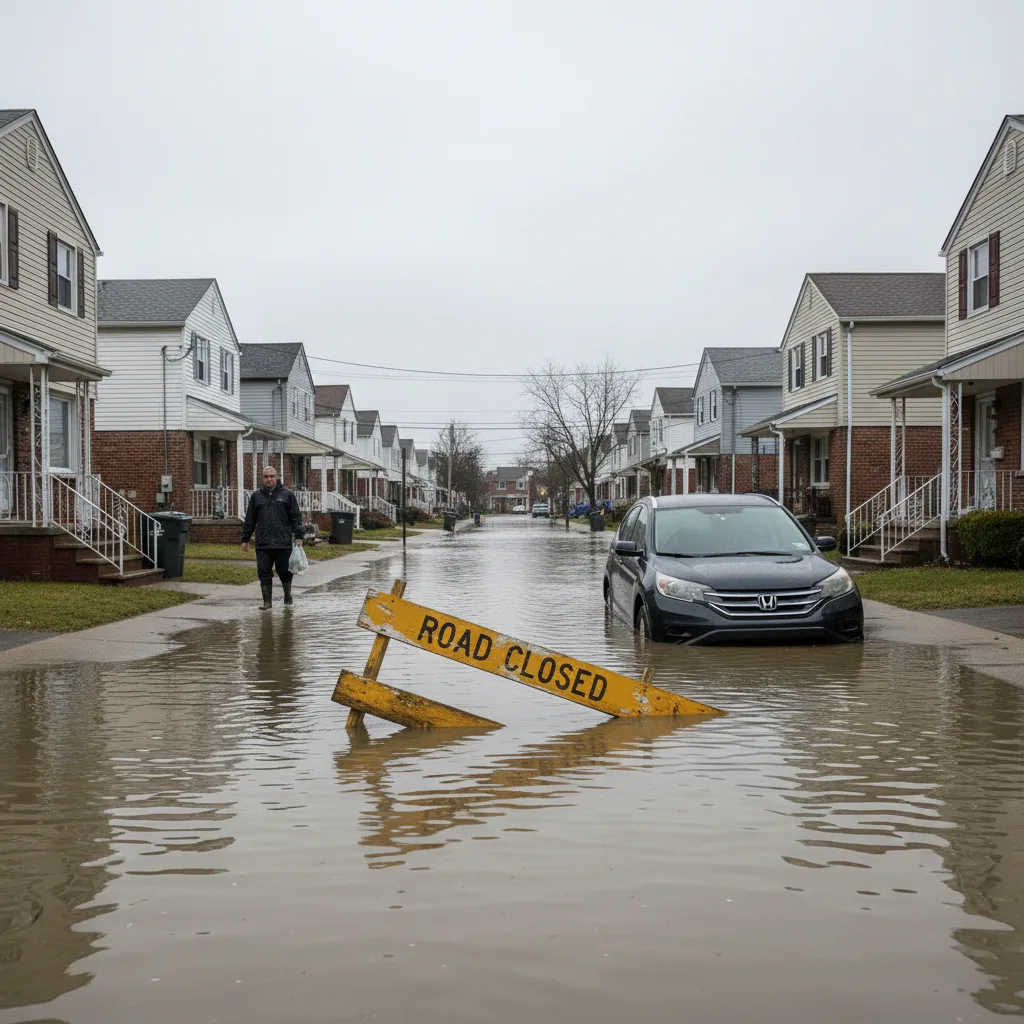
CM Ariola Urges Major Infrastructure Overhaul After Queens Floods
CM Ariola calls for major infrastructure overhaul in south Queens after weekend storm wreaks havoc. Residents face continued coastal flooding threats.
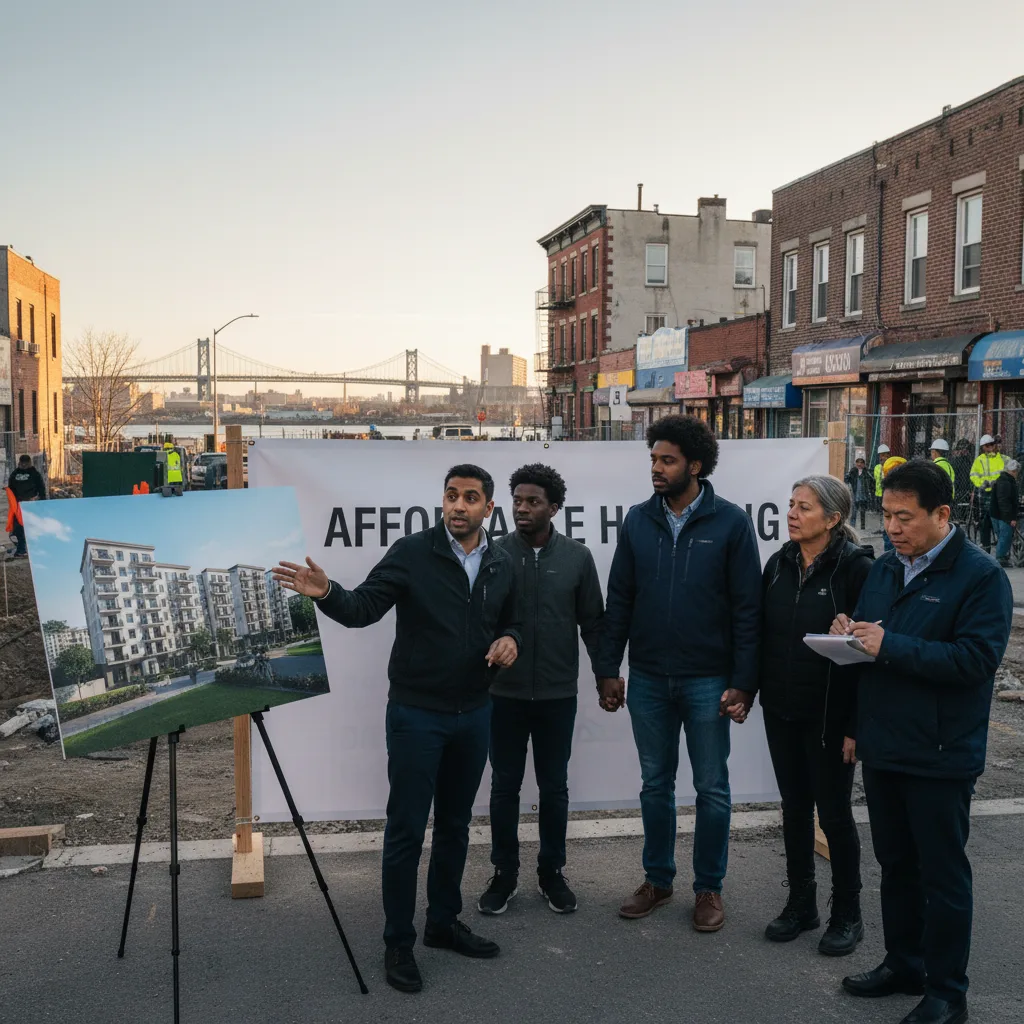
Mamdani Fast-Tracks 12 Districts for Affordable Housing, 5 in Queens
Council Member Mamdani fast-tracked 12 districts, including five in Queens, for affordable housing to address the ongoing crisis. This initiative impacts local neighborhoods like Howard Beach and Ozone Park, prompting calls for infrastructure upgrades to support growth.
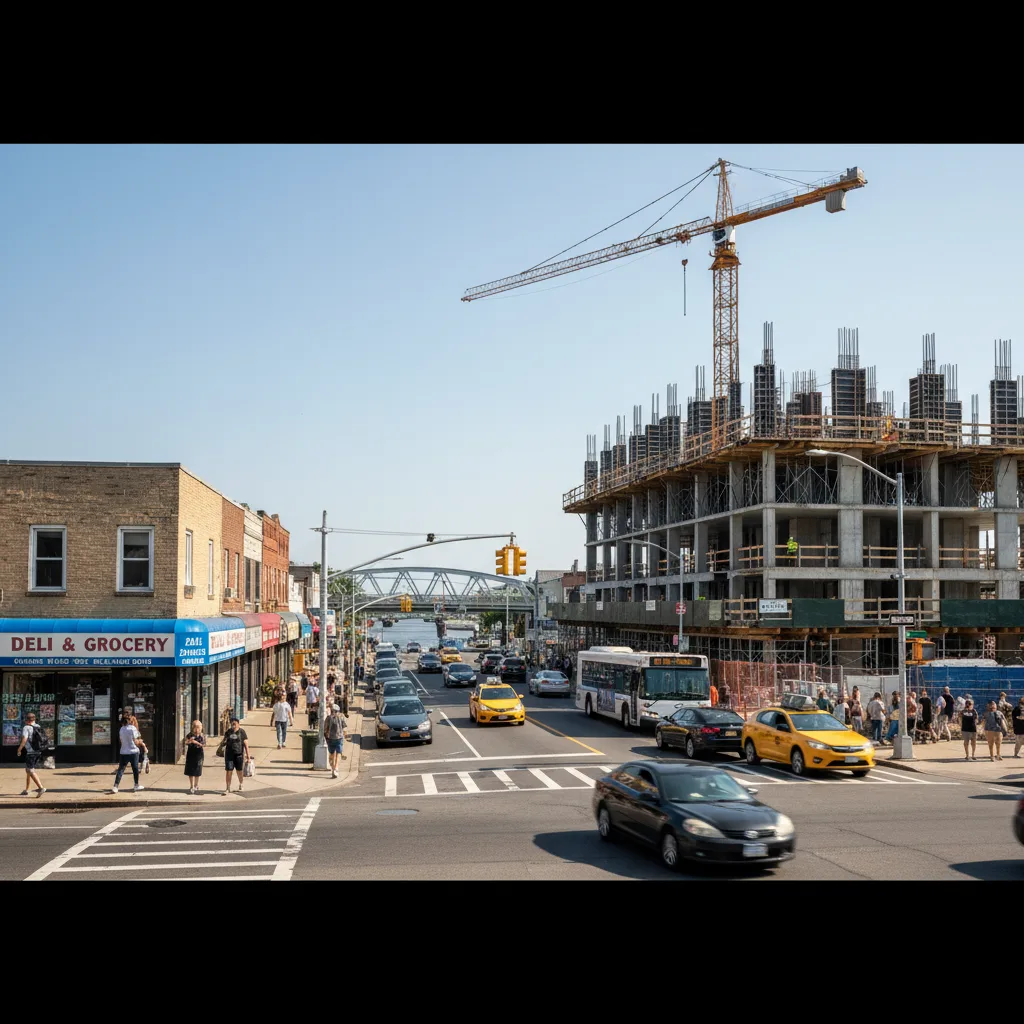
City Hall Accelerates Housing Development in Howard Beach, South Ozone Park
City Hall is fast-tracking housing development in Queens' Howard Beach and South Ozone Park to address affordability, affecting Cross Bay Boulevard communities.
Howard Beach Community Meetings Address Flooding and Infrastructure 2026
Howard Beach community meetings on October 2, 2026, addressed local flooding and ongoing infrastructure issues relevant to South Queens. Residents seek solutions for these pressing concerns.
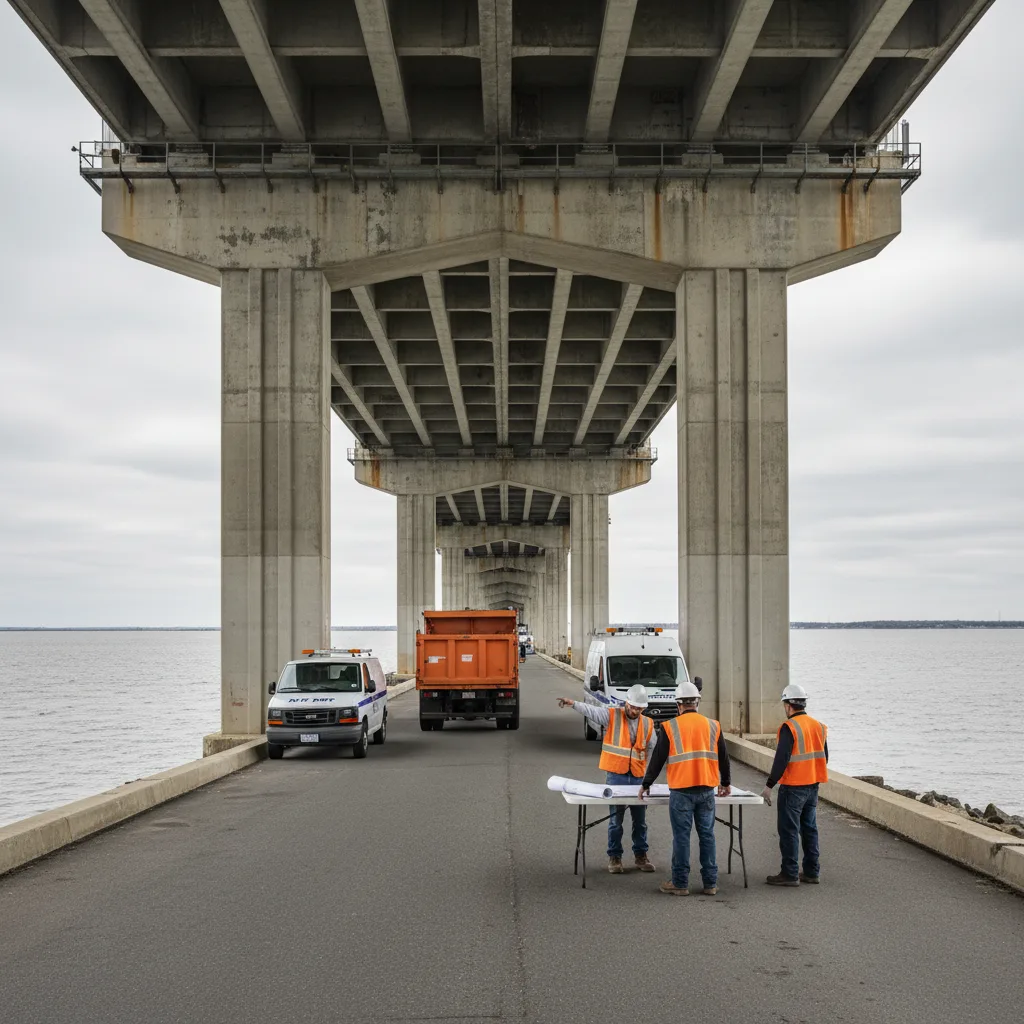
NYC DOT Approves Permit for Cross Bay Boulevard Bridge Repairs 2026
NYC DOT approved permits for Cross Bay Boulevard bridge repairs on October 3, 2026, addressing vital infrastructure needs in South Queens. Residents face traffic impacts; stay informed for commute changes.
City Hall Targets Queens Board 10 for Fast-Tracked Housing Development
City Hall fast-tracks housing development in Queens' Community Board 10, including South Ozone Park and Howard Beach, to boost affordable options.