


Queens Bus Riders See Faster Commutes After Transit Improvements

NEW YORK — Queens bus riders experienced faster commute times this week following recent transit improvements and operational adjustments, according to a Patch AM report. These enhancements aim to alleviate daily congestion and improve public transportation efficiency across the borough.
Queens Bus Service Undergoes Key Enhancements
Local commuters on several Queens routes have noted a measurable difference in their daily travel. The faster rides are a direct result of initiatives by the Metropolitan Transportation Authority (MTA) and the city's Department of Transportation (DOT). These agencies have implemented dedicated bus lanes and adjusted signal timings to prioritize public transit.
The improvements come after years of advocacy from community groups and local elected officials pushing for better bus service. Data collected by the MTA shows a decrease in average travel times, particularly during peak commuting hours. This is a welcome change for residents who rely heavily on buses for their daily commute through busy commercial corridors and residential areas.
Impact on Daily Commutes for Astoria Queens Residents
Residents of Astoria Queens, a densely populated neighborhood, are among those benefiting most from the new measures. Bus routes connecting Astoria to other parts of Queens and Manhattan have seen noticeable reductions in delays. This allows commuters to reach their destinations more predictably, impacting their daily routines positively.
The enhanced speed and reliability of bus services could encourage more residents to opt for public transit over private vehicles. A recent report from the New York Explained platform highlighted ongoing efforts to improve local transportation and Queens news, explained daily provides regular updates on these developments. This shift aligns with the city's broader goals of reducing traffic congestion and lowering carbon emissions.
Queens Bus Initiatives and Future Plans
The MTA's strategy involves a multi-pronged approach that includes redesigning bus networks and introducing new technologies. They have installed real-time bus tracking systems, giving riders more accurate information about arrivals and departures. These technological upgrades aim to make bus travel more convenient and less stressful for passengers.
Future plans for Queens bus service include expanding the dedicated bus lane network and exploring transit signal priority systems on additional routes. The DOT is also evaluating feedback from riders and bus operators to fine-tune existing improvements. The commitment to sustained investment in bus infrastructure is crucial for maintaining these gains.
Community Feedback on Faster Bus Rides in Astoria Queens
Community leaders and residents have largely praised the recent improvements, though some noted that more work is needed. While acknowledging the positive impact on travel times, many stressed the importance of continued monitoring and maintenance of these new systems. Residents of Astoria Queens often cite concerns about overall service frequency and accessibility for disabled passengers.
Public forums and online surveys have provided platforms for residents to share their experiences and suggest further enhancements. The feedback collected is being used to inform future decisions and ensure that improvements are tailored to the specific needs of each neighborhood. This collaborative approach is vital for successful urban planning.
Sustaining Transit Gains for Astoria Queens Commuters
Sustaining the faster bus rides in Astoria Queens requires ongoing commitment from city agencies and continued community engagement. Funding for public transit improvements remains a critical component of the MTA's budget. The success of these initiatives can serve as a model for other boroughs facing similar transportation challenges.
The long-term vision is to create a more integrated and efficient public transportation system that serves all New Yorkers. Continued investment in infrastructure, technology, and community-informed policies will be key to achieving this goal. This focus ensures that public transit remains a viable and attractive option for daily commuters.
Frequently Asked Questions
What improvements led to faster Queens bus rides?
Faster Queens bus rides resulted from several key improvements, including the implementation of dedicated bus lanes, adjusted traffic signal timings to prioritize buses, and the introduction of real-time bus tracking systems by the MTA and DOT. These measures collectively aim to reduce congestion and enhance public transit efficiency across the borough.
How will these changes impact residents in Astoria Queens?
Residents in Astoria Queens are experiencing more predictable and shorter commute times, making public transit a more attractive option. This positive impact could lead to increased bus ridership and reduced reliance on private vehicles. The improvements align with broader city goals to alleviate traffic and reduce environmental impact, benefiting the entire community.
Written by
Newstrix
Cross Bay News
Related Articles
More in Transportation & Traffic →
Whitestone Crash Injures Six on Cross Island Parkway
Six people were injured, two critically, in a multi-vehicle crash on the northbound Cross Island Parkway near Francis Lewis Boulevard on September 6, 2026, causing major traffic delays.
MTA Suspends A Train Service Rockaway Boulevard to Ozone Park for Nine Days
MTA suspends A train service between Rockaway Boulevard and Ozone Park for nine days, November 7-16, 2026. This impacts Queens commuters.
MTA Announces 9-Day A Train Shutdown Rockaway Boulevard to Ozone Park
MTA announces a 9-day A train shutdown between Rockaway Boulevard and Ozone Park starting November 7, 2026. This vital update impacts thousands of Queens commuters.
Ozone Park A Train Service Halted for Signal Overhaul
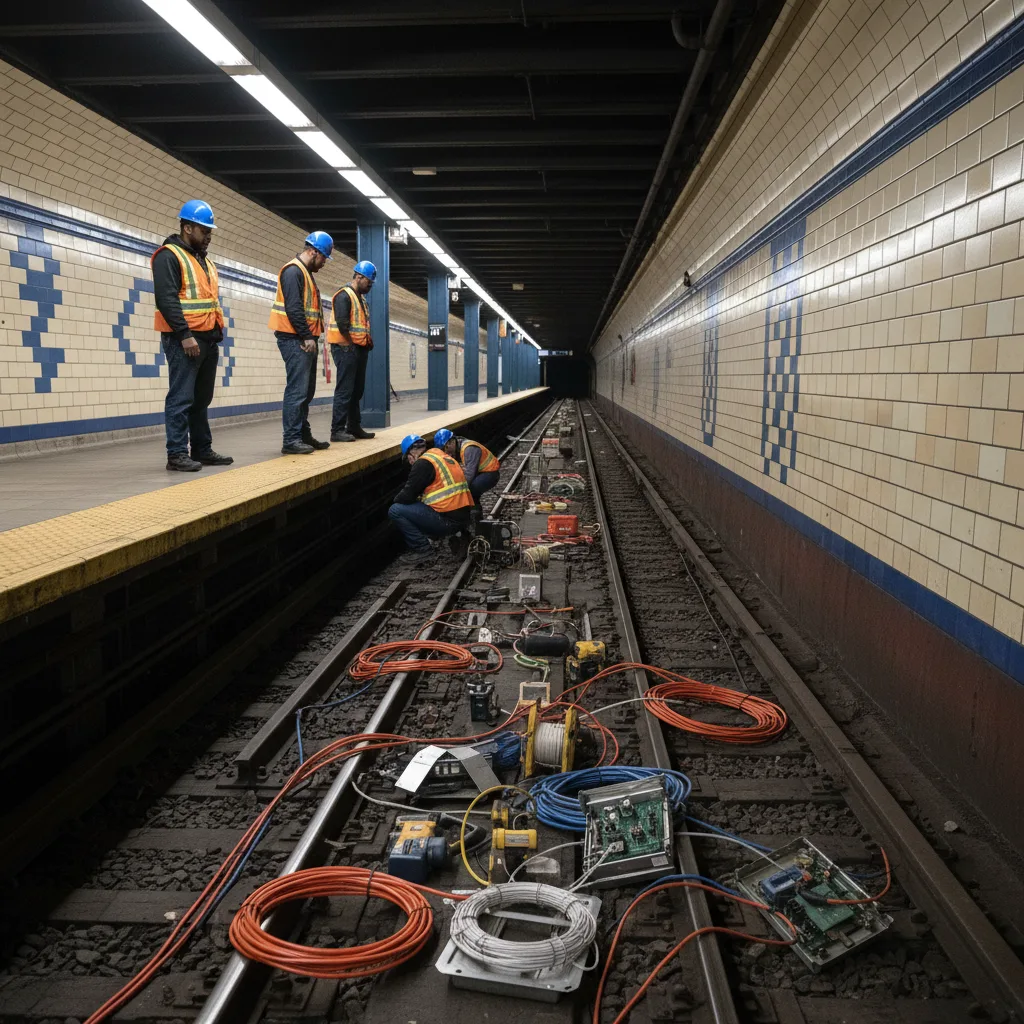
A train service on the Ozone Park branch will be halted for nine days starting November 7, 2026, due to a $1.9 billion signal overhaul project.
A Train Service Suspended for Nine Days on Ozone Park Branch
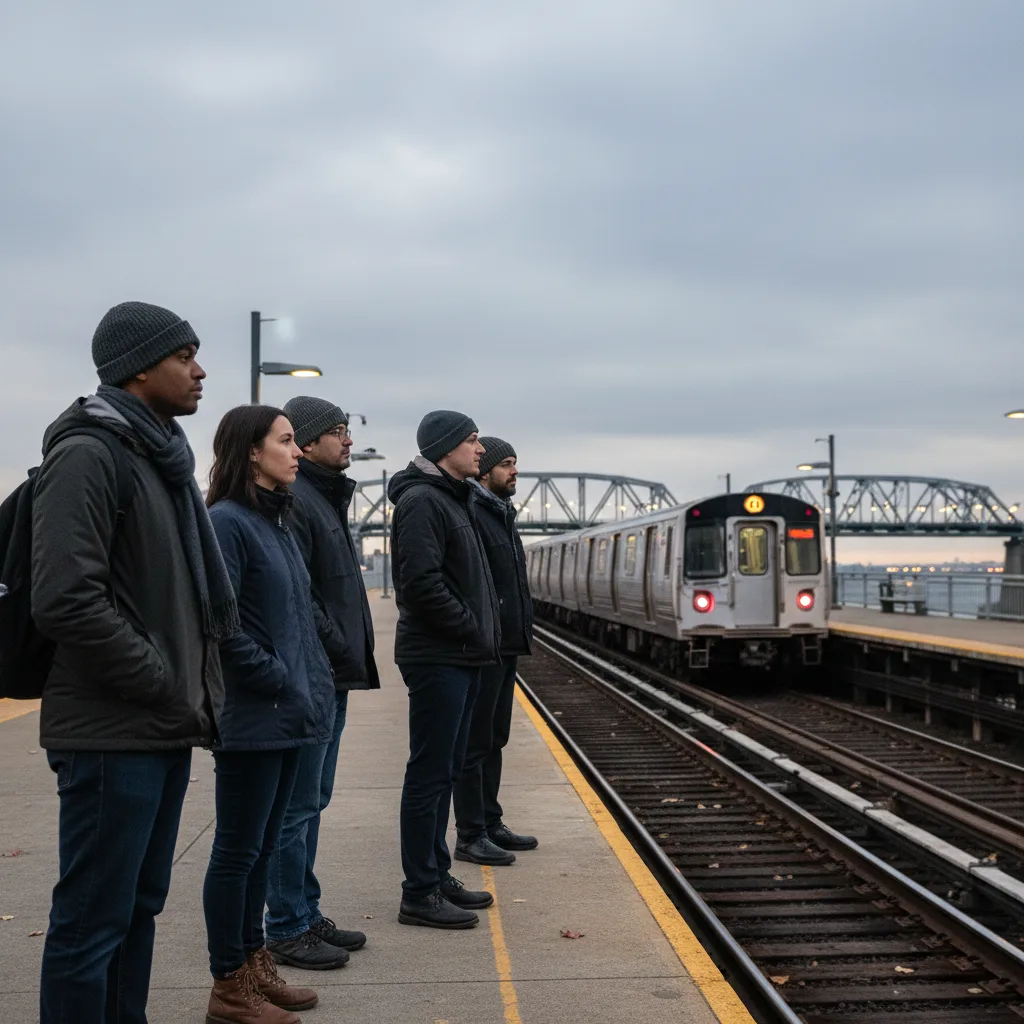
A train riders on the Ozone Park branch face nine days of suspended service starting November 7, 2026, due to a $1.9 billion MTA signal overhaul.
Howard Beach Commuters Face Shore Parkway Eastbound Lane Closure 2026
Howard Beach commuters faced significant delays after a Shore Parkway eastbound lane near Crossbay Boulevard was blocked by a collision. Plan alternative routes.