


US Military Strikes Iran for 11th Consecutive Day Amid Negotiation Efforts
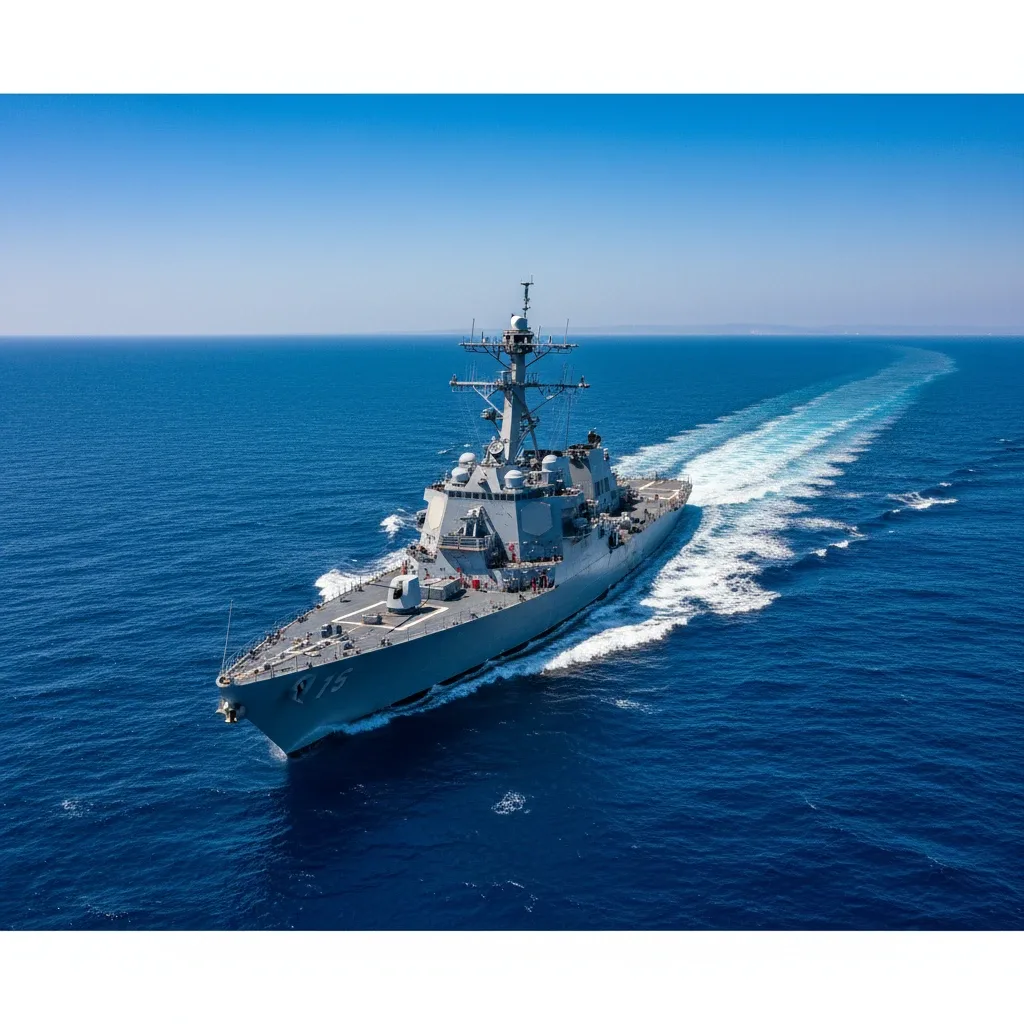
NEW YORK — The U.S. military reported on Tuesday that it has conducted strikes on Iran for an 11th consecutive day, according to Reuters. This sustained military action comes even as Secretary of State Marco Rubio affirmed Washington’s openness to negotiations, accusing Tehran of a lack of seriousness in diplomatic talks.
Escalating Strikes Amid Diplomatic Standoff
The continuous military campaign against Iran, now spanning nearly two weeks, signifies a significant escalation in tensions between the two nations. These strikes are primarily targeting sites associated with Iranian-backed proxy groups, aimed at deterring further aggression and protecting U.S. interests in the Middle East. Reuters reported the 11th day of strikes, detailing the precision and scope of the operations.
Secretary Rubio, speaking from a press conference in Washington D.C. on Tuesday, emphasized that the U.S. remains committed to finding a diplomatic solution. "Our door for negotiations is always open, but Tehran must demonstrate a genuine willingness to engage in serious dialogue," Rubio said. His statements highlight the complex dual approach of military pressure alongside calls for de-escalation through diplomacy.
Cross Bay Boulevard Residents Concerned Over Global Conflict Impact
On Cross Bay Boulevard, the reaction to the ongoing U.S. military strikes in Iran heavily centers on potential impacts to gas prices, inflation, and the broader cost of living. People in local bodegas, barber shops, and on corner sidewalks frequently discuss whether a wider war could dramatically affect everyday expenses. Queens residents are framing the international conflict in practical terms, worrying about how further escalation might impact their commutes, work hours, and the prices of heating and delivery goods.
"Every time I hear about more conflict, my first thought is always the gas pump," commented Tony Fiore, a taxi driver based in Ozone Park, during a recent discussion at a local deli. "Prices are already high, and any more trouble overseas just makes it worse for folks trying to make a living here." This sentiment reflects a pervasive concern that global events quickly translate into local economic burdens, deeply affecting the financial stability of households across Cross Bay Boulevard. Residents can check our previous reporting on how Cross Bay Boulevard businesses face skyrocketing costs amid global conflict for more context.
Disruption of Key Energy Chokepoints
The widening conflict is significantly disrupting two of the world’s most important energy chokepoints, as Reuters also reported. These critical maritime passages are essential for global oil and gas shipments, making the stability of the region paramount for international markets. Any prolonged disruption could lead to substantial increases in energy costs worldwide, a direct concern for consumers and businesses alike.
Oil prices have already seen fluctuations in response to the sustained military actions, fueling worries about broader economic instability. The strategic importance of these chokepoints means that continued military engagement carries considerable global economic risks, impacting everything from fuel costs to manufacturing supply chains. Queens residents are acutely aware of how these distant conflicts can directly influence their household budgets.
Historical Context of US-Iran Tensions
The current military actions are set against a decades-long backdrop of strained relations between the United States and Iran. Historical flashpoints, including the 1979 Iranian Revolution, the hostage crisis, and ongoing disputes over Iran's nuclear program and regional influence, have contributed to persistent mistrust and periodic confrontations. The U.S. has often employed a combination of sanctions, diplomatic pressure, and military deterrence to manage the complex relationship.
Previous administrations have also faced similar dilemmas, navigating the delicate balance between safeguarding allies, deterring aggression, and avoiding full-scale war. The strategic importance of the Middle East, particularly its energy resources, has ensured that U.S. policy towards Iran remains a critical component of its foreign policy objectives.
What This Means for Cross Bay Boulevard
The sustained strikes and the ensuing global instability underscore significant concerns for residents and businesses along Cross Bay Boulevard. The fear of escalating prices for fuel and groceries dominates local conversations, with many questioning the long-term economic outlook. These practical worries often overshadow the geopolitical intricacies of the conflict.
Local conversations remain sharply focused on whether the U.S. is sliding deeper into a conflict with no clear end, and what further involvement might mean for their daily lives. The impact on international shipping routes also signals potential delays and cost increases for imported goods, affecting local retailers and consumers across Queens. Residents are encouraged to stay informed and plan for potential economic shifts as a result of the ongoing conflict.
Frequently Asked Questions
How will the sustained US military strikes on Iran affect gas prices in Queens?
The ongoing U.S. military strikes in Iran and the resulting disruption of global energy chokepoints are likely to contribute to increased volatility in gas prices across Queens. While direct impacts can vary, the sustained tensions in the Middle East typically lead to higher crude oil costs, which then translate to higher prices at the pump for Cross Bay Boulevard drivers. Residents should monitor market trends and local gas station pricing regularly.
What are local officials in Queens saying about the U.S.-Iran situation?
Local officials in Queens have largely focused on supporting residents through potential economic impacts rather than commenting directly on foreign policy. Their statements often address concerns about inflation and cost of living. Community leaders and local politicians are primarily concerned with the practical consequences for their constituents, such as rising utility bills and grocery costs.
Written by
Newstrix
Cross Bay News
Related Articles
More in National & World →
Police Fire Tear Gas as Protests Spread Across France 2026
Police fired tear gas as tens of thousands rallied across France on Oct 6, 2026, protesting for education reforms. High schools were blockaded.

Cross Bay Boulevard Residents React to Ukraine Drone Attack on Moscow
Cross Bay Boulevard residents voice concerns as Ukraine launches a major drone attack on Moscow, signaling conflict escalation and raising local anxieties.
56-Year-Old Exporter Granted Bail in St James Parish Court 2026
A 56-year-old exporter was granted $600,000 bail in St James Parish Court, Montego Bay, on Oct 6, 2026, after his attorney challenged the charges.

French Student Protests Spread, Prompting Global Concern
French student protests are spreading nationwide, sparking global concern and discussions among international observers and Cross Bay Boulevard residents.
Cross Bay Boulevard Residents Anxious Over Escalating Global Tensions 2026
Cross Bay Boulevard residents express anxiety as North Korea missile tests and stalled Iran talks escalate global tensions. Concerns arise about local economic impacts.
Kyiv Northern Bridge Strike Prompts Safety Discussions Among Cross Bay Residents 2026
Cross Bay Boulevard residents, especially those with ties to Ukraine, are discussing civilian safety and transportation disruptions after a Russian strike hit Kyiv's Northern Bridge on October 3, 2026. This impacts Queens communities.