


Citi Bikes Unused in Queens Neighborhoods, Sparking Street Space Debate

NEW YORK — Newly introduced Citi Bikes are sitting unused in several Queens neighborhoods, occupying valuable street space and sparking debate among residents. The sight of numerous idle bikes has led to questions about planning and community needs for the bike-share program.
Queens Residents Question Citi Bike Placement
Queens residents are increasingly vocal about the placement of Citi Bike stations, particularly in areas where usage appears to be low. Many feel that the bikes are gobbling up needed street space that could be used for parking or other community amenities, according to baselocal.com. The issue highlights broader discussions about urban planning and resource allocation.
The bike-share program, designed to offer convenient transportation, faces criticism when stations appear underutilized. This raises concerns about whether these initiatives truly serve the needs of local communities in places like Howard Beach or Ozone Park.
Unused Citi Bikes and Their Impact on Parking
The primary grievance among residents revolves around the impact on already scarce parking spaces. In many dense Queens neighborhoods, parking is at a premium, and the addition of Citi Bike docks further exacerbates the problem. This is especially true along busy corridors and commercial streets.
Local businesses and commuters often struggle to find parking, leading to frustration. The sight of empty bike racks or bikes that rarely move fuels the argument that the program is not adequately integrated into the neighborhood's existing infrastructure.
Urban Planning and Community Engagement Criticized
Critics argue that the rollout of Citi Bike stations in some parts of Queens lacked sufficient community engagement and needs assessment. They contend that better planning, informed by local input, could have identified more suitable locations or determined areas where the demand is genuinely high.
Successful urban planning initiatives typically involve extensive dialogue with residents and local stakeholders. A perceived disconnect between city planning and neighborhood realities can lead to public backlash against well-intentioned programs.
Citi Bike Expansion in Outer Boroughs
The Citi Bike program has been expanding its footprint into New York City's outer boroughs, including Queens, over recent years. The expansion aims to provide more equitable access to alternative transportation options across the city. However, implementation challenges have emerged.
While popular in Manhattan and parts of Brooklyn, the utility and adoption rate of Citi Bikes can vary significantly across different neighborhoods. Factors like topography, existing public transit options, and local commuting patterns all play a role in user engagement.
Future of Bike-Share in Queens Neighborhoods
The debate over unused Citi Bikes may prompt a re-evaluation of station placements and future expansion plans in Queens. City officials might consider conducting more detailed surveys or pilot programs before implementing widespread changes that affect public space.
Addressing resident concerns directly and adapting deployment strategies could improve the program's acceptance and effectiveness. This ongoing discussion contributes to the broader dialogue on urban mobility and how it impacts local communities. Residents can find more information on local issues via Queens news updates.
Frequently Asked Questions
How can Queens residents request changes to Citi Bike station locations?
Queens residents can submit feedback or requests for changes to Citi Bike station locations through the NYC Department of Transportation (DOT) website or by contacting their local community board. Community boards often serve as a liaison between residents and city agencies, allowing for local concerns about street space and bike-share placements to be formally addressed in areas like Howard Beach or Ozone Park.
What criteria does the city use for placing Citi Bike stations?
The city typically uses criteria such as proximity to public transit, population density, potential for intermodal travel, and safety considerations when deciding on Citi Bike station placements. However, community input and available sidewalk space are also factors that are ideally considered to ensure the stations integrate well within neighborhoods and serve their intended purpose without negatively impacting local infrastructure or parking.
Written by
Newstrix
Cross Bay News
Related Articles
More in Transportation & Traffic →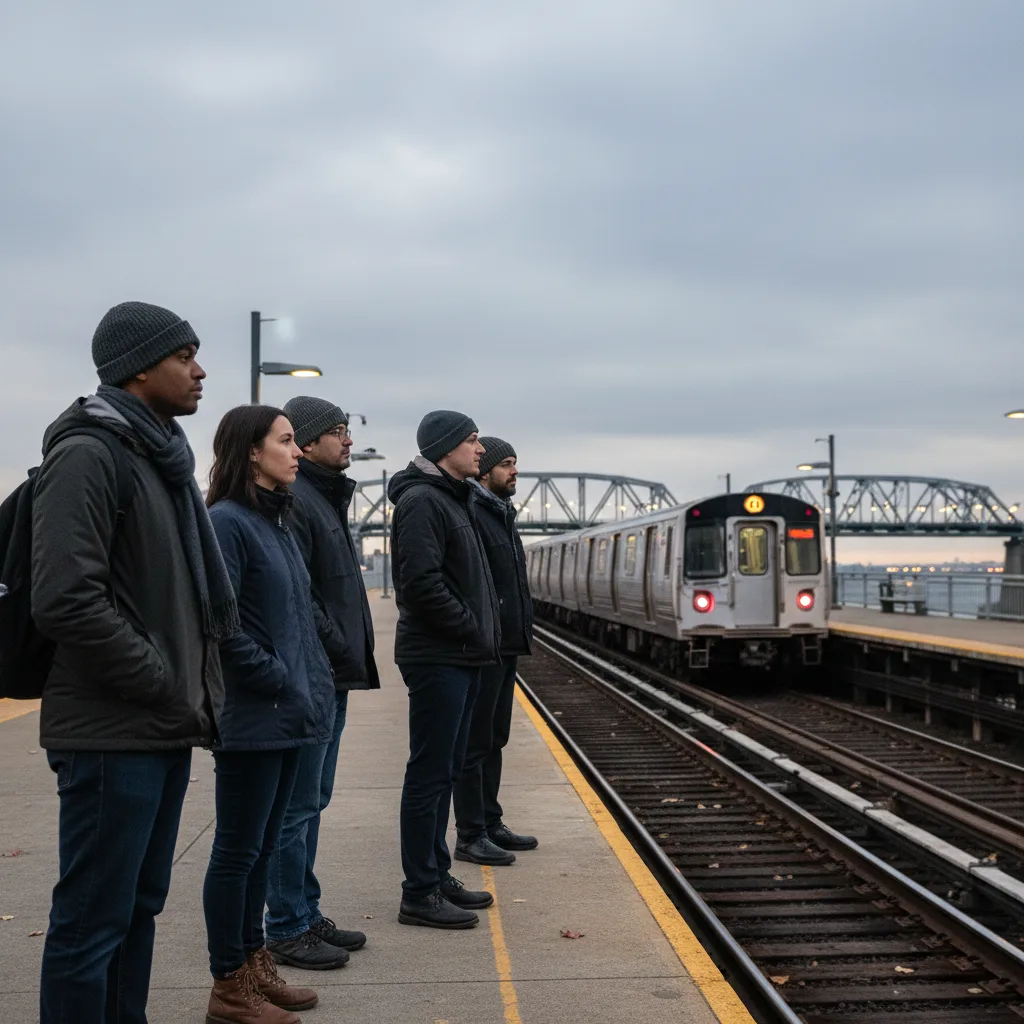
A Train Service Suspended for Nine Days on Ozone Park Branch
A train riders on the Ozone Park branch face nine days of suspended service starting November 7, 2026, due to a $1.9 billion MTA signal overhaul.
Howard Beach Commuters Face Shore Parkway Eastbound Lane Closure 2026
Howard Beach commuters faced significant delays after a Shore Parkway eastbound lane near Crossbay Boulevard was blocked by a collision. Plan alternative routes.
Safety Demands Rise After SUV Strikes Child in Queens
Queens residents are demanding enhanced pedestrian safety measures after an SUV struck a child this week, reigniting concerns over traffic calming.

Subway Track Walker Snarls Queens No. 7 Line Commute for Thousands
A man walking on subway tracks snarled the Queens No. 7 line commute for thousands on November 1, 2026. The incident caused extensive delays for Sunday travelers.
MTA Announces A Train Service Replaced by Shuttle Buses for 9 Days
MTA announces A train service in Queens will be replaced by shuttle buses for nine days starting November 7, 2026. Commuters face major disruptions due to critical signal modernization.
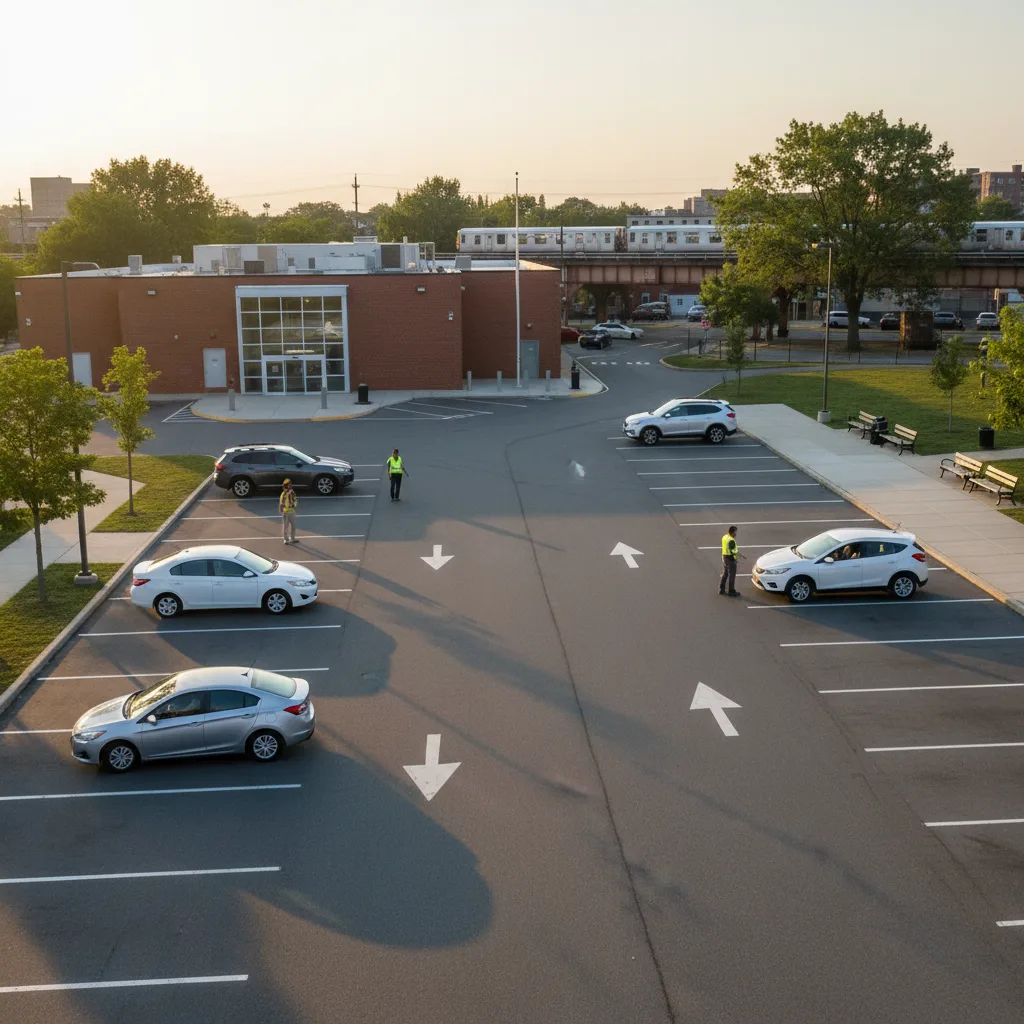
Your Guide to Finding the Road Test Site in Ozone Park, Queens NY 2026
Find the road test site in Ozone Park, Queens NY 2026. This guide offers location details, preparation tips, and what to expect for your driver's license test.