


City Council Bans PFAS 'Forever Chemicals' in FDNY Equipment
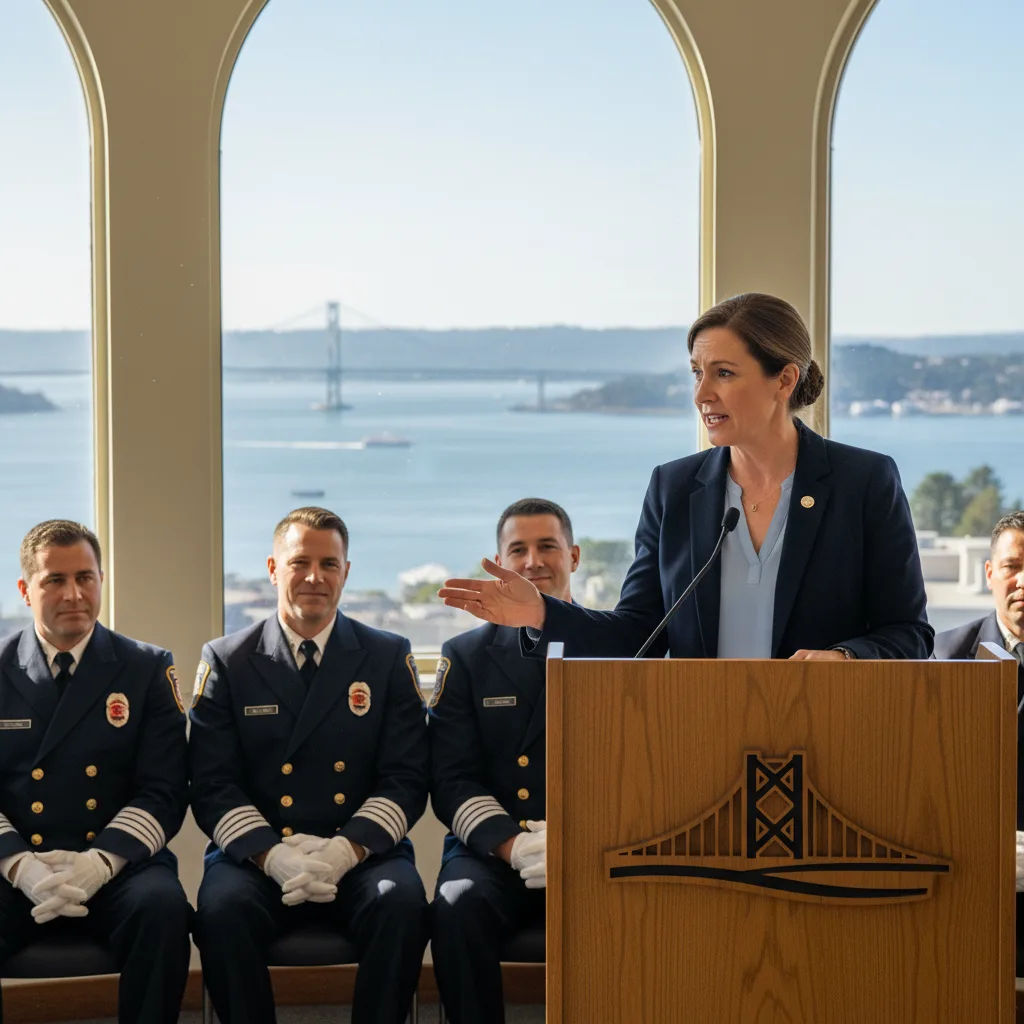
NEW YORK — The New York City Council has officially banned 'forever chemicals' in FDNY equipment with new legislation backed by Councilmember Joann Ariola, according to QNS. This significant legislative action aims to protect firefighters from harmful per- and polyfluoroalkyl substances (PFAS) found in protective gear and firefighting foam.
Protecting Firefighters from PFAS Exposure
The new legislation marks a critical step in enhancing the health and safety of New York City firefighters. PFAS, often referred to as 'forever chemicals' due to their persistence in the environment and human body, have been linked to serious health issues, including various cancers. Firefighters are particularly vulnerable to exposure through their gear and the foam used in fire suppression.
Councilmember Ariola has been a vocal advocate for the bill, citing scientific evidence and concerns raised by firefighter advocacy groups. The move aligns with a broader national trend to eliminate PFAS from consumer products and occupational tools. The ban underscores the city's commitment to prioritizing the long-term well-being of its first responders, a workforce vital to public safety across all five boroughs.
Health Risks Associated with Forever Chemicals
PFAS compounds have been widely used in industrial and consumer products for their water and stain-resistant properties. However, research has increasingly highlighted their detrimental health effects. Studies suggest links between PFAS exposure and kidney cancer, testicular cancer, thyroid disease, and immune system dysfunction. These chemicals can accumulate in the body over time, posing chronic health risks.
For firefighters, exposure often occurs through turnout gear and aqueous film-forming foams (AFFF) historically used to combat chemical and fuel fires. The new legislation mandates that the FDNY transition to PFAS-free alternatives, ensuring that the equipment designed to protect them does not inadvertently contribute to their health problems. This proactive measure aims to reduce occupational health disparities.
Legislative Process and Community Support
The journey to enacting this ban involved extensive public hearings, expert testimony, and collaborative efforts among council members. Councilmember Ariola's office spearheaded the initiative, garnering widespread support from environmental groups, public health advocates, and firefighter unions. The consensus was that the health of those who protect the city should not be compromised by the very tools they use.
Local residents, particularly those in communities like Howard Beach and Broad Channel, have also shown strong support for the ban. Concerns about environmental contamination and public health in general resonate deeply within these neighborhoods. The legislation reflects a responsiveness to both expert advice and community sentiment regarding chemical safety.
Transition to Safer Alternatives for FDNY
The FDNY will now embark on a phased transition to acquire PFAS-free equipment and firefighting agents. This process will involve rigorous testing and procurement of new technologies that meet stringent safety and effectiveness standards. The city's Department of Environmental Protection will likely play a role in overseeing the proper disposal of existing PFAS-containing materials.
The shift is not without its logistical and financial challenges, but the City Council has committed to providing the necessary resources. The long-term benefits of reduced health risks for firefighters are seen as outweighing the initial costs. This initiative sets a precedent for other city departments to re-evaluate their use of potentially harmful chemicals in occupational settings.
Broader Impact on Environmental Policy
This ban on PFAS in FDNY equipment is part of a larger trend in New York City's environmental policy, which has increasingly focused on eliminating harmful chemicals from public use. Such measures align with the city's broader sustainability goals and efforts to create a healthier urban environment. It also signals to manufacturers the growing market demand for PFAS-free products.
This proactive approach to chemical regulation serves as an example for other municipalities nationwide. By addressing occupational exposure, New York City is tackling a critical aspect of public health and environmental protection. For residents across Queens, this move reinforces trust in local government's commitment to safeguarding its citizens and workers.
Frequently Asked Questions
What are PFAS and why are they considered 'forever chemicals'?
PFAS, or per- and polyfluoroalkyl substances, are a group of manufactured chemicals used for decades in products like non-stick cookware and waterproof fabrics. They are called 'forever chemicals' because they break down very slowly over time, persisting in the environment and human body, and can accumulate there, leading to potential health risks.
What health risks are associated with PFAS exposure?
Exposure to PFAS has been linked to a range of health issues, including increased cholesterol levels, changes in liver enzymes, decreased vaccine response in children, increased risk of high blood pressure in pregnant women, and increased risk of kidney or testicular cancer. Firefighters often face higher exposure levels due to their gear and fire suppression foams.
How will the FDNY ensure the new equipment is effective and safe?
The FDNY will work with the City Council and relevant agencies to thoroughly vet and test new PFAS-free equipment and firefighting foams. This process will ensure that the alternatives meet operational effectiveness standards while also being safe for firefighters and the environment. The transition will be carefully managed to maintain the department's operational readiness.
Written by
Newstrix
Cross Bay News
Related Articles
More in Government & Politics →
DA Katz Urges Parole Board to Keep Eddie Byrne Killer Behind Bars 2026
Queens DA Melinda Katz urges the state parole board to keep the killer of rookie cop Eddie Byrne behind bars for his 1988 assassination in South Jamaica. Justice remains a priority.

Brazil's Presidential Election Draws Concern from Queens Latin American Community
Brazil's polarized presidential election deeply concerns Queens' Latin American community, debating its impact on family abroad and regional stability.

Your Essential Guide to Sandals Jamaica Montego Bay for Queens Travelers
Planning a luxurious escape? Our guide to Sandals Jamaica Montego Bay helps Queens residents plan the perfect all-inclusive, adults-only Caribbean getaway.

Your Guide to Exploring Jamaica Excursions from Montego Bay for Queens Travelers
Discover the best Jamaica excursions from Montego Bay for Queens residents, including top attractions, transportation tips, and what to pack for your adventure.

A Local's Guide to Montego Bay, Jamaica Beach for Your Next Getaway
Planning a tropical escape from Queens? Explore this guide to Montego Bay, Jamaica beach destinations, essential tips, and activities for your 2026 getaway.

Queens Events Calendar Features Diverse Activities October 8, 2026
Queens Events Calendar for October 8, 2026, features diverse activities, including community care discussions and local gatherings. Residents can find opportunities to engage with local culture.