


Congo River Boat Collision Kills At Least 22, Rescue Operations Ongoing
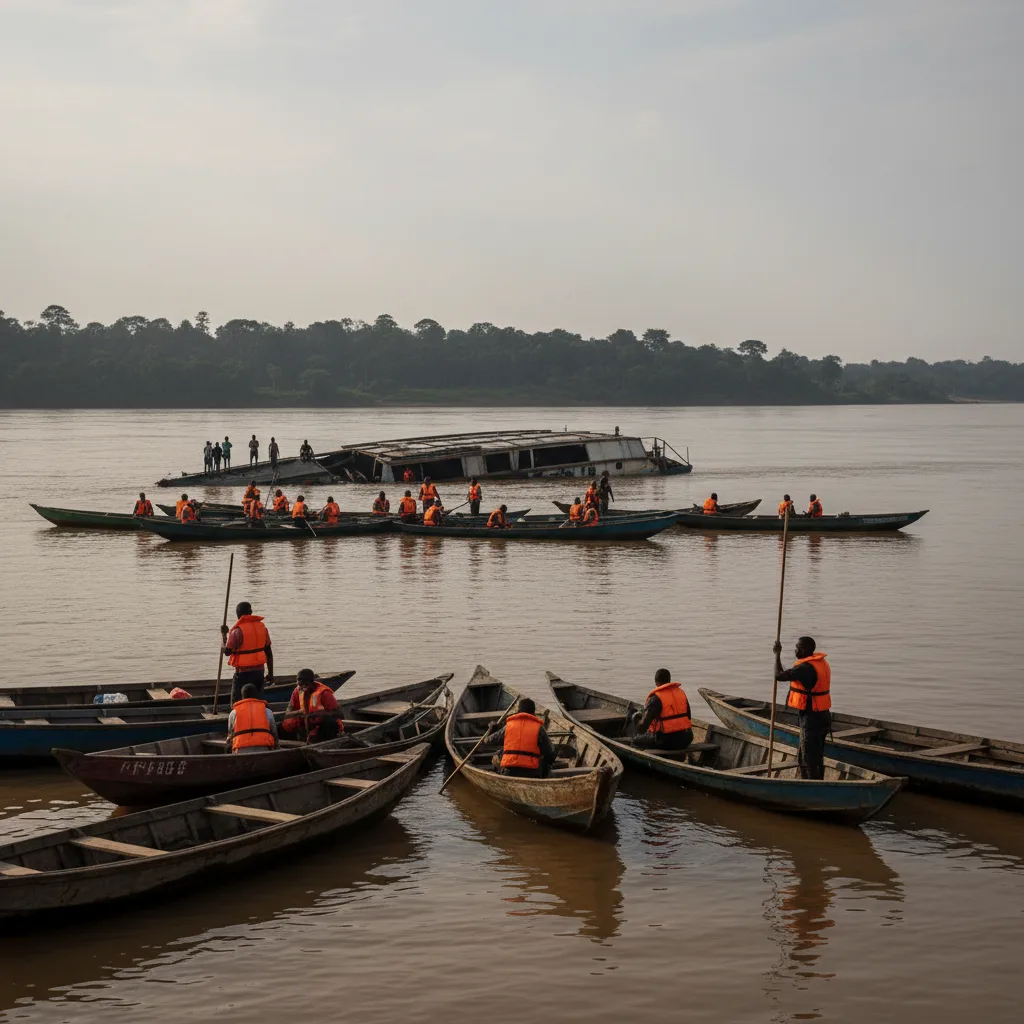
NEW YORK — At least 22 people died after two boats collided near Ngombe in the Democratic Republic of Congo on October 6, 2026, while rescue and recovery operations continued, according to Times of India. One passenger boat carrying 163 people sank, with only 59 survivors reported thus far from the tragic incident.
Deadly Collision on the Congo River Near Ngombe
A devastating maritime accident occurred on the Congo River near Ngombe, a critical waterway in the Democratic Republic of Congo. The collision involved two vessels, one of which was a passenger boat severely overloaded with 163 individuals. The impact caused the passenger vessel to capsize and sink rapidly, leading to significant loss of life. The exact circumstances leading to the collision remain under investigation by Congolese authorities.
Emergency services and local villagers quickly launched rescue efforts, battling strong currents and difficult conditions. The immediate focus was on locating survivors and recovering bodies from the vast river. The disaster highlights persistent safety concerns regarding river transport in the region, where regulations are often loosely enforced and vessels frequently carry more passengers than their capacity allows. This tragic event adds to a long history of similar incidents in the DRC, where river accidents are unfortunately common, often due to poor vessel maintenance or overcrowding.
Ongoing Search and Recovery Efforts
As of October 6, 2026, rescue teams continued their painstaking search for more survivors and victims in the expansive Congo River. The disparity between the reported number of passengers and survivors indicates a high potential for more fatalities, with many still unaccounted for. Local authorities are coordinating with civilian volunteers who are assisting in the grim task of recovery, using small boats and their knowledge of the river's currents.
The swift currents and immense depth of the Congo River present formidable challenges to rescue operations, often pushing debris and bodies far downstream. Families of the missing have gathered along the riverbanks, anxiously awaiting news of their loved ones. The prolonged efforts underscore the scale of the tragedy and the desperate hope of finding anyone still alive or bringing closure to grieving families. The broader impact of such a disaster resonates deeply within the local communities, where many rely on river transport for daily travel and commerce.
Safety Concerns on Congo River Transport
This incident casts a renewed spotlight on the precarious safety standards governing river transport in the Democratic Republic of Congo. Overcrowding, lack of proper navigation equipment, inadequate safety gear, and poorly maintained vessels are frequently cited as contributing factors in such disasters. Despite periodic government crackdowns, these issues persist, putting thousands of lives at risk daily. Many local news outlets have previously reported on these systemic issues.
For many Congolese citizens, river travel is the primary, and often only, affordable means of transportation between remote villages and larger towns. This dependence forces passengers to accept the inherent risks, as alternatives are scarce. International maritime organizations have long advocated for stricter enforcement of safety regulations and investment in safer transportation infrastructure in the region, yet progress remains slow. This lack of safety measures is a recurring theme, echoing concerns in other regions such as those regarding Jamaica Bay bodies and public safety.
Community Reaction and Government Response
The local communities along the Congo River are reeling from the tragedy. Funerals for identified victims are expected to begin soon, bringing an additional layer of grief to the affected villages. Residents are expressing a mix of sorrow and anger, demanding more decisive action from the government to prevent future recurrences. The impact on families, many of whom have lost multiple members, is immeasurable and will be felt for years to come.
Congolese authorities have launched an official investigation into the collision to determine accountability and identify any negligence. Government officials have offered condolences to the victims' families and pledged to support the rescue efforts. However, past promises of improved river safety have often fallen short, leading to skepticism among the populace who await concrete actions rather than mere words. The pressure is now on the government to enact lasting changes that prioritize the safety of its citizens.
International Aid and Support
Given the scale of the disaster, there may be calls for international aid to support rescue operations and provide humanitarian assistance to the affected communities. Organizations specializing in disaster response and maritime safety may offer expertise and resources to bolster local efforts. The international community often responds to such large-scale tragedies with offers of support, recognizing the immense challenges faced by nations with limited resources.
Such assistance could include technical support for improving maritime safety regulations, training for river operators, and resources for better vessel maintenance and inspection. While immediate focus remains on search and recovery, the long-term goal will be to implement sustainable solutions that enhance the safety of river travel across the Democratic Republic of Congo, preventing future devastating losses. The world watches, hoping for a swift and comprehensive response.
Frequently Asked Questions
What are the common causes of boat accidents on the Congo River?
Common causes of boat accidents on the Congo River include severe overloading of passenger vessels beyond their capacity, poor maintenance of boats leading to mechanical failures, lack of proper navigation equipment, and inadequate training of boat operators. Additionally, strong currents, hidden obstacles, and the absence of strict enforcement of safety regulations contribute significantly to the high incidence of maritime disasters in the region.
How does overcrowding impact the safety of passenger boats?
Overcrowding significantly compromises the safety of passenger boats by destabilizing the vessel, making it more prone to capsizing, especially in rough waters or during collisions. It also reduces the availability of life-saving equipment per person, impedes emergency exits, and makes rescue operations more difficult. This increased weight beyond design limits puts immense stress on the boat's structure, elevating the risk of structural failure.
What can be done to improve river transport safety in the Democratic Republic of Congo?
Improving river transport safety in the Democratic Republic of Congo requires a multi-faceted approach, including strict enforcement of existing maritime safety regulations, regular inspection and certification of all vessels, and mandatory safety training for operators. Investing in modern navigation technology, providing adequate life-saving equipment, and raising public awareness about the dangers of overcrowding are also crucial steps. International support for infrastructure and regulatory capacity building would further assist in these efforts.
Written by
Newstrix
Cross Bay News
Related Articles
More in Public Safety & Crime →
Man Stabbed to Death by Stranger in Queens Street Attack
A man was stabbed to death by a stranger in front of his family on a Queens street, shocking the community. Police have launched a homicide investigation.
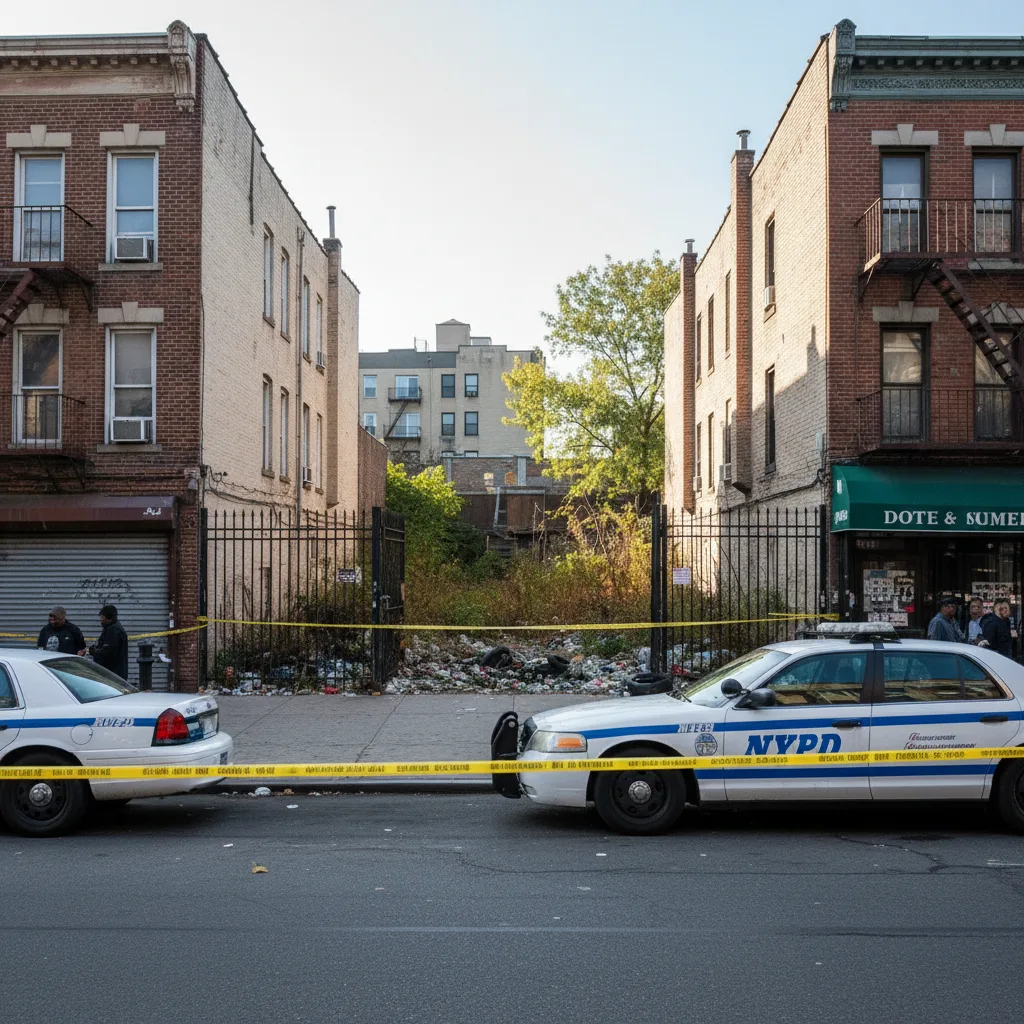
Police Investigate Body Found in Unoccupied Jamaica Lot Along Hillside Avenue
Police in the 103rd Precinct found a body in an unoccupied lot along Hillside Avenue in Jamaica, Queens, prompting a homicide investigation. The identity is unknown.
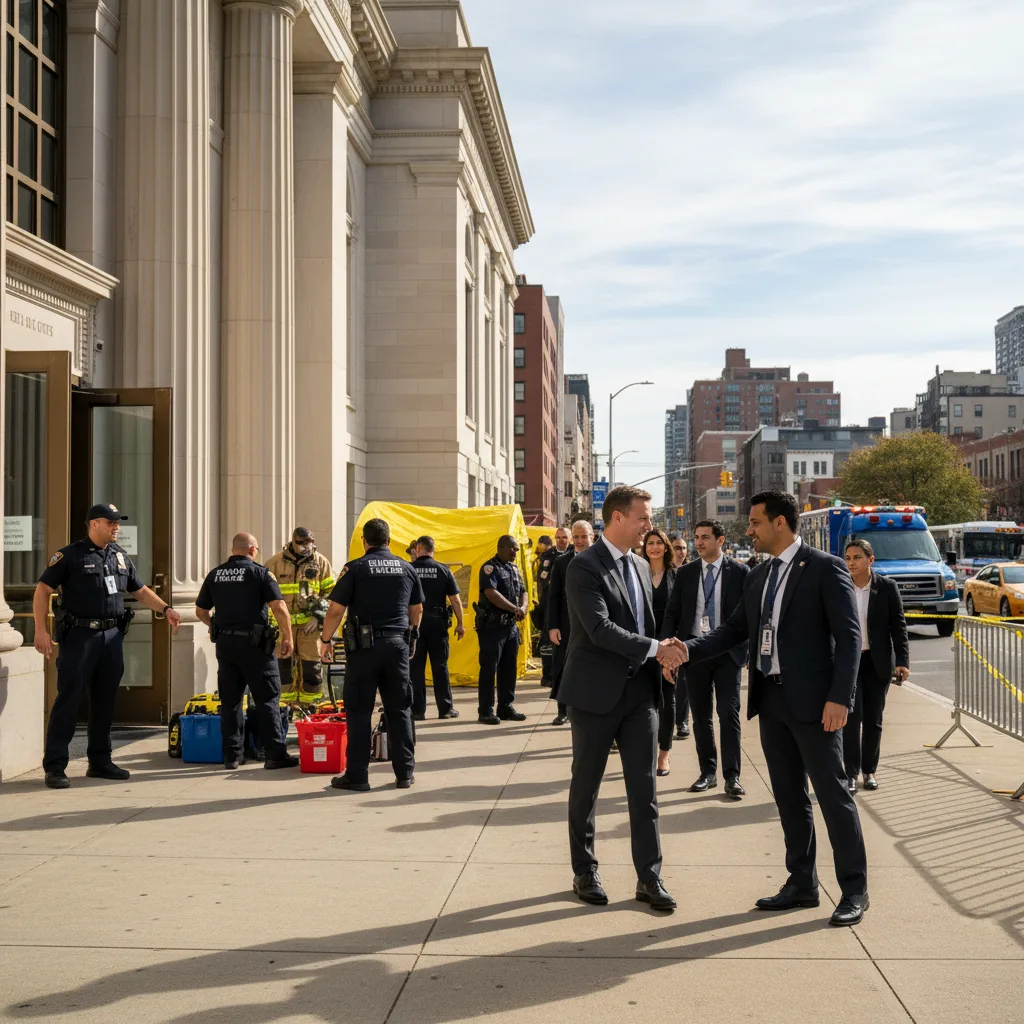
Queens Supreme Court Declared Safe After Hazardous Substance Scare October 7
Queens Supreme Court was declared safe on October 7, 2026, after a suspicious powder scare prompted evacuations and emergency response. The courthouse is now fully operational.
Ozone Park Residents Face Continued Crime Wave as Suspects Remain at Large
Ozone Park residents face heightened anxiety as two suspects remain at large after a gunpoint robbery. A recent crime wave affects community safety.
Man Critically Injured in Violent Cross Island Parkway Crash
A young man was critically injured in a violent Cross Island Parkway crash in Queens on September 6, 2026, sending four others to the hospital. Major traffic disruptions ensued.
Jamaica Bay Bodies Spark Public Safety Concerns Among Residents
Eight deceased individuals found in Jamaica Bay in the past year have sparked public safety concerns among Queens residents. This 'unprecedented' trend intensifies calls for increased investigation.