


Cross Bay Blvd Residents Grapple With $4 Gas Amid Iran Conflict March 2026

NEW YORK — Residents along Cross Bay Boulevard in Queens are expressing mounting alarm over escalating gas prices, which hit a troubling $4 per gallon in March 2026, directly linking the local economic strain to the intensifying conflict involving Iran overseas. The global geopolitical tensions have created a ripple effect, forcing many community members to adjust their daily commutes and household budgets. Anxiety is particularly high among working families already struggling with the cost of living in New York City.
Local gas stations along the busy thoroughfare have seen a rush of customers attempting to fill up tanks before potential further price spikes. This preemptive action reflects a deep-seated fear of economic instability, reminiscent of past periods of energy crisis. The immediate impact on transportation costs is a major concern for individuals reliant on personal vehicles for work and errands.
Local Pump Stations See Surge in Demand
Gas stations dotted along Cross Bay Boulevard, from Howard Beach to Broad Channel, have reported unusually high demand over the past week. Many drivers are topping off their tanks even when not strictly necessary, fearing that prices will continue their upward trajectory in the coming days. This rush is putting pressure on local fuel supplies and exacerbating the sense of urgency.
“I usually only fill up once a week, but with the news about Iran, I’m just trying to get as much as I can before it goes even higher,” commented Maria Sanchez, a resident of Ozone Park, at a gas station near 159th Avenue. “Every penny counts, especially when rent and groceries are already so expensive.” Her sentiment captures the widespread worry.
Station owners, while seeing increased sales volume, are also expressing concerns about the volatility of the market. They are closely monitoring wholesale prices and anticipating further fluctuations, which makes pricing decisions challenging. The uncertainty directly affects their business planning and profit margins in a highly competitive market.
Some stations have already posted signs indicating price increases will be daily, or even intra-day, depending on market conditions. This rapid change further fuels consumer anxiety and the rush to purchase fuel. The local economy on Cross Bay Boulevard is feeling the immediate and direct impact of global events, reaching into every household budget.
Bodega Owners Report Anxious Customers
The economic anxiety spurred by the conflict is not confined to gas pumps; it's permeating local businesses, particularly bodegas and small grocery stores along Cross Bay Boulevard. Owners report customers anxiously inquiring about potential inflation impacts on groceries, utility costs, and other essential goods. The community response highlights how deeply intertwined local and global economies have become.
“Every other customer asks me if the price of bread or milk is going up next,” shared Mr. Patel, owner of a corner bodega that has served the community for two decades. “They’re worried about heating their homes, feeding their kids. It’s not just gas, it’s everything.” The broader implications of the conflict are clearly weighing on residents.
Parents at nearby schools, often congregating after drop-off and pickup, are discussing the potential economic ripple effects on working families in Queens. Many fear that rising energy costs will translate into higher prices for almost all goods and services, further stretching already tight household budgets. The conversation is less about the specifics of the conflict and more about its material consequences.
Concerns extend to the possibility of increased heating costs as winter approaches, given the reliance on oil and natural gas for many homes in Queens. The prospect of higher utility bills adds another layer of financial stress for residents. The connection between international incidents and daily living expenses is becoming starkly apparent on Cross Bay Boulevard. Find more details on the global impact.
Impact on Queens Working Families
The economic pressures are particularly acute for working families in Queens, many of whom are already grappling with high rents and a generally rising cost of living in New York City. The additional burden of expensive fuel and the anticipation of broader inflation threaten to push more families to the brink. Financial security is a constant struggle for many.
Commuting costs represent a significant portion of many household budgets. For those who drive to work or rely on personal vehicles for essential tasks, the $4 per gallon price point is a substantial increase that requires immediate adjustments. Some residents are considering public transportation alternatives, but these are not always feasible for all routes or schedules along Cross Bay Boulevard.
Childcare providers and community centers in the Cross Bay area are also noticing the strain, as parents express concerns about maintaining their current living standards. The ongoing discussions highlight the precarious financial situation many families face, even before a global crisis. The conflict acts as an unwelcome accelerator to these existing stresses.
Local non-profit organizations that assist low-income families are preparing for an increased demand for their services. They anticipate more requests for help with utility bills, food assistance, and rental aid as the economic fallout from the conflict continues to unfold. The humanitarian impact of distant geopolitical events is manifesting very locally.
Official Responses and Local Aid Efforts
Local elected officials in Queens have begun to acknowledge the growing economic concerns among their constituents. Council Member Joann Chen’s office has announced plans to hold community forums focused on navigating the rising cost of living. These forums aim to connect residents with available city and state resources designed to provide financial relief.
City agencies are also reportedly monitoring inflation trends and exploring potential programs to mitigate the impact on vulnerable populations. While direct intervention in gas prices is limited, efforts may focus on expanding eligibility for heating assistance programs or increasing food stamp benefits. The goal is to buffer residents from the worst economic shocks.
The Mayor’s Office of Economic Opportunity is coordinating with community-based organizations to identify households most at risk. They plan to disseminate information about financial counseling services and emergency aid. This proactive approach aims to prevent widespread financial distress before it escalates, offering support to those who need it most.
Community groups along Cross Bay Boulevard are also mobilizing their own resources. Food banks are stocking up, and local churches and mosques are organizing relief efforts for families struggling to make ends meet. This grassroots response complements official city efforts, providing immediate, tangible help at the neighborhood level.
Future Economic Outlook for Cross Bay Boulevard
The long-term economic outlook for Cross Bay Boulevard residents remains uncertain, heavily dependent on the trajectory of the international conflict and global energy markets. Economists warn that sustained high oil prices could lead to broader inflationary pressures, impacting everything from manufacturing costs to consumer goods prices. This means the effects could extend far beyond just the gas pump.
Local businesses are bracing for a potential decrease in discretionary spending by consumers, as households prioritize essential expenses. This could impact retail stores, restaurants, and entertainment venues along the boulevard. The local business community is closely watching sales figures for early signs of a sustained slowdown.
Real estate analysts are also considering how increased transportation costs might affect housing markets in areas like Howard Beach and Broad Channel, especially for commuters. A prolonged period of high gas prices could influence decisions about where people choose to live and work, potentially impacting property values and rental demand.
Ultimately, the Cross Bay Boulevard community faces a period of economic adjustment and resilience. While the immediate focus is on managing rising costs, the broader conversation includes strengthening local support networks and advocating for policies that protect residents from volatile global markets. The community’s ability to adapt will be tested in the coming months.
Frequently Asked Questions About Cross Bay Blvd Gas Prices
Residents often inquire about why gas prices are rising so dramatically on Cross Bay Boulevard. The current increases are primarily attributed to global geopolitical tensions, specifically the escalating conflict involving Iran, which has created uncertainty in international oil markets. This uncertainty drives up crude oil prices, which in turn affects pump prices locally.
Many questions arise regarding what local relief programs are available for families struggling with increased costs. Local elected officials and city agencies are exploring options such as expanding eligibility for heating assistance programs and increasing food stamp benefits. Community forums are also being planned to connect residents with existing financial aid resources.
Concerns about how long these high gas prices might last are frequently voiced. The duration of the elevated prices is directly linked to the resolution of the international conflict and the stability of global oil supplies. Economists suggest that significant relief may not occur until the geopolitical situation de-escalates, leading to more stable market conditions.
Residents often ask about ways to reduce their personal fuel consumption. Suggestions include utilizing public transportation more frequently, carpooling with neighbors or colleagues, consolidating errands to minimize driving, and maintaining vehicles for optimal fuel efficiency. These personal actions can help mitigate the immediate financial impact on Cross Bay Boulevard families.
Written by
Newstrix
Cross Bay News
Related Articles
More in Local Economy & Business →
Queens Residents Face Soaring Rent Hikes, Housing Scarcity Along Cross Bay
Queens residents, especially along Cross Bay Boulevard, face severe rent hikes and housing scarcity, mirroring international housing protests. Local families are struggling.
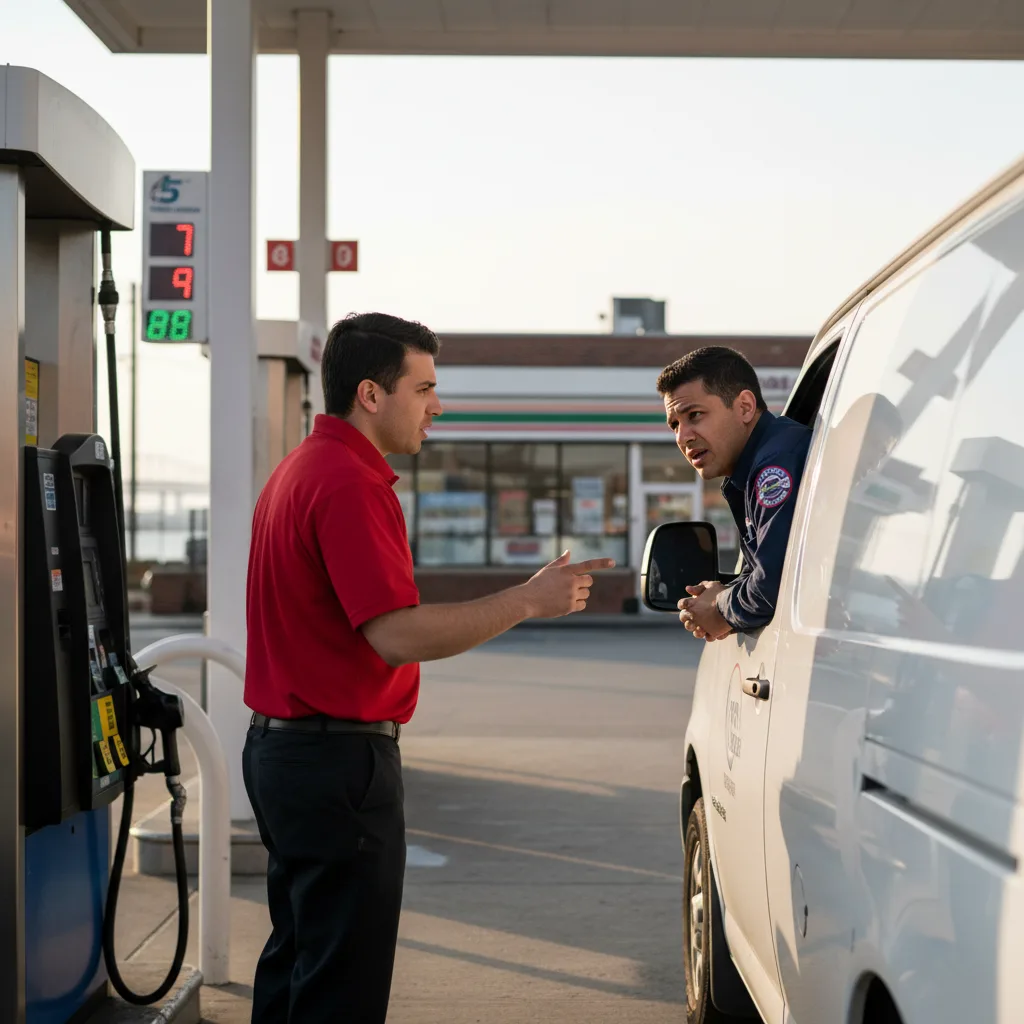
Cross Bay Boulevard Residents Anxious Over Strait of Hormuz Standoff
Cross Bay Boulevard residents are anxious as Iran's Strait of Hormuz stance threatens gas prices and local economy, affecting daily commutes and costs.
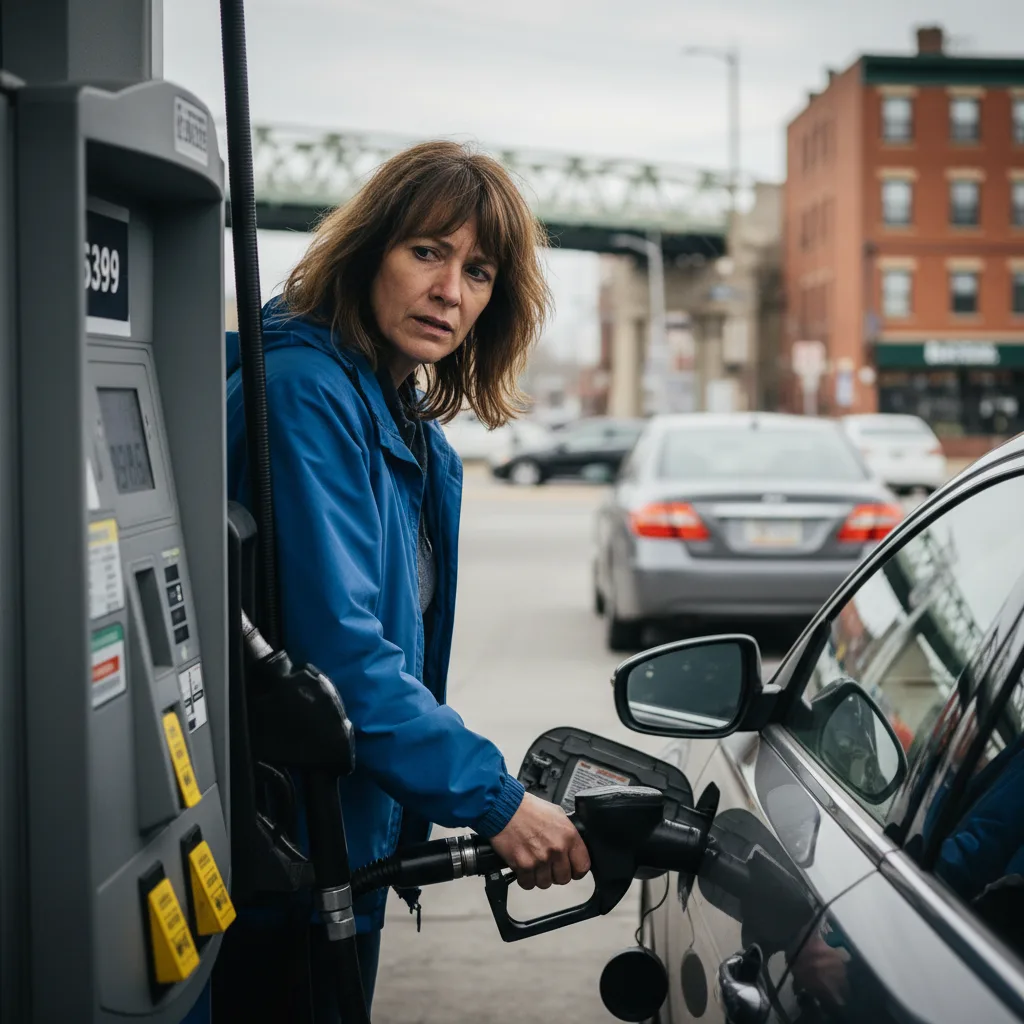
Cross Bay Boulevard Residents Concerned Over Yemen Airstrikes Impact on Economy 2026
Queens residents on Cross Bay Boulevard are concerned about rising gas prices and supply issues after Saudi airstrikes hit Yemen's capital on October 3, 2026. This impacts the local economy.
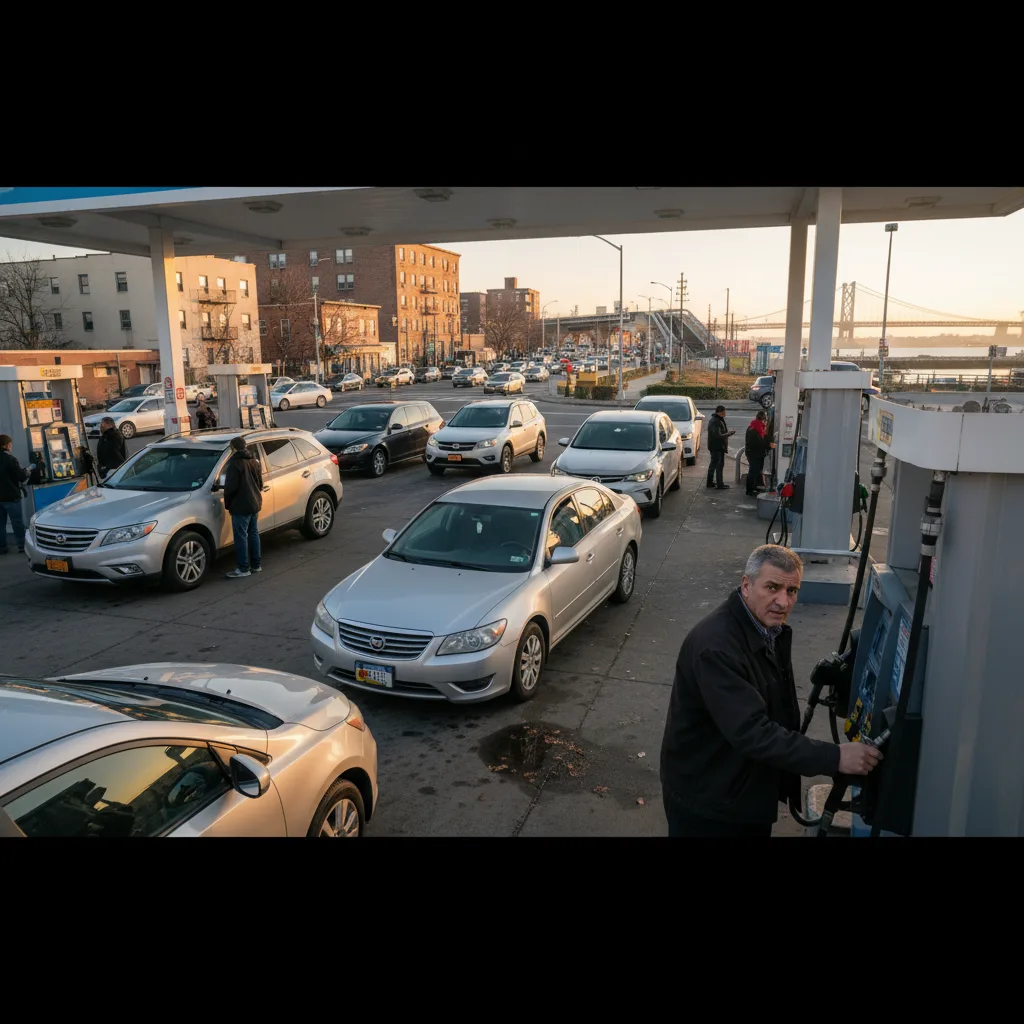
Cross Bay Residents Discuss Iran War Impact on Household Budgets
Cross Bay residents discuss the U.S.-Iran crisis impact on gas prices and household budgets, fearing a ripple effect on daily costs.

Your Essential Guide to Sandals Jamaica Montego Bay for Queens Travelers
Planning a luxurious escape? Our guide to Sandals Jamaica Montego Bay helps Queens residents plan the perfect all-inclusive, adults-only Caribbean getaway.
Your Guide to Exploring Jamaica Excursions from Montego Bay for Queens Travelers
Discover the best Jamaica excursions from Montego Bay for Queens residents, including top attractions, transportation tips, and what to pack for your adventure.