


Cross Bay Boulevard Businesses Face Rising Costs From Global Tensions

NEW YORK — Businesses along Cross Bay Boulevard are navigating a challenging economic landscape as global tensions continue to drive up operational costs. The discussions regarding the Strait of Hormuz and its potential closure, combined with ongoing regional conflicts, are creating significant financial headwinds for local enterprises.
From increased fuel prices for delivery vehicles to the rising cost of imported goods, the ripple effects of international events are profoundly felt at the local level. Queens business owners are actively seeking strategies to maintain profitability while serving their communities.
Fuel Surcharge Impacts Delivery Services
Local delivery services operating along Cross Bay Boulevard are being forced to consider fuel surcharges or absorb significantly higher operating costs. Gasoline prices, directly influenced by Middle East instability, remain a primary concern for companies reliant on transportation.
This increased expense can reduce profit margins for small businesses, making it harder to compete with larger chains. Some delivery drivers report working longer hours just to maintain their previous income levels, facing a growing economic squeeze.
Inflationary Pressures Hit Consumer Spending
Small business owners are observing a noticeable shift in consumer spending habits as inflation impacts household budgets. Discussions at local coffee shops and informal gatherings reveal anxieties about rising grocery and utility costs, which leave less discretionary income for other purchases.
"We're seeing customers being more cautious with their spending," remarked a restaurant owner on Cross Bay Boulevard. This trend puts pressure on local shops to offer competitive pricing and unique value propositions.
Supply Chain Instability Affects Inventory
Global supply chain instabilities, exacerbated by geopolitical conflicts, are causing delays and increased costs for inventory acquisition. Businesses that rely on imported goods or raw materials face unpredictable lead times and fluctuating prices.
This uncertainty necessitates careful inventory management and, in some cases, a pivot to local suppliers when possible. However, such transitions can also come with their own set of challenges and higher expenses.
Community Advocacy for Economic Relief
Local business associations and community boards are exploring avenues for economic relief and support programs. Discussions at the VFW hall, as highlighted by reports on community response to global economic shifts, include advocating for local tax breaks or grants.
These initiatives aim to buffer small businesses from the brunt of international economic pressures. The goal is to help them retain staff and continue providing essential services and products to Queens residents.
Adapting Business Models for Resilience
Many businesses along Cross Bay Boulevard are considering adaptive strategies to enhance their resilience. This includes exploring local sourcing options, optimizing energy consumption, and diversifying product offerings to appeal to changing consumer needs.
The long-term viability of these enterprises depends on their ability to innovate and respond effectively to a dynamic economic environment. Collaboration among business owners is also proving valuable in sharing insights and strategies.
Frequently Asked Questions About Cross Bay Businesses and Global Economy
How are Cross Bay Boulevard businesses directly affected by global tensions? They face higher operational costs due to increased fuel prices for deliveries, rising costs for imported inventory, and reduced consumer spending due to inflation. What specific impact are fuel costs having on local businesses? Businesses with delivery services or requiring significant transportation are seeing their profit margins shrink. Some are considering fuel surcharges, which can be unpopular with customers, or struggling to absorb the extra expense. How is consumer spending changing on Cross Bay Boulevard? Residents are becoming more budget-conscious due to inflation, especially concerning groceries and utilities. This means less discretionary spending, impacting non-essential businesses and restaurants. What support are local business groups seeking? Community boards and business associations are advocating for local economic relief measures, such as potential tax breaks, grants, or programs to help businesses manage rising costs and retain employees. Are businesses adapting their strategies? Yes, many are looking into local sourcing, improving energy efficiency, and diversifying their services or products. This proactive approach aims to build resilience against future economic shocks caused by global events.
Written by
Newstrix
Cross Bay News
Related Articles
More in Local Economy & Business →
Queens Residents Face Soaring Rent Hikes, Housing Scarcity Along Cross Bay
Queens residents, especially along Cross Bay Boulevard, face severe rent hikes and housing scarcity, mirroring international housing protests. Local families are struggling.
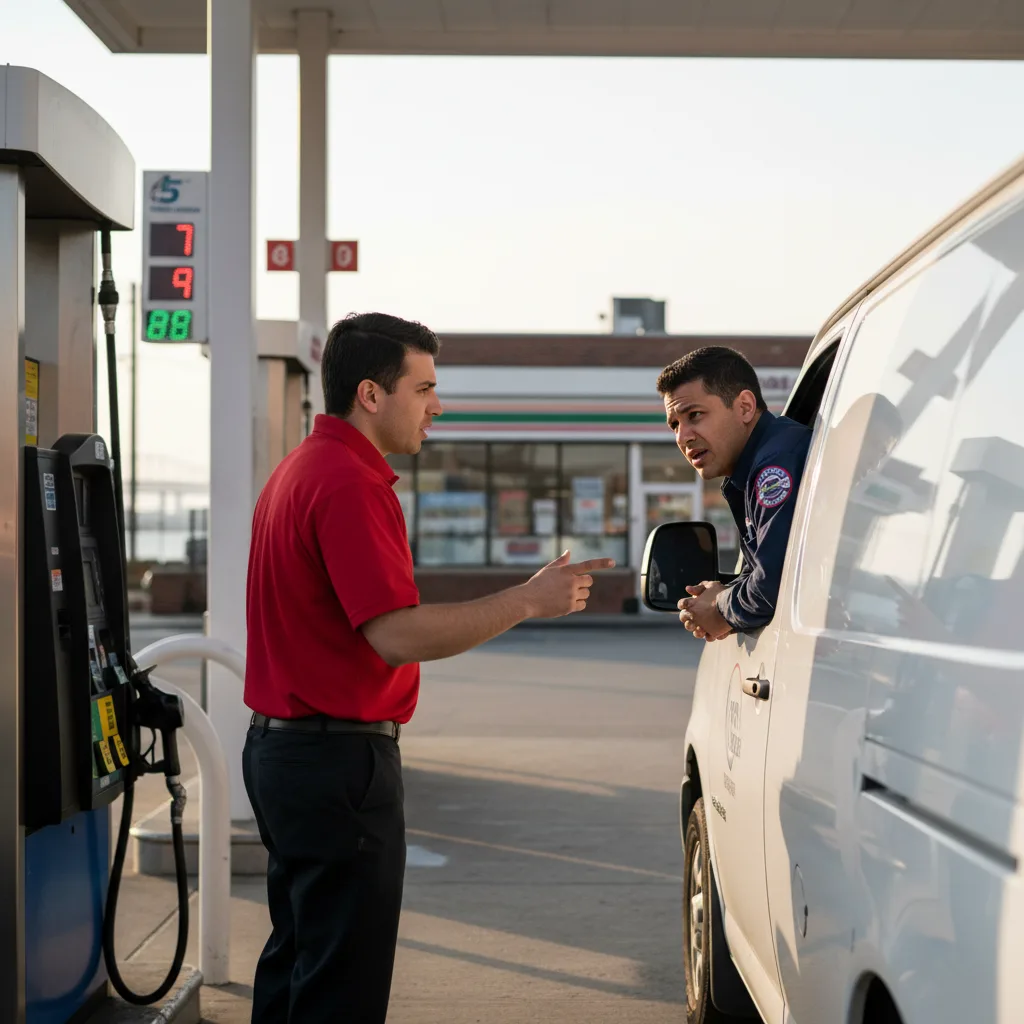
Cross Bay Boulevard Residents Anxious Over Strait of Hormuz Standoff
Cross Bay Boulevard residents are anxious as Iran's Strait of Hormuz stance threatens gas prices and local economy, affecting daily commutes and costs.

Cross Bay Boulevard Residents Concerned Over Yemen Airstrikes Impact on Economy 2026
Queens residents on Cross Bay Boulevard are concerned about rising gas prices and supply issues after Saudi airstrikes hit Yemen's capital on October 3, 2026. This impacts the local economy.
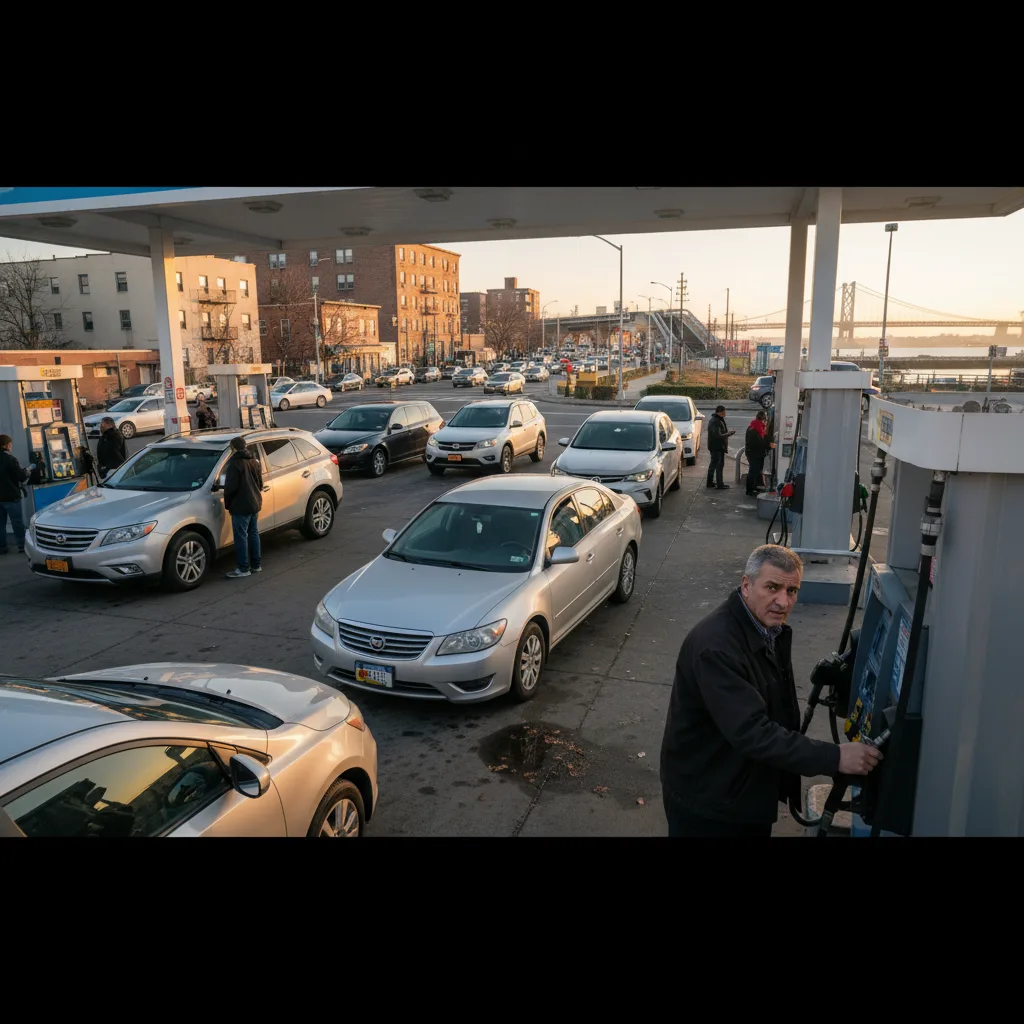
Cross Bay Residents Discuss Iran War Impact on Household Budgets
Cross Bay residents discuss the U.S.-Iran crisis impact on gas prices and household budgets, fearing a ripple effect on daily costs.

Your Essential Guide to Sandals Jamaica Montego Bay for Queens Travelers
Planning a luxurious escape? Our guide to Sandals Jamaica Montego Bay helps Queens residents plan the perfect all-inclusive, adults-only Caribbean getaway.

Your Guide to Exploring Jamaica Excursions from Montego Bay for Queens Travelers
Discover the best Jamaica excursions from Montego Bay for Queens residents, including top attractions, transportation tips, and what to pack for your adventure.