


Cross Bay Boulevard Businesses React to Global Fuel Spikes in Queens
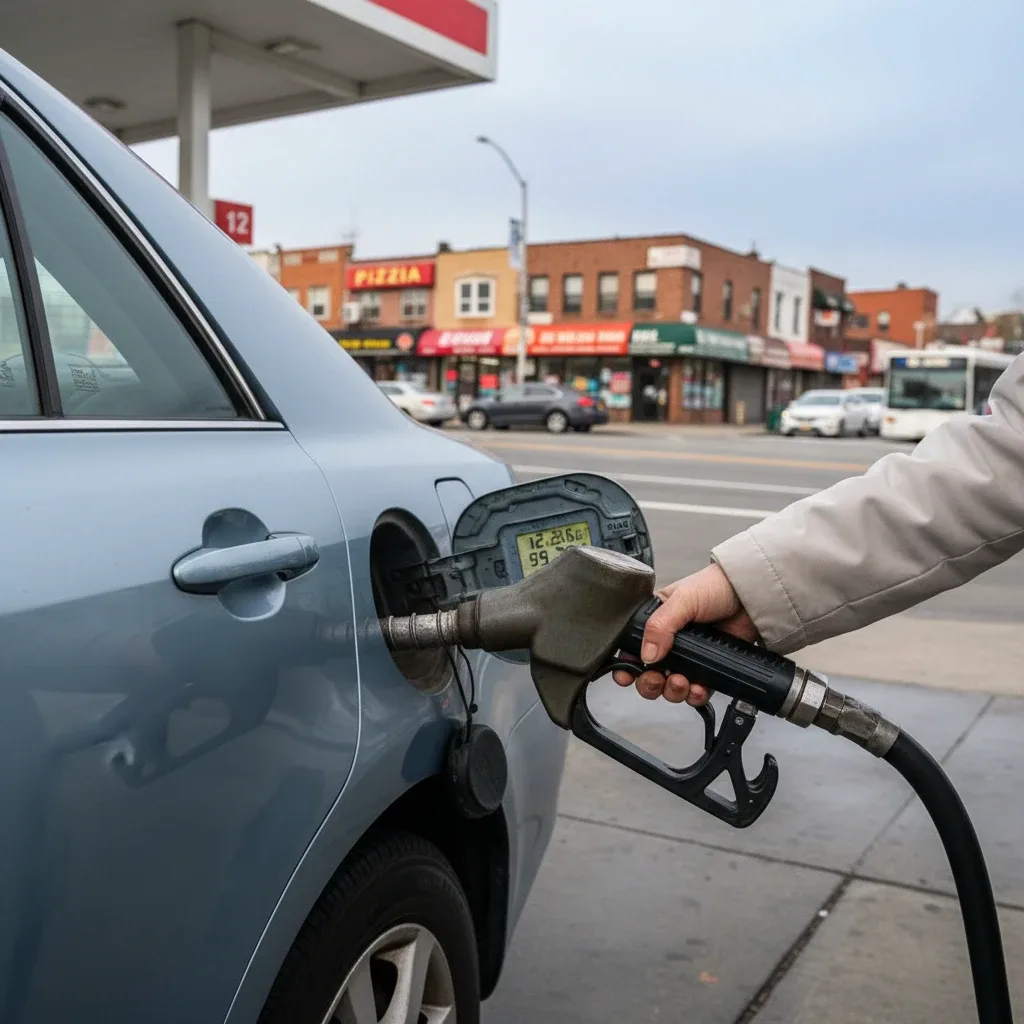
NEW YORK — Queens residents along Cross Bay Boulevard are deeply concerned about skyrocketing fuel and grocery prices, a direct consequence of the ongoing US-Iran conflict. The significant rise in operational costs is forcing local businesses to make tough decisions, directly impacting consumer prices and the overall economic landscape in the area.
Local Enterprises Grapple with Increased Fuel Costs
Local businesses lining Cross Bay Boulevard, from small mom-and-pop shops in Howard Beach to larger retailers in Ozone Park, are confronting unprecedented increases in their fuel expenses. Delivery-dependent services, such as local florists, bakeries, and dry cleaners, have seen their transportation costs jump by an average of 20% since the beginning of 2026, according to a recent survey by the Cross Bay Business Alliance.
This surge in fuel prices, driven by disruptions in global oil supplies stemming from the US-Iran conflict, directly translates to higher overheads. Businesses are faced with the difficult choice of absorbing these costs, reducing profit margins, or passing them on to consumers, further straining household budgets in Queens.
Supply Chain Pressures Affect Grocery Prices
The impact extends beyond fuel, with grocery prices also seeing substantial hikes due to global supply chain disruptions. International shipping costs have risen by an estimated 10-12% for many imported goods and even domestically sourced products requiring long-distance transport, according to trade reports.
Local supermarkets and food vendors along Cross Bay Boulevard are now paying more for their inventory. This is causing a noticeable increase in prices for staples like bread, milk, and fresh produce, a concern echoed by residents in communities such as Broad Channel and Rockaway Beach who frequent these establishments.
Community and Business Leaders Seek Solutions in Queens
Community and business leaders are actively engaging with city officials to explore potential relief measures. The Cross Bay Civic Association, representing thousands of local residents and business owners, has formally requested a meeting with Borough President Donovan Richards to discuss the economic crisis.
"Our local economy is the backbone of these neighborhoods, and it's under immense pressure," stated John Smith, President of the Cross Bay Civic Association, in a press release issued Wednesday. "We need strategic interventions to protect our businesses and ensure affordability for our families."
Consumer Spending Shifts Amidst Inflation
Rising costs are forcing a noticeable shift in consumer spending habits along Cross Bay Boulevard. Many residents are reporting that they are cutting back on non-essential purchases and seeking out discount options, impacting the revenue of non-food retailers and service providers.
Families are prioritizing essential goods, while discretionary spending on dining out or entertainment has seen a decline. This economic conservatism is creating a challenging environment for businesses reliant on local patronage, impacting the overall vitality of the commercial corridor in Queens.
The Broader Economic Outlook for Queens 2026
The economic forecast for the remainder of 2026 suggests continued volatility, with global events dictating local market conditions. Analysts from the NYC Department of Finance predict that sustained high fuel prices and supply chain issues could dampen economic growth across the borough, especially in areas like Cross Bay Boulevard which are vital transportation hubs.
Businesses are being encouraged to explore energy-efficient solutions and local sourcing options where possible to mitigate some of the external pressures. The resilience of Queens' diverse economic base will be tested in the months ahead as these global challenges persist.
Frequently Asked Questions
What types of assistance are Cross Bay Boulevard businesses seeking from local government to alleviate these economic pressures? Businesses are primarily seeking tax relief, small business grants, and potential subsidies for operational costs like fuel and utilities from local government. They also hope for streamlined processes for permits and licenses to reduce administrative burdens during these challenging times.
How is the increase in fuel and grocery prices specifically affecting families in neighborhoods around Cross Bay Boulevard? Families are experiencing a direct increase in their cost of living, with higher expenses for daily commutes, household deliveries, and weekly food purchases. This financial squeeze is leading to reduced disposable income, affecting recreational activities and discretionary spending on local services and goods.
Written by
Newstrix
Cross Bay News
Related Articles
More in Local Economy & Business →
Queens Residents Face Soaring Rent Hikes, Housing Scarcity Along Cross Bay
Queens residents, especially along Cross Bay Boulevard, face severe rent hikes and housing scarcity, mirroring international housing protests. Local families are struggling.
Cross Bay Boulevard Residents Anxious Over Strait of Hormuz Standoff
Cross Bay Boulevard residents are anxious as Iran's Strait of Hormuz stance threatens gas prices and local economy, affecting daily commutes and costs.
Cross Bay Boulevard Residents Concerned Over Yemen Airstrikes Impact on Economy 2026
Queens residents on Cross Bay Boulevard are concerned about rising gas prices and supply issues after Saudi airstrikes hit Yemen's capital on October 3, 2026. This impacts the local economy.
Cross Bay Residents Discuss Iran War Impact on Household Budgets
Cross Bay residents discuss the U.S.-Iran crisis impact on gas prices and household budgets, fearing a ripple effect on daily costs.

Your Essential Guide to Sandals Jamaica Montego Bay for Queens Travelers
Planning a luxurious escape? Our guide to Sandals Jamaica Montego Bay helps Queens residents plan the perfect all-inclusive, adults-only Caribbean getaway.
Your Guide to Exploring Jamaica Excursions from Montego Bay for Queens Travelers
Discover the best Jamaica excursions from Montego Bay for Queens residents, including top attractions, transportation tips, and what to pack for your adventure.