


Cross Bay Boulevard Businesses Face Skyrocketing Costs in Queens
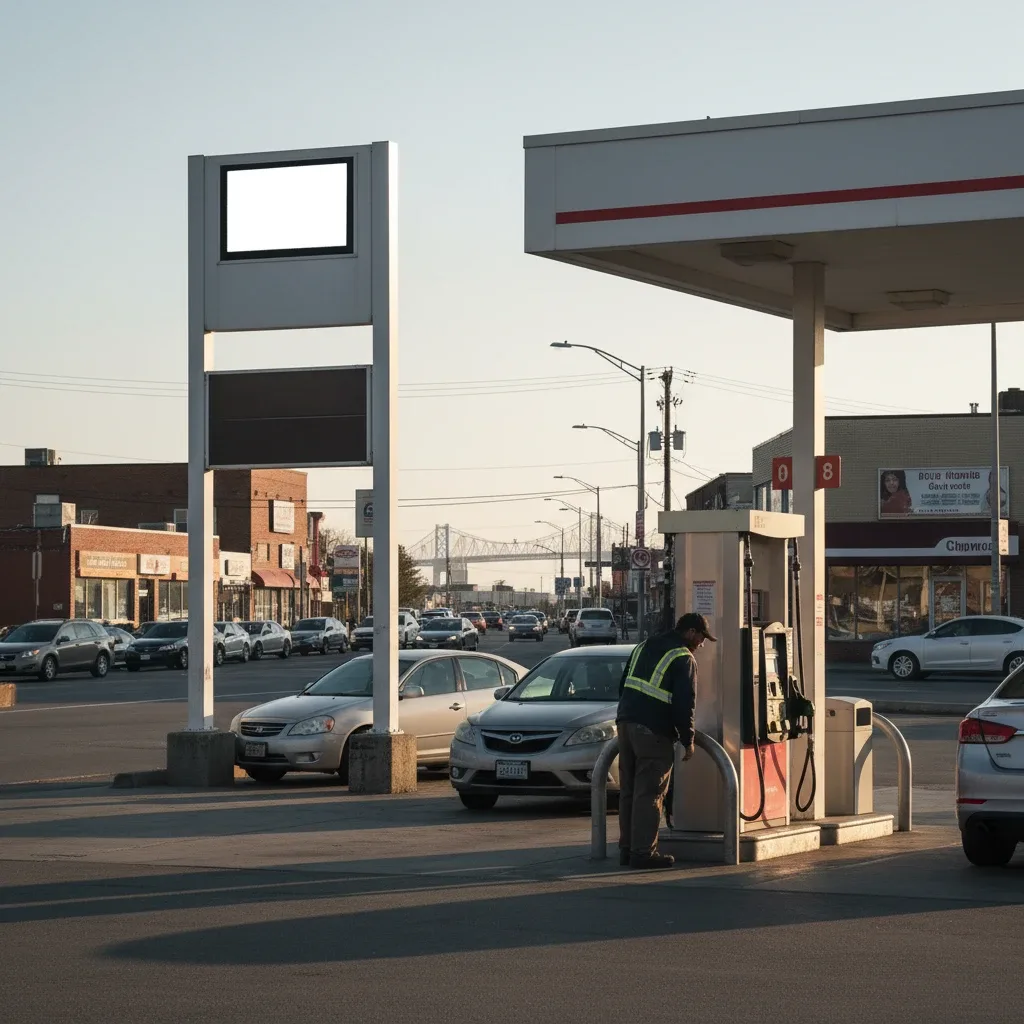
NEW YORK — Queens residents and local businesses along Cross Bay Boulevard are experiencing significant financial strain this week due to skyrocketing fuel and grocery prices. This economic pressure directly stems from escalating global conflicts, specifically the ongoing US-Iran conflict, impacting supply chains and commodity markets.
Unprecedented Price Hikes for Cross Bay Businesses
The cost of essential goods and services has seen an unprecedented surge, forcing many small businesses along Cross Bay Boulevard to re-evaluate their operating models. Gasoline prices at local stations have climbed nearly 15% in the last month, according to data from AAA, directly affecting delivery services and commuter budgets.
Grocery store owners in neighborhoods like Howard Beach and Ozone Park are grappling with increased wholesale prices for fresh produce and packaged goods. These rising costs are creating a ripple effect, potentially leading to higher consumer prices and reduced purchasing power for area families.
Local Impact of Global Conflict on Queens Economy
Queens' vibrant local economy is particularly susceptible to global market fluctuations given its diverse business landscape and reliance on efficient transportation networks. The US-Iran conflict, specifically, has disrupted global oil supplies and international shipping routes, causing a domino effect on various sectors, as detailed by Cross Bay News reporting on business costs.
"We've had to absorb so much of the increase just to keep our customers coming through the door," said Maria Rodriguez, owner of a deli on Cross Bay Boulevard, speaking to reporters on Wednesday. "But there's only so much we can take before we have to raise our menu prices, and that hurts everyone."
Strategies for Local Business Survival in 2026
Local business associations are meeting to discuss mitigation strategies, including collective purchasing and advocacy for government relief programs. The Cross Bay Boulevard Business Association is exploring options such as negotiating with suppliers and collaborating on local delivery networks to reduce fuel expenses.
Several businesses are also considering adjusting their hours of operation or streamlining their menus to manage rising ingredient costs. The goal is to minimize the impact on consumers while ensuring the long-term viability of their establishments in a challenging economic climate.
Community Concerns Over Daily Expenses
For families living near Cross Bay Boulevard, the soaring costs translate directly into increased household budgets for daily essentials. A typical family's weekly grocery bill has risen by an estimated $30-$50, local surveys suggest, while commuting expenses have likewise seen a substantial jump.
This squeeze on disposable income affects other sectors of the local economy, from recreational activities to discretionary spending at local shops. The community's financial resilience is being tested as global events continue to reshape local economic realities in 2026.
Government Response and Future Outlook
City Council representatives for Queens have acknowledged the severe challenges faced by residents and businesses. Discussions are underway regarding potential local subsidies or tax relief programs, though immediate solutions remain elusive. They are also advocating at the state and federal levels for broader economic support measures.
The future outlook for Cross Bay Boulevard businesses remains uncertain, closely tied to the resolution of international conflicts and the stabilization of global markets. Until then, local entrepreneurs are adapting, and the community is seeking ways to support its cherished neighborhood establishments.
Frequently Asked Questions
What are the primary drivers behind the skyrocketing costs affecting Cross Bay Boulevard businesses? The primary drivers are global geopolitical factors, particularly the US-Iran conflict, which has caused significant disruptions in the international oil supply and shipping logistics, leading to elevated fuel and import costs. This directly translates to higher operational expenses for local businesses and increased consumer prices.
Are there any local government initiatives planned to support businesses struggling with these rising costs? Local City Council members are currently in discussions to explore various support mechanisms, including potential local subsidies or tax relief programs for businesses along Cross Bay Boulevard. They are also actively communicating with state and federal officials to advocate for broader economic assistance tailored to areas affected by global market volatility.
Written by
Newstrix
Cross Bay News
Related Articles
More in Local Economy & Business →
Queens Residents Face Soaring Rent Hikes, Housing Scarcity Along Cross Bay
Queens residents, especially along Cross Bay Boulevard, face severe rent hikes and housing scarcity, mirroring international housing protests. Local families are struggling.
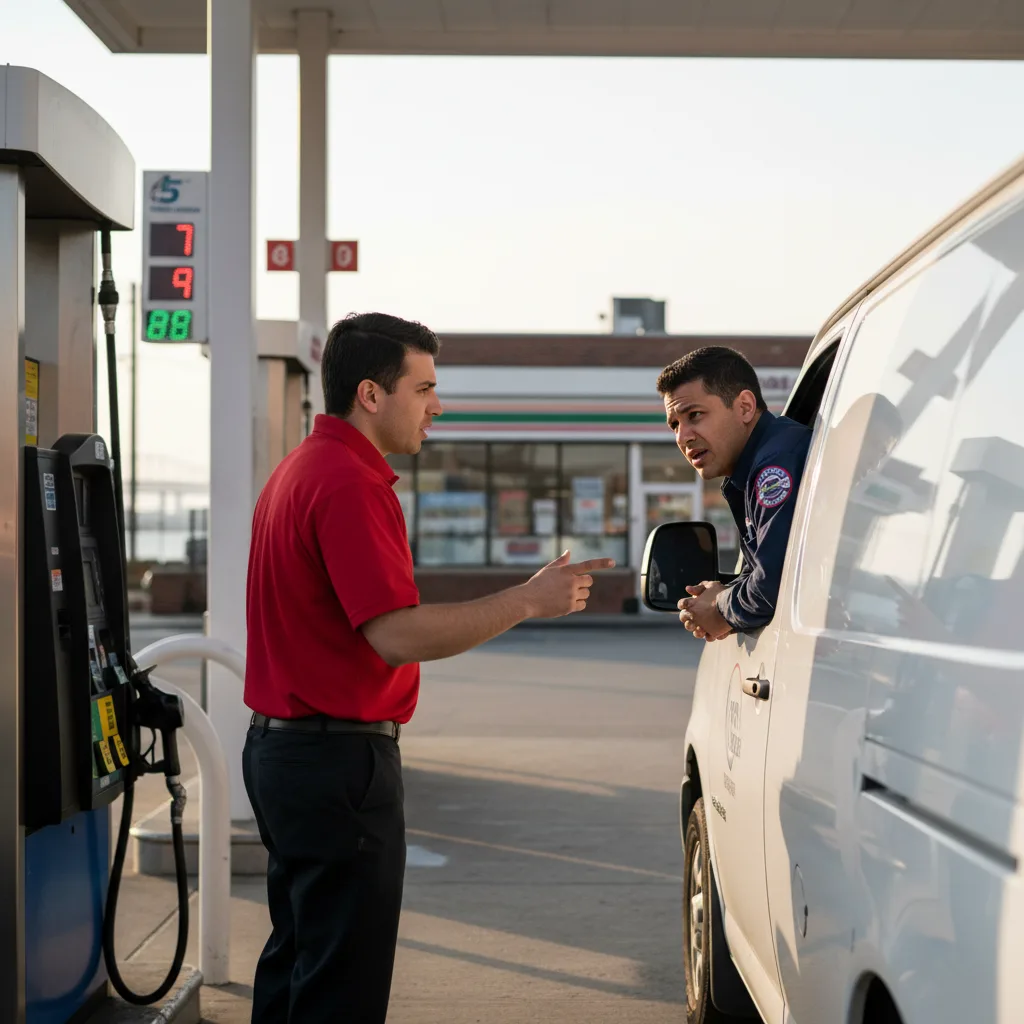
Cross Bay Boulevard Residents Anxious Over Strait of Hormuz Standoff
Cross Bay Boulevard residents are anxious as Iran's Strait of Hormuz stance threatens gas prices and local economy, affecting daily commutes and costs.
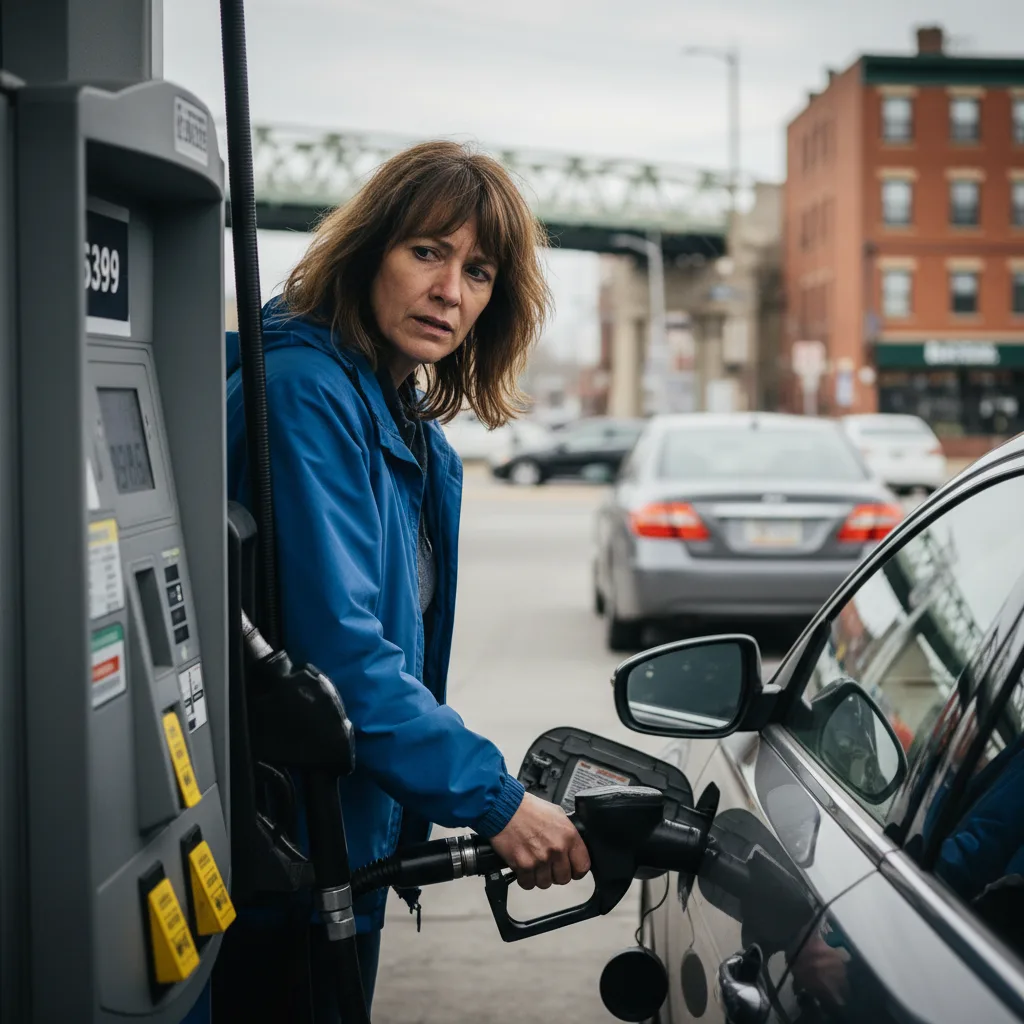
Cross Bay Boulevard Residents Concerned Over Yemen Airstrikes Impact on Economy 2026
Queens residents on Cross Bay Boulevard are concerned about rising gas prices and supply issues after Saudi airstrikes hit Yemen's capital on October 3, 2026. This impacts the local economy.
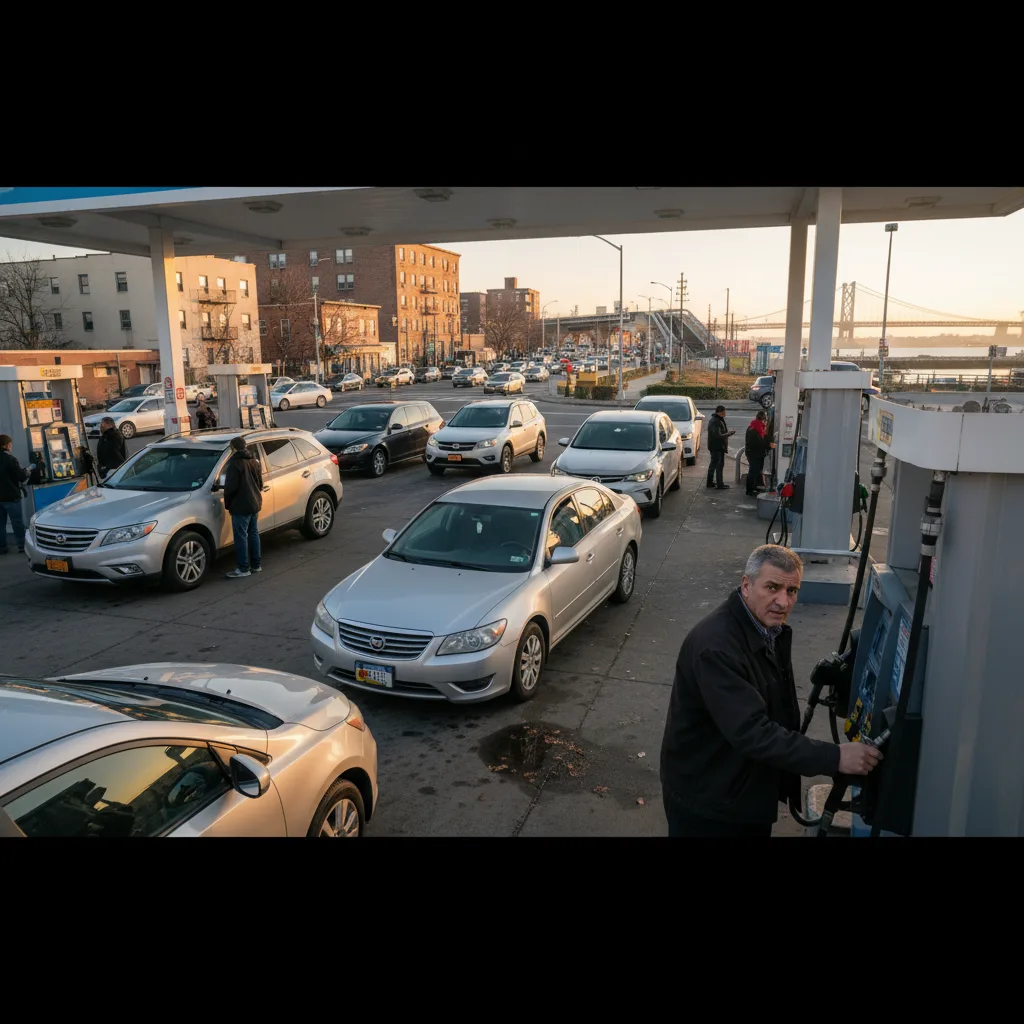
Cross Bay Residents Discuss Iran War Impact on Household Budgets
Cross Bay residents discuss the U.S.-Iran crisis impact on gas prices and household budgets, fearing a ripple effect on daily costs.

Your Essential Guide to Sandals Jamaica Montego Bay for Queens Travelers
Planning a luxurious escape? Our guide to Sandals Jamaica Montego Bay helps Queens residents plan the perfect all-inclusive, adults-only Caribbean getaway.

Your Guide to Exploring Jamaica Excursions from Montego Bay for Queens Travelers
Discover the best Jamaica excursions from Montego Bay for Queens residents, including top attractions, transportation tips, and what to pack for your adventure.