


Cross Bay Boulevard Faces Economic Strain Amid Iran War Escalation

NEW YORK — The escalating US-Iran conflict has begun to inflict tangible economic hardship on residents and businesses along Cross Bay Boulevard in Queens, with rising global oil prices directly impacting household budgets. Recent Israeli airstrikes, which reportedly killed two senior Iranian officials, have intensified the conflict, leading to significant global casualties and supply chain disruptions that reverberate locally. Over 1,200 people have been killed in Iran, alongside 13 US service members, and hundreds in Lebanon, according to various reports.
The global instability has translated into doubled gas bills and soaring grocery costs for families in Howard Beach and Broad Channel. The Strait of Hormuz blockade, a critical chokepoint for oil supplies, continues to exacerbate the situation, fueling fears of further price hikes and resource scarcity. The local community's reactions range from frustration at gas pumps to fervent discussions in coffee shops, reflecting deep concern over their financial futures.
Global Conflict's Local Economic Fallout
The distant conflict's economic ripples are now plainly visible on the streets of Cross Bay Boulevard. Cab drivers like Manny from Howard Beach report that their gas bills have more than doubled in recent weeks, severely cutting into their daily earnings. This direct impact on essential services highlights the vulnerability of local economies to international events. Manny's exasperation, stating "This oil mess is why my gas bill doubled—Trump better end it quick," captures a widespread sentiment.
Local delis and supermarkets are observing shifts in consumer behavior as families grapple with higher prices. Residents are reportedly stocking up on essentials, anticipating further price increases and potential shortages. This pre-emptive buying, while understandable, can contribute to further demand-driven inflation, creating a challenging cycle for local businesses and consumers alike.
Community Anxieties and Public Discourse
At coffee shops along Cross Bay Boulevard, Queens residents are glued to television screens, closely following updates on casualty figures and geopolitical developments. The human cost of the war, coupled with its economic consequences, has become a dominant topic of conversation. The community response highlights a sense of urgency and a desire for political resolution.
Facebook groups dedicated to Cross Bay News are buzzing with discussions, particularly among Italian-American seniors who draw parallels to past conflicts. Debates over whether this is "another Iraq" are common, with many urging younger generations to avoid military enlistment talks. These online forums serve as vital spaces for residents to share information, vent frustrations, and seek communal understanding, as observed in community responses cited by GoLocalProv.com.
The Strait of Hormuz Blockade's Local Impact
Iran's continued drone attacks, including one on the US embassy in Baghdad, and the strategic blockade of the Strait of Hormuz are key factors driving global oil price volatility. This blockade, impacting a significant portion of the world's oil supply, directly translates to higher costs at the pump for Cross Bay Boulevard residents. The geopolitical maneuvering has direct and immediate consequences for local households and transportation-dependent businesses.
The disruption to global oil supplies has led to widespread energy rationing concerns. For Queens families, this means not only higher fuel costs but also increased prices for goods transported via fossil fuels. This broad economic pressure is forcing many to re-evaluate their spending habits and seek more affordable alternatives for daily necessities.
Calls for Resolution and Local Adaptations
Amidst the rising costs and anxieties, there's a strong call for a swift resolution to the conflict from the Cross Bay community. Residents and local business owners express hope for diplomatic solutions that would stabilize global markets and alleviate domestic economic pressures. The ongoing war, without a quick victory, continues to fuel uncertainty and fear.
In the interim, local initiatives are emerging to help residents cope. Some community centers are offering workshops on budgeting and energy conservation, while neighbors are increasingly engaging in carpooling arrangements. These grassroots efforts underscore the community's resilience in the face of external economic shocks. The collective experience of rising costs is fostering new forms of local solidarity, despite the challenging circumstances, as detailed in the GoLocalProv.com report.
Understanding the Broader Geopolitical Context
The conflict's escalation, marked by significant casualties and strategic moves like Israel's recent airstrikes, creates a complex geopolitical landscape. These international events, though seemingly distant, directly influence the global economic environment that impacts Cross Bay Boulevard. Understanding the interconnectedness of global politics and local economics is crucial for residents to contextualize their current challenges.
Experts suggest that the conflict's trajectory will continue to dictate global commodity prices, including oil. This means that until a substantial de-escalation occurs, residents should prepare for continued economic volatility. The world is indeed fixed on the rising death toll and fears of broader regional escalation, creating an uncertain future for economies everywhere, including Queens.
Frequently Asked Questions by Cross Bay Boulevard Residents
Residents along Cross Bay Boulevard frequently ask about the direct causes of the current economic strain and how long these conditions are expected to persist. Many are concerned about the specific impact of the Strait of Hormuz blockade on fuel and grocery prices, seeking clarification on its mechanisms and potential resolution. There are also numerous inquiries about government assistance programs or local initiatives that could help offset the rising cost of living, particularly for fixed-income households and small businesses. Community members often express a desire to understand the broader international political landscape and how their voices can contribute to advocating for peace and economic stability. Local officials are working to provide up-to-date information and connect residents with available resources.
Written by
Newstrix
Cross Bay News
Related Articles
More in Local Economy & Business →
Queens Residents Face Soaring Rent Hikes, Housing Scarcity Along Cross Bay
Queens residents, especially along Cross Bay Boulevard, face severe rent hikes and housing scarcity, mirroring international housing protests. Local families are struggling.
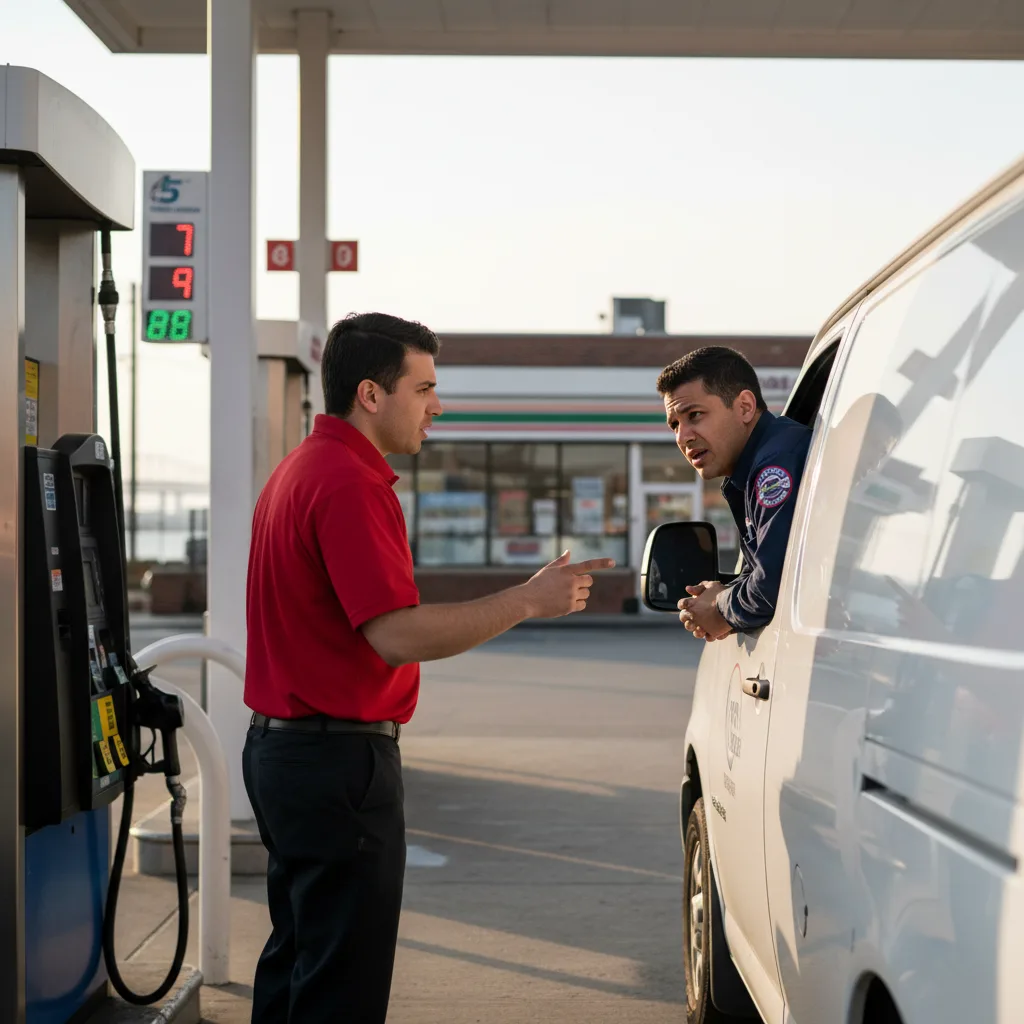
Cross Bay Boulevard Residents Anxious Over Strait of Hormuz Standoff
Cross Bay Boulevard residents are anxious as Iran's Strait of Hormuz stance threatens gas prices and local economy, affecting daily commutes and costs.
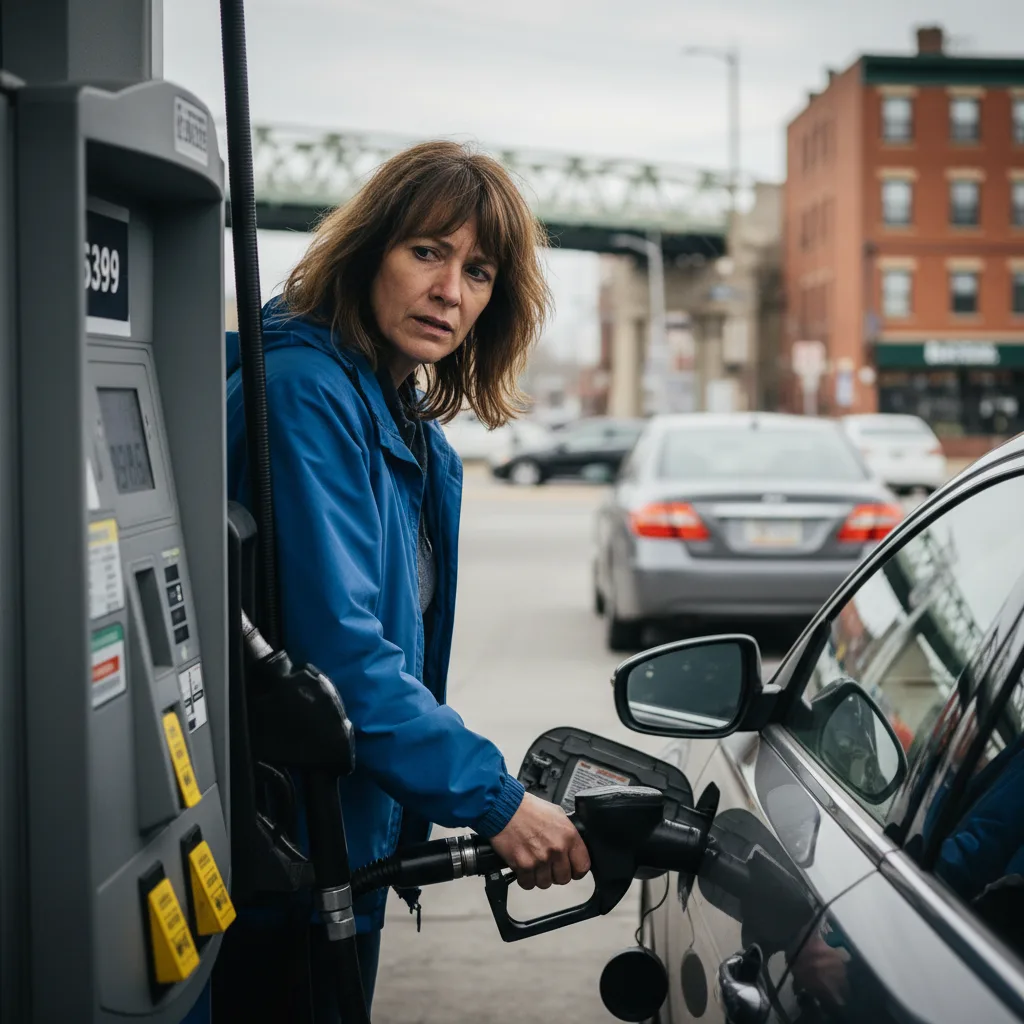
Cross Bay Boulevard Residents Concerned Over Yemen Airstrikes Impact on Economy 2026
Queens residents on Cross Bay Boulevard are concerned about rising gas prices and supply issues after Saudi airstrikes hit Yemen's capital on October 3, 2026. This impacts the local economy.
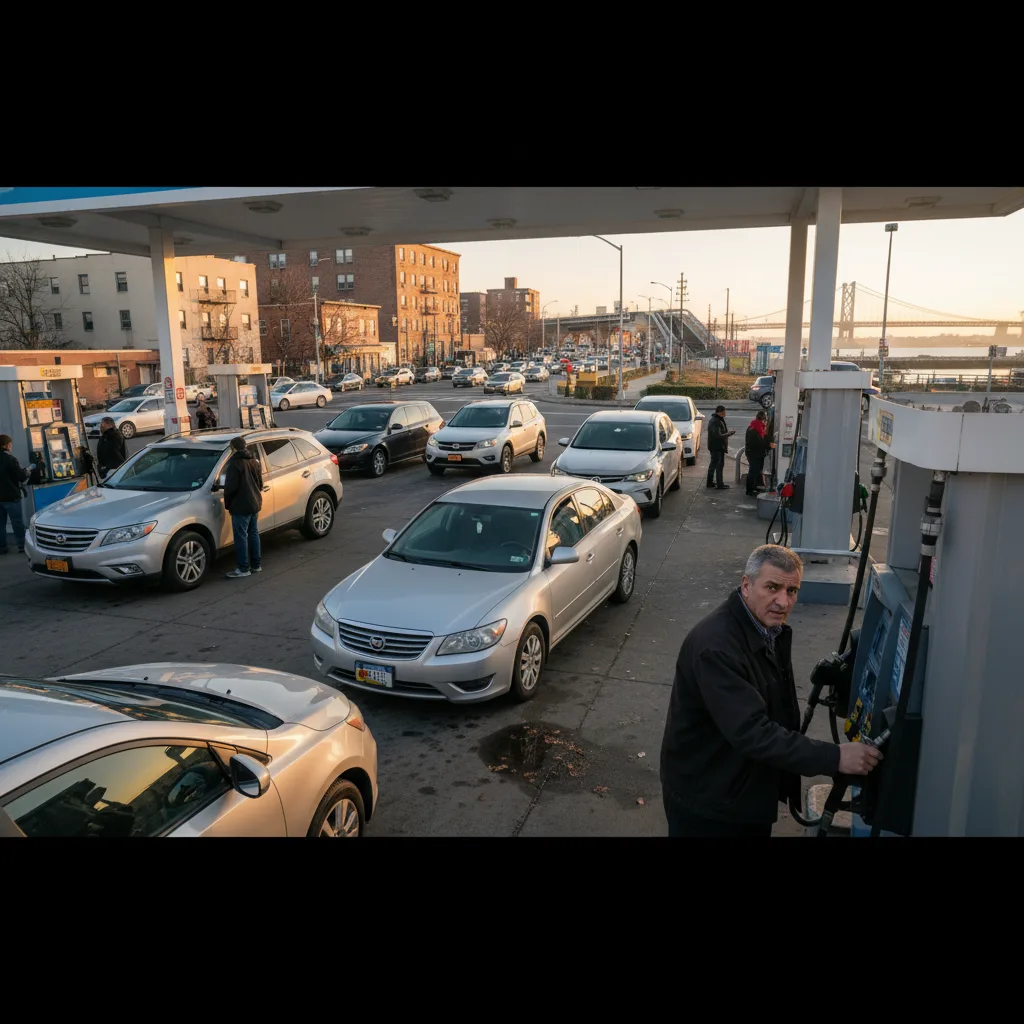
Cross Bay Residents Discuss Iran War Impact on Household Budgets
Cross Bay residents discuss the U.S.-Iran crisis impact on gas prices and household budgets, fearing a ripple effect on daily costs.

Your Essential Guide to Sandals Jamaica Montego Bay for Queens Travelers
Planning a luxurious escape? Our guide to Sandals Jamaica Montego Bay helps Queens residents plan the perfect all-inclusive, adults-only Caribbean getaway.
Your Guide to Exploring Jamaica Excursions from Montego Bay for Queens Travelers
Discover the best Jamaica excursions from Montego Bay for Queens residents, including top attractions, transportation tips, and what to pack for your adventure.