


Cross Bay Boulevard Gas Prices Jump 40 Cents Post-Hormuz Incidents

NEW YORK — Drivers along Cross Bay Boulevard in Queens woke up this week to a sudden and significant increase at the pump, with gas prices spiking by an average of 40 cents per gallon overnight. This sharp surge follows recent reports of attacks in the Strait of Hormuz, a critical global shipping lane for oil.
Local gas stations, from the busy stretch near the Belt Parkway entrance to those further south in Broad Channel, adjusted their prices, leaving many commuters feeling the immediate pinch. The rapid escalation underscores how quickly geopolitical events can ripple down to impact neighborhood pocketbooks in southeast Queens.
Geopolitical Tensions Directly Impacting Local Fuel Costs
The unexpected price hike, first reported by Cross Bay Current, saw regular unleaded gasoline jump from approximately $3.99 per gallon to well over $4.39 at multiple stations. The shift occurred within hours of news detailing renewed tensions and alleged attacks on tankers in the Strait of Hormuz, a narrow waterway connecting the Persian Gulf to the open sea.
Admiral John Aquilino, commander of U.S. Central Command, confirmed early Tuesday that several vessels had sustained damage in what appeared to be targeted assaults. He described the incidents as "unacceptable acts of aggression" during a press briefing, directly attributing the instability to the current global climate impacting oil transit.
Long-time Broad Channel resident Maria Rodriguez, a retired schoolteacher who now drives for a ride-sharing service, expressed her frustration at the Shell station near 160th Avenue. “Forty cents in one night? That’s my morning coffee, gone,” Rodriguez told reporters while filling her sedan. “Every time something happens overseas, we pay for it right here on Cross Bay Boulevard. It’s becoming a pattern.”
Commuter Reactions and Economic Strain in Queens
The ripple effects of increased fuel prices are particularly pronounced in communities like those along Cross Bay Boulevard, where many residents rely heavily on personal vehicles for commuting, work, and daily errands. Limited public transportation options for some routes mean higher gas costs directly translate to higher living expenses.
Mark Chen, owner of a small landscaping business operating out of Howard Beach, explained the immediate financial pressure. “My crews use three trucks every day, burning a lot of fuel to get to jobs across Queens and Nassau County,” Chen said. “An extra 40 cents a gallon translates to hundreds more dollars a week in operating costs. That’s money that comes straight out of my profit margin, or I have to pass it on to my customers, which no one wants to do.”
The Queens Chamber of Commerce released a statement advising local businesses to monitor fuel market volatility closely. Thomas J. Grech, President & CEO of the Queens Chamber of Commerce, noted that while the impact was currently manageable, prolonged spikes could affect consumer spending. “We understand the concerns of our members and residents,” Grech stated. “Our local economy is resilient, but sustained pressure from external factors like this can certainly challenge small business owners and families.”
Historical Precedents and Market Volatility
Experts point to the Strait of Hormuz as a historical flashpoint for global energy markets. Approximately 20% of the world's total petroleum liquids consumption, or about 21 million barrels per day, passed through the strait in 2023, according to data from the U.S. Energy Information Administration. Any disruption, real or perceived, sends immediate jitters through oil futures markets.
Similar spikes have occurred in the past during periods of heightened tension in the Middle East, albeit often with differing triggers. For example, during the early 2000s, specific regional conflicts caused crude oil prices to fluctuate wildly, directly translating to higher prices at pumps nationwide, including here in New York City.
Energy analysts at S&P Global Platts indicated that crude oil benchmarks, like Brent and WTI, saw increases of 3-5% following the latest incidents. This upward trend typically filters down to retail gasoline prices within 24-48 hours, as seen with the Cross Bay Boulevard stations.
Official Responses and Consumer Outlook for 2026
New York State’s Department of Taxation and Finance monitors gasoline prices and related taxes but has no direct control over market fluctuations driven by global events. A spokesperson for Governor Kathy Hochul’s office noted that the administration is "watching the situation closely" and remains committed to alleviating cost burdens on New Yorkers.
For consumers, the outlook for gasoline prices in the coming weeks remains uncertain. Analysts suggest that continued geopolitical instability could keep prices elevated, while a de-escalation of tensions might bring some relief. However, the summer driving season, traditionally a period of higher demand, could compound any existing price pressures.
Many residents are already making adjustments. Frank DeLuca, a retired NYPD officer walking his dog near Charles Memorial Park, commented, “I’m cutting back on trips to Costco out in Long Island. Now it’s all about staying local, buying what I need right here in the neighborhood. Every dollar counts, especially when you’re on a fixed income.”
Preparing for Future Price Swings: What Cross Bay Boulevard Residents Can Do
In response to the volatile market, consumer advocacy groups are urging drivers to adopt fuel-efficient habits and explore alternative transportation when possible. This includes carpooling, consolidating trips, and regularly maintaining vehicles to ensure optimal gas mileage. The Department of Energy provides resources on improving fuel economy, including tips on tire pressure and driving habits. You can learn more about fuel efficiency tips here.
Additionally, some financial advisors recommend setting aside a small emergency fund specifically for unexpected cost increases like these. This proactive approach can help buffer the impact of sudden market shifts, which appear to be an increasingly regular feature of the global economy. As residents navigate these economic challenges, community solidarity and resourcefulness continue to define life along Cross Bay Boulevard.
Frequently Asked Questions About Queens Gas Prices
Why did gas prices on Cross Bay Boulevard increase so suddenly? Gas prices jumped primarily due to reports of attacks in the Strait of Hormuz, a critical oil shipping route. Global oil markets reacted swiftly to the perceived threat to supply, causing crude oil prices to rise, which then translates to higher pump prices locally within a day or two.
What is the Strait of Hormuz and why is it important to gas prices? The Strait of Hormuz is a narrow waterway through which a significant portion of the world's oil supply passes daily. Any disruption or threat to shipping in this strait causes global oil prices to fluctuate dramatically due to concerns about supply shortages, impacting what drivers pay at the gas station.
What can Queens residents expect for gas prices in 2026? The short-term outlook for gas prices is highly dependent on geopolitical stability in the Middle East. If tensions escalate, prices could remain elevated or increase further. Conversely, de-escalation might bring some relief. The upcoming summer driving season could also contribute to higher demand and prices.
Are there any state or local initiatives to help with high gas prices in Queens? While New York State monitors prices, it does not directly control market fluctuations. The Governor's office typically expresses commitment to affordability but direct relief measures for fuel prices are uncommon. Residents are encouraged to adopt fuel-saving practices and check local resources for economic assistance programs.
Written by
Newstrix
Cross Bay News
Related Articles
More in Local Economy & Business →Queens Residents Face Soaring Rent Hikes, Housing Scarcity Along Cross Bay
Queens residents, especially along Cross Bay Boulevard, face severe rent hikes and housing scarcity, mirroring international housing protests. Local families are struggling.
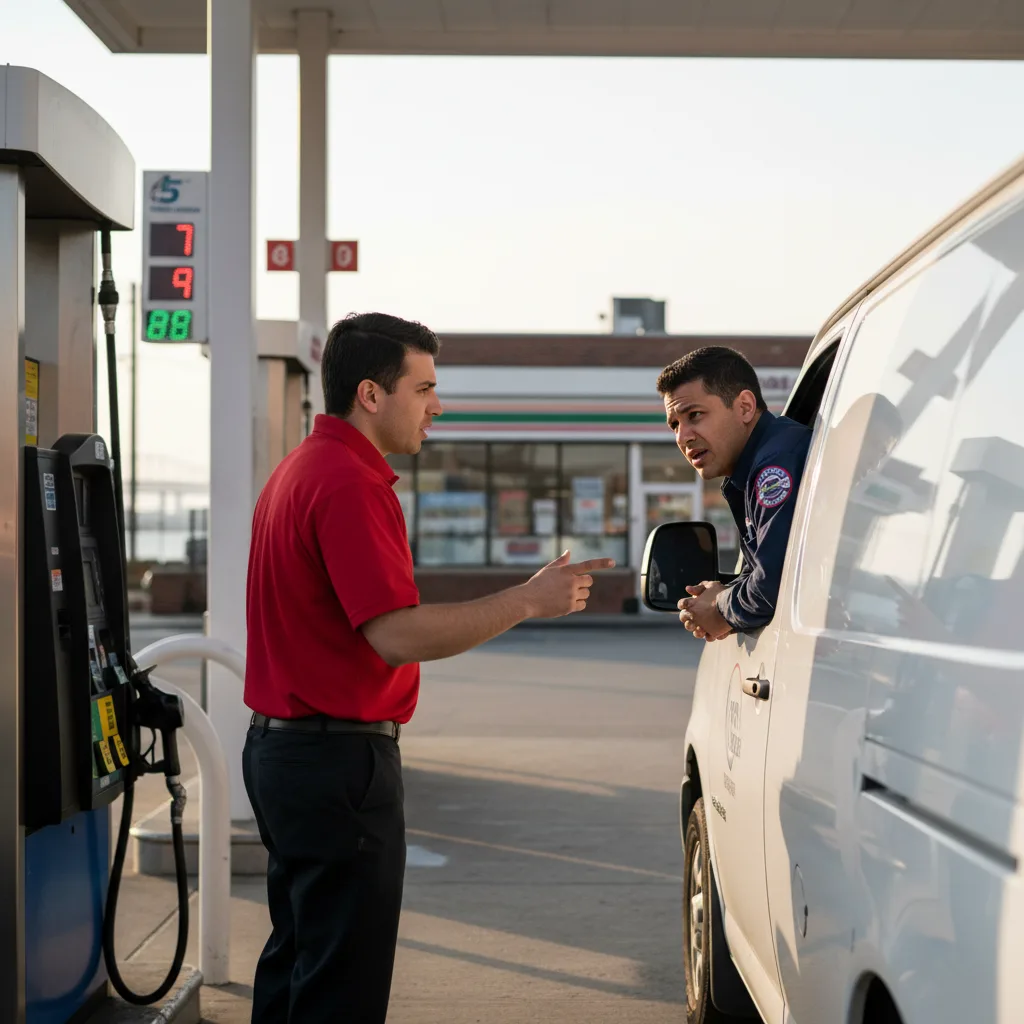
Cross Bay Boulevard Residents Anxious Over Strait of Hormuz Standoff
Cross Bay Boulevard residents are anxious as Iran's Strait of Hormuz stance threatens gas prices and local economy, affecting daily commutes and costs.
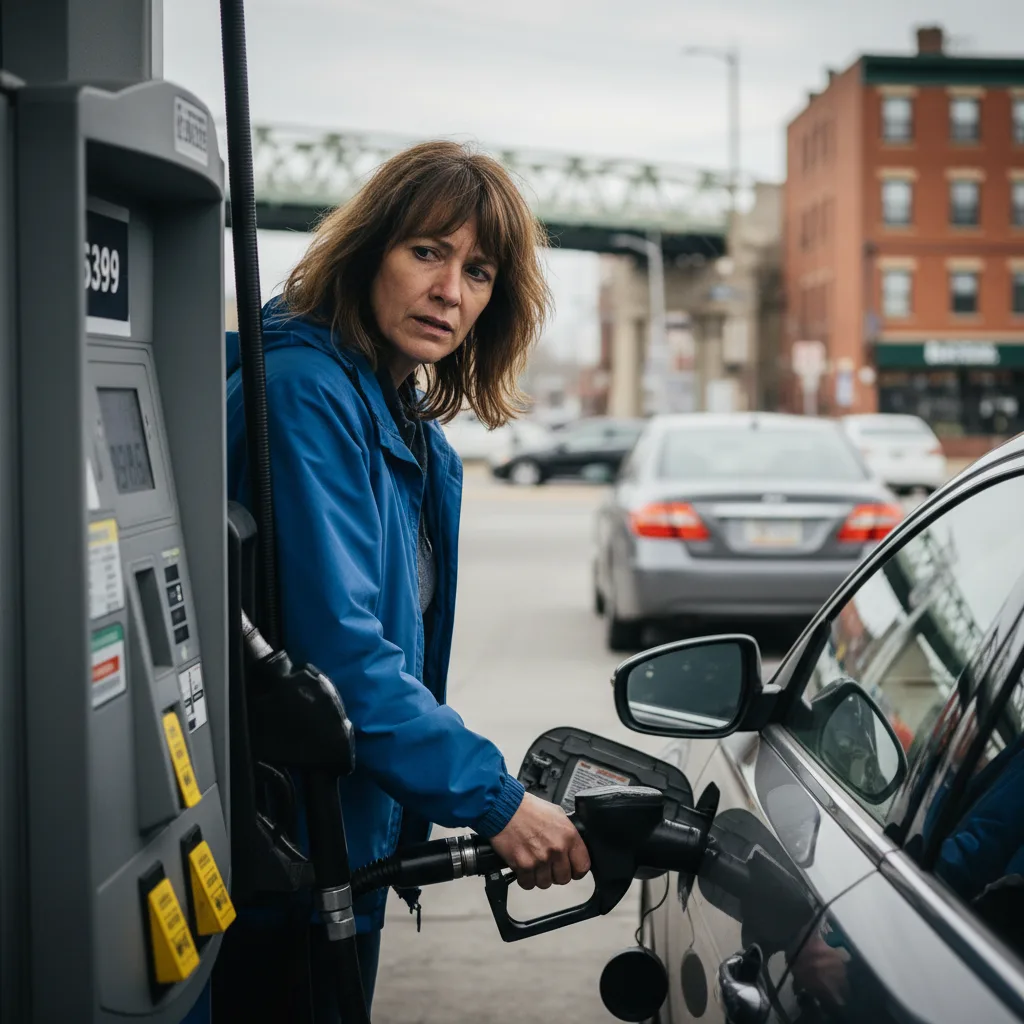
Cross Bay Boulevard Residents Concerned Over Yemen Airstrikes Impact on Economy 2026
Queens residents on Cross Bay Boulevard are concerned about rising gas prices and supply issues after Saudi airstrikes hit Yemen's capital on October 3, 2026. This impacts the local economy.
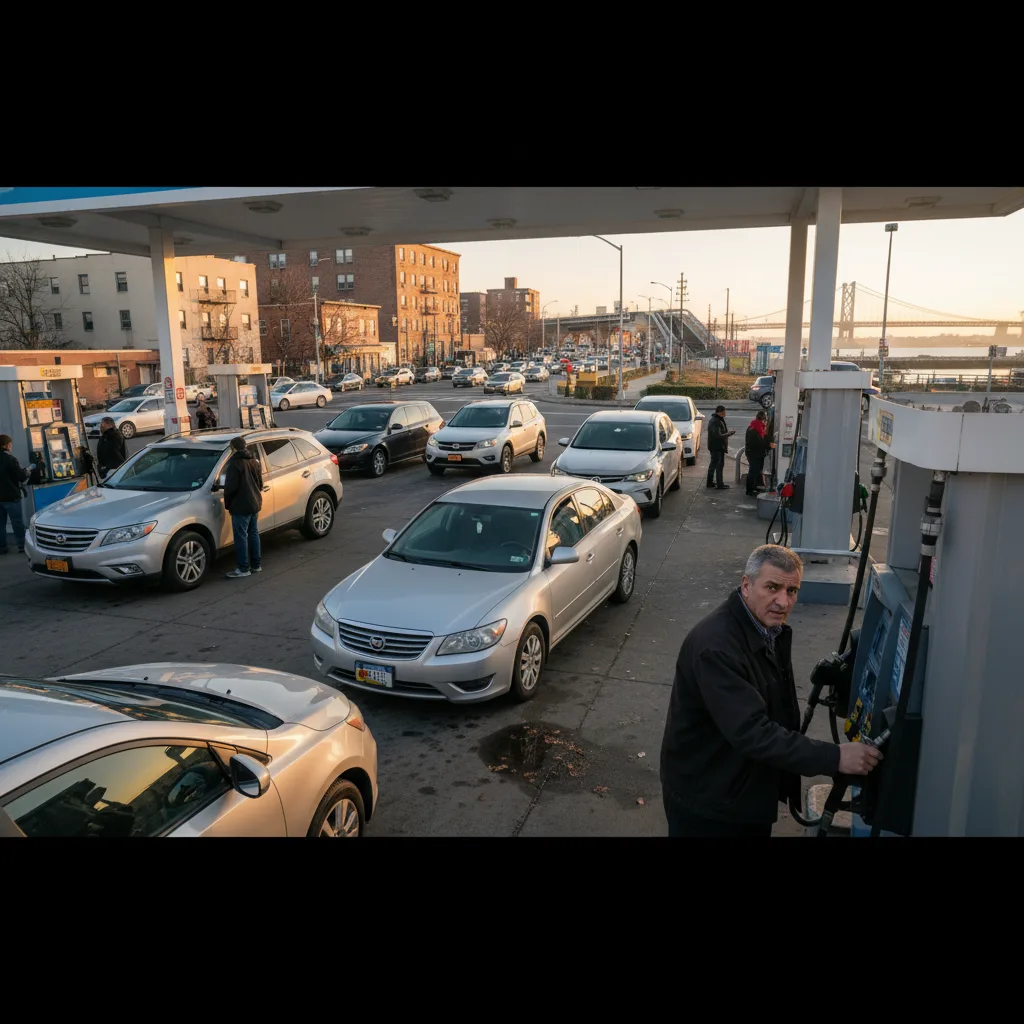
Cross Bay Residents Discuss Iran War Impact on Household Budgets
Cross Bay residents discuss the U.S.-Iran crisis impact on gas prices and household budgets, fearing a ripple effect on daily costs.

Your Essential Guide to Sandals Jamaica Montego Bay for Queens Travelers
Planning a luxurious escape? Our guide to Sandals Jamaica Montego Bay helps Queens residents plan the perfect all-inclusive, adults-only Caribbean getaway.
Your Guide to Exploring Jamaica Excursions from Montego Bay for Queens Travelers
Discover the best Jamaica excursions from Montego Bay for Queens residents, including top attractions, transportation tips, and what to pack for your adventure.