


Cross Bay Boulevard Gas Prices Surge Amidst Iran War Fears

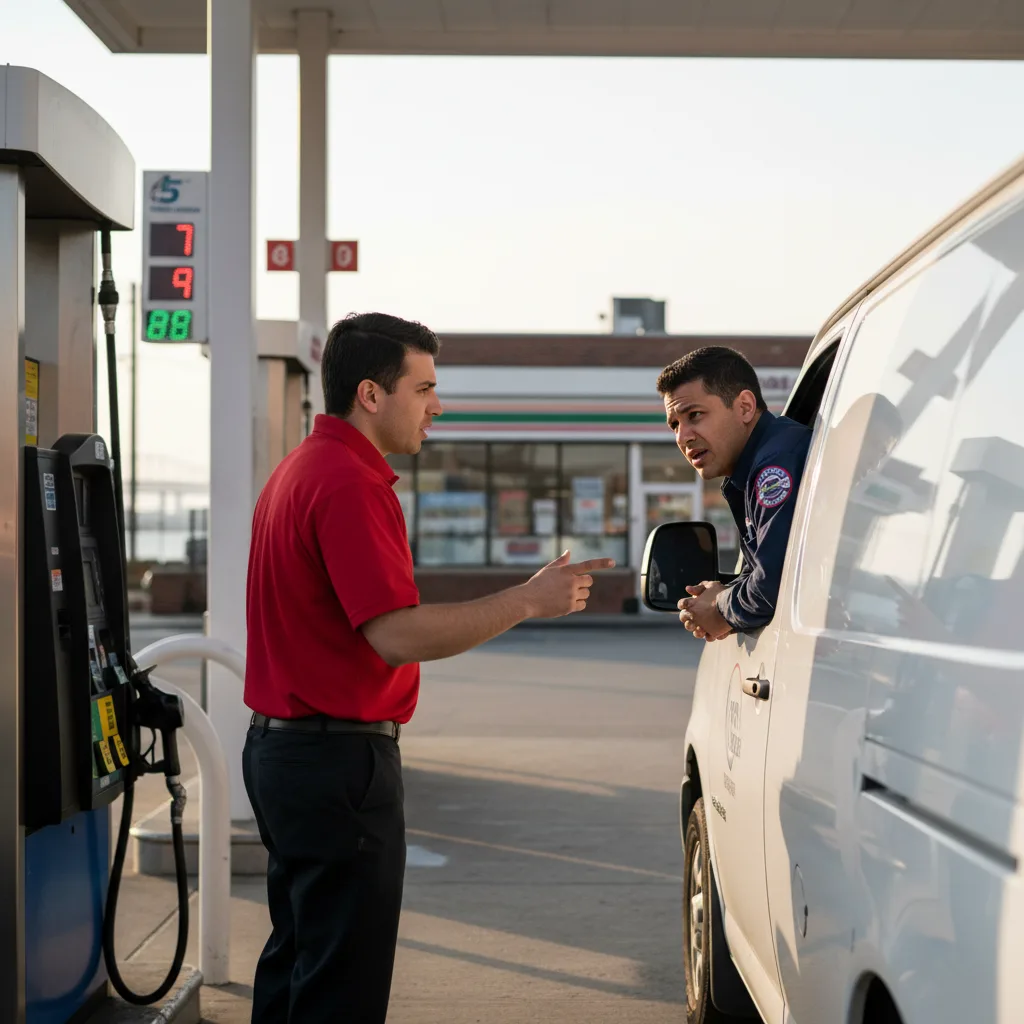
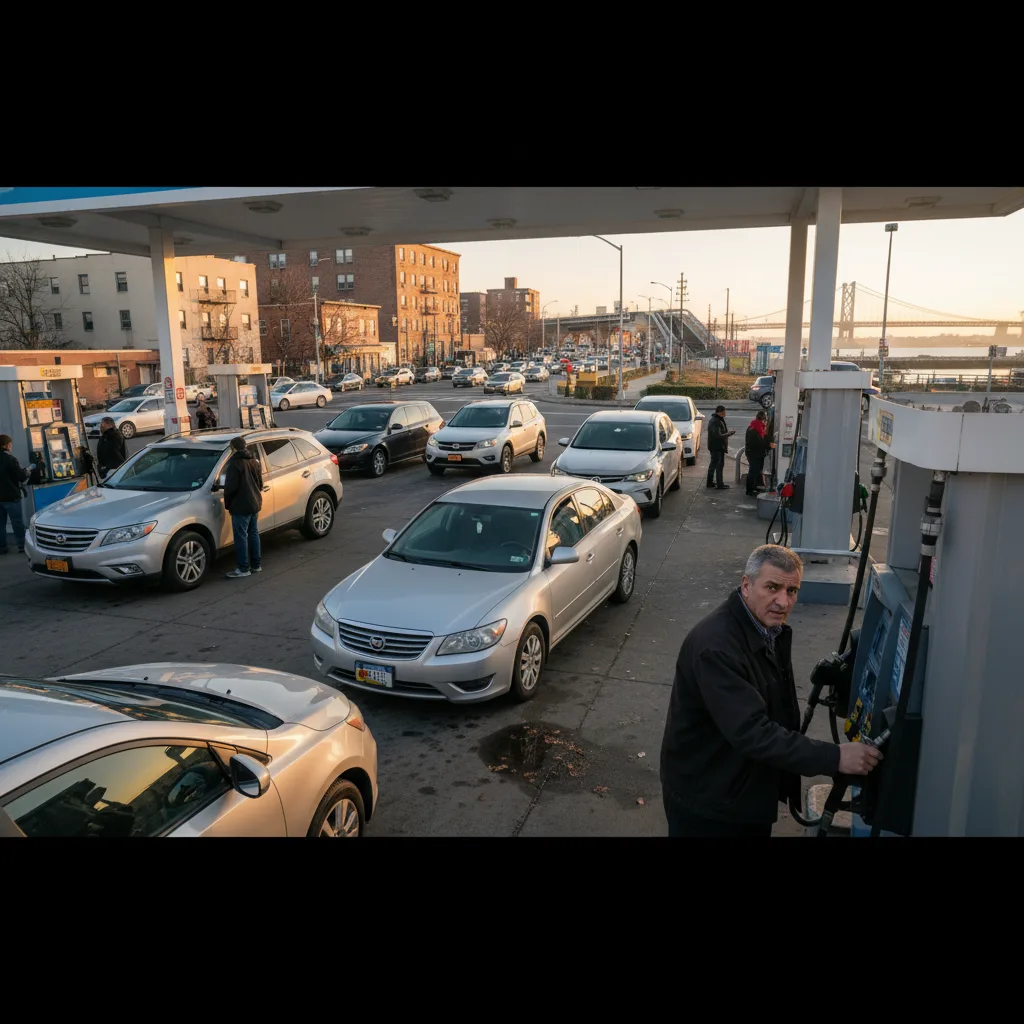
NEW YORK — Filling up the tank at gas stations along Cross Bay Boulevard has become an increasingly painful exercise for Queens drivers, with prices surging amidst global fears stoked by the ongoing Iran war. The conflict, now entering its second month, is pushing pump prices upward, stretching budgets already strained by local inflation. Many residents are expressing frustration over the escalating costs.
This spike in fuel expenses is a daily reality for thousands of commuters and families who rely on vehicles for work and errands across Queens. The situation has become a hot topic in local diners and on social media, with many blaming international instability for their growing financial burden. Conversations around gas pumps reflect widespread concern and calls for stability.
Pump Prices Climb Significantly
Gasoline prices at multiple stations between Howard Beach and Broad Channel have seen an average increase of 22 cents per gallon over the last three weeks, reaching an average of $4.25 for regular unleaded. This marks a 5.5% increase in a short period, according to data from the AAA Fuel Gauge Report. This rise is directly attributed to the disruption of global oil supplies and heightened speculation in energy markets caused by the Middle East conflict.
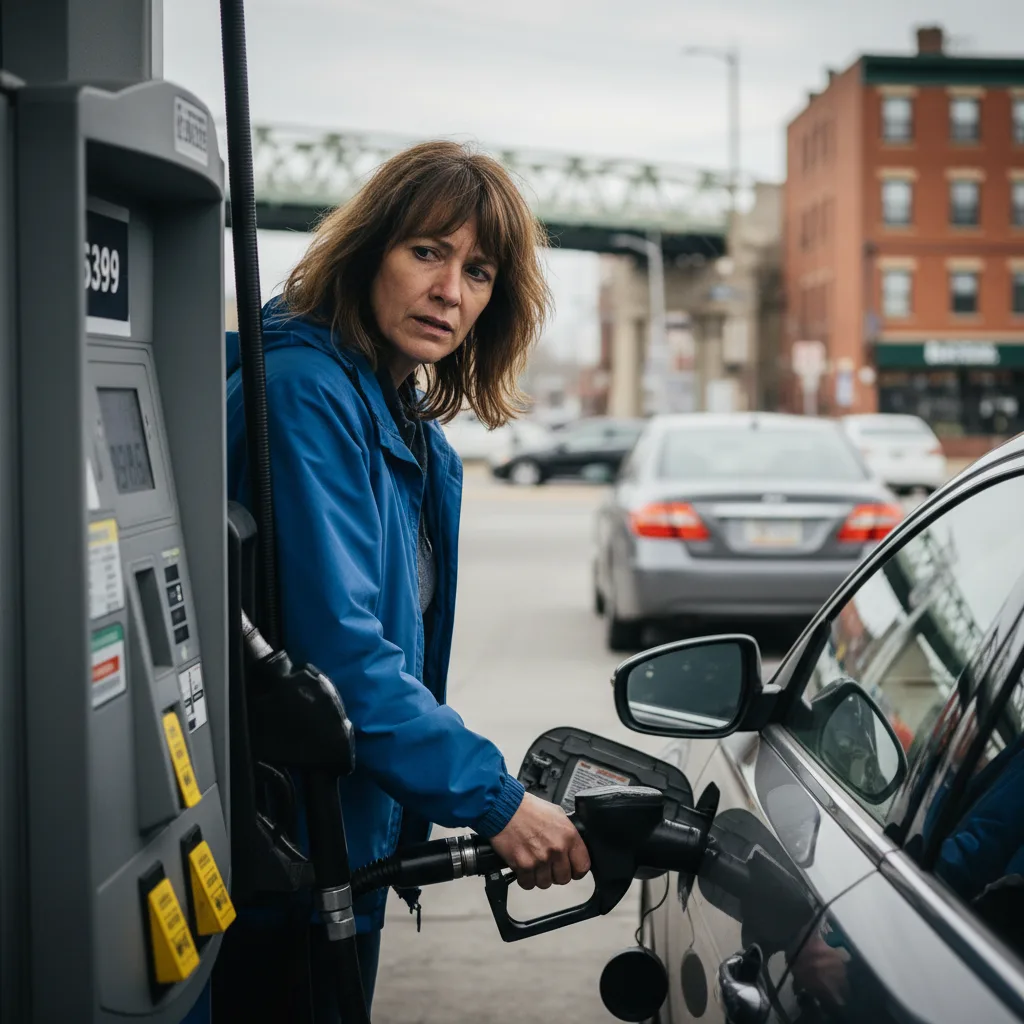
“It’s getting ridiculous,” remarked Sarah Jenkins, a mother of three from Ozone Park, while filling her minivan at a gas station near 157th Avenue. “I used to spend $60 a week, now it’s closer to $80. That’s money taken directly out of my grocery budget.” These sentiments are common among residents juggling rising costs of living.
Iran War Fuels Economic Anxiety
The conflict's impact extends beyond the gas pump. A U.S. warplane recently shot down in Iran, with a weapons specialist still missing, has intensified global anxieties. President Trump vowed retribution, and the worsening conditions in the war zone, with casualties and civilian targets increasing, contribute to market volatility. This instability directly influences commodity prices worldwide.
Bodega owners along Cross Bay Boulevard report that customers are increasingly debating escalation fears. Many wonder if the conflict will necessitate more National Guard deployments, potentially affecting New York City streets and further disrupting daily life. The uncertainty casts a long shadow over local economic outlooks, prompting conversations about both global politics and local concerns.
Community Reaction and Support for Service Members
Cross Bay News chats and community Facebook groups are abuzz with discussions about the war. Many veterans and families of service members are posting prayers for the missing specialist and all military personnel deployed overseas. Some residents attended recent rallies at Marine Park, waving flags and expressing support for the troops, echoing calls for President Trump's promised retribution.
These rallies serve as a powerful reminder of the local connections to global events, bringing national issues directly to the streets of Queens. The community’s concern for service members highlights the human cost of distant conflicts. Information on how to support local service members can often be found on local community board meetings or civic websites.
Local Businesses Feel the Pinch
Small businesses operating along Cross Bay Boulevard are also feeling the economic pinch. Increased delivery costs due to higher fuel prices are eating into profit margins. Restaurants face higher prices for imported goods, and retail stores contend with increased shipping expenses, making it harder to maintain competitive pricing. Many struggle with finding equilibrium.
“Every week, my supplier charges more for delivery,” said Tony Esposito, owner of a hardware store near the Rockaway Boulevard intersection. “I have to choose between raising prices on my customers or taking a hit myself. It's a tough spot.” This economic pressure creates a ripple effect across the local economy, impacting everything from staffing to expansion plans. Regular updates on local business impacts can be found in our local business spotlight series.
What’s Next for Fuel Prices?
Analysts predict that gas prices will remain elevated as long as geopolitical tensions persist and crude oil markets remain volatile. A resolution to the Iran war or a significant increase in global oil production could lead to price stabilization, but neither appears imminent. Drivers are advised to consolidate trips, use public transportation when possible, and look for fuel-efficient alternatives.
The long-term implications for Queens residents hinge on how quickly the international situation de-escalates. Until then, managing rising costs will remain a key challenge for households and businesses across the borough. The financial burden underscores the interconnectedness of local lives with global affairs, making distant conflicts feel very close to home.
Frequently Asked Questions About Gas Prices and War
Why does the Iran war affect gas prices in Queens? The Middle East is a major oil-producing region. Conflicts there disrupt oil supply, create uncertainty in the market, and cause oil traders to bid up prices. This increased cost for crude oil translates directly to higher prices at the pump globally.
What can I do to save on gas during these times? Consolidate errands, use public transportation or carpool, ensure your tires are properly inflated, avoid aggressive driving, and use cruise control on highways. Consider walking or biking for short distances.
Will the U.S. government intervene to lower gas prices? The government has limited tools. It can release oil from strategic reserves, but the impact is usually temporary. Long-term solutions involve diplomatic efforts to stabilize oil-producing regions or invest in alternative energy sources.
How does rising gas prices affect other local costs? Higher fuel costs impact the entire supply chain. Transportation of goods to stores becomes more expensive, leading to increased prices for groceries, retail items, and services that involve travel or delivery.
Is there a possibility of gas rationing like in historical conflicts? Gas rationing is a measure of last resort, typically implemented during severe supply shortages. While not impossible, it is an extreme scenario not currently anticipated for 2026, though continuous monitoring of global events is necessary.
Written by
Newstrix
Cross Bay News
Related Articles
More in Local Economy & Business →
Queens Residents Face Soaring Rent Hikes, Housing Scarcity Along Cross Bay
Queens residents, especially along Cross Bay Boulevard, face severe rent hikes and housing scarcity, mirroring international housing protests. Local families are struggling.
Cross Bay Boulevard Residents Anxious Over Strait of Hormuz Standoff
Cross Bay Boulevard residents are anxious as Iran's Strait of Hormuz stance threatens gas prices and local economy, affecting daily commutes and costs.
Cross Bay Boulevard Residents Concerned Over Yemen Airstrikes Impact on Economy 2026
Queens residents on Cross Bay Boulevard are concerned about rising gas prices and supply issues after Saudi airstrikes hit Yemen's capital on October 3, 2026. This impacts the local economy.
Cross Bay Residents Discuss Iran War Impact on Household Budgets
Cross Bay residents discuss the U.S.-Iran crisis impact on gas prices and household budgets, fearing a ripple effect on daily costs.

Your Essential Guide to Sandals Jamaica Montego Bay for Queens Travelers
Planning a luxurious escape? Our guide to Sandals Jamaica Montego Bay helps Queens residents plan the perfect all-inclusive, adults-only Caribbean getaway.
Your Guide to Exploring Jamaica Excursions from Montego Bay for Queens Travelers
Discover the best Jamaica excursions from Montego Bay for Queens residents, including top attractions, transportation tips, and what to pack for your adventure.