


Cross Bay Boulevard: A Historic Queens Artery Adapts to Modernity

NEW YORK — Cross Bay Boulevard, a vital artery stretching through the heart of southeast Queens, continues to adapt its historic character to the demands of modern urban life in 2026. From its origins as a rustic pathway connecting mainland Queens to the Rockaways, the boulevard has evolved into a bustling commercial and residential corridor, reflecting the dynamic history of the neighborhoods it traverses. Its story is one of continuous transformation, embodying the spirit of Queens itself.
Originally a narrow road built atop fill and bridges over Jamaica Bay’s marshlands in the late 19th and early 20th centuries, Cross Bay Boulevard dramatically reshaped access to the Rockaway Peninsula. It catalyzed the development of communities like Howard Beach, Broad Channel, and Ozone Park, transforming isolated fishing villages into thriving suburban enclaves. The original wooden bridge sections were a marvel of engineering for their time.
Early History and Infrastructure Development
The construction of the first functional Cross Bay Boulevard in the 1920s, featuring concrete pavement and a lift bridge, marked a pivotal moment for transportation in Queens. This infrastructure opened up the Rockaways as a popular summer resort destination, driving economic activity along the boulevard. Property values soared, and numerous hotels, restaurants, and entertainment venues sprang up to cater to the influx of visitors, changing the landscape dramatically.
Before then, access to the barrier islands was largely by ferry or a circuitous route. The boulevard significantly reduced travel times, integrating these coastal communities more closely with the rest of New York City. The original plans for the boulevard were outlined by the city’s Department of Public Works in 1918, aiming to create a direct route to the sea. The cost of the initial phase of construction was approximately $2 million.
Post-War Expansion and Commercial Growth
The mid-20th century saw another period of significant expansion and commercial growth along Cross Bay Boulevard. With the rise of car ownership, the boulevard became a major thoroughfare for commuters and shoppers. Large shopping centers, drive-in restaurants, and diverse businesses, from automotive services to retail boutiques, flourished. This era solidified its role as a regional commercial hub.
Numerous family-owned businesses, many of which still operate today, were established during this period, becoming cornerstones of their respective communities. These establishments, often passed down through generations, form the unique character that defines much of the boulevard. They represent the enduring entrepreneurial spirit of Queens residents, with shops like Giannelli’s Italian Bakery operating since 1950.
Adapting to 21st-Century Challenges
In recent years, Cross Bay Boulevard has faced new challenges, including increased traffic congestion, the evolving retail landscape dominated by e-commerce, and the need for updated infrastructure. Public transportation improvements, such as enhanced bus services linking to the A train at the Howard Beach-JFK Airport station, continue to be a priority for local authorities. These efforts aim to ease some of the burden on the congested roadway.
Environmental concerns, particularly related to flooding and climate change, have also become central to planning for the boulevard's future, given its low-lying terrain and proximity to Jamaica Bay. After Hurricane Sandy in 2012, significant investments were made in resilient infrastructure projects along the corridor. These projects totaled over $50 million, funded by federal disaster relief and local city budgets.
Community Voices and Future Vision
Community Boards 9 and 10, which oversee different sections of the boulevard, regularly engage residents in discussions about zoning changes, new developments, and public space improvements. These conversations are crucial for balancing modernization with preserving the distinct character of Howard Beach and Broad Channel. The current Cross Bay Boulevard development 2026 plans are a key topic.
The future of Cross Bay Boulevard is envisioned as a dynamic blend of its historical charm and contemporary needs—a place where local businesses thrive, residents enjoy quality of life, and visitors can experience the authentic spirit of Queens. Its continued evolution is a testament to the resilience and adaptability of the communities it serves. For more local historical context, explore Queens crime statistics 2026 to see how the area has changed.
Frequently Asked Questions About Cross Bay Boulevard's History
What was the original purpose of Cross Bay Boulevard? Cross Bay Boulevard was initially constructed in the late 19th and early 20th centuries as a vital pathway, primarily designed to connect mainland Queens to the Rockaway Peninsula, dramatically improving access to the coastal communities. How did the boulevard influence local development? Its construction spurred significant development in areas like Howard Beach and Broad Channel, transforming them from isolated villages into accessible residential and commercial hubs, particularly boosting the Rockaways as a summer destination. What key developments occurred in the mid-20th century? The mid-20th century saw the boulevard expand significantly with the rise of car ownership, leading to the growth of numerous shopping centers, restaurants, and family-owned businesses that solidified its role as a major regional commercial artery. What challenges does the boulevard face today? Modern challenges include increasing traffic congestion, competition from e-commerce, and the need for updated infrastructure. Environmental concerns, such as flooding and climate change, are also critical planning considerations given its coastal location.
Written by
Newstrix
Cross Bay News
Related Articles
More in Arts & Culture →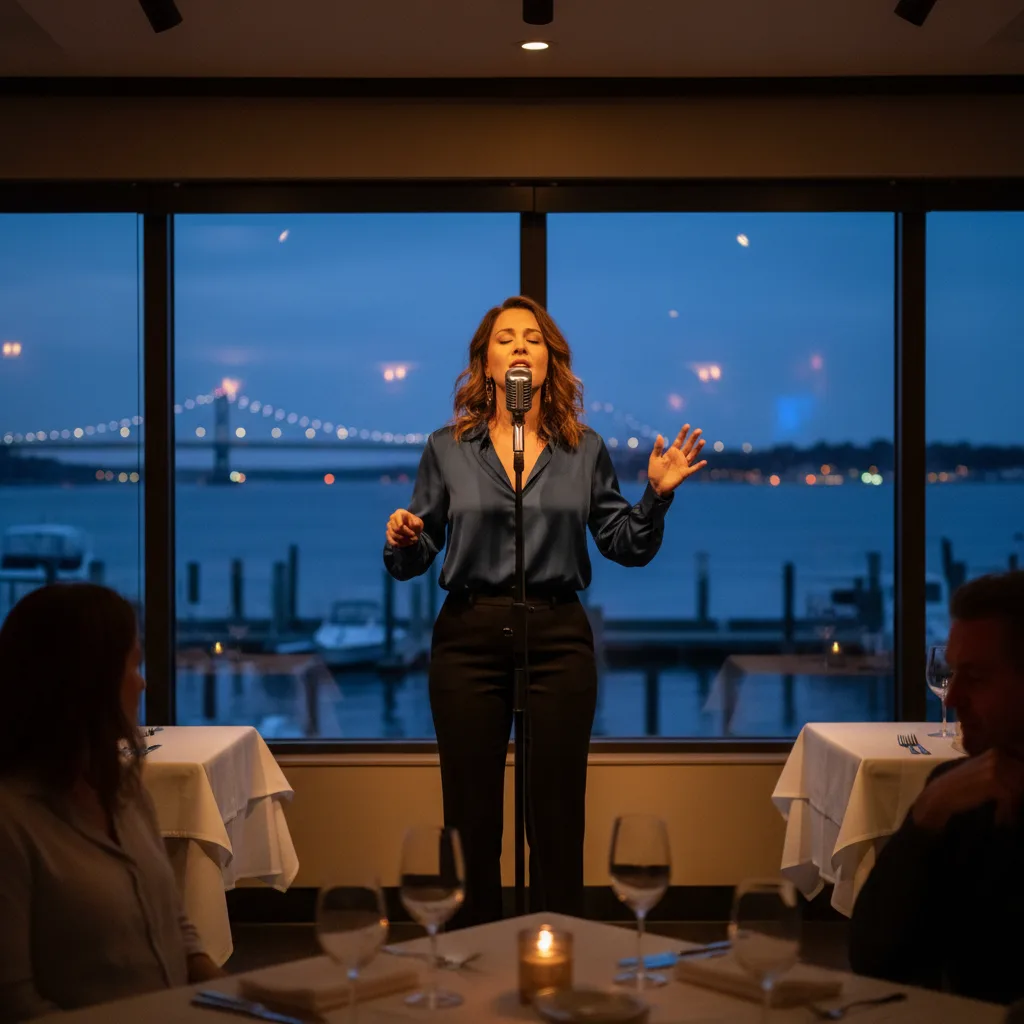
Anna Maria Villa to Perform Weekly at Vetro Restaurant 2026
Anna Maria Villa to perform live at Vetro Restaurant & Lounge on Cross Bay Boulevard every Friday, starting October 9, 2026. Local residents gain new entertainment options.
Your Essential Guide to Sandals Jamaica Montego Bay for Queens Travelers
Planning a luxurious escape? Our guide to Sandals Jamaica Montego Bay helps Queens residents plan the perfect all-inclusive, adults-only Caribbean getaway.
Your Guide to Exploring Jamaica Excursions from Montego Bay for Queens Travelers
Discover the best Jamaica excursions from Montego Bay for Queens residents, including top attractions, transportation tips, and what to pack for your adventure.
A Local's Guide to Montego Bay, Jamaica Beach for Your Next Getaway
Planning a tropical escape from Queens? Explore this guide to Montego Bay, Jamaica beach destinations, essential tips, and activities for your 2026 getaway.
Queens Events Calendar Features Diverse Activities October 8, 2026
Queens Events Calendar for October 8, 2026, features diverse activities, including community care discussions and local gatherings. Residents can find opportunities to engage with local culture.

Queens Nor'easter Topples Trees, Floods Cross Bay Boulevard 2026
A nor'easter in late 2026 toppled trees and flooded streets across Queens, causing significant disruption in southeast neighborhoods and affecting Cross Bay Boulevard commuters. Power outages and traffic delays were widespread.