


Cross Bay Boulevard: Oil Prices Soar Amid 2026 War

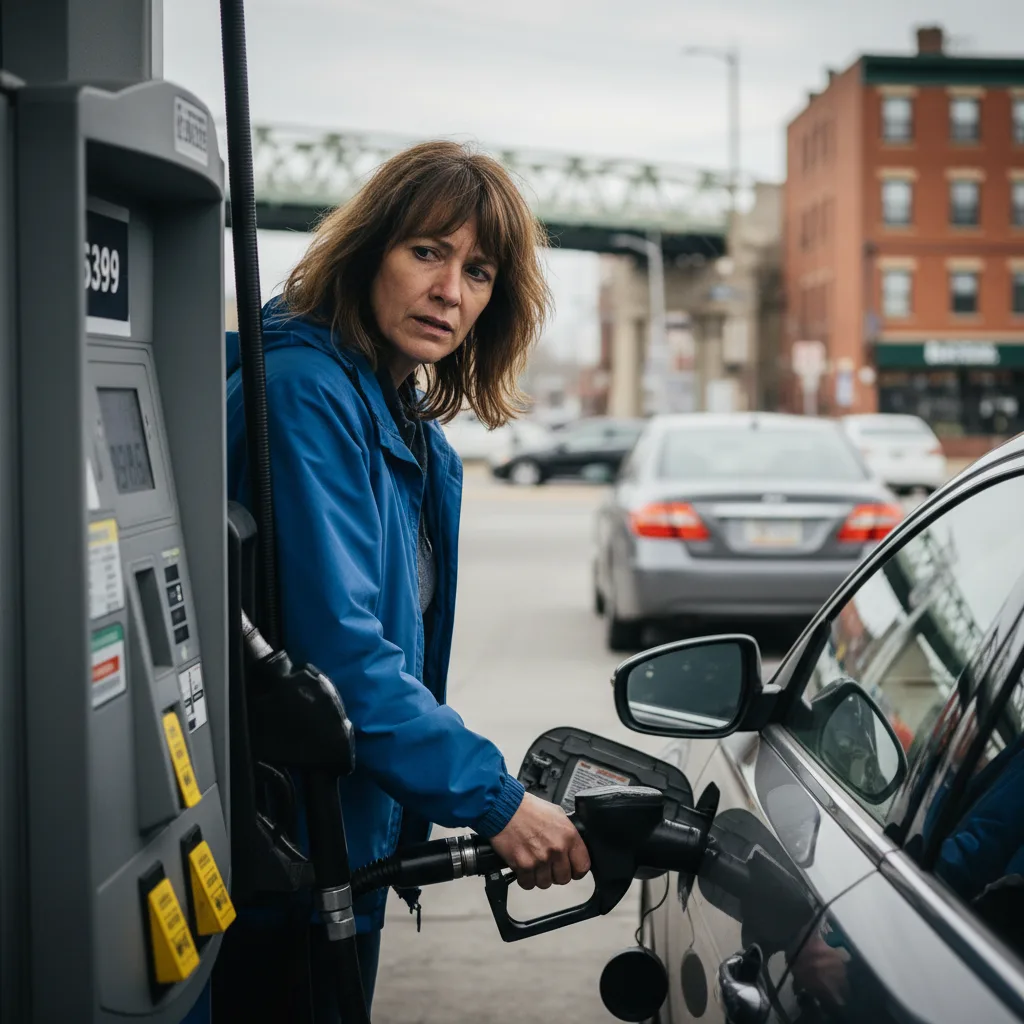
NEW YORK — Residents along Cross Bay Boulevard are facing significantly higher gasoline prices, with some stations charging upwards of $7 a gallon, amidst an escalating international conflict entering its 14th day in early 2026. The US and Israel have intensified airstrikes on Iranian targets, while Iran retaliates, pushing global oil prices to unprecedented levels.
This geopolitical tension, highlighted in global news reports on the conflict, directly impacts Queens commuters. The community response along Cross Bay Boulevard is one of growing frustration, particularly among those who rely on vehicles for their livelihoods or long commutes to destinations like JFK Airport.
Local Commuters Grapple with $7-a-Gallon Fuel
The drastic increase in fuel costs has become a primary topic of discussion in local diners and at gas stations along Cross Bay Boulevard. Many residents, especially cab drivers and delivery personnel, are finding their daily expenses soaring.
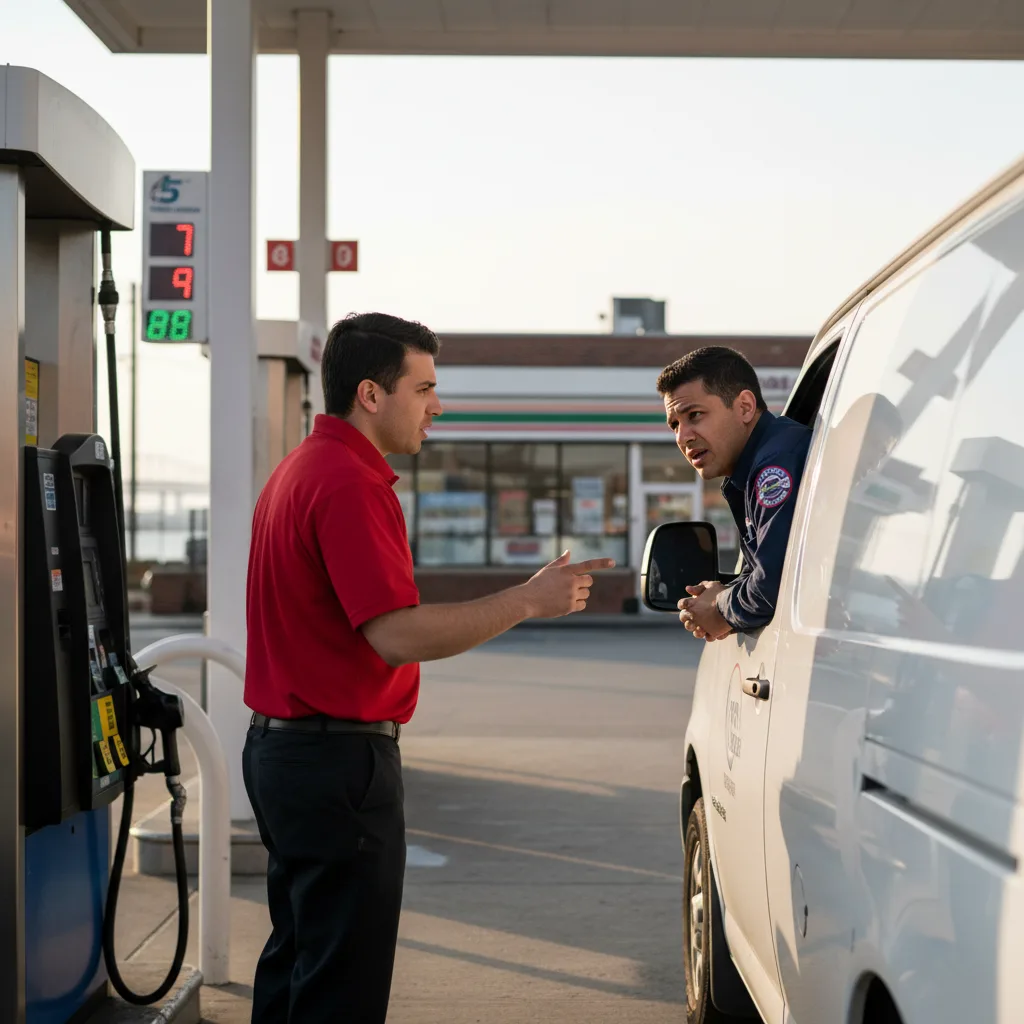
Manny, a local cabbie and frequent contributor to Cross Bay News comments, voiced his distress: "This Iran mess is killing my tips—fill up twice a day now." His experience reflects the immediate economic strain felt by service workers in the area, who often depend on affordable fuel for their income.
Howard Beach Diners Debate Global Conflict Impact
At the Howard Beach diner, the rising tensions and their local consequences are a constant topic of conversation. Queens residents are observed debating the origins and implications of the conflict, with opinions diverging on political responsibility.
Some patrons were seen waving Israeli flags in support, while others expressed profound worry about the possibility of draft calls affecting their children. These discussions underscore the immediate and deeply personal connection local communities feel towards distant global events, amplified by the economic pressures of high gas prices.
Community Boards Push for Emergency Fuel Vouchers
In response to the mounting financial burden on residents, local community boards along the Cross Bay Boulevard corridor are actively pushing for emergency fuel vouchers. These boards are exploring avenues for city and state assistance to mitigate the impact of the exorbitant prices on vulnerable households and small businesses.
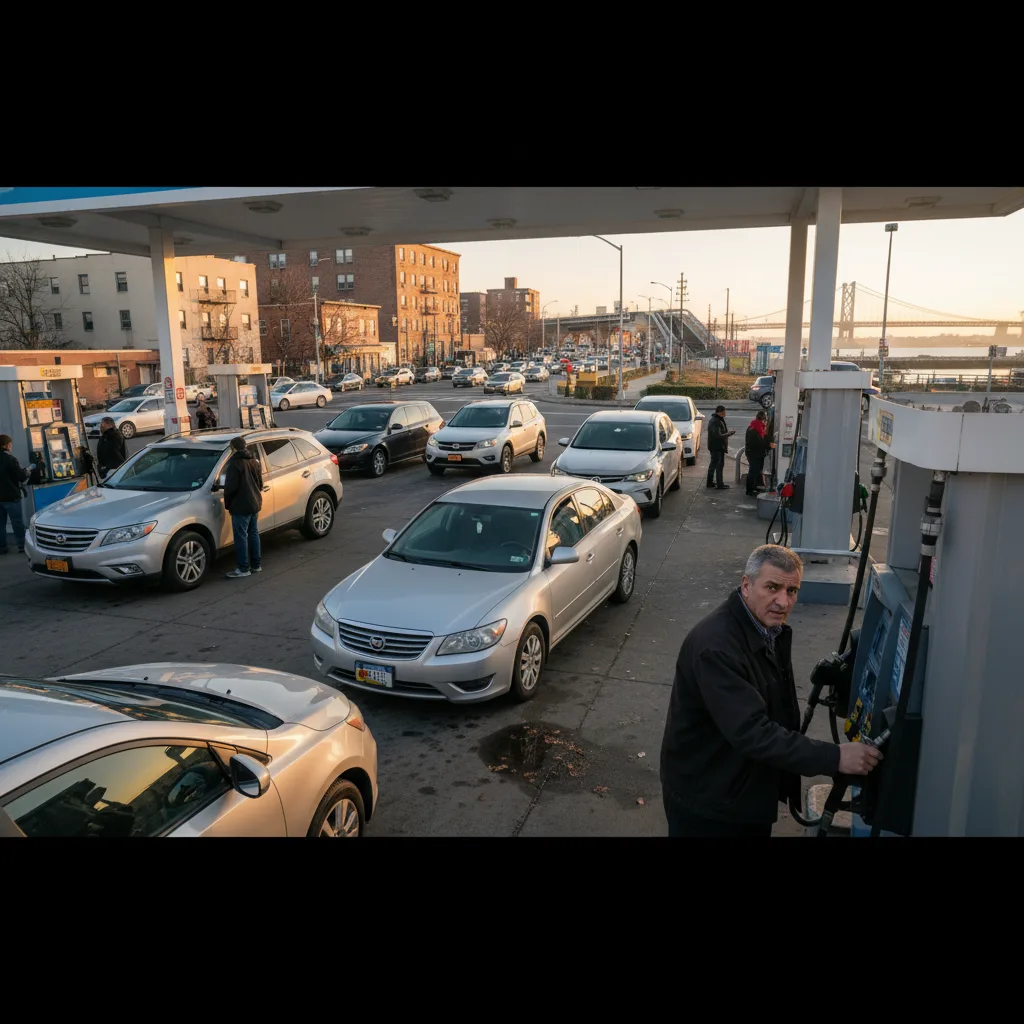
Lines have reportedly begun to form at several gas stations near the boulevard, as residents attempt to secure fuel at any available price. This increasing demand, coupled with fluctuating supply anxieties, creates further instability in the local fuel market, prompting calls for government intervention.
Impact on JFK Commutes and Local Logistics
The proximity of Cross Bay Boulevard to JFK Airport means that many residents commute there for work, exacerbating the impact of rising fuel costs. Airport employees, airline staff, and support services personnel are all facing significantly higher travel expenses.
Furthermore, local logistics and supply chains that operate via the boulevard are also under pressure. Increased transportation costs for goods could eventually translate into higher prices for consumers at local grocery stores and businesses, extending the economic pain beyond direct fuel purchases.
Geopolitical Tensions and Local Economic Strain
The ongoing conflict, marked by reciprocal attacks and Iran's stated intention to continue blocking the Strait of Hormuz, has directly contributed to the volatility of global oil markets. While the US is reportedly easing Russian oil sanctions to stabilize prices, the immediate relief has not yet materialized for local consumers.
The global energy crisis illustrates the interconnectedness of international politics and local economics. For residents of Queens, the distant conflict translates into tangible financial stress, reshaping daily decisions and raising concerns about broader economic stability in 2026.
Frequently Asked Questions About Rising Gas Prices
Residents frequently ask why gas prices on Cross Bay Boulevard are so high. The current surge is directly linked to an escalating international conflict impacting global oil supplies and transportation routes. These geopolitical tensions create instability in the oil market, leading to increased costs at the pump. While city officials are discussing potential relief measures like emergency fuel vouchers, immediate solutions are complex due to global market forces. Commuters are advised to explore public transportation options or carpooling to reduce individual fuel consumption. The situation is being closely monitored by local authorities, who are seeking ways to alleviate the financial burden on Queens families and businesses.
Written by
Newstrix
Cross Bay News
Related Articles
More in Local Economy & Business →
Queens Residents Face Soaring Rent Hikes, Housing Scarcity Along Cross Bay
Queens residents, especially along Cross Bay Boulevard, face severe rent hikes and housing scarcity, mirroring international housing protests. Local families are struggling.
Cross Bay Boulevard Residents Anxious Over Strait of Hormuz Standoff
Cross Bay Boulevard residents are anxious as Iran's Strait of Hormuz stance threatens gas prices and local economy, affecting daily commutes and costs.
Cross Bay Boulevard Residents Concerned Over Yemen Airstrikes Impact on Economy 2026
Queens residents on Cross Bay Boulevard are concerned about rising gas prices and supply issues after Saudi airstrikes hit Yemen's capital on October 3, 2026. This impacts the local economy.
Cross Bay Residents Discuss Iran War Impact on Household Budgets
Cross Bay residents discuss the U.S.-Iran crisis impact on gas prices and household budgets, fearing a ripple effect on daily costs.

Your Essential Guide to Sandals Jamaica Montego Bay for Queens Travelers
Planning a luxurious escape? Our guide to Sandals Jamaica Montego Bay helps Queens residents plan the perfect all-inclusive, adults-only Caribbean getaway.
Your Guide to Exploring Jamaica Excursions from Montego Bay for Queens Travelers
Discover the best Jamaica excursions from Montego Bay for Queens residents, including top attractions, transportation tips, and what to pack for your adventure.