


Cross Bay Boulevard Residents Grapple with Surging Gas Prices, Energy Crisis

NEW YORK — Residents and businesses along Cross Bay Boulevard in Queens are feeling the significant pinch of surging gas and heating prices, directly linked to a deepening global energy crisis. Recent attacks on critical Middle Eastern energy infrastructure, including Israel's strike on Iran's largest natural gas field and Iran's retaliation on a Qatar LNG terminal, have sent oil and gas prices soaring worldwide.
The international conflict, described as a major escalation of the U.S.-Iran war, has created widespread energy shortages and concerns about rationing in various countries. For Cross Bay Boulevard, a vital commercial and residential corridor, these global events translate into immediate and tangible local economic pressures.
Local Gas Stations See Daily Price Fluctuations
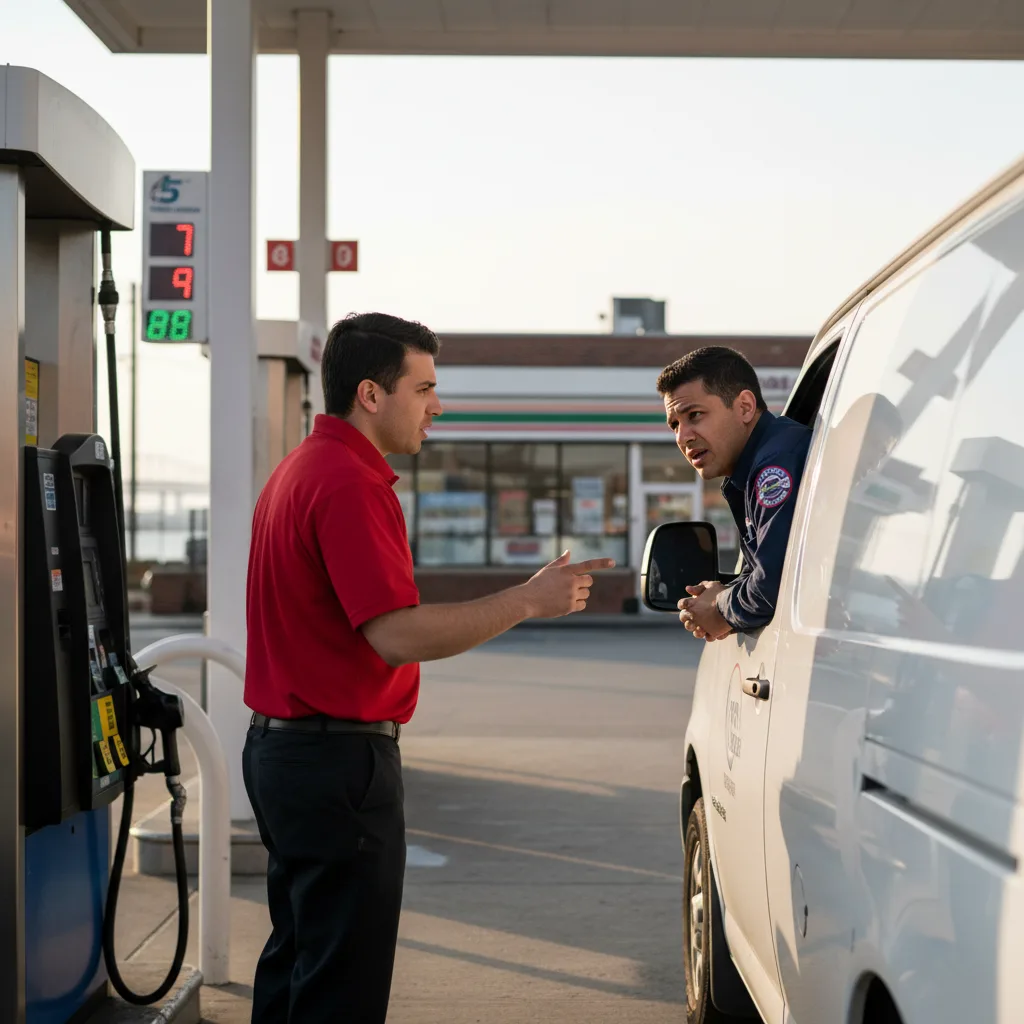
Pump attendants at several gas stations along Cross Bay Boulevard have reported a noticeable increase in customer inquiries regarding price fluctuations. "People are asking daily, sometimes multiple times a day, if prices are going up again," stated Michael Davis, a pump attendant at a station near Howard Beach, on March 25, 2026.
Gas prices in the area have jumped by over 30 cents per gallon in the last week alone, making daily commutes and essential travel significantly more expensive. For many residents, especially those dependent on their vehicles for work or family responsibilities, this represents a considerable strain on already tight budgets.
Concerns are growing that these elevated prices are not temporary, signaling a prolonged period of higher transportation costs. This uncertainty directly affects the financial planning of families and independent drivers throughout the Queens borough.
Community Discussions Highlight Budgetary Strain
At local diners, bodegas, and community centers along Cross Bay Boulevard, the conversation frequently turns to the rising cost of living. Heating costs are also a major point of discussion, with winter still looming and residents bracing for higher utility bills.
"My electric bill was already high, now with gas prices and heating, I don't know how I'll manage," expressed Rosa Martinez, a long-time resident of Ozone Park, during a conversation at a local bakery. "Every little bit adds up, and it's getting harder to afford necessities."
Parents picking up children from nearby schools are debating the potential for rolling blackouts, similar to those reported in other regions affected by the energy crisis. Neighbors are actively sharing tips on social media and in person about conserving electricity and reducing energy consumption at home. The geopolitical context of the energy crisis is further explained in various international news reports.
Small Businesses Face Difficult Choices
Small business owners on Cross Bay Boulevard are particularly concerned about the impact of rising fuel surcharges on their operational costs. Delivery services, transportation for supplies, and even employee commutes are becoming increasingly expensive.
"We rely on deliveries for fresh produce, and the surcharges are through the roof," said Alex Chen, owner of a local restaurant. "If this continues, we might have no choice but to raise our prices, which we really don't want to do, especially with customers already struggling." Discussions around the global energy market instability often reference broadcast media analysis of the conflict.
The increased cost of goods and services could further depress local spending, creating a challenging economic environment for the diverse array of small businesses that define Cross Bay Boulevard. Many are exploring energy-efficient alternatives and negotiating with suppliers to mitigate rising costs. The broader impact of the Middle East conflict on global energy markets is widely reported, including via YouTube news segments.
Broader Economic Repercussions for Queens
Beyond individual households and businesses, the energy crisis poses broader economic risks for Queens and New York City. A significant portion of the city's economy relies on transportation and commercial activity, both directly impacted by fuel prices. The ripple effects could extend to inflation across various sectors.
City economists are monitoring the situation closely, though immediate intervention options for global energy price surges are limited. They emphasize the importance of federal and international efforts to stabilize energy markets, as local solutions can only go so far.
The crisis also brings into sharper focus the need for long-term energy independence and investment in renewable energy sources. While a distant goal, current events underscore the vulnerability of urban centers to global geopolitical shifts and their direct economic consequences.
Historical Context of Energy Shocks
New York City has experienced energy shocks in the past, from the oil crises of the 1970s to more recent fluctuations. Each event has left its mark on the local economy and prompted changes in consumer behavior and policy discussions. The current crisis, however, is unique in its direct link to geopolitical military conflict.
These historical precedents serve as a reminder of the resilience of New Yorkers, but also of the persistent need for adaptable energy policies and strong community support networks. The discussions along Cross Bay Boulevard reflect a familiar pattern of concern and adaptation in the face of external economic pressures.
Frequently Asked Questions About Cross Bay Boulevard Energy Impact
Many residents are curious about how global events are affecting their daily lives. The global energy crisis, exacerbated by attacks on Middle Eastern energy infrastructure, is causing significant increases in gas and heating prices along Cross Bay Boulevard in Queens. Local gas stations report daily customer inquiries about rising fuel costs. Residents are discussing budgetary strains at diners and bodegas, and parents worry about potential rolling blackouts, sharing energy-saving tips. Small business owners are concerned about increased fuel surcharges potentially forcing them to raise prices. The crisis underscores the vulnerability of the local economy to global geopolitical shifts.
Written by
Newstrix
Cross Bay News
Related Articles
More in Local Economy & Business →
Queens Residents Face Soaring Rent Hikes, Housing Scarcity Along Cross Bay
Queens residents, especially along Cross Bay Boulevard, face severe rent hikes and housing scarcity, mirroring international housing protests. Local families are struggling.
Cross Bay Boulevard Residents Anxious Over Strait of Hormuz Standoff
Cross Bay Boulevard residents are anxious as Iran's Strait of Hormuz stance threatens gas prices and local economy, affecting daily commutes and costs.
Cross Bay Boulevard Residents Concerned Over Yemen Airstrikes Impact on Economy 2026
Queens residents on Cross Bay Boulevard are concerned about rising gas prices and supply issues after Saudi airstrikes hit Yemen's capital on October 3, 2026. This impacts the local economy.
Cross Bay Residents Discuss Iran War Impact on Household Budgets
Cross Bay residents discuss the U.S.-Iran crisis impact on gas prices and household budgets, fearing a ripple effect on daily costs.

Your Essential Guide to Sandals Jamaica Montego Bay for Queens Travelers
Planning a luxurious escape? Our guide to Sandals Jamaica Montego Bay helps Queens residents plan the perfect all-inclusive, adults-only Caribbean getaway.
Your Guide to Exploring Jamaica Excursions from Montego Bay for Queens Travelers
Discover the best Jamaica excursions from Montego Bay for Queens residents, including top attractions, transportation tips, and what to pack for your adventure.