


Cross Bay Boulevard Residents Grapple With War's Economic Strain

NEW YORK — Residents along Cross Bay Boulevard in Queens are feeling the immediate and profound economic ripple effects of the escalating U.S.-Israeli war on Iran. Global tensions, specifically the disruption of oil supplies through the Strait of Hormuz, have caused gas prices to skyrocket, directly impacting household budgets and daily commutes for local families.
News of Israeli strikes in Tehran, Iran's retaliatory actions, and U.S. involvement with bunker-buster bombs, as reported by Democracy Now, has left many glued to their televisions in local diners. The conflict, which began February 28, has already resulted in over 1,444 deaths in Iran and significantly heightened global instability. The humanitarian and economic consequences are becoming clearer by the day.
Global Conflict Escalates Rapidly
The conflict in the Middle East saw a dramatic escalation with an overnight Israeli strike in Tehran, reportedly killing Iran's intelligence minister. This aggressive action was swiftly met with retaliatory missile strikes from Iran, which tragically killed two individuals near Tel Aviv. The United States deepened its involvement by deploying 5,000-pound bunker-buster bombs along Iran's coast near the Strait of Hormuz, targeting anti-ship missiles.
These military maneuvers have transformed regional tensions into a full-blown U.S.-Israeli war on Iran, a conflict with far-reaching global implications. The international community watches nervously as diplomatic efforts falter. The direct military actions are raising concerns about broader regional destabilization.
Strait of Hormuz Blockade Chokes Oil Supply
A critical factor driving the economic hardship is the partial blockade of the Strait of Hormuz, a narrow waterway through which 20% of the world's global oil supply passes. Disruptions in this vital shipping lane have led to immediate and significant spikes in crude oil prices on international markets. The strategic importance of the Strait of Hormuz cannot be overstated.
This bottleneck has direct consequences for consumers in Queens, as local gas stations quickly reflect these global market fluctuations. The vulnerability of global supply chains to geopolitical events is starkly evident. The continuous threats to oil tankers are exacerbating an already volatile situation.
Soaring Gas Prices Hit Cross Bay Boulevard Hard
Along Cross Bay Boulevard, the impact of soaring gas prices is a primary topic of conversation and concern. Prices at local Mobil and BP stations have surged to $3.84 per gallon, a 29% increase since late February, with some residents reporting prices nearing $5.00 a gallon. These daily increases are siphoning significant funds from household budgets.
Drivers are lining up at pumps, grumbling about the financial strain and the uncertainty of future price hikes. “I’m already cutting back on groceries just to fill my tank,” exclaimed John Marino, a long-time resident and commuter from Howard Beach. The cost of living is rising disproportionately to wages for many working families.
Community Adopts Coping Strategies and Expresses Fears
In response to the economic pressure, residents are actively seeking ways to mitigate the impact. Carpooling to work in Manhattan and other boroughs has become a popular solution, with neighbors coordinating rides through community apps and social media groups. Some community board members at the Cross Bay Veterans Plaza are even organizing gas-buying co-ops to secure bulk discounts, as documented by Cross Bay News' Facebook group.
Beyond economic worries, Queens families at Rockaway Beach parks are voicing profound fears of the U.S. being drawn into a broader, prolonged conflict. Viral clips of Iranian strikes are shared widely, and calls for peace rallies at local mosques are gaining momentum. The war's potential to escalate into a larger military engagement concerns many.
Local Businesses Face Rising Operational Costs
The ripple effects of the war extend beyond individual consumers to local businesses along Cross Bay Boulevard. Bodega owners and small retailers are grappling with increased transportation costs for their goods, leading to warnings of impending price hikes for everyday essentials. Their profit margins are shrinking in the face of these rising expenses.
Restaurant owners, like those at Cross Bay Diner, note that higher gas prices impact their employees’ commutes and their food delivery costs. These increased operational expenses often translate into higher prices for customers, further squeezing local budgets. The U.N. warns of acute hunger as food prices escalate globally.
Frequently Asked Questions About the War's Local Economic Impact
Many residents are asking why gas prices are rising so quickly. The primary reason is the disruption of global oil supplies, particularly through the Strait of Hormuz, exacerbated by the escalating conflict in the Middle East. Geopolitical instability in key oil-producing regions always impacts crude oil prices, which then directly affect pump prices. The market reacts to perceived and actual shortages, leading to rapid price adjustments.
Another common question concerns how the war might affect other household expenses. Beyond gas, the disruption to global supply chains and increased energy costs can lead to higher prices for food and other imported goods. Shipping costs rise, and these are ultimately passed on to consumers. Local bodegas and supermarkets are already warning of these potential increases in prices. This creates a broader inflationary pressure on families.
Residents also inquire about community efforts to address these economic challenges. Along Cross Bay Boulevard, initiatives include carpooling arrangements, local gas-buying cooperatives, and food drives at places like St. Camillus Church. Community board members and local organizations are working to provide resources and support. Engaging in these local efforts helps mitigate some of the financial strain experienced by individual households and fosters community resilience.
Written by
Newstrix
Cross Bay News
Related Articles
More in Local Economy & Business →
Queens Residents Face Soaring Rent Hikes, Housing Scarcity Along Cross Bay
Queens residents, especially along Cross Bay Boulevard, face severe rent hikes and housing scarcity, mirroring international housing protests. Local families are struggling.
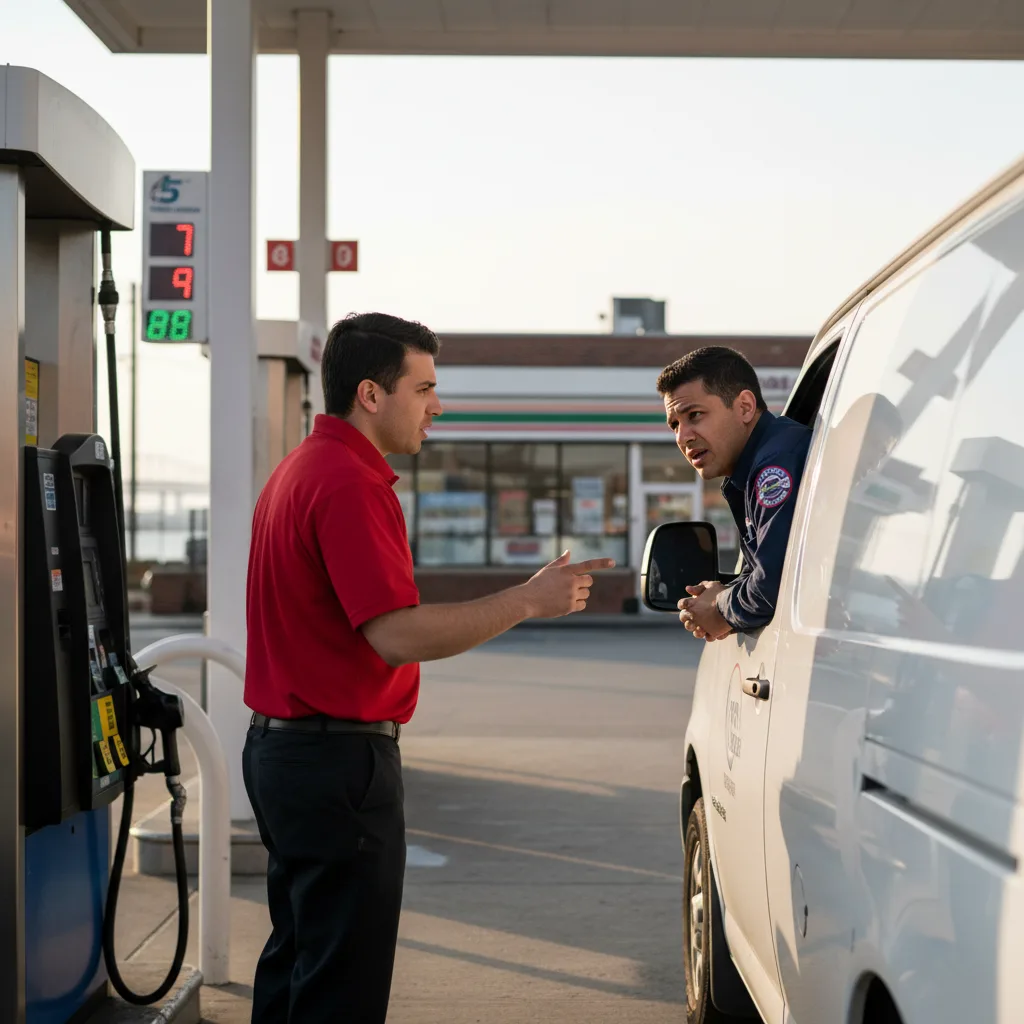
Cross Bay Boulevard Residents Anxious Over Strait of Hormuz Standoff
Cross Bay Boulevard residents are anxious as Iran's Strait of Hormuz stance threatens gas prices and local economy, affecting daily commutes and costs.
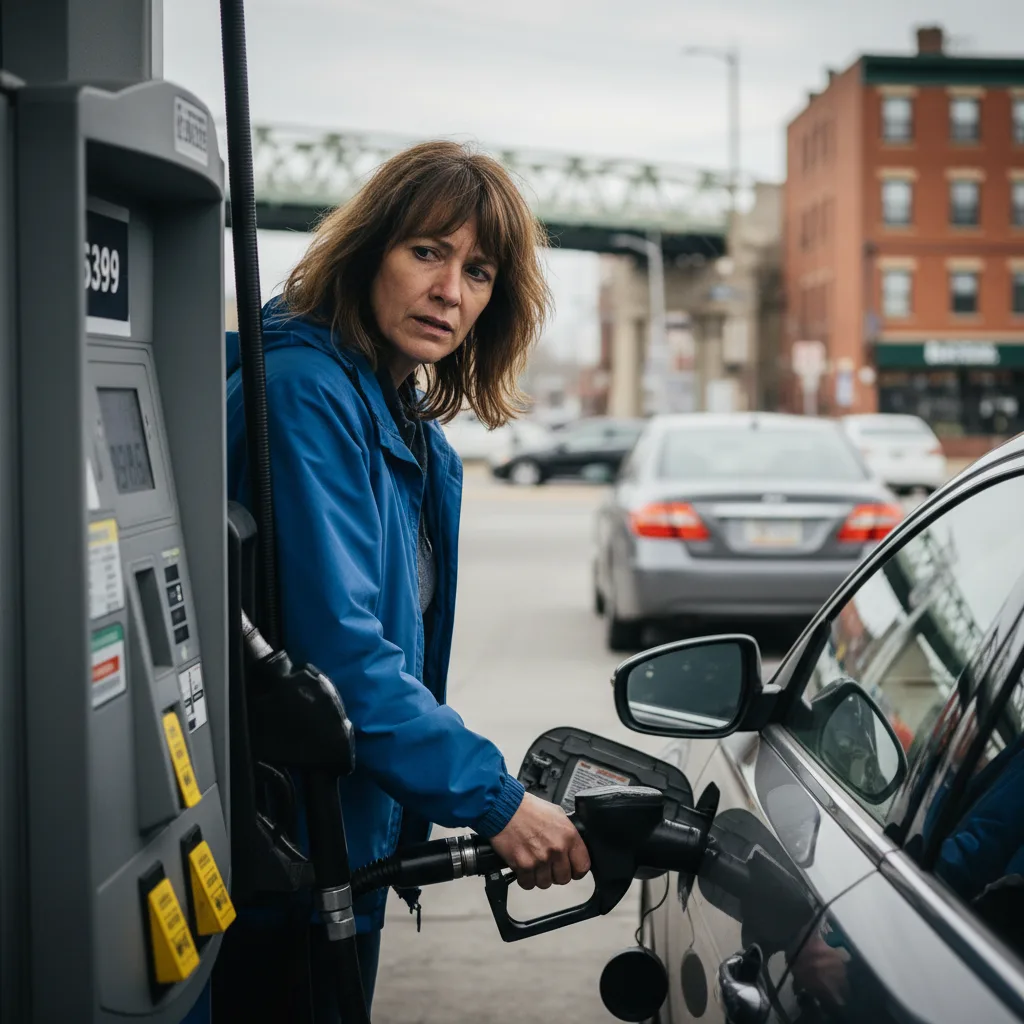
Cross Bay Boulevard Residents Concerned Over Yemen Airstrikes Impact on Economy 2026
Queens residents on Cross Bay Boulevard are concerned about rising gas prices and supply issues after Saudi airstrikes hit Yemen's capital on October 3, 2026. This impacts the local economy.
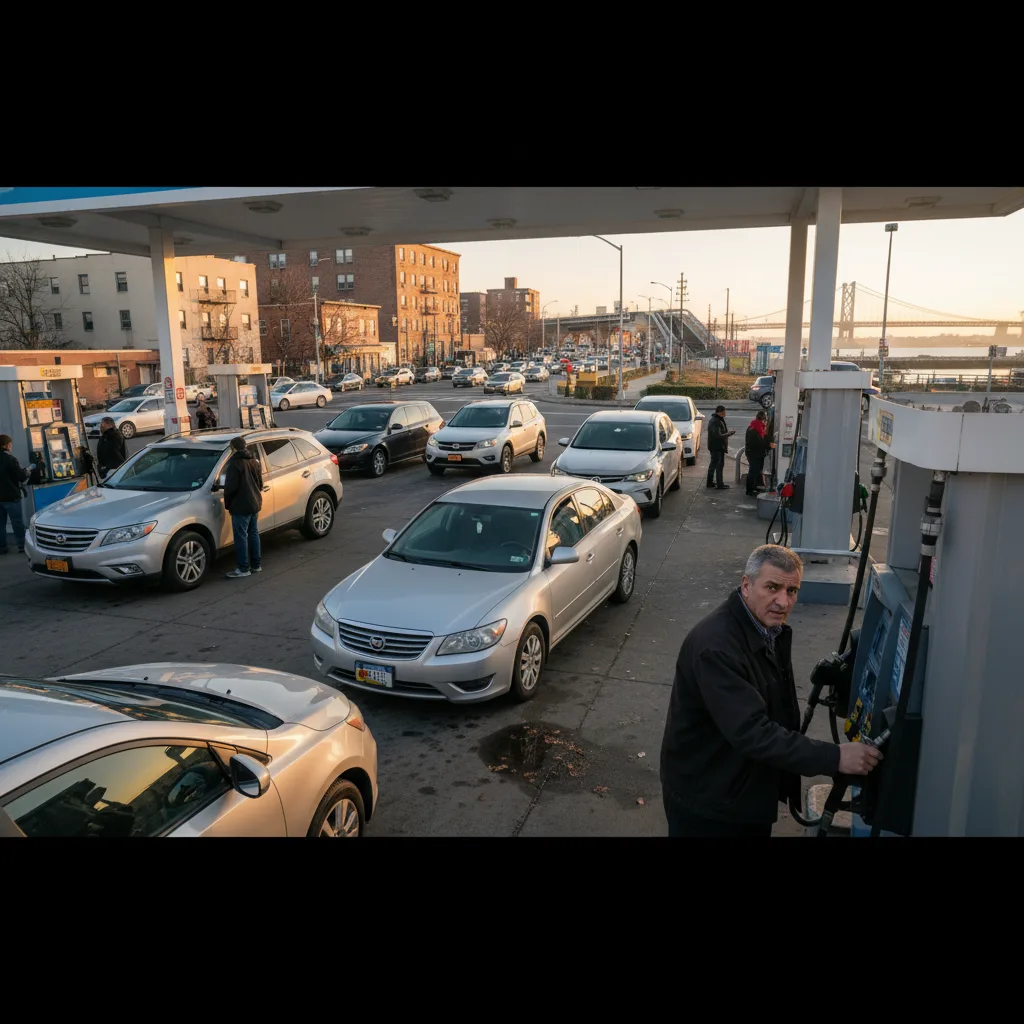
Cross Bay Residents Discuss Iran War Impact on Household Budgets
Cross Bay residents discuss the U.S.-Iran crisis impact on gas prices and household budgets, fearing a ripple effect on daily costs.

Your Essential Guide to Sandals Jamaica Montego Bay for Queens Travelers
Planning a luxurious escape? Our guide to Sandals Jamaica Montego Bay helps Queens residents plan the perfect all-inclusive, adults-only Caribbean getaway.
Your Guide to Exploring Jamaica Excursions from Montego Bay for Queens Travelers
Discover the best Jamaica excursions from Montego Bay for Queens residents, including top attractions, transportation tips, and what to pack for your adventure.