


Cross Bay Boulevard Residents Hit by Skyrocketing Fuel Prices

NEW YORK — Queens residents, particularly those living along the bustling Cross Bay Boulevard corridor, are experiencing significant financial strain as fuel and grocery prices continue their sharp upward trajectory this week. The escalating costs are directly linked to the ongoing geopolitical tensions stemming from the US-Iran conflict, according to economists at the New York Federal Reserve. Many families are adjusting household budgets to absorb these unexpected increases, affecting daily commutes and essential purchases.
Rising Gas and Grocery Costs Squeeze Budgets
The average price of a gallon of regular unleaded gasoline in the Cross Bay Boulevard area surged by nearly 20 cents over the past week, reaching an average of $4.15 per gallon by Wednesday, March 27, 2026. Simultaneously, grocery store shelves are reflecting price hikes on staples such as dairy, bread, and produce, with some items increasing by as much as 10% in local markets. This dual burden on household finances creates a significant challenge for working families and fixed-income residents throughout Queens.
Local businesses, already navigating a competitive landscape, are also feeling the pinch. Transport costs for goods have risen, inevitably passing some of that increase onto consumers. This situation highlights the interconnectedness of global events and local economic realities, a pattern that emerged last week when local businesses saw a significant increase in cheapest gas inquiries, according to a report by the Cross Bay News.
Businesses Adapt Amidst Economic Uncertainty
"We've seen our fuel costs for deliveries nearly double in the last few months," said Anthony Moretti, owner of Moretti's Italian Deli on Cross Bay Boulevard, speaking to reporters Thursday. "We try not to raise prices too much for our customers, but at some point, it becomes unsustainable." Moretti's sentiments are echoed by many small business owners who are struggling to maintain profitability while serving their community. Some establishments are exploring alternative suppliers or adjusting delivery schedules to mitigate expenses.
The Queens Chamber of Commerce has noted an increase in calls from businesses seeking guidance on navigating these volatile economic conditions. They are advising members on strategies for efficiency and cost reduction, but acknowledge the limitations in the face of global market forces. These local challenges are a direct consequence of broader international issues.
US-Iran Conflict Drives Market Volatility
The primary driver behind the current price spikes is the heightened tension between the United States and Iran, which has significantly impacted global oil markets. Analysts at Bloomberg News reported that crude oil futures rose by over 5% on Tuesday alone, reacting to news of increased naval activity in the Strait of Hormuz. The Strait is a critical chokepoint for global oil shipments, and any perceived threat to its stability sends ripples through energy prices worldwide.
This geopolitical instability directly translates to higher operational costs for every business relying on transportation, from local distributors to the smallest independent retailer on Cross Bay Boulevard. The conflict has also disrupted supply chains for various imported goods, contributing to the rising cost of groceries. This ripple effect reaches deep into the daily lives of Queens residents, impacting their ability to afford essential items.
Community Concerns and Public Transport Impact
Residents expressed their frustration and concern over the unexpected financial burden. "It's getting harder and harder to make ends meet," commented Maria Sanchez, a Howard Beach resident, while filling her tank at a local gas station near 160th Avenue. "Every time I go to the supermarket, prices are up again." For many, driving is not a luxury but a necessity for work and family responsibilities, especially for those commuting from outer Queens neighborhoods.
The cost increase also places additional strain on public transportation users, as MTA bus fares and subway costs remain a fixed expense. Some residents who previously relied on private vehicles are now considering increased use of public transit, further highlighting the economic pressures. Discussions have also surfaced regarding the impact on Cross Bay Boulevard commuters facing delays due to recent downpours, intensifying concerns about mobility and costs.
Outlook for Cross Bay Boulevard Economy
Economists predict that prices will remain volatile as long as the US-Iran conflict persists, making long-term financial planning difficult for both residents and businesses. The Queens Chamber of Commerce is advocating for state and federal relief programs to help alleviate some of the pressure on small businesses. They are also monitoring consumer spending patterns, which show signs of tightening as households prioritize essential expenditures.
Local civic associations are organizing information sessions to help residents find resources for managing higher costs and budgeting during uncertain times. The resilience of the Cross Bay Boulevard community will be tested as it continues to adapt to a global economic landscape shaped by international events. The coming months will be critical in determining the full extent of these impacts.
Frequently Asked Questions
What immediate resources are available to Queens residents struggling with rising costs? Queens residents facing financial hardship due to rising costs can explore local food pantries, energy assistance programs, and city-sponsored financial counseling services. Organizations like the Queens Community Action Organization and local religious charities often provide support. The Department of Social Services can also direct eligible individuals to various aid programs for food and utilities.
How does the US-Iran conflict specifically affect Cross Bay Boulevard gas prices? The US-Iran conflict impacts Cross Bay Boulevard gas prices primarily by creating uncertainty in global oil markets, which drives up crude oil futures. As the Strait of Hormuz, a key shipping lane, faces potential disruption, the supply of oil becomes more volatile, leading to higher prices at the pump for consumers everywhere, including in Queens. This direct link means international events can quickly translate to local economic burdens.
Written by
Newstrix
Cross Bay News
Related Articles
More in Local Economy & Business →Queens Residents Face Soaring Rent Hikes, Housing Scarcity Along Cross Bay
Queens residents, especially along Cross Bay Boulevard, face severe rent hikes and housing scarcity, mirroring international housing protests. Local families are struggling.
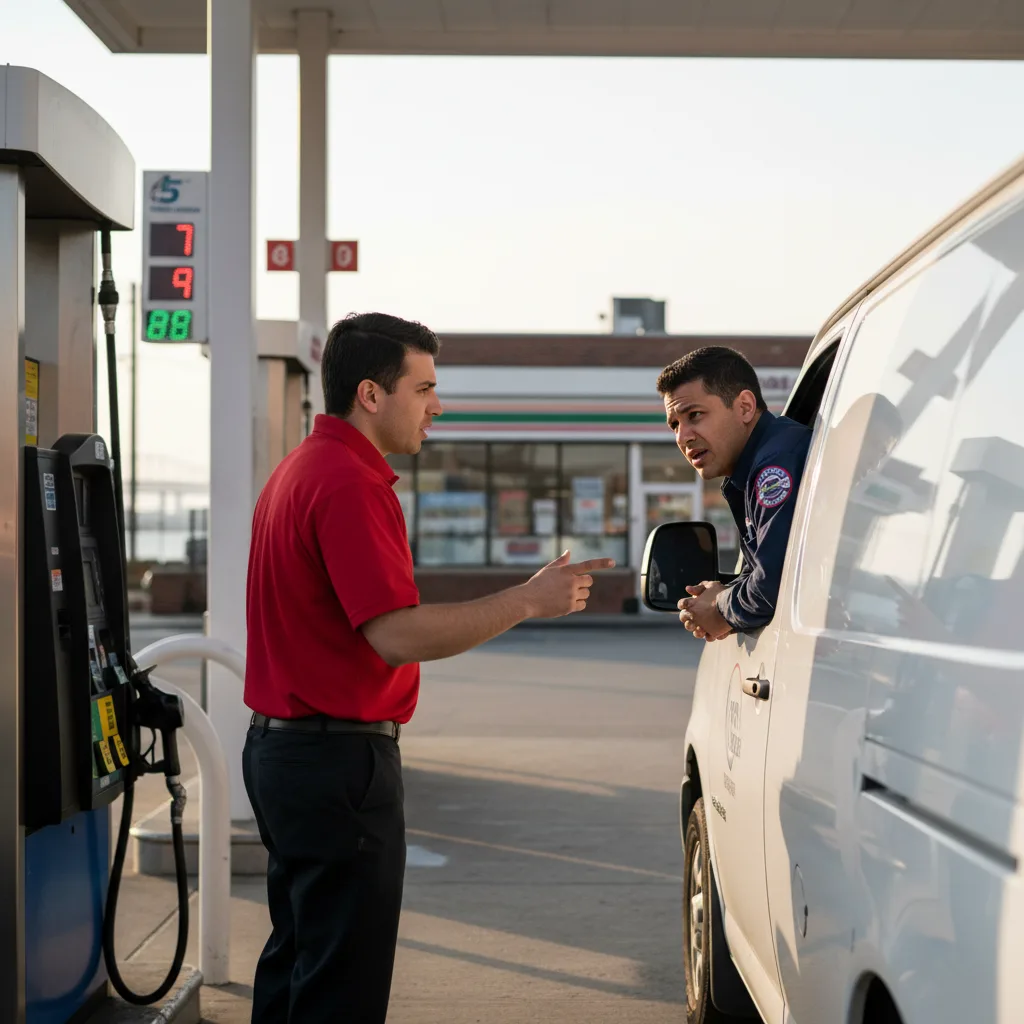
Cross Bay Boulevard Residents Anxious Over Strait of Hormuz Standoff
Cross Bay Boulevard residents are anxious as Iran's Strait of Hormuz stance threatens gas prices and local economy, affecting daily commutes and costs.

Cross Bay Boulevard Residents Concerned Over Yemen Airstrikes Impact on Economy 2026
Queens residents on Cross Bay Boulevard are concerned about rising gas prices and supply issues after Saudi airstrikes hit Yemen's capital on October 3, 2026. This impacts the local economy.
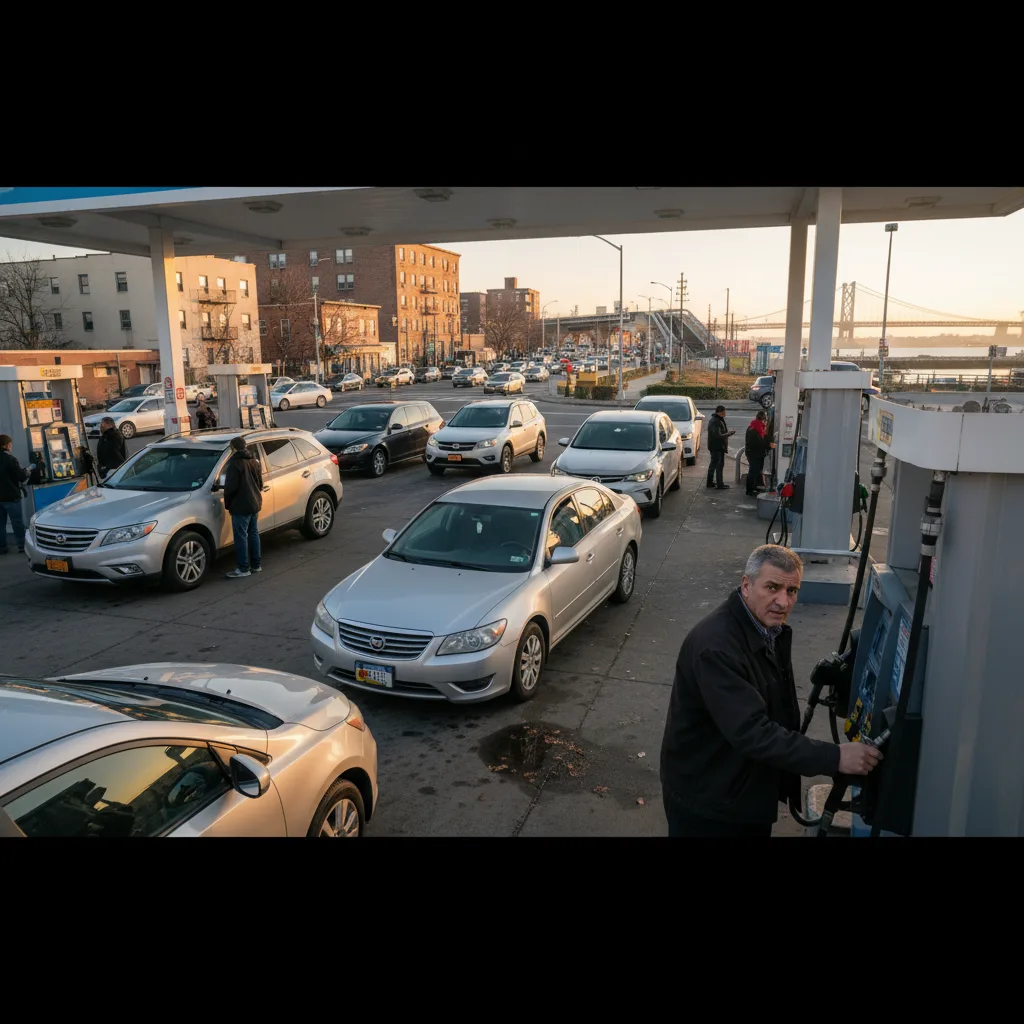
Cross Bay Residents Discuss Iran War Impact on Household Budgets
Cross Bay residents discuss the U.S.-Iran crisis impact on gas prices and household budgets, fearing a ripple effect on daily costs.

Your Essential Guide to Sandals Jamaica Montego Bay for Queens Travelers
Planning a luxurious escape? Our guide to Sandals Jamaica Montego Bay helps Queens residents plan the perfect all-inclusive, adults-only Caribbean getaway.
Your Guide to Exploring Jamaica Excursions from Montego Bay for Queens Travelers
Discover the best Jamaica excursions from Montego Bay for Queens residents, including top attractions, transportation tips, and what to pack for your adventure.