


Cross Bay Boulevard Traffic Calming Project Details Revealed
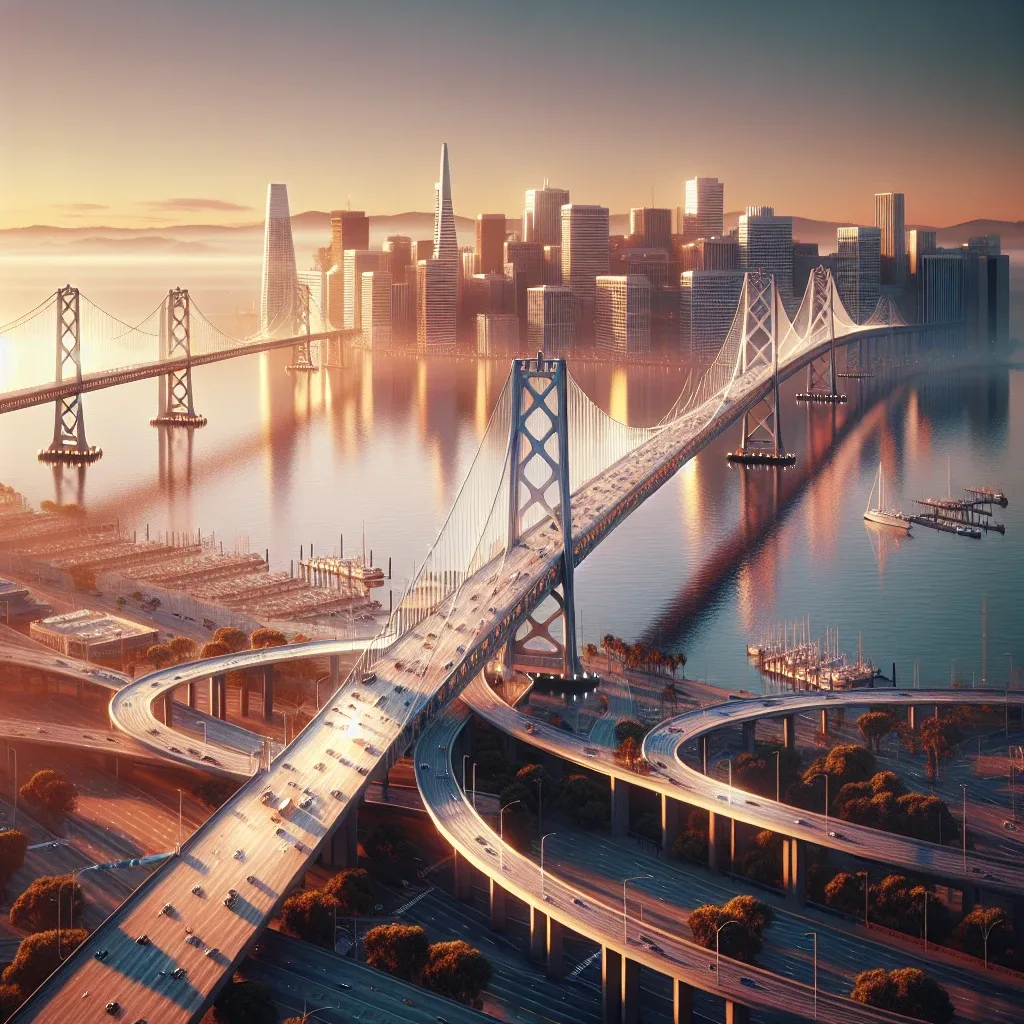
NEW YORK — A comprehensive multi-phase project designed to enhance safety and mitigate traffic speeds along Cross Bay Boulevard in Queens is now officially underway. With an allocated budget of $12.8 million for its initial phase, this initiative aims to transform the bustling corridor, addressing long-standing community concerns regarding pedestrian vulnerability and vehicle speeds. The project is expected to significantly improve the quality of life for residents and commuters alike.
Announced by the New York City Department of Transportation (NYC DOT) in collaboration with local elected officials, the plans detail a series of infrastructure upgrades. These changes will span several miles of the boulevard, from its northern entrance in Ozone Park down to the Broad Channel and Howard Beach communities, with completion projected by late 2027.
Phase One: Immediate Safety Enhancements
The initial phase, commencing in June 2026, will focus on implementing immediate traffic calming measures in high-pedestrian areas. This includes the installation of 15 new speed humps near schools and community centers, particularly around the areas of Rockaway Boulevard and North Channel Bridge approach. Additionally, 30 enhanced pedestrian crossings with high-visibility markings and improved signage are planned.
According to NYC DOT Commissioner Ydanis Rodriguez, these early interventions are critical for addressing the most urgent safety needs. "Our data indicates that these specific locations have seen a disproportionate number of pedestrian-involved incidents," Rodriguez stated at a press conference on May 20, 2026, held at the Ozone Park Community Center. "These measures are designed to force drivers to reduce speeds and be more aware of pedestrians." The project also includes the planting of 20 new trees to create natural buffers and improve aesthetics.
Long-Term Vision: Complete Street Transformation
Subsequent phases of the project, slated for 2027, envision a more substantial transformation of Cross Bay Boulevard into a "complete street." This involves redesigning intersections to improve traffic flow and reduce conflict points, creating dedicated bus lanes, and adding protected bike lanes to encourage alternative modes of transportation. The overall goal is to make the boulevard safer and more accessible for all users, not just motorists. The full scope of the multi-phase project can be explored further in the official project outline from Cross Bay Current.
Funding for these later phases is projected to exceed $40 million, drawing from both city and federal infrastructure grants. The commitment reflects a significant investment in the future of southern Queens infrastructure. The comprehensive nature of the plan suggests a holistic approach to urban planning, considering diverse needs of a bustling urban corridor.
Community Engagement and Feedback
Community input has played a crucial role in shaping the project's design. Numerous workshops and public forums were held over the past two years, gathering feedback from residents, business owners, and local advocacy groups. The concerns raised included excessive speeding, particularly during off-peak hours, and a lack of safe crossing opportunities for children and seniors.
"For too long, Cross Bay Boulevard has felt like a highway running through our neighborhoods, not a street serving them," commented Patricia Smith, president of the Howard Beach Civic Association, on May 21, 2026. "This project represents a crucial step towards reclaiming our streets and making them truly safe for everyone." Her organization was instrumental in lobbying for these safety improvements, submitting a petition with over 3,000 signatures in late 2025.
Economic and Environmental Benefits
Beyond safety, the traffic calming project is expected to yield economic and environmental benefits. Reduced vehicle speeds can lead to lower emissions and improved air quality along the corridor. Enhanced pedestrian and cyclist infrastructure may also encourage local commerce by making it easier for residents to access businesses on foot or by bike.
Urban planners anticipate that a more pleasant and safer street environment will also stimulate local economic growth, attracting new businesses and increasing property values. The initiative aligns with Mayor Adams' broader vision for a greener and more walkable New York City. The integration of sustainable elements is a key component of modern urban development, mirroring efforts in other parts of the city.
Addressing Future Challenges
While the project is widely supported, some challenges remain. Ensuring minimal disruption during construction, managing potential traffic diversion onto residential side streets, and securing ongoing maintenance funding are all critical considerations. NYC DOT has pledged to provide regular updates and establish clear communication channels with affected communities throughout the construction period.
Local law enforcement, including the NYPD’s 106th and 102nd Precincts, will also play a role in monitoring traffic patterns during construction and enforcing new speed limits. The collaboration between city agencies and local groups is vital for the successful implementation and long-term effectiveness of such a large-scale project. This type of project can also intersect with discussions around maintaining public order, for example, regarding suspects sought after a street takeover which impacts traffic flow and safety.
Frequently Asked Questions
What is the Cross Bay Boulevard traffic calming project? It's a multi-phase infrastructure project by NYC DOT, with an initial budget of $12.8 million, aimed at improving safety and reducing vehicle speeds on Cross Bay Boulevard. The project includes new speed humps, enhanced pedestrian crossings, redesigned intersections, and dedicated bike/bus lanes, with completion anticipated by late 2027.
What are the key features of Phase One? Phase One, beginning in June 2026, will focus on immediate safety enhancements. This includes installing 15 new speed humps in high-pedestrian areas and creating 30 enhanced pedestrian crossings with better markings and signage, especially around the Rockaway Boulevard and North Channel Bridge vicinity.
How will the community be affected by this project? The project aims to significantly improve safety for pedestrians and cyclists, reduce noise, and potentially boost local commerce. While there may be some temporary construction-related disruptions, NYC DOT plans to maintain open communication with residents and businesses, addressing concerns about traffic diversion and ensuring smooth implementation.
Written by
Newstrix
Cross Bay News
Related Articles
More in Development & Infrastructure →
CM Ariola Urges Major Infrastructure Overhaul After Queens Floods
CM Ariola calls for major infrastructure overhaul in south Queens after weekend storm wreaks havoc. Residents face continued coastal flooding threats.
Mamdani Fast-Tracks 12 Districts for Affordable Housing, 5 in Queens
Council Member Mamdani fast-tracked 12 districts, including five in Queens, for affordable housing to address the ongoing crisis. This initiative impacts local neighborhoods like Howard Beach and Ozone Park, prompting calls for infrastructure upgrades to support growth.
City Hall Accelerates Housing Development in Howard Beach, South Ozone Park
City Hall is fast-tracking housing development in Queens' Howard Beach and South Ozone Park to address affordability, affecting Cross Bay Boulevard communities.

Howard Beach Community Meetings Address Flooding and Infrastructure 2026
Howard Beach community meetings on October 2, 2026, addressed local flooding and ongoing infrastructure issues relevant to South Queens. Residents seek solutions for these pressing concerns.
NYC DOT Approves Permit for Cross Bay Boulevard Bridge Repairs 2026
NYC DOT approved permits for Cross Bay Boulevard bridge repairs on October 3, 2026, addressing vital infrastructure needs in South Queens. Residents face traffic impacts; stay informed for commute changes.
City Hall Targets Queens Board 10 for Fast-Tracked Housing Development
City Hall fast-tracks housing development in Queens' Community Board 10, including South Ozone Park and Howard Beach, to boost affordable options.