


Cross Bay Boulevard Traffic Overwhelms Queens Commuters 2025

NEW YORK — Cross Bay Boulevard, a critical 10-mile artery connecting Elmhurst to the Rockaways, continues to be a major source of frustration for Queens commuters and local residents. Its persistent traffic congestion, particularly during peak hours, often transforms routine journeys into prolonged ordeals.
Originally a colonial-era path, the boulevard has evolved dramatically over centuries, struggling to accommodate the burgeoning population and vehicular demands of modern Queens. This historic roadway now faces chronic gridlock, impacting daily life and local commerce.
From Colonial Path to Modern Traffic Choke Point
Cross Bay Boulevard’s origins trace back to rudimentary paths established during the colonial era, serving as vital links between early settlements and coastal areas. Over time, these pathways were gradually improved and expanded, becoming a formal roadway crucial for linking the mainland to the Rockaway Peninsula.
By the mid-20th century, rapid suburbanization across Queens dramatically increased vehicular traffic, transforming the boulevard into a major transit corridor. The inherent design, not originally built for such high volumes, now contributes significantly to the daily congestion experienced by thousands, as detailed by qns.com in their December 2025 report.
This historical context highlights a fundamental challenge: an infrastructure originally designed for horse-drawn carriages or early automobiles now struggles to manage an endless stream of modern vehicles. The constant flow of cars, trucks, and buses often grinds to a halt during rush hours.
Daily Grind: Commuter Experiences and Economic Impact
Commuters regularly voice their exasperation with the boulevard’s traffic conditions. Sarah Jenkins, who drives from Howard Beach to Forest Hills daily, described her commute as “unpredictable and utterly draining.” She notes that a trip that should take 20 minutes can easily stretch to an hour.
“It’s not just the time lost; it’s the constant stress, the fuel wasted, and the impact on my workday,” Jenkins stated. “Something needs to change dramatically to make this route manageable again.”
Local businesses along Cross Bay Boulevard also bear the brunt of this congestion. Delivery services face significant delays, impacting customer satisfaction and operational costs. Retail establishments report that customers are often deterred by the difficulty of accessing their stores and finding parking.
Vincent DeMarco, owner of a hardware store near the Ozone Park section of the boulevard, remarked, “When traffic is backed up for miles, people just avoid the area. It hurts all of us here.” He emphasized the need for comprehensive strategies to alleviate the perpetual slowdowns.
Infrastructure Challenges and Proposed Solutions
One of the primary challenges lies in the boulevard's numerous intersections and limited opportunities for expansion, particularly through dense residential and commercial zones. The design includes frequent traffic lights, contributing to stop-and-go patterns that exacerbate congestion.
Urban planners and transportation experts have long debated potential solutions, ranging from synchronized traffic light systems to dedicated bus lanes. However, implementing such changes often faces hurdles related to cost, community disruption, and available space along the established corridor.
Among the frequently discussed solutions are improvements to public transportation alternatives, such as enhanced express bus services along the corridor. Encouraging more residents to utilize mass transit could significantly reduce the number of private vehicles on the boulevard.
Other proposals include exploring 'smart' traffic management systems that adapt to real-time conditions, potentially easing bottlenecks. However, these require substantial investment and coordinated efforts across multiple city agencies.
NYC DOT's Stance and Future Planning
Sources within the New York City Department of Transportation (DOT) acknowledge the long-standing issues on Cross Bay and Woodhaven Boulevards. They indicate that the agency is continually evaluating traffic patterns and exploring incremental improvements.
Past projects have focused on pedestrian safety upgrades and minor intersection adjustments, but a large-scale overhaul remains a complex undertaking. The DOT often prioritizes projects based on accident data and community feedback, balancing competing interests.
The agency emphasizes the difficulty of addressing deeply ingrained traffic issues in a densely populated urban environment without significant disruption. Any major construction project would require extensive planning, environmental reviews, and public consultation.
Discussions continue regarding the possibility of a dedicated bus rapid transit (BRT) line along the Woodhaven-Cross Bay corridor, a concept that has been on the drawing board for years. Such a project could offer a more reliable and faster alternative for commuters, reducing the pressure on the roadway itself, as outlined in QNS's December 2025 traffic analysis.
Community Advocacy and Long-Term Vision
Local civic associations and community boards consistently advocate for comprehensive solutions to the traffic woes. They regularly submit petitions and engage in public forums, demanding greater attention from city planners and elected officials.
The long-term vision for Cross Bay Boulevard involves a multi-modal approach, balancing the needs of drivers, pedestrians, cyclists, and public transit users. Achieving this balance requires not just infrastructure upgrades but also behavioral shifts and a commitment to sustainable urban mobility.
Residents remain hopeful that dedicated planning and significant investment can transform the boulevard from a “traffic machine” back into a more efficient and pleasant artery for all Queens residents. The ongoing dialogue between the community and city agencies is critical for charting this future path.
Frequently Asked Questions About Cross Bay Boulevard Traffic
Why is Cross Bay Boulevard so congested? Cross Bay Boulevard, originally a colonial path, has evolved into a 10-mile artery designed for significantly lower traffic volumes than it currently handles. Its numerous intersections, lack of expansion capacity, and the sheer volume of modern vehicles contribute to chronic congestion, especially during peak commuting hours in 2025.
What are the main impacts of this traffic congestion on local residents and businesses? Commuters face unpredictable, extended travel times and increased stress, while local businesses experience reduced foot traffic and higher operational costs due to delayed deliveries. The quality of life for residents along the boulevard is also affected by noise and air pollution.
What solutions are being discussed to alleviate the traffic problems? Proposed solutions include implementing synchronized traffic light systems, enhancing express bus services, exploring 'smart' traffic management, and potentially developing a bus rapid transit (BRT) line along the Woodhaven-Cross Bay corridor. These initiatives aim to improve flow and encourage public transit use.
How is the NYC Department of Transportation (DOT) involved? The DOT continually evaluates traffic patterns on Cross Bay Boulevard and implements incremental improvements, though a large-scale overhaul is complex. The agency prioritizes projects based on accident data and community feedback, balancing various urban planning considerations and advocating for public transportation upgrades.
What is the historical significance of Cross Bay Boulevard? Cross Bay Boulevard has roots as a colonial-era path, developing over centuries into a critical link between mainland Queens and the Rockaway Peninsula. Its historical evolution reflects the growth of Queens from early settlements to a densely populated urban area, underscoring the challenges of adapting old infrastructure to modern demands.
Written by
Newstrix
Cross Bay News
Related Articles
More in Development & Infrastructure →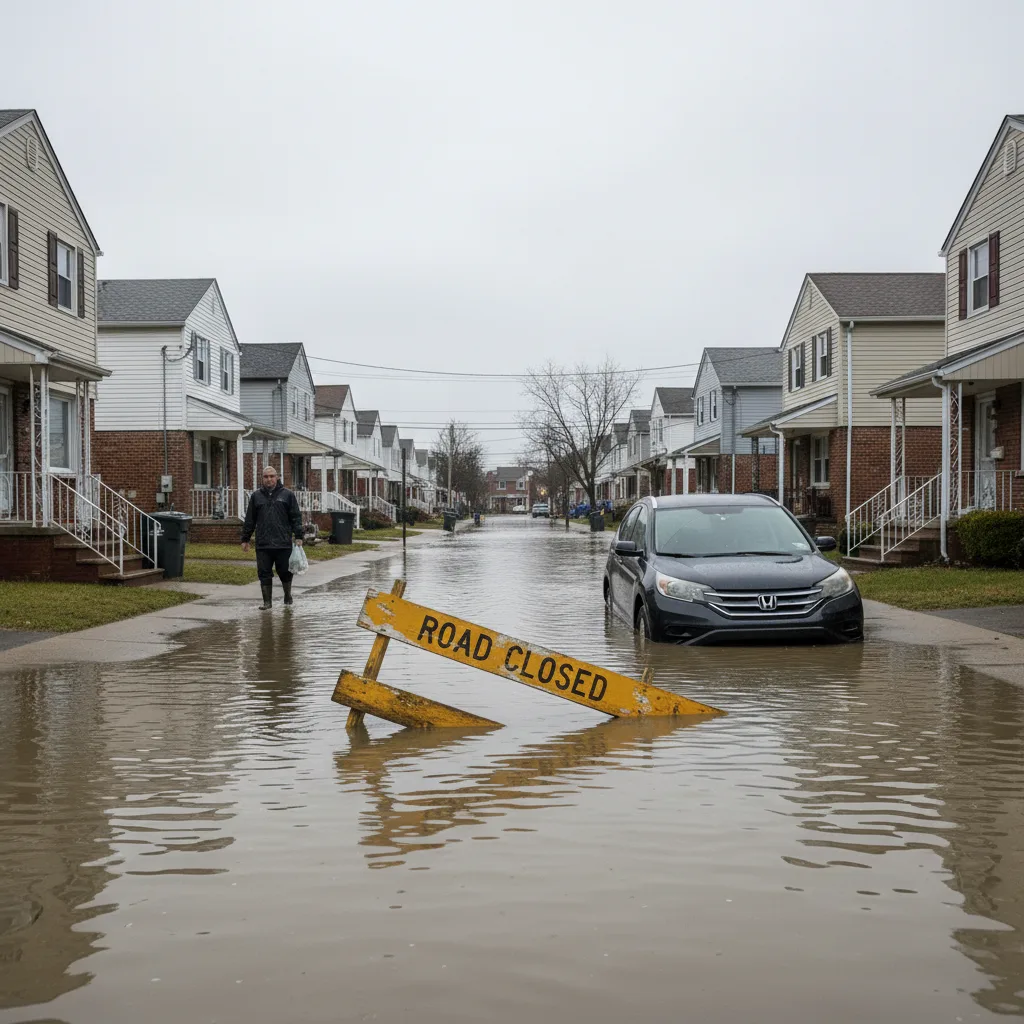
CM Ariola Urges Major Infrastructure Overhaul After Queens Floods
CM Ariola calls for major infrastructure overhaul in south Queens after weekend storm wreaks havoc. Residents face continued coastal flooding threats.
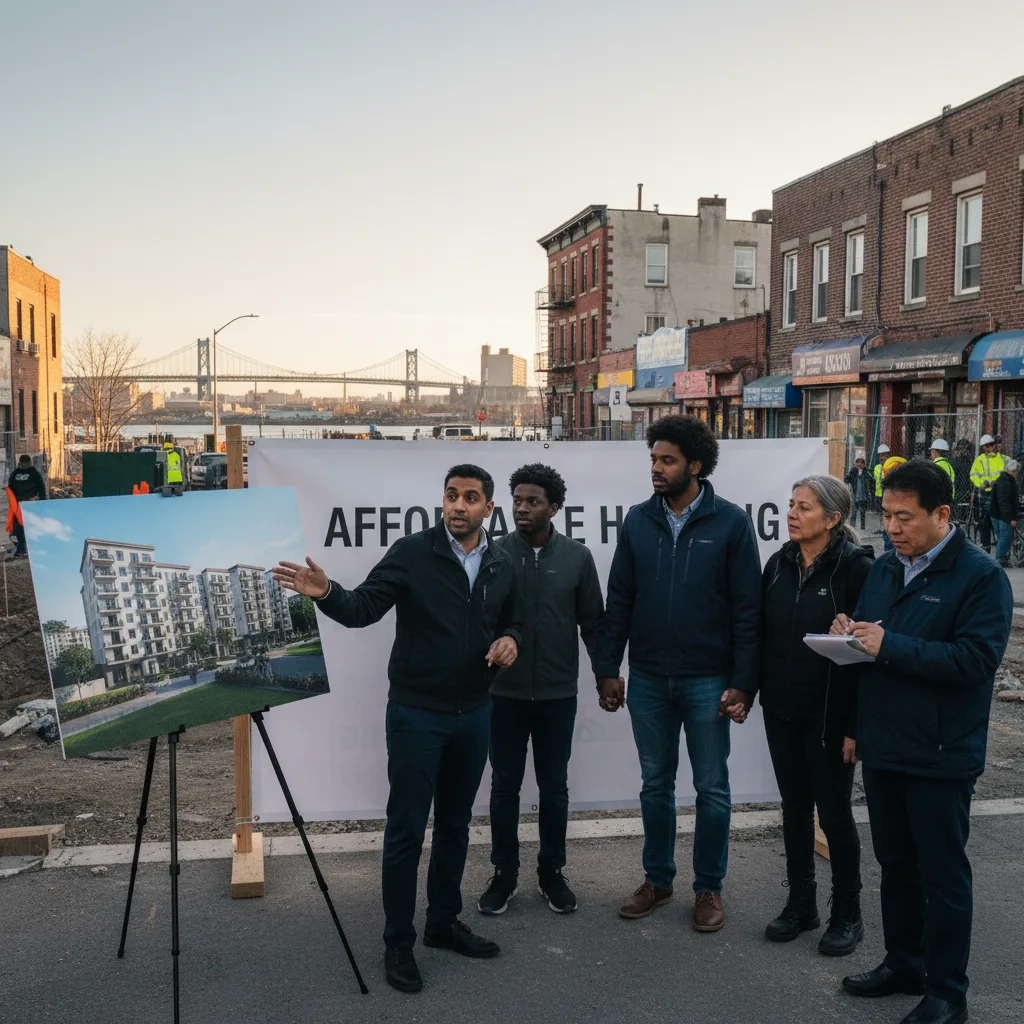
Mamdani Fast-Tracks 12 Districts for Affordable Housing, 5 in Queens
Council Member Mamdani fast-tracked 12 districts, including five in Queens, for affordable housing to address the ongoing crisis. This initiative impacts local neighborhoods like Howard Beach and Ozone Park, prompting calls for infrastructure upgrades to support growth.
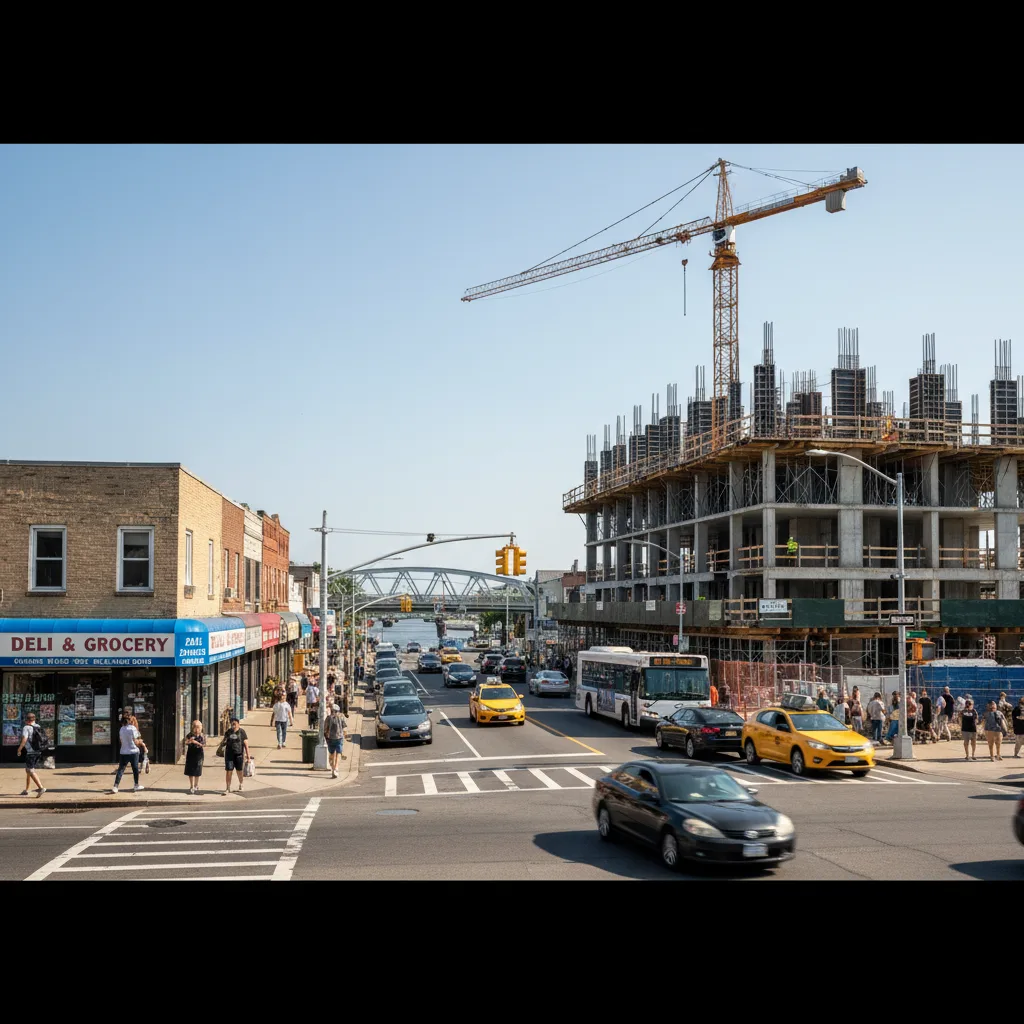
City Hall Accelerates Housing Development in Howard Beach, South Ozone Park
City Hall is fast-tracking housing development in Queens' Howard Beach and South Ozone Park to address affordability, affecting Cross Bay Boulevard communities.

Howard Beach Community Meetings Address Flooding and Infrastructure 2026
Howard Beach community meetings on October 2, 2026, addressed local flooding and ongoing infrastructure issues relevant to South Queens. Residents seek solutions for these pressing concerns.
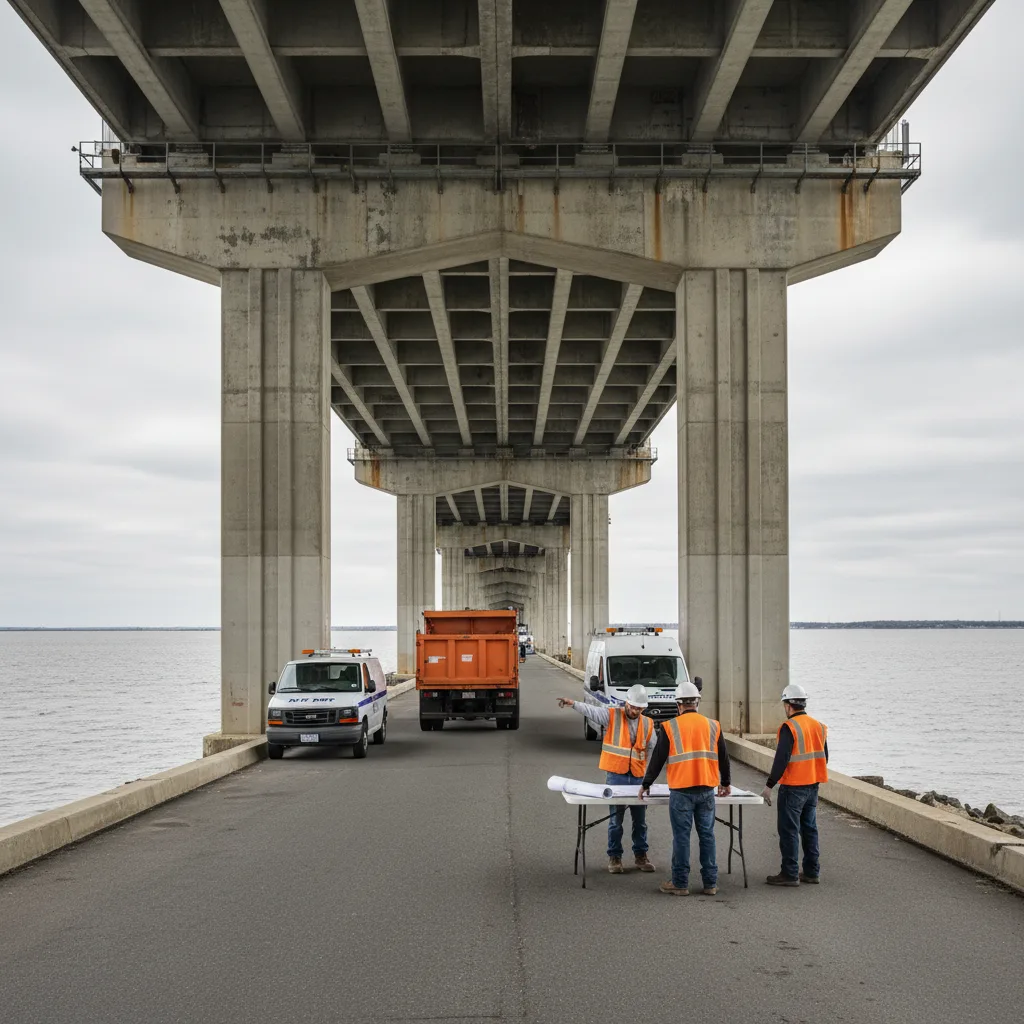
NYC DOT Approves Permit for Cross Bay Boulevard Bridge Repairs 2026
NYC DOT approved permits for Cross Bay Boulevard bridge repairs on October 3, 2026, addressing vital infrastructure needs in South Queens. Residents face traffic impacts; stay informed for commute changes.
City Hall Targets Queens Board 10 for Fast-Tracked Housing Development
City Hall fast-tracks housing development in Queens' Community Board 10, including South Ozone Park and Howard Beach, to boost affordable options.