


Cross Bay Bridge Traffic Plan to Ease Congestion, 2026 Holiday Season

NEW YORK — Officials are rolling out a new traffic management plan for the Cross Bay Bridge and surrounding Cross Bay Boulevard area, aiming to significantly ease congestion during the upcoming 2026 holiday season. The initiative comes in response to perennial gridlock issues that plague the crucial artery connecting mainland Queens to the Rockaway Peninsula. Local businesses and commuters eagerly await potential relief from the notorious traffic bottlenecks.
The Department of Transportation (DOT) and NYPD are collaborating on the comprehensive strategy, which includes enhanced signal timing, increased traffic enforcement, and public awareness campaigns. The goal is to improve the flow of vehicles and enhance pedestrian safety in one of the borough's most heavily trafficked corridors. This proactive approach seeks to mitigate holiday travel frustrations for thousands of residents and visitors.
Perennial Congestion on Cross Bay Boulevard
Cross Bay Boulevard, particularly leading to the Joseph P. Addabbo Memorial Bridge (commonly known as the Cross Bay Bridge), is notorious for severe traffic congestion, especially during peak summer months and major holidays. The bottleneck effect is exacerbated by the limited access points to the Rockaways and the confluence of local and commuter traffic. This has been a long-standing complaint among residents.
Locals often report delays of 30 minutes to over an hour just to traverse the short bridge and its approaches. These delays impact emergency services, local commerce, and the quality of life for those living in the Rockaways and southern Queens. Addressing this issue has been a consistent demand from community leaders for years.
Elements of the New Traffic Management Plan
The 2026 holiday season traffic plan is multifaceted, integrating several key components. The DOT is implementing adaptive signal timing technology along Cross Bay Boulevard, which will dynamically adjust traffic lights based on real-time traffic volume. This aims to optimize green light duration to keep traffic moving more efficiently through key intersections.
NYPD's Highway Patrol will deploy additional officers to critical choke points to manually direct traffic and enforce no-standing zones. These officers will also focus on preventing illegal U-turns and blocking of intersections, common contributors to gridlock. The combined efforts seek to streamline vehicle movement and minimize disruptions, as local news sources previously discussed Queens traffic solutions in related contexts.
Public Awareness and Alternate Routes
A crucial part of the plan involves a public awareness campaign, urging drivers to plan their trips, use public transportation where possible, and be aware of designated alternate routes. Digital message boards will display real-time traffic information and suggested detours, especially during peak travel periods. The success of the plan relies heavily on driver cooperation.
Residents traveling to the Rockaways are encouraged to consider using the A train or ferry services, which offer alternatives to vehicular traffic. Information on public transit options and schedules will be widely disseminated through local media and community channels. Reducing the number of single-occupancy vehicles can significantly alleviate pressure on the boulevard.
Impact on Local Businesses and Tourism
Local businesses along Cross Bay Boulevard and in the Rockaways stand to benefit significantly from improved traffic flow. Reduced congestion means easier access for customers, potentially boosting holiday sales and overall economic activity. Many businesses have long cited traffic as a major impediment to growth during peak seasons.
Tourism to the Rockaways, a popular destination for its beaches and boardwalk, is also expected to be positively impacted. Easier access could encourage more visitors, benefiting restaurants, shops, and recreational services. The plan aims to make the journey to and from this vibrant coastal community more enjoyable and less stressful for everyone. The plan is a critical response to recurring Cross Bay Boulevard traffic issues.
Future Considerations and Long-Term Solutions
While this plan targets the immediate holiday season, city officials are also exploring long-term solutions to Cross Bay Boulevard's chronic congestion. These considerations include potential infrastructure improvements, such as lane reconfigurations or new public transit options. Any major infrastructure changes would require extensive environmental reviews and community input.
The DOT is also studying the feasibility of smart traffic systems that could predict congestion patterns and proactively adjust traffic flow throughout the year. Continued collaboration with community boards and local advocacy groups will be essential in developing sustainable strategies for the future. The ultimate goal is to create a more efficient and livable corridor for all who use it.
Frequently Asked Questions About Cross Bay Boulevard Traffic Plan
Q: What is the main goal of the new traffic management plan for Cross Bay Boulevard? A: The main goal is to significantly ease traffic congestion on the Cross Bay Bridge and surrounding boulevard area during the 2026 holiday season, addressing long-standing gridlock issues.
Q: Who is involved in implementing this new traffic plan? A: The Department of Transportation (DOT) and the NYPD are collaborating on the plan, combining adaptive signal timing with increased traffic enforcement and public awareness campaigns.
Q: What measures are included to improve traffic flow? A: Measures include adaptive signal timing, increased NYPD Highway Patrol deployment for manual traffic direction, and enforcement against violations that contribute to congestion, such as illegal U-turns.
Q: How are the authorities engaging the public in this plan? A: A public awareness campaign urges drivers to plan trips, use public transportation, and utilize designated alternate routes, with real-time traffic information displayed on digital message boards.
Q: What are the potential long-term benefits and future considerations for Cross Bay Boulevard traffic? A: Long-term benefits include improved access for businesses and tourism. Future considerations involve potential infrastructure improvements, such as lane reconfigurations, new transit options, and smart traffic systems to manage year-round congestion.
Written by
Newstrix
Cross Bay News
Related Articles
More in Transportation & Traffic →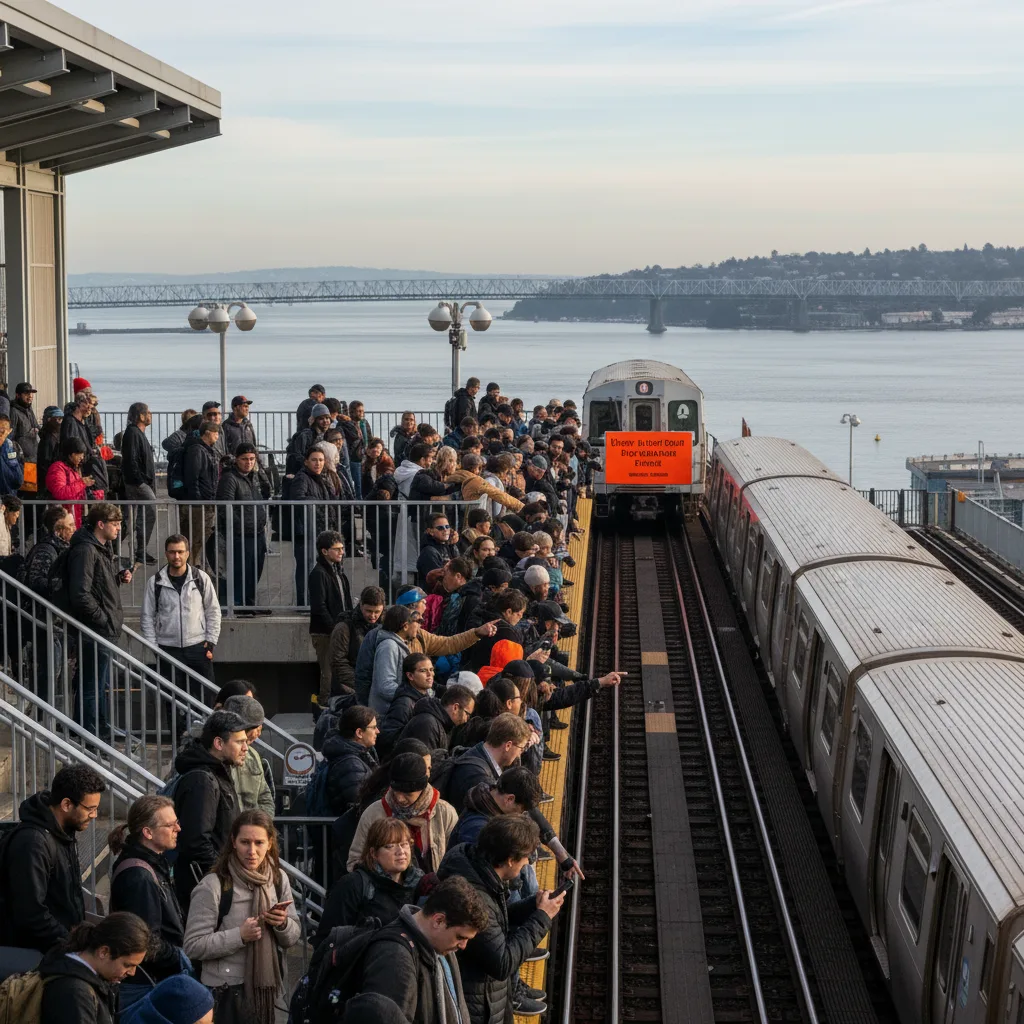
A Train Service Disrupted Between Broad Channel and Far Rockaway 2026
A Train service was rerouted and suspended between Broad Channel and Far Rockaway on Oct 6, 2026. Thousands of Queens commuters faced major delays.
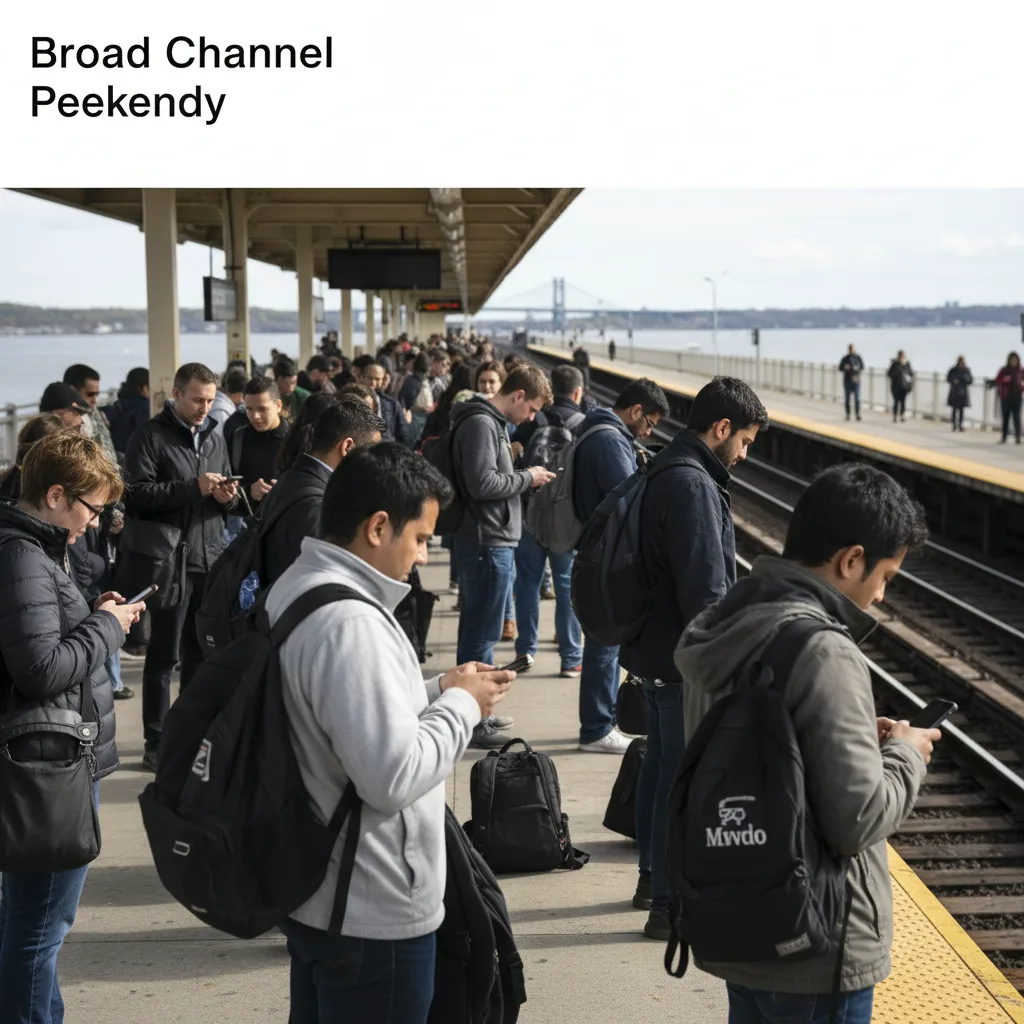
Queens Commuters Face Subway Service Disruptions This Weekend, October 2-5
Queens commuters face significant subway service disruptions this weekend (October 2-5, 2026) as MTA halts A train service between Broad Channel and Far Rockaway-Mott Av. Prepare for delays.
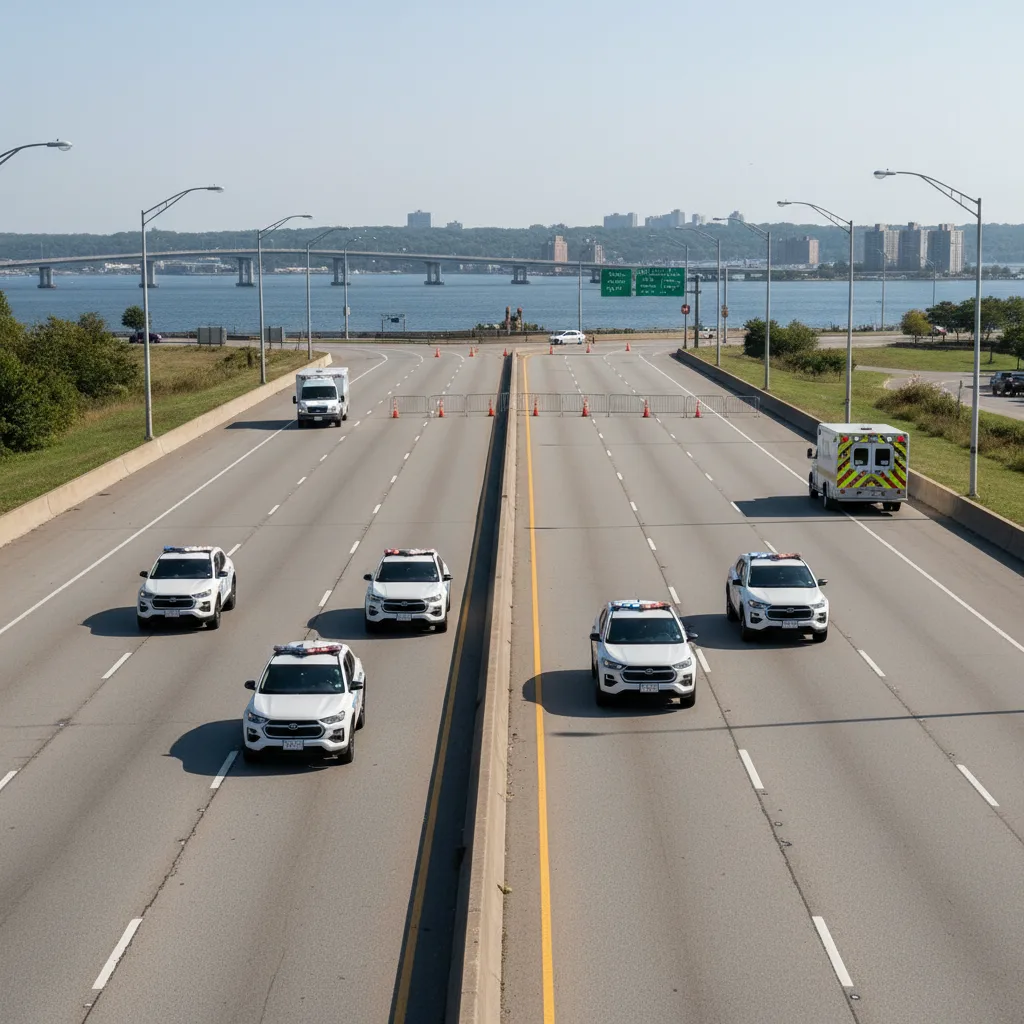
Cross Island Parkway Crash Injures Five, Closes Portion on Labor Day
A major crash on Cross Island Parkway in Queens injured five, including teens, and closed a portion of the highway this Labor Day Weekend.

Collision on Shore Parkway Eastbound Blocks Lane Near Crossbay Boulevard
A vehicle collision on Shore Parkway eastbound near Crossbay Boulevard in Howard Beach, Queens, has blocked one lane, causing significant delays.
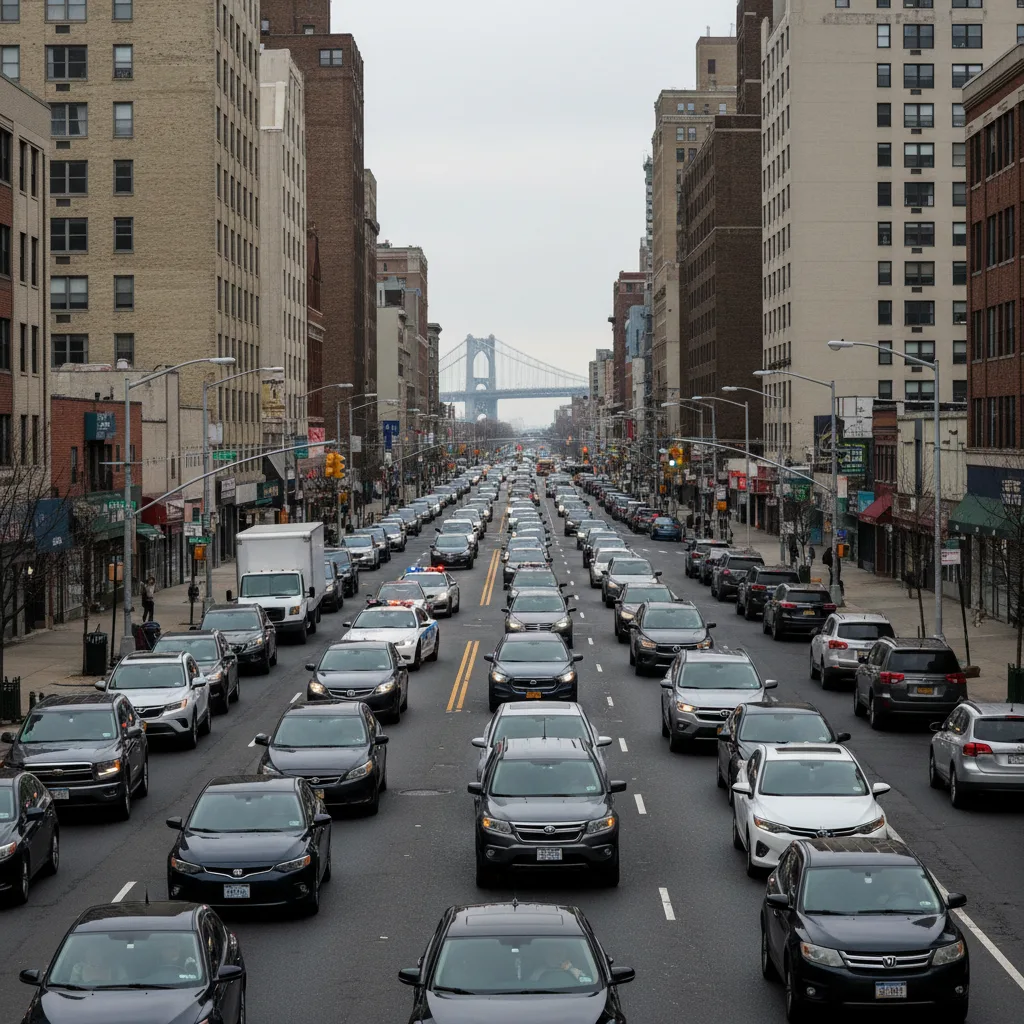
Cross Bay Boulevard Commuters Face Major Traffic Delays After Cyclist Fatality
Cross Bay Boulevard commuters faced traffic delays on October 3, 2026, as officials pushed for protected bike lanes and a stoplight after a fatal cyclist accident. This impacts Queens residents.
Your Essential Guide to Sandals Jamaica Montego Bay for Queens Travelers
Planning a luxurious escape? Our guide to Sandals Jamaica Montego Bay helps Queens residents plan the perfect all-inclusive, adults-only Caribbean getaway.