


Cross Bay Businesses Eye Strait of Hormuz Developments with Concern

NEW YORK — Local business owners and residents along Cross Bay Boulevard are closely monitoring global developments in the Strait of Hormuz, following President Trump’s announcement on November 10, 2026, pausing ‘Project Freedom.’ The U.S. mission, designed to guide commercial ships, has halted amid renewed negotiations with Iran, sparking concerns about potential supply chain disruptions and rising fuel costs in Queens.
The global geopolitical shift, as reported by CBS News, has immediately impacted market sentiment. For the maritime and logistics sector, which has direct and indirect ties to Queens’ port operations, the news means uncertainty over future oil transit routes and cargo shipping stability.
Local Supply Chain Vulnerability
Cross Bay Boulevard, a commercial hub with many businesses reliant on imported goods and efficient transport, feels the ripple effects of international events. Shop owners express worry that any prolonged instability could translate into delayed shipments and higher operational costs.
“Every time there’s a hiccup in global shipping, we feel it here,” commented Robert “Bobby” Esposito, owner of Bobby’s Seafood on Cross Bay Boulevard, a business operating for over 60 years. “Our fresh fish often comes through various ports, and fuel prices impact how much we pay for everything, from delivery to electricity.” He noted that even small fluctuations can significantly affect profit margins.
Logistics workers living in Howard Beach and Ozone Park, many employed at nearby JFK Airport or the Port of New York and New Jersey, are also discussing the implications. They see potential for job insecurity or increased workload if routes become more complex or less predictable.
Rising Fuel Costs and Consumer Impact
The initial reaction to the pause included a modest uptick in global oil prices, which directly affects local gas prices. Residents with long commutes or those operating delivery services along Cross Bay Boulevard are bracing for potential increases at the pump.
“A few cents a gallon might not sound like much, but it adds up quickly when you’re driving for work every day,” said Maria Sanchez, a delivery driver for a local pharmacy on Cross Bay. “If these negotiations drag on, we’re all going to pay more, and that comes out of our pockets.” She highlighted her frequent trips throughout the borough.
The prospect of higher transportation costs could also lead to increased prices for a wide array of consumer goods in local stores, from electronics to clothing. This burden would disproportionately affect lower-income families in southeast Queens. For information on local economic initiatives, visit the Cross Bay Boulevard Business Improvement District.
Community Board Discussions and Global Ties
Discussions at recent Queens Community Board 10 meetings have touched upon how global shipping conflicts could affect Queens' port operations and local employment in maritime industries. The interconnectedness of the local economy with international trade routes is becoming increasingly apparent.
Some Cross Bay residents with family ties to the Middle East view the diplomatic pause as a hopeful sign, suggesting it could pave the way for peaceful resolution. They prefer diplomacy over military intervention, even if it entails short-term economic uncertainty.
“It’s a complicated situation, but diplomacy is always better than conflict,” opined Dr. Hassan Ali, a physician residing near the Boulevard, whose family hails from the region. “While there are economic worries, the potential for reduced regional tension is a positive step.” He expressed his hope for a lasting solution.
Looking Ahead: Monitoring and Adaptation
Local businesses and community leaders plan to continue monitoring the situation closely. They are exploring strategies to adapt to potential supply chain volatility, such as diversifying suppliers or adjusting inventory levels. Business owners gather regularly at the Stella Maris Church Hall for civic discussions.
Mayor Adams’ office acknowledged the concerns of New York City’s diverse communities regarding international events. They stated that the city would continue to work with federal partners to understand and mitigate potential economic impacts on local economies like Cross Bay Boulevard.
As the world watches the Strait of Hormuz, the local communities along Cross Bay Boulevard remain keenly aware of how global politics can profoundly shape their daily lives. More insights into local policy responses can be found at the Queens Borough President's Office.
Frequently Asked Questions About Strait of Hormuz Impact on Cross Bay
What is 'Project Freedom' and why was it paused? Project Freedom was a U.S. mission to guide commercial ships through the Strait of Hormuz, paused by President Trump amid negotiations with Iran. Why does this global event affect Cross Bay Boulevard? Many local businesses rely on imported goods, and the area has residents working in logistics and maritime industries. Global shipping disruptions can lead to supply chain issues and higher fuel costs locally. What are the main concerns for Cross Bay businesses? Businesses worry about delayed shipments, increased operational costs, and potential price hikes for consumers due to higher fuel and transport expenses. How are local residents reacting to fuel cost concerns? Residents, especially commuters and delivery drivers, are concerned about potential increases in gas prices, which directly impacts their daily budgets. Are there any positive aspects perceived by residents? Some residents with ties to the Middle East view the diplomatic pause as a hopeful sign for reducing regional tensions, prioritizing peace over short-term economic anxieties. What are local leaders doing? Queens Community Board 10 and local business improvement districts are monitoring the situation and discussing strategies for adaptation and mitigation of economic impacts.
Written by
Newstrix
Cross Bay News
Related Articles
More in Local Economy & Business →
Queens Residents Face Soaring Rent Hikes, Housing Scarcity Along Cross Bay
Queens residents, especially along Cross Bay Boulevard, face severe rent hikes and housing scarcity, mirroring international housing protests. Local families are struggling.
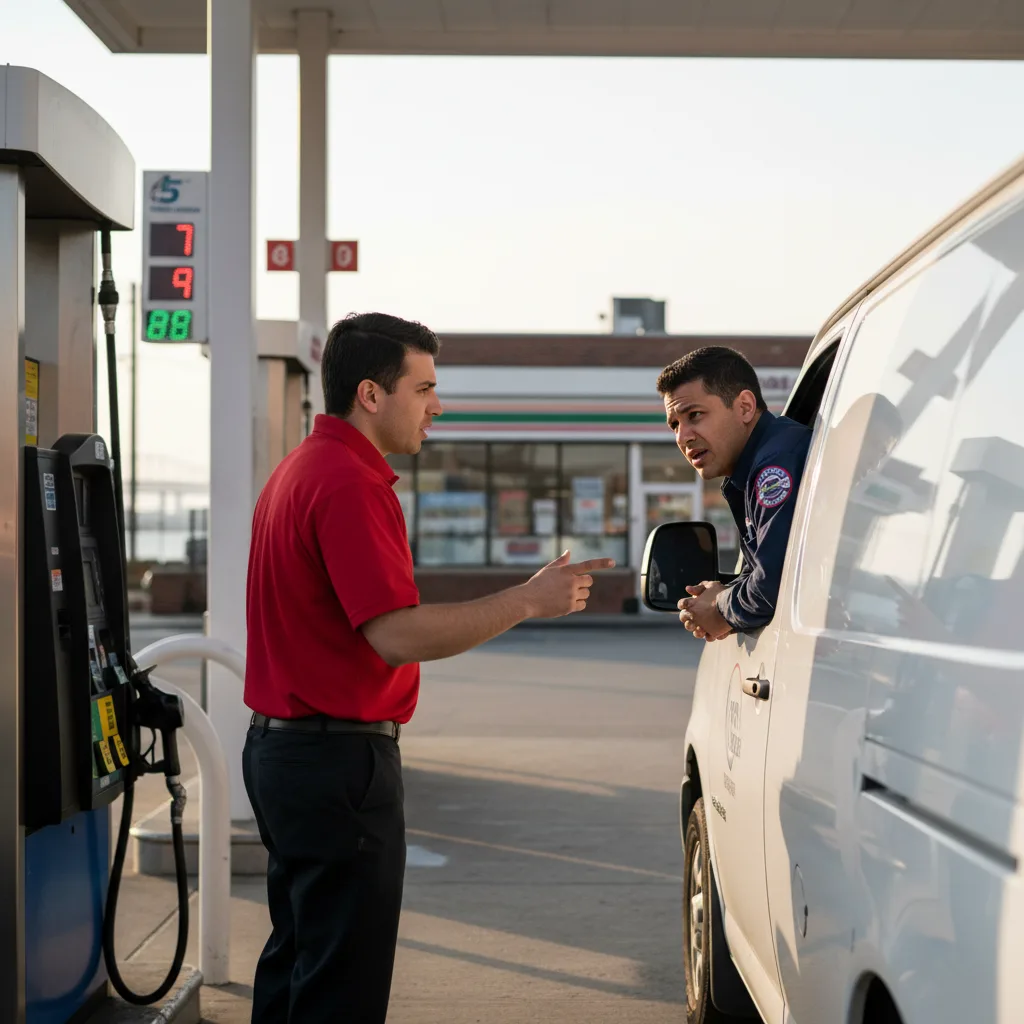
Cross Bay Boulevard Residents Anxious Over Strait of Hormuz Standoff
Cross Bay Boulevard residents are anxious as Iran's Strait of Hormuz stance threatens gas prices and local economy, affecting daily commutes and costs.
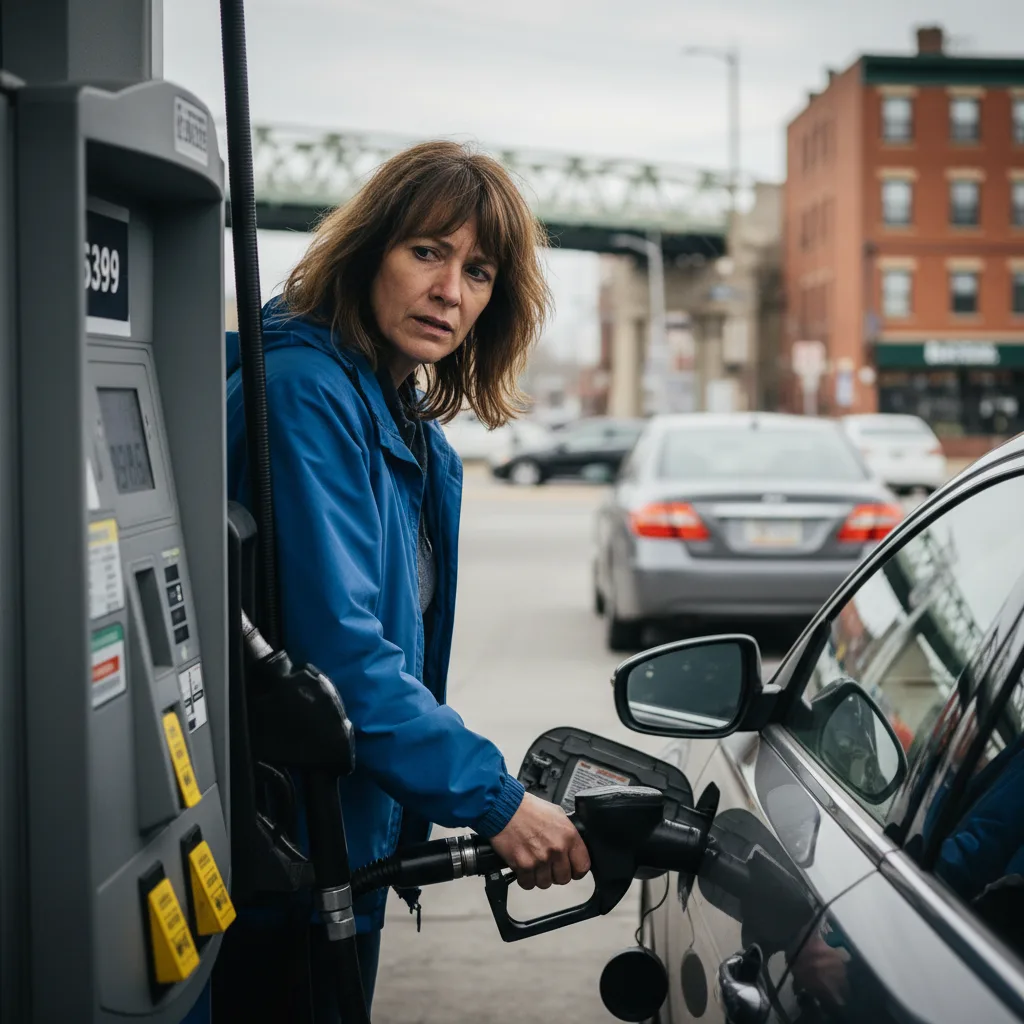
Cross Bay Boulevard Residents Concerned Over Yemen Airstrikes Impact on Economy 2026
Queens residents on Cross Bay Boulevard are concerned about rising gas prices and supply issues after Saudi airstrikes hit Yemen's capital on October 3, 2026. This impacts the local economy.
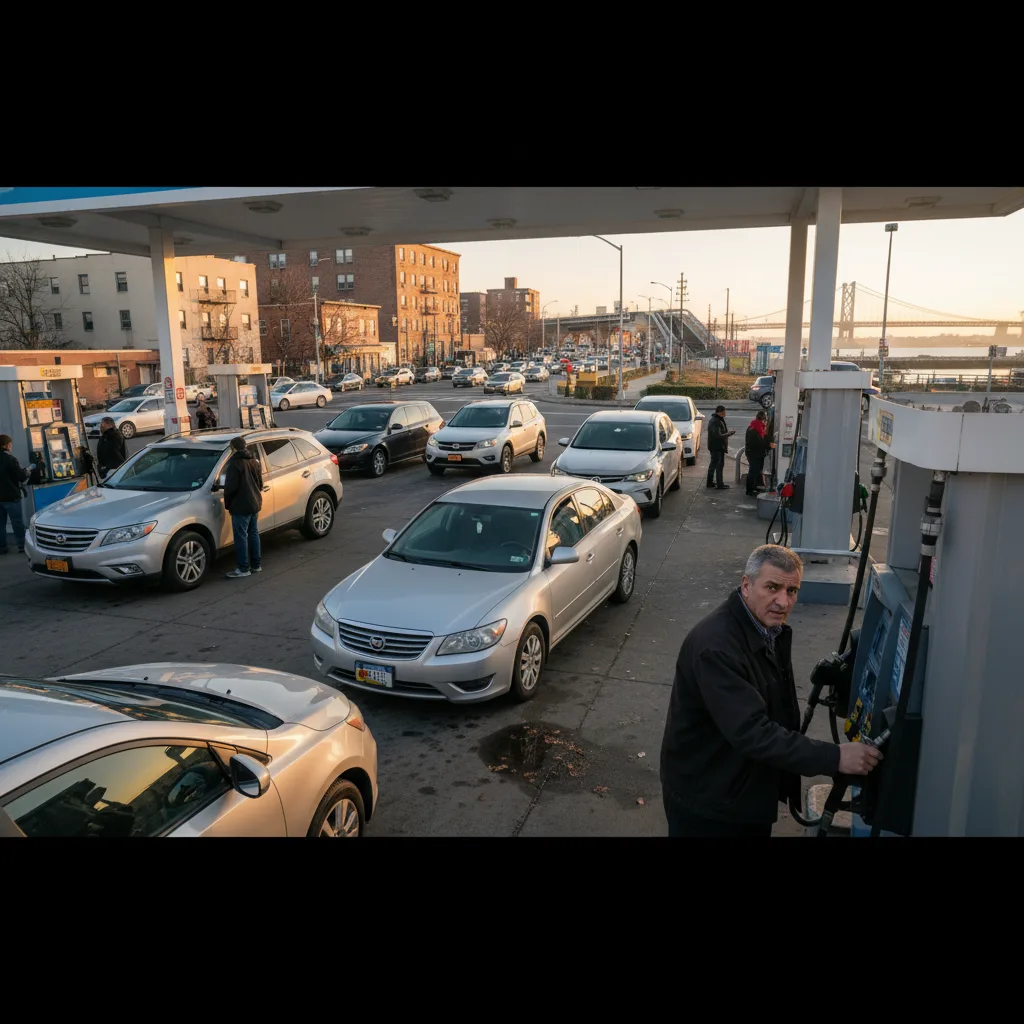
Cross Bay Residents Discuss Iran War Impact on Household Budgets
Cross Bay residents discuss the U.S.-Iran crisis impact on gas prices and household budgets, fearing a ripple effect on daily costs.
Your Essential Guide to Sandals Jamaica Montego Bay for Queens Travelers
Planning a luxurious escape? Our guide to Sandals Jamaica Montego Bay helps Queens residents plan the perfect all-inclusive, adults-only Caribbean getaway.
Your Guide to Exploring Jamaica Excursions from Montego Bay for Queens Travelers
Discover the best Jamaica excursions from Montego Bay for Queens residents, including top attractions, transportation tips, and what to pack for your adventure.