


Cross Bay Commuters Face Rising Costs as Oil Hits $116 Amid Iran War

NEW YORK — Brent crude oil prices have soared past $116 per barrel today, marking the highest level since the 2026 Iran war began, following a critical escalation in the Strait of Hormuz. Iran's Islamic Revolutionary Guard Corps Navy turned away three container ships and declared the vital waterway closed, triggering a significant global energy market reaction. This international crisis is immediately translating into rising pump prices, directly impacting gas station owners and commuters along Cross Bay Boulevard in Queens, who are increasingly concerned about soaring transportation costs affecting their daily budgets.
U.S. crude has also settled above $100 per barrel for the first time in four years, signaling a broad-based increase in energy expenses across the nation. President Trump's suggestion that the U.S. could seize Iranian oil fields to resolve the conflict further adds to market volatility and geopolitical tensions. For Queens residents, these developments are not abstract international headlines but rather tangible threats to their financial stability and quality of life.
Cross Bay Boulevard Gas Stations Monitor Escalating Prices
Gas station owners along Cross Bay Boulevard are closely monitoring the rapidly fluctuating wholesale oil prices, which directly dictate the cost consumers pay at the pump. Many report receiving daily, and sometimes hourly, updates on pricing from their suppliers, making it challenging to maintain stable margins while trying to keep fuel affordable for their local clientele. The latest surge in crude oil immediately translates into higher operational costs for these small businesses.
"We've seen prices climb steadily, but this jump to over $116 for Brent crude is unprecedented in recent memory," commented a manager at a Sunoco station near Rockaway Boulevard. "Our customers are already stretched thin, and every increase hurts their wallets and our sales volume." These local businesses act as a barometer for the economic health of the Cross Bay Boulevard corridor, reflecting wider consumer anxieties.
Commuters and Local Businesses Grapple with Fuel Costs
The direct impact of rising fuel prices is most acutely felt by commuters, taxi drivers, and delivery workers who navigate Cross Bay Boulevard daily. For these individuals, gasoline is not a luxury but an essential operating expense, and every penny increase at the pump directly cuts into their earnings. Many are expressing frustration and anxiety about how long they can sustain their current work given these escalating costs.
Local taxi services, a common mode of transportation for many Queens residents, are particularly vulnerable. Drivers report having to work longer hours or absorb significant losses to maintain competitive fares. Delivery workers, essential to the local economy, also face diminished profits as a larger portion of their revenue goes towards fuel. This economic squeeze threatens the livelihood of numerous residents and impacts the broader service sector.
Geopolitical Tensions and Local Economic Anxiety
The escalation of the Iran war and the closure of the Strait of Hormuz underscore how global geopolitical events have immediate and direct economic consequences for local communities like those along Cross Bay Boulevard. The Strait of Hormuz is a critical chokepoint for global oil shipments, and any disruption there sends shockwaves through international markets. These international incidents create a palpable sense of anxiety among Queens residents already grappling with inflation and economic uncertainty.
Conversations at neighborhood spots, from coffee shops to community centers, reflect discussions about the potential for prolonged Middle East tensions to further strain household finances. While residents may not delve into the nuances of international relations, they keenly understand that these conflicts contribute to the rising cost of living, making daily life more expensive and unpredictable. The interconnectedness of global events and local pocketbooks has never been clearer.
President Trump's Rhetoric and Market Volatility
President Trump's aggressive statements, including his suggestion that the U.S. could seize Iranian oil fields, have added another layer of unpredictability to an already volatile situation. While intended to project strength, such rhetoric can further destabilize markets and fuel speculation, potentially leading to even higher oil prices. Community members along Cross Bay Boulevard are debating the wisdom and potential consequences of such assertive diplomatic approaches.
Some residents express concern that such pronouncements could escalate the conflict, leading to more severe economic repercussions. Others, however, support a strong stance, believing it necessary to protect global energy supplies and national interests. This diversity of opinion reflects the complex views within the Queens community regarding international policy and its local economic fallout, highlighting that national policy directly impacts their daily lives.
Adapting to Higher Transportation Costs in Queens
In response to the sustained high fuel prices, residents and businesses along Cross Bay Boulevard are exploring various strategies to adapt and mitigate the financial impact. Many commuters are considering alternative transportation methods, such as increased reliance on public transit (buses and subways) or carpooling, though options can be limited depending on routes and schedules. For some, reducing non-essential travel has become a necessity.
Local businesses are also re-evaluating their logistics and delivery models to optimize fuel efficiency and minimize costs. This may involve adjusting delivery schedules or investing in more fuel-efficient vehicles. The need for adaptability is paramount as the community confronts a new reality of higher energy expenses that show no immediate signs of abatement, putting pressure on every aspect of the local economy. The latest global event updates can be tracked via Wikipedia's Current Events Portal.
Historical Precedents for Oil Price Shocks and Local Resilience
The current surge in oil prices is not the first time Queens residents have faced such economic shocks. Historically, global conflicts and supply disruptions have often led to significant spikes in fuel costs, prompting periods of adaptation and resilience within the community. Past energy crises, like those in the 1970s and early 2000s, serve as reminders of how quickly international events can translate into local economic hardship.
These historical precedents also show the capacity of New York City communities to innovate and adjust, often leading to greater adoption of public transportation and energy-saving measures over time. While the immediate outlook is challenging, the long-term resilience of Cross Bay Boulevard residents and businesses remains a consistent theme in navigating economic downturns. The community has always found ways to push through, even in the face of significant global pressures.
FAQ: Impact of Rising Oil Prices on Cross Bay Boulevard
How are Cross Bay Boulevard residents affected by rising oil prices? Residents, especially commuters, taxi drivers, and delivery workers, are experiencing increased transportation costs that directly cut into their daily budgets and earnings, leading to financial strain. Why are oil prices surging? Brent crude oil surpassed $116 per barrel after Iran's Islamic Revolutionary Guard Corps Navy closed the Strait of Hormuz, escalating the 2026 Iran war and disrupting global oil shipments. What is the local business reaction to these price hikes? Gas station owners are struggling with fluctuating wholesale prices and concerned about maintaining affordability for customers, while other local businesses see reduced consumer spending due to higher living costs. How is President Trump's stance influencing the situation? President Trump's suggestion to seize Iranian oil fields adds to market volatility and geopolitical tensions, leading to debates among community members about potential further escalation and economic repercussions. Where can I find more information about the Strait of Hormuz situation? Further details on the evolving global events, including the Strait of Hormuz crisis, are often updated on Wikipedia's Current Events Portal.
Written by
Newstrix
Cross Bay News
Related Articles
More in Local Economy & Business →
Queens Residents Face Soaring Rent Hikes, Housing Scarcity Along Cross Bay
Queens residents, especially along Cross Bay Boulevard, face severe rent hikes and housing scarcity, mirroring international housing protests. Local families are struggling.
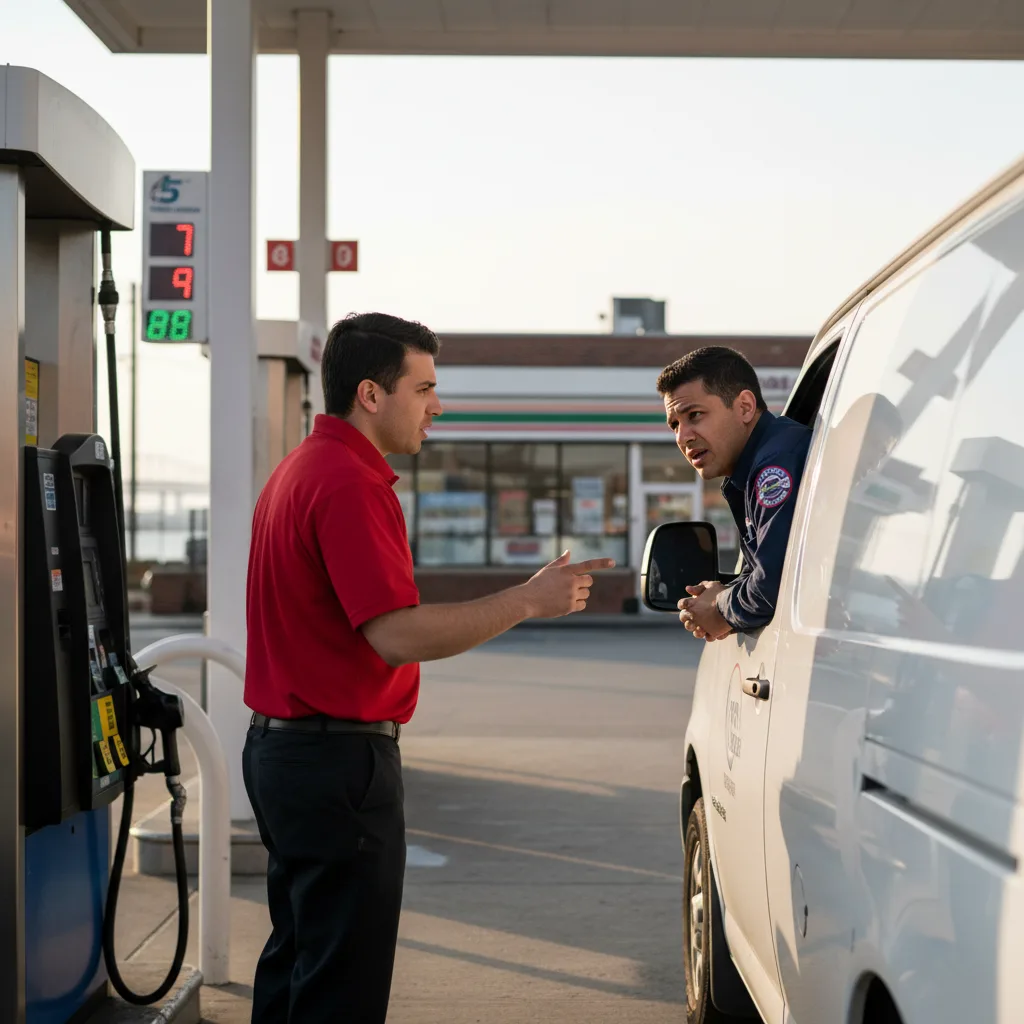
Cross Bay Boulevard Residents Anxious Over Strait of Hormuz Standoff
Cross Bay Boulevard residents are anxious as Iran's Strait of Hormuz stance threatens gas prices and local economy, affecting daily commutes and costs.
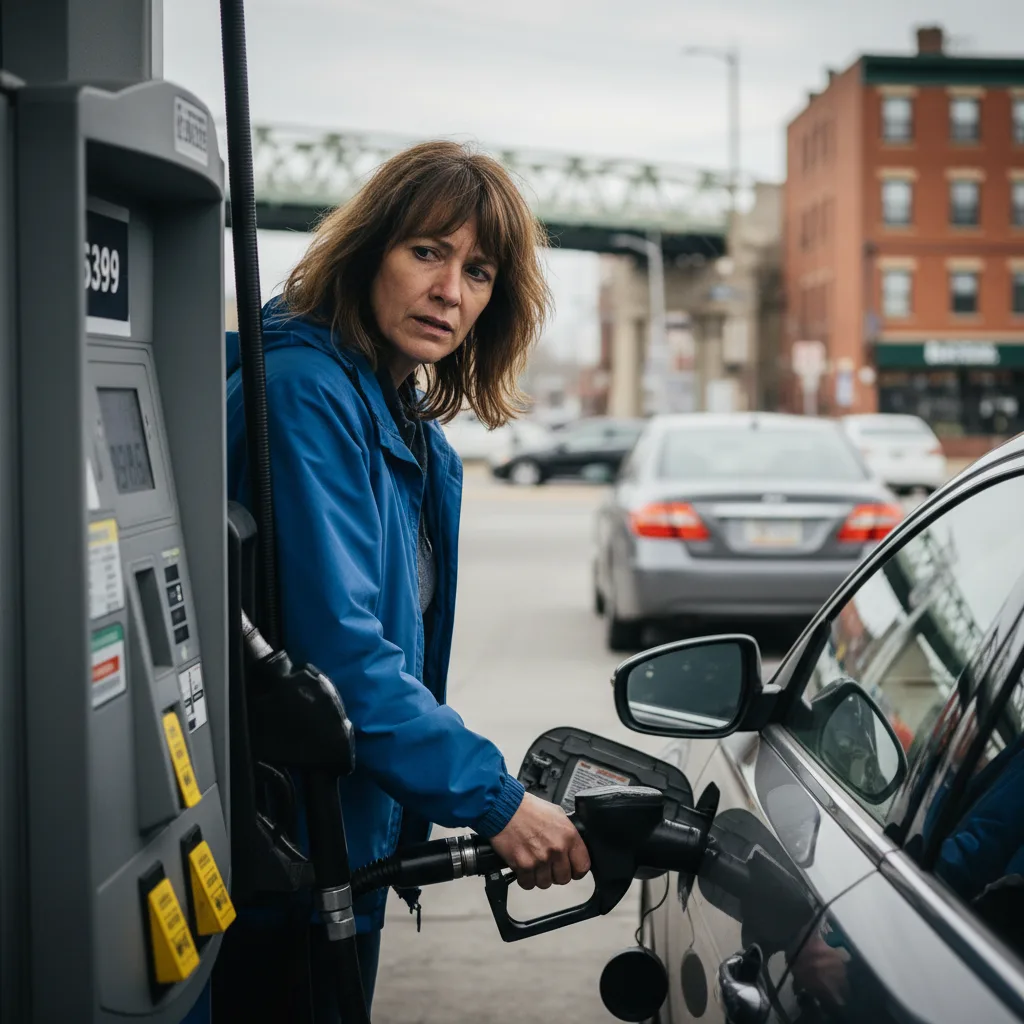
Cross Bay Boulevard Residents Concerned Over Yemen Airstrikes Impact on Economy 2026
Queens residents on Cross Bay Boulevard are concerned about rising gas prices and supply issues after Saudi airstrikes hit Yemen's capital on October 3, 2026. This impacts the local economy.
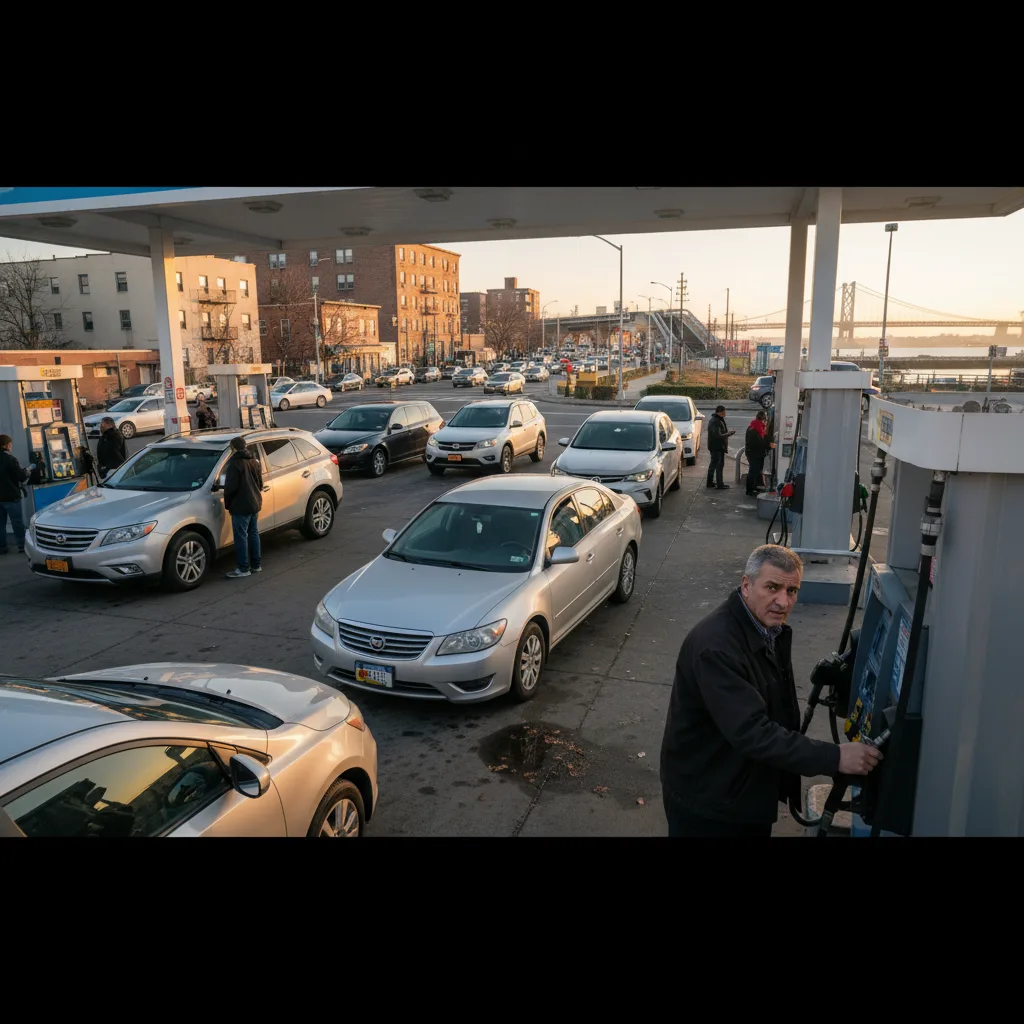
Cross Bay Residents Discuss Iran War Impact on Household Budgets
Cross Bay residents discuss the U.S.-Iran crisis impact on gas prices and household budgets, fearing a ripple effect on daily costs.

Your Essential Guide to Sandals Jamaica Montego Bay for Queens Travelers
Planning a luxurious escape? Our guide to Sandals Jamaica Montego Bay helps Queens residents plan the perfect all-inclusive, adults-only Caribbean getaway.
Your Guide to Exploring Jamaica Excursions from Montego Bay for Queens Travelers
Discover the best Jamaica excursions from Montego Bay for Queens residents, including top attractions, transportation tips, and what to pack for your adventure.