


Cross Bay Drivers Face $7 Gas Amid Strait of Hormuz Blockade

NEW YORK — Queens drivers, particularly those in the Cross Bay Boulevard area, are facing unprecedented challenges as gas prices surge past $7 per gallon following Iran's blockade of the Strait of Hormuz. This critical geopolitical event, which has choked off a fifth of global oil supplies, is sparking furious rants on local social media groups and deep anxieties about the rising cost of living. The sudden and sharp increase in fuel expenses is impacting everything from daily commutes to local business operations, creating significant economic strain.
Blockade Triggers Global Oil Crisis
Iran's strategic blockade of the Strait of Hormuz has sent shockwaves through international energy markets, halting a substantial portion of the world's crude oil flow. This move followed increased tensions, with President Trump urging allies like the UK, China, and France to send warships to the region. The United States has also struck Iran's Carrick Island oil hub, further exacerbating the crisis and creating immense volatility in oil prices.
As a direct result, global oil prices are surging toward an alarming range of $150-$200 per barrel, a level not seen in decades. The U.S. Treasury is reportedly considering lifting sanctions on Iranian oil to help ease costs, but such measures remain contentious and uncertain. Iran has retaliated with attacks on the US embassy in Baghdad and UAE energy sites, intensifying the global standoff and ensuring continued market disruption.
Local Outrage Over $7 Gas at Conoco
The immediate impact of the blockade on Cross Bay Boulevard is most acutely felt at local gas stations, where prices have skyrocketed. Drivers are posting furious rants on the Cross Bay News Facebook group, expressing disbelief and anger at the $7 per gallon price tag at the Conoco station on the boulevard. This dramatic increase represents a significant burden for many residents, particularly those who rely on their vehicles for work or family responsibilities.
Retiree Joe from Broad Channel, a long-time resident, squarely blames “Trump’s war” for the economic hardship. He shared concerns about the future, noting he has begun stocking up on non-perishable goods at the local ShopRite, anticipating broader economic instability. The sentiment of frustration and blame is palpable across the community, reflecting a deep unease with the intersection of international policy and personal finances.
Middle Eastern Shop Owners Defend Iran's Stance
In street corner talks near the boulevard’s bustling pizza shops, a divergent perspective emerges. Middle Eastern shop owners from nearby Ozone Park are openly defending Iran’s actions, asserting that “America started it” through aggressive foreign policy. These discussions highlight the complex geopolitical viewpoints held within the diverse Cross Bay community, where international events often resonate personally with residents from different backgrounds.
Conversely, other local business owners express fears of wider supply shortages hitting local bodegas and small markets, leading to potential price increases on everyday goods. The blockade's consequences extend beyond fuel, threatening the stability of local commerce and the availability of essential products, underscoring the interconnectedness of global trade and local livelihoods.
Carpooling Increases for JFK Commutes
To mitigate the financial strain of soaring gas prices, families in the Cross Bay area are increasingly resorting to carpooling, particularly for commutes to John F. Kennedy International Airport (JFK). The airport, a major employer for many Queens residents, represents a significant daily drive that is now considerably more expensive. These practical adjustments illustrate the immediate behavioral changes forced upon residents by the global energy crisis.
Parents are coordinating schedules, sharing rides, and exploring alternative transportation options where feasible, demonstrating a collective effort to manage escalating costs. The shift toward carpooling highlights a tangible manifestation of how a distant blockade can directly alter the daily routines and financial decisions of individuals and families on Cross Bay Boulevard. This widespread adaptation showcases the community's resilience in the face of adversity, seeking collective solutions to alleviate individual burdens.
Addressing the Broader Economic Fallout
Local economic analysts predict that the sustained high energy costs will likely lead to broader inflation across various sectors, impacting everything from food prices to utility bills. Community leaders are urging city and state officials to consider local relief measures, such as temporary gas tax suspensions or public transit subsidies, to ease the burden on working families. The long-term implications of the Strait of Hormuz blockade could be severe, extending well beyond the pump.
Discussions are ongoing within local government about strategies to support small businesses struggling with increased operational costs, preventing closures or significant layoffs. The Cross Bay News will continue to monitor the situation, providing updates on local economic impacts and community responses as Strait of Hormuz blockade chokes off 20% of world oil supply.
Frequently Asked Questions about Gas Prices
Many Queens residents are asking what factors directly contribute to the dramatic increase in gas prices. The current surge is primarily due to Iran's blockade of the Strait of Hormuz, which significantly reduces global oil supply, combined with speculative trading and geopolitical instability. Another common question is whether the prices are expected to stabilize soon. Energy market analysts suggest that prices will likely remain elevated and volatile as long as the blockade and related military tensions persist, with no immediate stabilization in sight. Some locals also inquire about alternatives to driving. For shorter distances, public transportation options like MTA buses, ride-sharing services, or cycling are becoming more attractive, while carpooling is a popular immediate solution for longer commutes, helping to alleviate some of the financial burden.
Written by
Newstrix
Cross Bay News
Related Articles
More in Local Economy & Business →
Queens Residents Face Soaring Rent Hikes, Housing Scarcity Along Cross Bay
Queens residents, especially along Cross Bay Boulevard, face severe rent hikes and housing scarcity, mirroring international housing protests. Local families are struggling.
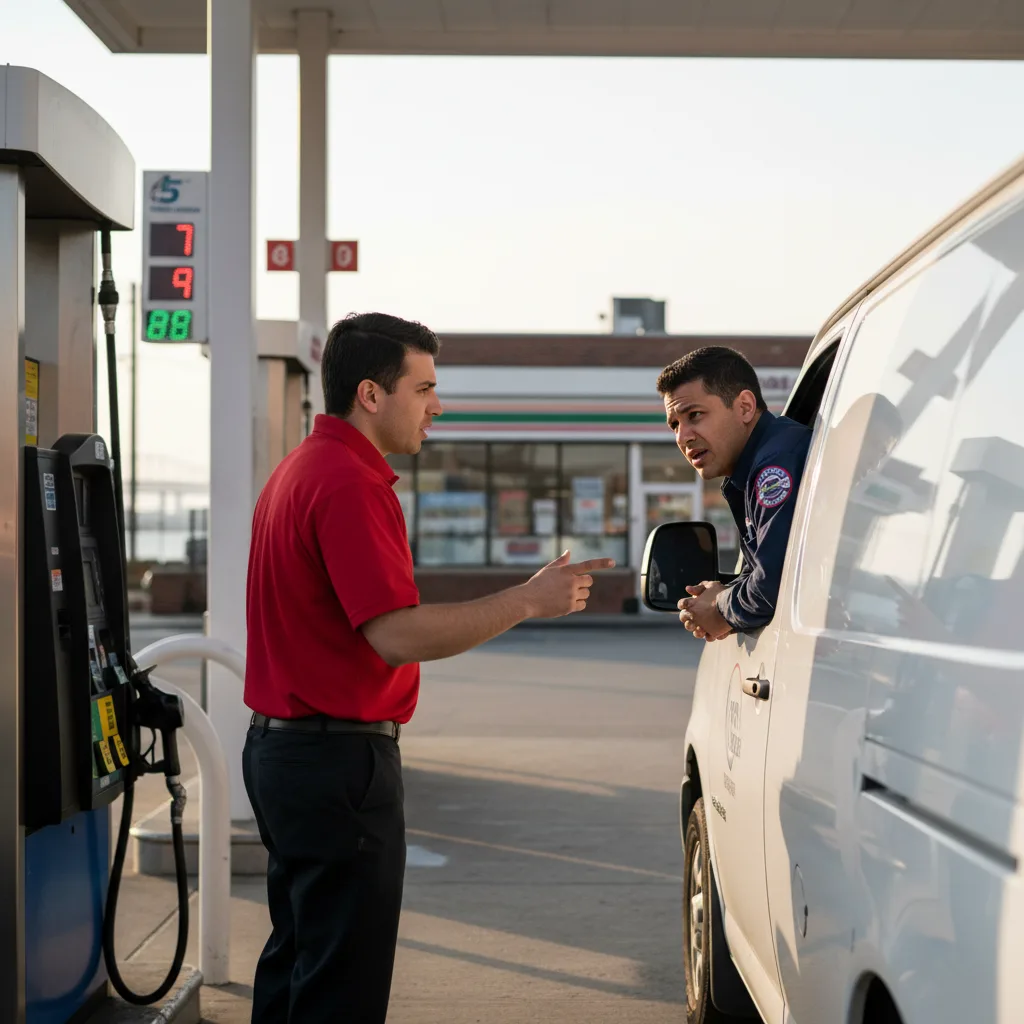
Cross Bay Boulevard Residents Anxious Over Strait of Hormuz Standoff
Cross Bay Boulevard residents are anxious as Iran's Strait of Hormuz stance threatens gas prices and local economy, affecting daily commutes and costs.
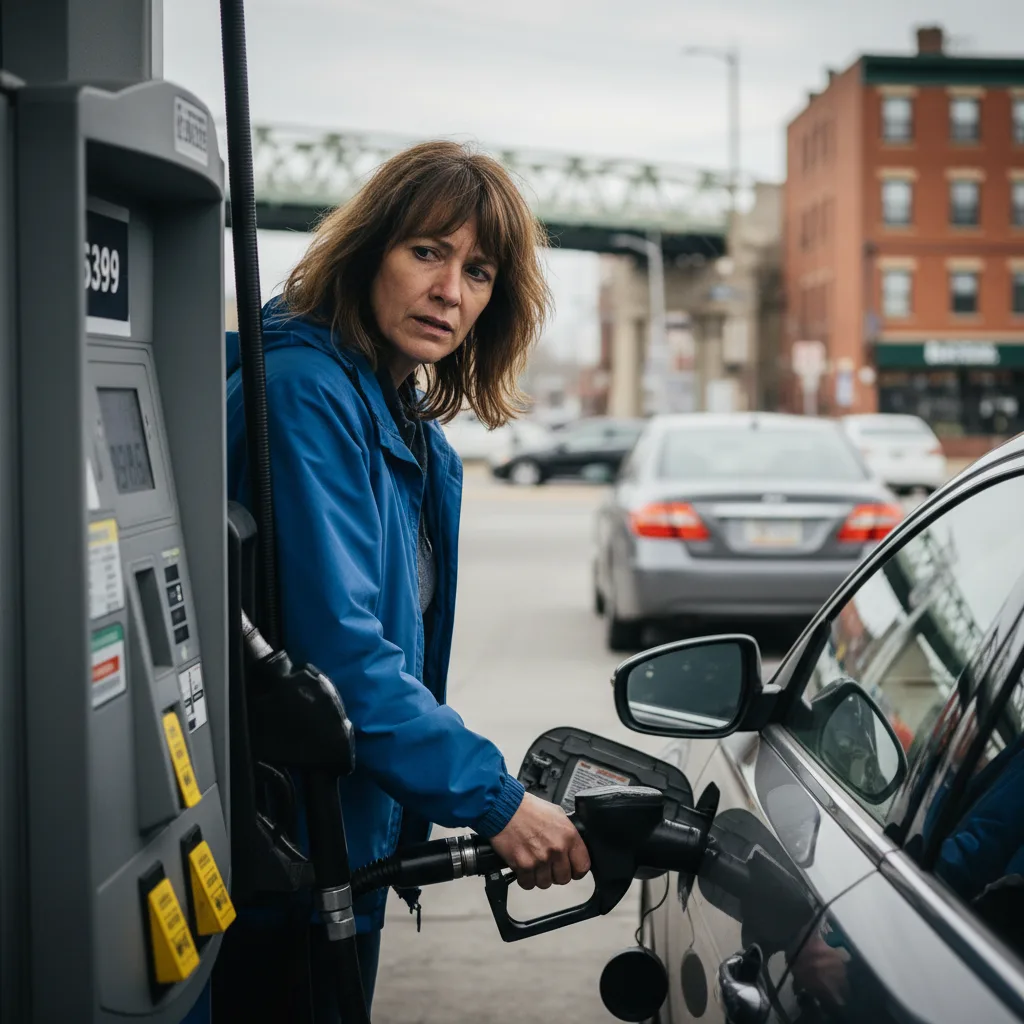
Cross Bay Boulevard Residents Concerned Over Yemen Airstrikes Impact on Economy 2026
Queens residents on Cross Bay Boulevard are concerned about rising gas prices and supply issues after Saudi airstrikes hit Yemen's capital on October 3, 2026. This impacts the local economy.
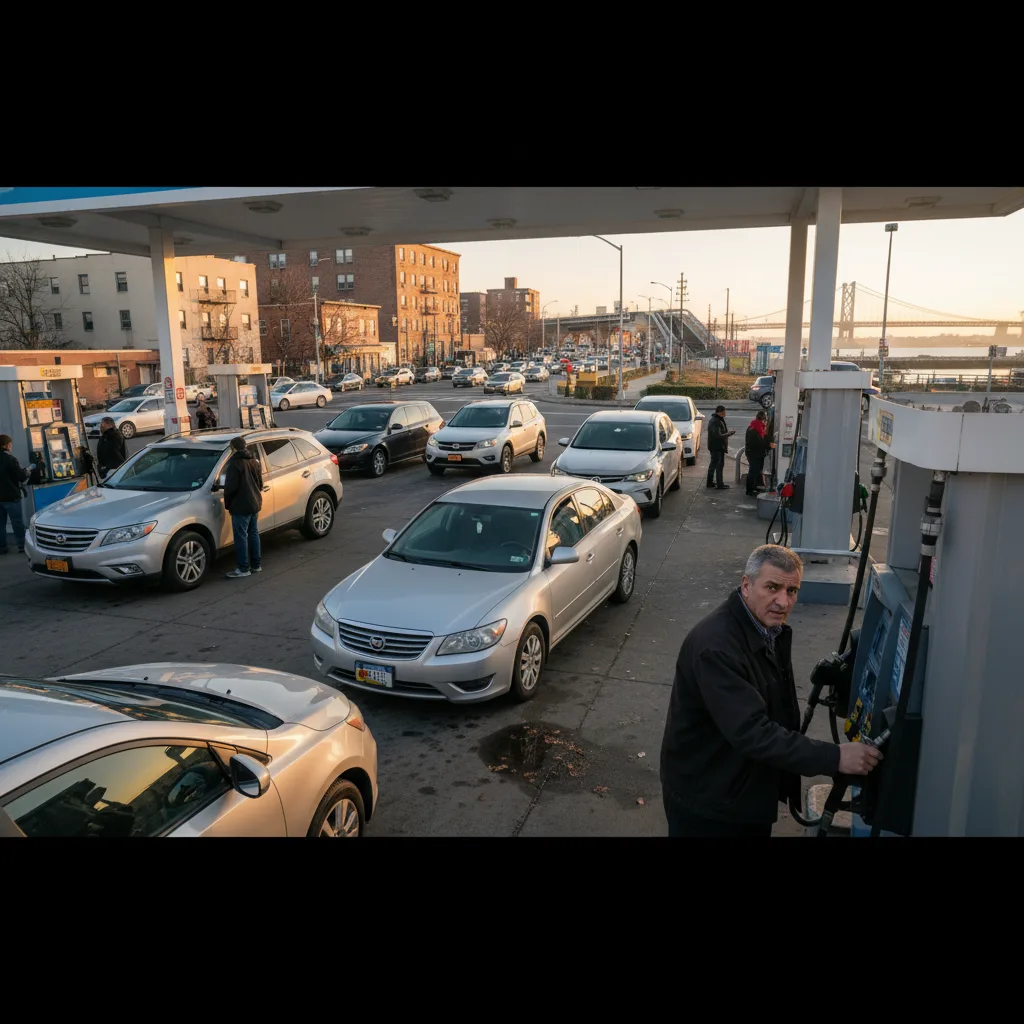
Cross Bay Residents Discuss Iran War Impact on Household Budgets
Cross Bay residents discuss the U.S.-Iran crisis impact on gas prices and household budgets, fearing a ripple effect on daily costs.
Your Essential Guide to Sandals Jamaica Montego Bay for Queens Travelers
Planning a luxurious escape? Our guide to Sandals Jamaica Montego Bay helps Queens residents plan the perfect all-inclusive, adults-only Caribbean getaway.
Your Guide to Exploring Jamaica Excursions from Montego Bay for Queens Travelers
Discover the best Jamaica excursions from Montego Bay for Queens residents, including top attractions, transportation tips, and what to pack for your adventure.