


Cross Bay Gas Prices Soar Amid Strait of Hormuz Blockade, Residents Frustrated

NEW YORK — Gas pump prices along Cross Bay Boulevard in Queens have surged dramatically as of early March 2026, directly impacting daily commutes and household budgets. This increase follows President Trump's recent statements lambasting NATO allies as 'cowards' for their perceived inaction in securing the Strait of Hormuz, a critical oil shipping route. Iran's continued blockade and attacks on oil infrastructure have sent global crude prices soaring.
Analysts predict prices could reach $150-$200 per barrel if the conflict persists, a scenario that deeply concerns Cross Bay residents. The financial strain is palpable, leading to widespread frustration among commuters and local business owners. Many are questioning the effectiveness of current diplomatic strategies.
Daily Commute Costs Impact Cross Bay
The rising cost of gasoline is creating significant financial pressure for thousands of Cross Bay residents who rely on personal vehicles for their daily commutes. Many residents travel across Queens and into Manhattan for work, making fuel a substantial household expense. The sudden spike has forced some to reconsider their transportation budgets.
Families are now allocating a larger portion of their income to fuel, potentially cutting back on other essential expenditures. Public transportation options are being explored by some, but for many, personal vehicles remain a necessity. The impact on disposable income is a recurring theme in neighborhood discussions.
Small Businesses Brace for Sustained High Fuel Prices
Small business owners along Cross Bay Boulevard are particularly anxious about the sustained high fuel costs. Delivery services, construction companies, and local retailers face increased operational expenses due to higher transportation costs for supplies and products. Several owners reported concerns about how these costs will affect their bottom lines and ability to offer competitive prices.
These businesses, many of which are independently owned and operated, often have limited margins to absorb such significant increases. The added financial burden could lead to higher consumer prices, reduced services, or, in severe cases, business closures. This ripple effect on the local economy is a major worry for the community.
Community Skepticism Regarding Diplomatic Strategies
Discussions at neighborhood delis, community centers, and local coffee shops reflect widespread skepticism about President Trump's confrontational approach to NATO allies. Many Cross Bay residents question whether branding allies as 'cowards' will effectively resolve the Strait of Hormuz crisis. There is a general desire for more collaborative international diplomacy.
Some residents express concern that such rhetoric could further destabilize international relations, complicating efforts to find a peaceful resolution. The effectiveness of 'America First' foreign policy in global crises is being debated openly. Community leaders are encouraging constructive dialogue on these complex issues.
Global Energy Market Dynamics Explained
The Strait of Hormuz is a narrow waterway through which approximately one-fifth of the world's total oil supply passes daily. Iran's actions in blocking this critical passage directly impact global crude oil supply and prices. The geopolitical tensions have created significant volatility in the energy markets, affecting nations worldwide.
Interruptions to shipping routes and attacks on oil infrastructure create a domino effect that reaches consumers at the gas pump. The current crisis highlights the interconnectedness of global politics and local economies. Understanding these dynamics is crucial for comprehending the current fuel price situation. Further details on the Strait of Hormuz crisis are available.
Previous Economic Crises and Local Resilience
Cross Bay Boulevard has a history of weathering various economic downturns and energy crises, demonstrating the resilience of its residents and businesses. Past events, such as the 1970s oil shocks or the 2008 financial crisis, have left lasting lessons about adaptability. Many business owners are drawing on these past experiences to navigate current challenges.
Community organizations often play a crucial role during such times, offering support and resources to those most affected. The current situation, however, presents unique challenges due to the direct link to an active international conflict. Local leaders are urging residents to support neighborhood businesses during this period of uncertainty.
Frequently Asked Questions About Fuel Costs
Many residents are asking why gas prices are rising so quickly. The primary driver is the significant increase in global crude oil prices, which directly impacts the cost of refining and distributing gasoline. Geopolitical instability in the Middle East, specifically the Strait of Hormuz blockade, is a major contributing factor to this surge.
What measures can individuals take to mitigate high fuel costs? Consumers can consider carpooling, utilizing public transportation where available, or combining errands to reduce driving frequency. Investing in more fuel-efficient vehicles or maintaining current ones can also help decrease consumption. The local community is exploring various cost-saving strategies.
How do these rising costs affect public services in Queens? Municipal services, including sanitation, emergency response, and public transport, are also facing increased fuel expenditures. These additional costs can strain local government budgets, potentially leading to adjustments in service delivery or operational priorities. City officials are closely monitoring the situation for potential impacts on local services.
Will federal or state governments intervene to lower prices? Historically, governments may implement measures such as releasing strategic petroleum reserves or temporarily reducing fuel taxes. However, such interventions are often temporary and depend on the scale and duration of the crisis. Specific actions from the current administration regarding these high prices have not yet been announced. For an in-depth look at surging oil prices and their causes, various financial news outlets provide detailed analysis.
How long are these high prices expected to last? The duration of high fuel prices is closely tied to the resolution of the geopolitical conflict in the Middle East and the reopening of the Strait of Hormuz. Analysts suggest that significant price relief is unlikely until there is a de-escalation of tensions and stability returns to the global energy markets. The situation remains highly volatile. For more analysis on the escalating oil crisis, economic reports are consistently updated.
Written by
Newstrix
Cross Bay News
Related Articles
More in Local Economy & Business →
Queens Residents Face Soaring Rent Hikes, Housing Scarcity Along Cross Bay
Queens residents, especially along Cross Bay Boulevard, face severe rent hikes and housing scarcity, mirroring international housing protests. Local families are struggling.
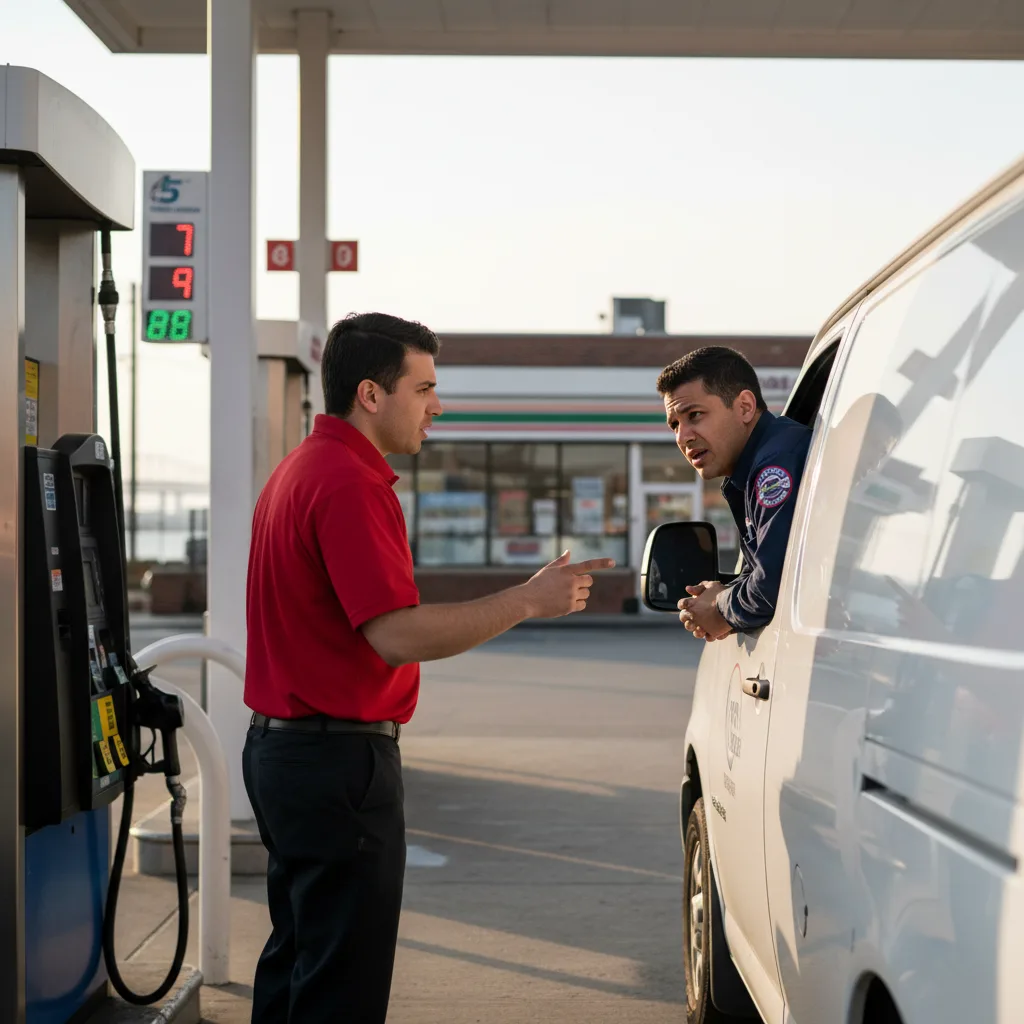
Cross Bay Boulevard Residents Anxious Over Strait of Hormuz Standoff
Cross Bay Boulevard residents are anxious as Iran's Strait of Hormuz stance threatens gas prices and local economy, affecting daily commutes and costs.
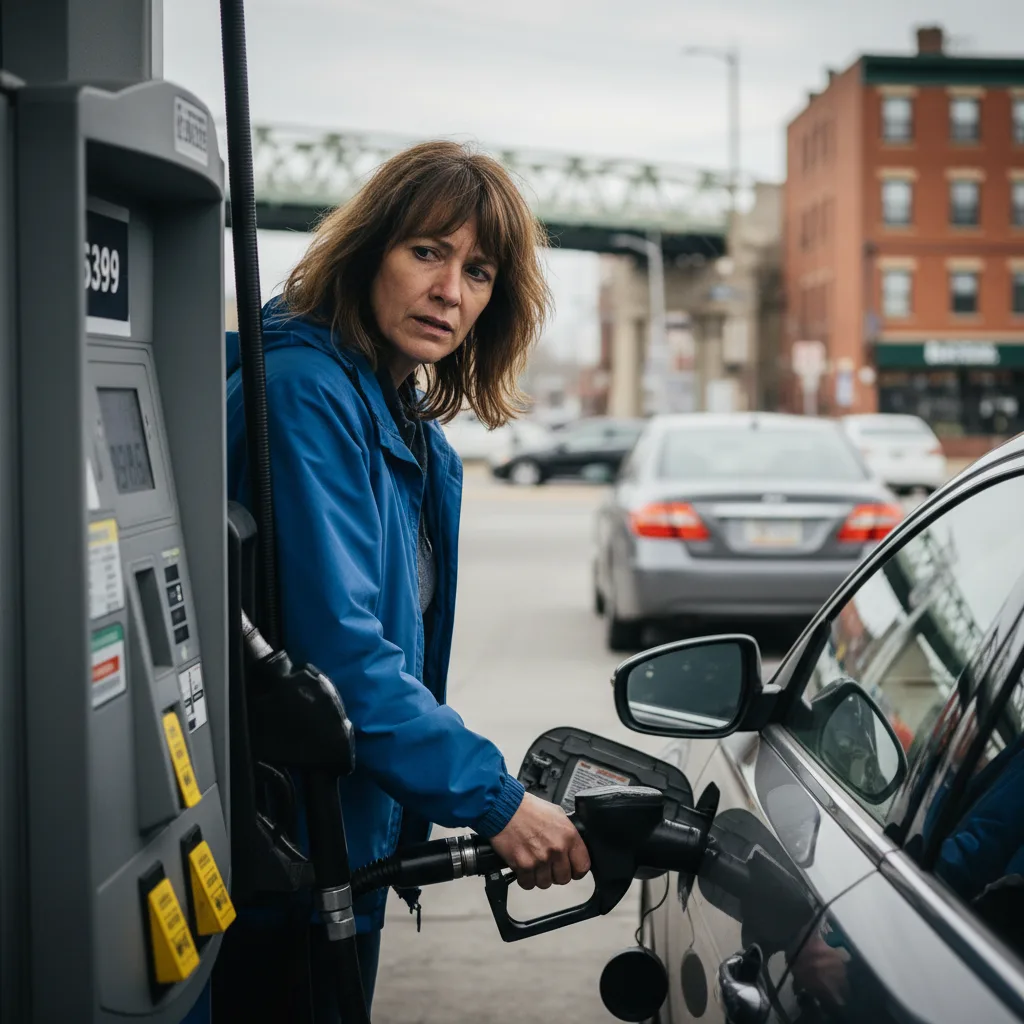
Cross Bay Boulevard Residents Concerned Over Yemen Airstrikes Impact on Economy 2026
Queens residents on Cross Bay Boulevard are concerned about rising gas prices and supply issues after Saudi airstrikes hit Yemen's capital on October 3, 2026. This impacts the local economy.
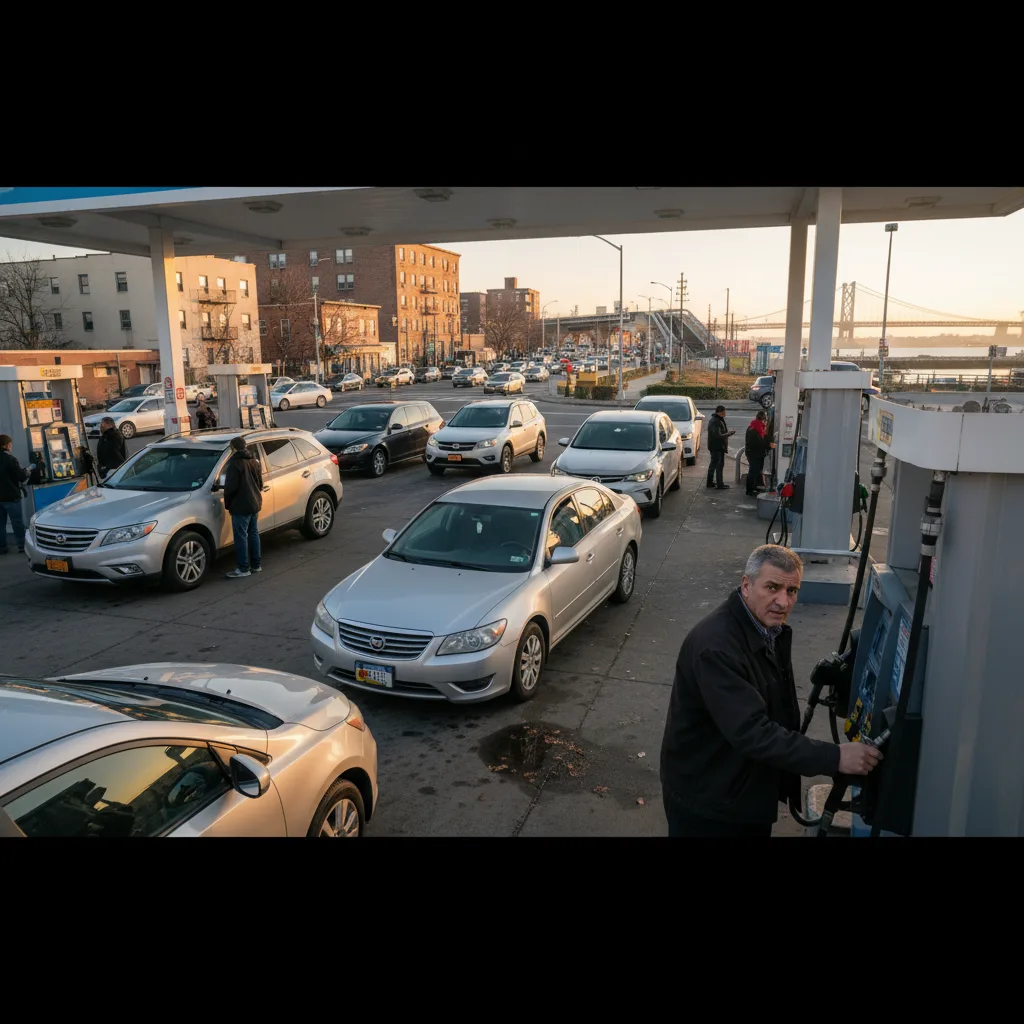
Cross Bay Residents Discuss Iran War Impact on Household Budgets
Cross Bay residents discuss the U.S.-Iran crisis impact on gas prices and household budgets, fearing a ripple effect on daily costs.

Your Essential Guide to Sandals Jamaica Montego Bay for Queens Travelers
Planning a luxurious escape? Our guide to Sandals Jamaica Montego Bay helps Queens residents plan the perfect all-inclusive, adults-only Caribbean getaway.
Your Guide to Exploring Jamaica Excursions from Montego Bay for Queens Travelers
Discover the best Jamaica excursions from Montego Bay for Queens residents, including top attractions, transportation tips, and what to pack for your adventure.