


Cross Bay Residents Brace for Rising Gas Prices Amid Iran Tensions

NEW YORK — Residents of Cross Bay Boulevard and surrounding Queens neighborhoods are expressing growing worry about rising gas prices at the pump, a direct consequence of escalating international tensions with Iran. As crude oil prices climb amid concerns about potential disruptions to global energy supplies, local small business owners along the bustling commercial strip are particularly concerned about increased transportation costs affecting their deliveries and overall operating expenses.
Community conversations at local gathering spots, including the popular cafes near 157th Avenue, reflect a pervasive anxiety about broader Middle East instability. Many residents with family ties to the region are closely monitoring news updates, while everyone feels the pinch of higher fuel costs impacting daily budgets and business profitability.
Global Conflict's Local Ripples
The geopolitical landscape has been particularly volatile in recent months, with renewed pressure on Iran regarding its nuclear program and missile capabilities. This global instability has a direct and tangible impact on local economies, even thousands of miles away in Southeast Queens. The intricate web of global supply chains means that a surge in oil prices can quickly translate to higher costs for everything from food to consumer goods.
'Every time there's trouble in the Middle East, we feel it right here at the pump,' stated Robert Chen, owner of Chen's Hardware on Cross Bay Boulevard, on May 2, 2026. 'My delivery truck alone uses over $100 more in gas every week now. Those costs have to go somewhere, and it ultimately means higher prices for my customers or smaller profits for my family.' Chen’s sentiments are echoed by many other small businesses in the Cross Bay area who rely on transportation for their operations.
Impact on Local Commuters and Families
For the thousands of residents who commute daily from Howard Beach, Broad Channel, and Ozone Park, whether for work or school, the rising cost of gasoline presents a significant financial burden. Many rely on personal vehicles due to limited public transportation options in some parts of the area. A 15-20 cent increase per gallon, as observed over the past few weeks, quickly adds up for families already managing tight budgets.
Maria Garcia, a mother of two living near Rockaway Boulevard, voiced her concerns while filling up her minivan at a gas station on Cross Bay Boulevard. 'I drive my kids to school, then I drive to work in Long Island City. It's easily 50 miles a day,' Garcia explained. 'An extra $10 to $15 every week for gas might not sound like much to some, but for us, it's groceries or school supplies. It really cuts into what little we have left.'
Community Forums and Economic Outlook
Local community centers, including the Howard Beach Senior Center, have become informal hubs for discussing these economic pressures. Residents are sharing tips on conserving fuel, exploring carpooling options, and debating the long-term economic outlook if tensions persist. The conversations underscore a collective sense of vulnerability to global events that feel far removed but whose effects are undeniably close to home.
Economists at Queens College predict that if crude oil prices remain above $90 a barrel for an extended period, the average household in Queens could see an increase of $50-$70 per month in transportation and goods costs. This forecast was shared during a community board meeting on April 29, 2026, highlighting the potential for sustained financial strain across the borough. The volatility of international relations is directly affecting household planning.
Government Response and Future Prospects
While local elected officials acknowledge the pain of rising prices, their ability to directly influence global oil markets is limited. However, Council Member Joann Ariola's office confirmed they are exploring initiatives to support local businesses through grants or relief programs, should the situation worsen significantly. There's also an emphasis on promoting public transportation where available and exploring sustainable alternatives.
'We're monitoring the situation closely and understand the severe pressure our constituents are under,' Ariola's spokesperson stated. 'While global oil prices are beyond our direct control, we are looking at local interventions to mitigate the impact on Cross Bay families and businesses.' She also stressed the importance of national and international diplomatic efforts to de-escalate conflicts and stabilize energy markets globally. Updates on international oil markets continue to be critical.
Frequently Asked Questions About Rising Gas Prices
Q: What is causing the current rise in gas prices at Cross Bay Boulevard? The current increase in gas prices is primarily linked to escalating geopolitical tensions involving Iran. Concerns about potential disruptions to global oil supplies, stemming from increasing international pressure over Iran's nuclear program and missile capabilities, are driving up crude oil prices. This directly impacts the cost of refined gasoline at pumps, including those along Cross Bay Boulevard.
Q: How do rising gas prices affect local businesses in Queens? Rising gas prices significantly impact local businesses, especially those that rely on transportation for deliveries, services, or commuting employees. Increased fuel costs translate to higher operational expenses, which can lead to reduced profit margins or necessitate price increases for goods and services, potentially burdening customers. This creates a challenging economic environment for many small businesses along the Cross Bay commercial corridor.
Q: Are there any local initiatives or resources to help residents cope with higher fuel costs? While direct fuel subsidies are generally not managed at the local level, residents can explore resources such as carpooling programs, utilizing public transportation where feasible, and looking into energy-efficient driving habits to conserve fuel. Local community boards and elected officials' offices are also gathering feedback and may explore local support initiatives if the situation persists, such as information sessions on economic resilience or advocating for state-level relief programs.
Written by
Newstrix
Cross Bay News
Related Articles
More in Local Economy & Business →
Queens Residents Face Soaring Rent Hikes, Housing Scarcity Along Cross Bay
Queens residents, especially along Cross Bay Boulevard, face severe rent hikes and housing scarcity, mirroring international housing protests. Local families are struggling.
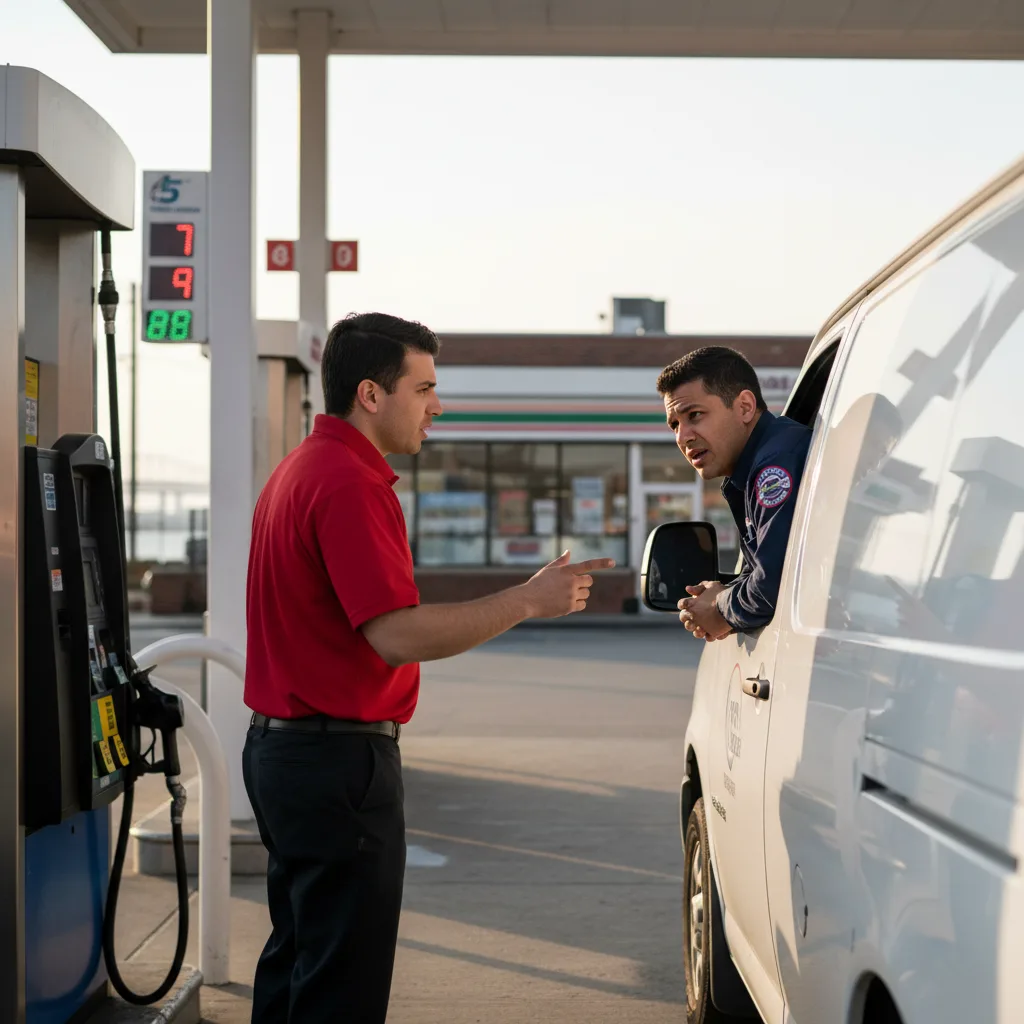
Cross Bay Boulevard Residents Anxious Over Strait of Hormuz Standoff
Cross Bay Boulevard residents are anxious as Iran's Strait of Hormuz stance threatens gas prices and local economy, affecting daily commutes and costs.
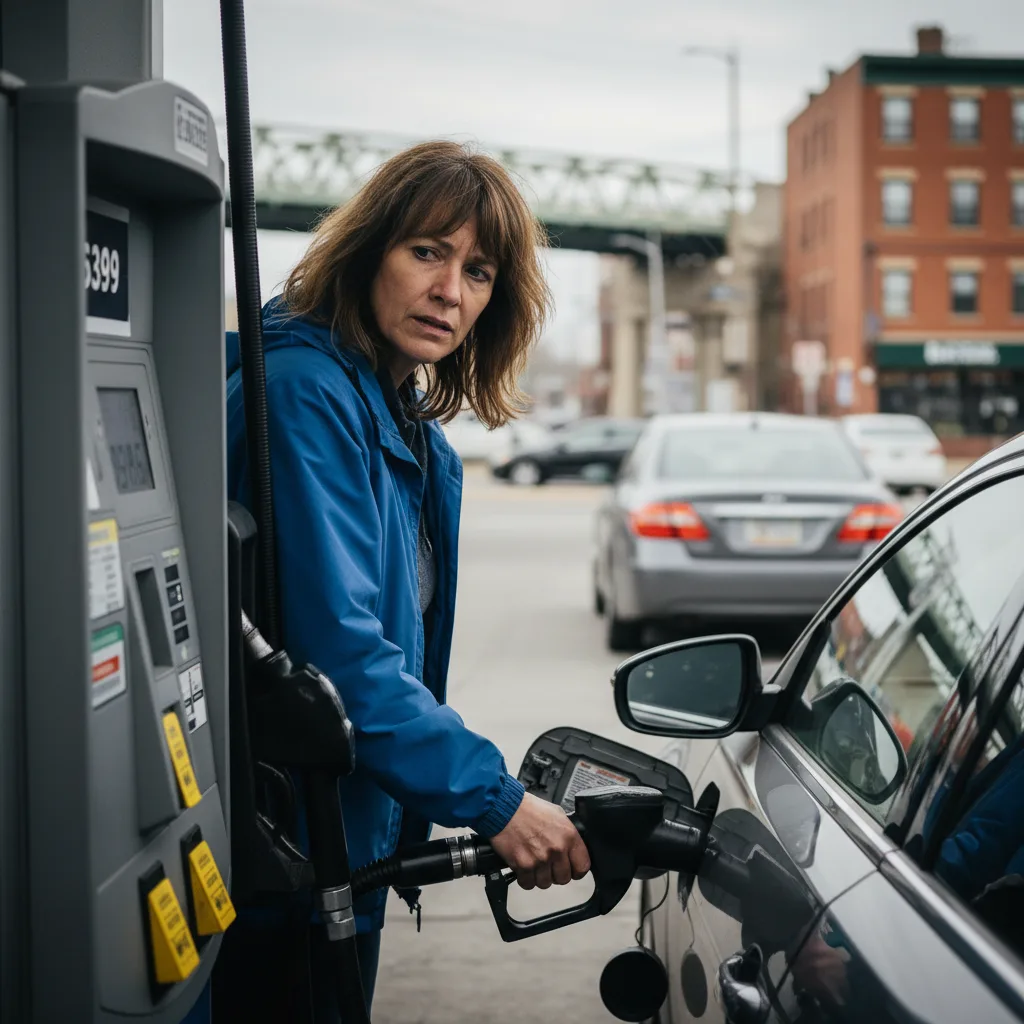
Cross Bay Boulevard Residents Concerned Over Yemen Airstrikes Impact on Economy 2026
Queens residents on Cross Bay Boulevard are concerned about rising gas prices and supply issues after Saudi airstrikes hit Yemen's capital on October 3, 2026. This impacts the local economy.
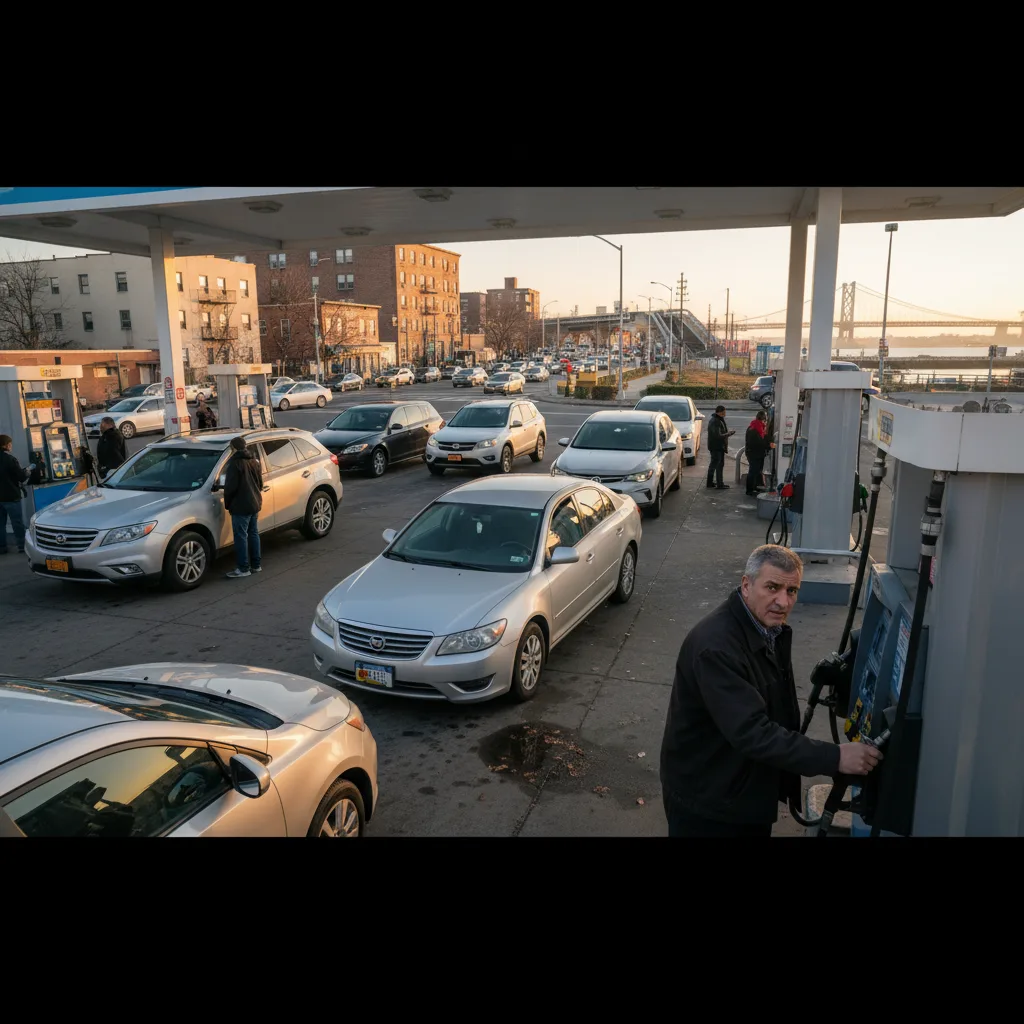
Cross Bay Residents Discuss Iran War Impact on Household Budgets
Cross Bay residents discuss the U.S.-Iran crisis impact on gas prices and household budgets, fearing a ripple effect on daily costs.

Your Essential Guide to Sandals Jamaica Montego Bay for Queens Travelers
Planning a luxurious escape? Our guide to Sandals Jamaica Montego Bay helps Queens residents plan the perfect all-inclusive, adults-only Caribbean getaway.
Your Guide to Exploring Jamaica Excursions from Montego Bay for Queens Travelers
Discover the best Jamaica excursions from Montego Bay for Queens residents, including top attractions, transportation tips, and what to pack for your adventure.