


Cross Bay Residents Face Rising Fuel Costs Amid Global Oil Spike

NEW YORK — Gas prices at pumps along Cross Bay Boulevard have surged past $100 a barrel, sparking widespread alarm among Queens residents and small business owners struggling with escalating daily expenses. The dramatic increase follows a statement from Iran's new Supreme Leader, Mojtaba Khamenei, vowing to continue blocking the Strait of Hormuz, a critical global shipping lane. This international development has immediate and tangible consequences for working families in southeast Queens.
Global Conflict Drives Local Economic Strain in Queens
Iran's new Supreme Leader Mojtaba Khamenei, in his first public statement since assuming power, pledged to intensify attacks on oil tankers and commercial ships in the region. This aggressive stance has triggered a sharp 9% spike in global oil prices, pushing them beyond the $100 per barrel mark. Despite a record release of strategic crude reserves by the International Energy Agency, the market reacted with volatility, demonstrating the fragility of global supply chains.
Pentagon spending related to the conflict has already exceeded $11 billion in the first six days, signaling a prolonged engagement. This global instability translates directly to higher costs at local gas stations, impacting every facet of life in Queens. Residents are bracing for a ripple effect across the local economy, from transportation to consumer goods.
Cross Bay Boulevard Gas Stations Show Price Hikes
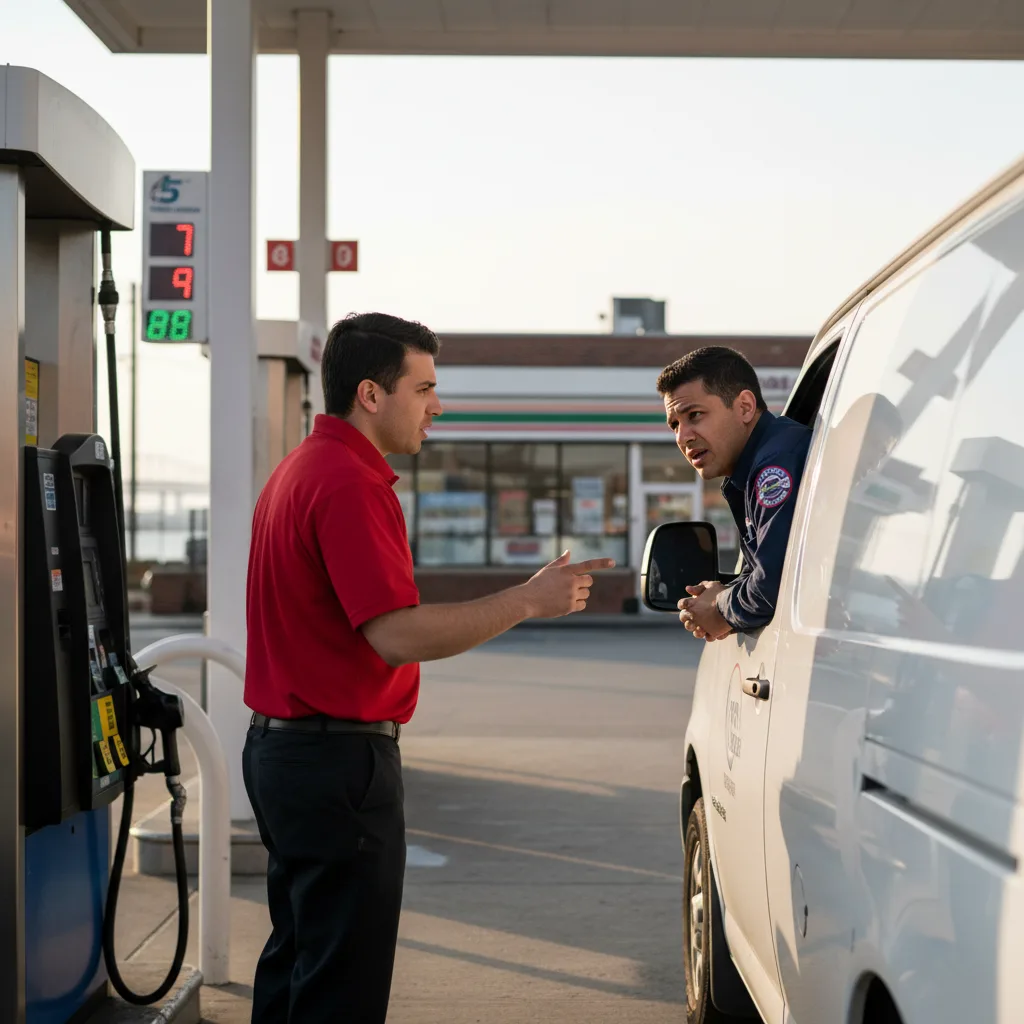
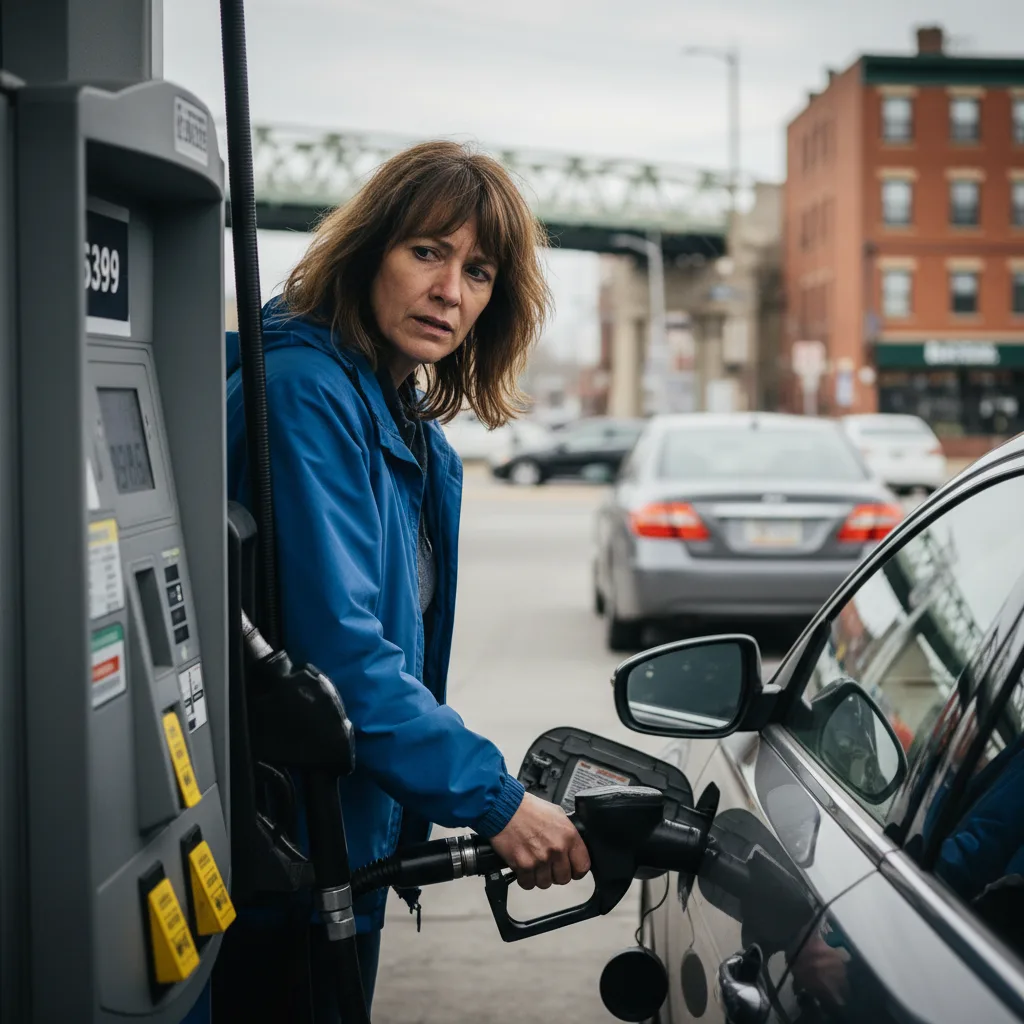
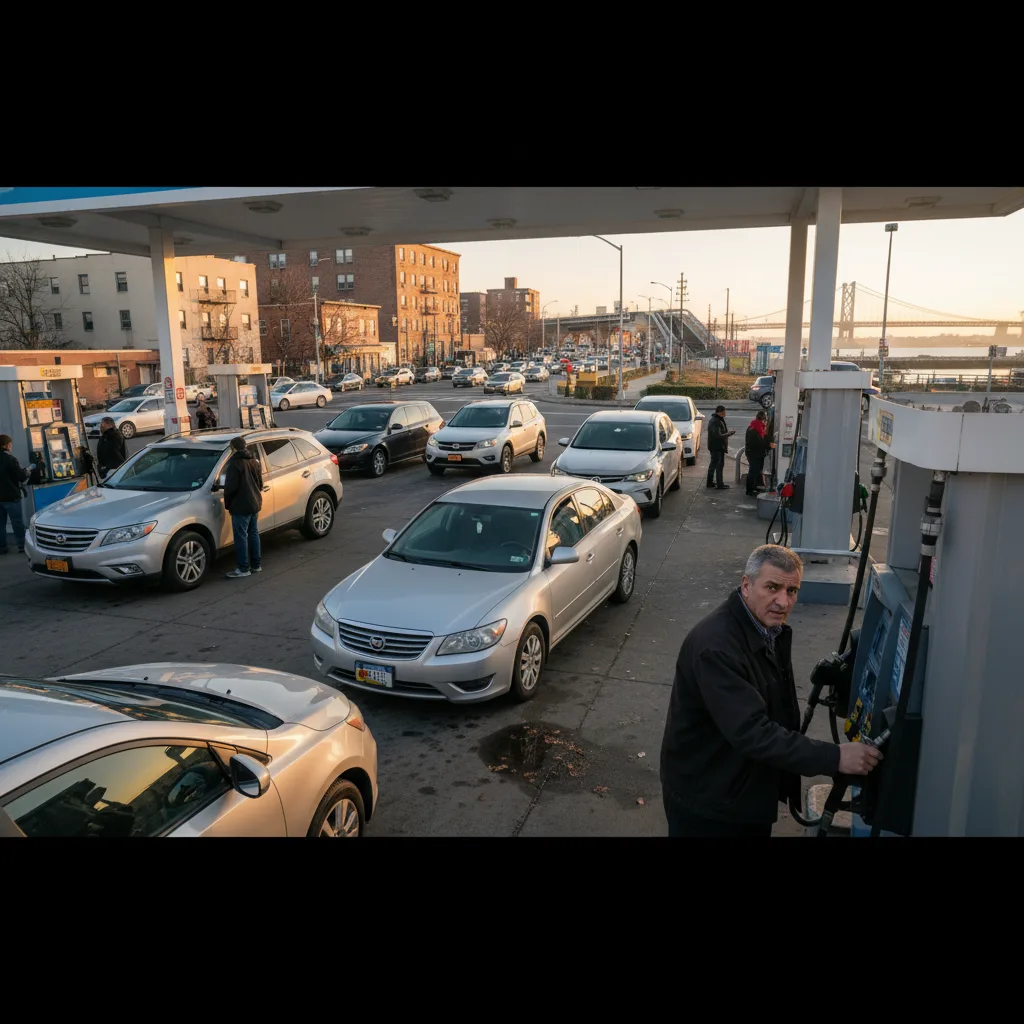
At gas stations lining Cross Bay Boulevard, from Howard Beach to Broad Channel, the impact of rising oil prices is immediately visible. Digital price boards reflect the steep increases, prompting frustration and concern among motorists. "I already budget tightly, and now this," lamented Roberto Garcia, a taxi driver filling his tank at a station near Liberty Avenue. He noted that the higher fuel costs directly cut into his daily earnings, making it harder to support his family.
Local bodega owners and small business operators in neighborhoods like Ozone Park and Old Howard Beach are also feeling the pinch. They report an increase in transportation costs for deliveries, affecting the prices of fresh produce and other goods. "Customers are complaining, and we understand why," said Lena Patel, owner of a corner store off Cross Bay Boulevard. She explained that rising delivery fees mean higher retail prices, which in turn hurts sales and customer loyalty.
Community Discussions Reflect Household Budget Concerns
Community conversations on local social media groups and at neighborhood coffee shops throughout Queens reflect a deep concern about the escalating Middle East conflict. Residents are actively discussing its direct impact on their household budgets, with many questioning the sustainability of current spending habits. "Every penny counts for us," commented Maria Santos on a local Rockaway Facebook group. She highlighted the difficulty of managing daily commutes and essential errands with the added burden of expensive fuel.
Some residents are debating whether U.S. involvement in the conflict is justified, given the economic toll on working families in Queens. The sentiment is that international events, however distant, are having a tangible and immediate impact on their quality of life. This direct link between global geopolitics and local pocketbooks underscores the interconnectedness of modern economies, even in a borough like Queens.
Local Businesses Face Supply Chain Challenges
Beyond gas prices, local businesses along Cross Bay Boulevard are beginning to navigate potential supply chain disruptions and increased operational costs. Restaurants relying on food deliveries, construction companies with fleets of vehicles, and even local service providers face higher expenses. This pressure could lead to increased prices for consumers or reduced profit margins for small businesses, threatening their viability. The detailed summary of the global oil spike indicates that these challenges are unlikely to abate soon.
Experts at the Queens Chamber of Commerce have voiced concerns about the potential for prolonged inflation. They emphasize the need for local businesses to explore energy-efficient solutions and for consumers to adjust their transportation habits. Carpooling and increased use of public transport are being discussed as practical measures to mitigate the financial strain. The chamber is also considering hosting workshops on managing rising operational costs.
Future Economic Outlook for Queens Residents
The long-term economic outlook for Cross Bay residents remains uncertain as the global conflict shows no signs of de-escalation. Analysts predict that sustained high oil prices could contribute to broader inflationary pressures, affecting everything from groceries to housing costs. Local economists are advising Queens residents to review their budgets and consider alternative transportation methods where possible. The situation underscores the vulnerability of local economies to international political and economic forces.
This new reality could shift consumer behavior, potentially impacting local commerce along Cross Bay Boulevard. Businesses that can adapt quickly to these changing economic conditions may fare better. The focus for many families now is on resilience and finding ways to absorb these unexpected financial burdens.
Frequently Asked Questions About Queens Gas Price Increases
Residents frequently ask why gas prices in Queens are rising so rapidly and what can be done to alleviate the burden. The primary driver of the current increase is the global geopolitical tension surrounding the Strait of Hormuz, a vital shipping lane for oil. When the supply of oil is threatened or perceived to be at risk, global prices surge, directly impacting local gas stations due to the interconnectedness of the market. While individual residents have limited direct control over international oil prices, they can explore options like carpooling, utilizing public transportation, or planning errands more efficiently to reduce fuel consumption. Local officials and community organizations are also investigating potential relief programs or advocacy efforts to address the economic strain on Queens families.
Written by
Newstrix
Cross Bay News
Related Articles
More in Local Economy & Business →
Queens Residents Face Soaring Rent Hikes, Housing Scarcity Along Cross Bay
Queens residents, especially along Cross Bay Boulevard, face severe rent hikes and housing scarcity, mirroring international housing protests. Local families are struggling.
Cross Bay Boulevard Residents Anxious Over Strait of Hormuz Standoff
Cross Bay Boulevard residents are anxious as Iran's Strait of Hormuz stance threatens gas prices and local economy, affecting daily commutes and costs.
Cross Bay Boulevard Residents Concerned Over Yemen Airstrikes Impact on Economy 2026
Queens residents on Cross Bay Boulevard are concerned about rising gas prices and supply issues after Saudi airstrikes hit Yemen's capital on October 3, 2026. This impacts the local economy.
Cross Bay Residents Discuss Iran War Impact on Household Budgets
Cross Bay residents discuss the U.S.-Iran crisis impact on gas prices and household budgets, fearing a ripple effect on daily costs.

Your Essential Guide to Sandals Jamaica Montego Bay for Queens Travelers
Planning a luxurious escape? Our guide to Sandals Jamaica Montego Bay helps Queens residents plan the perfect all-inclusive, adults-only Caribbean getaway.
Your Guide to Exploring Jamaica Excursions from Montego Bay for Queens Travelers
Discover the best Jamaica excursions from Montego Bay for Queens residents, including top attractions, transportation tips, and what to pack for your adventure.