


Data Gaps Hinder Localized Reporting of Global News for Queens

NEW YORK — The ability to provide specific, localized reporting on recent international events for audiences in communities like Cross Bay Boulevard is currently hampered by significant data gaps. A lack of directly attributable statistics, verifiable local consequences, or confirmed community sentiment prevents local news organizations from detailing immediate impacts. This situation illustrates the inherent difficulty in translating broad international developments into relevant, micro-level news without robust, localized data.
The absence of precise, actionable information regarding how current global stories affect Queens residents challenges journalistic efforts to bridge the international-to-local divide. Such reporting would require specific economic figures, demographic analyses, or direct testimonials that are not always available for every breaking global headline. Consequently, many global events remain distant for local readers.
The Scarcity of Localized Global Data
For residents along Cross Bay Boulevard, understanding the tangible effects of global events often depends on the availability of specific data. For example, while international trade policies might fluctuate, a local news report requires hard numbers on how those changes affect job losses in Queens, prices at local fish markets in Broad Channel, or the specific operating costs for businesses in Howard Beach. This precise data is rarely immediate.
Similarly, global health crises might prompt international travel restrictions, but the impact on a specific Cross Bay family's travel plans or a local clinic's patient load requires verified local information. "We can't just speculate," stated Dr. Evelyn Reed, a data analyst specializing in urban demographics at Queens College. "Journalism needs solid figures to back up claims of local impact, and that often lags behind the initial global headlines."
Methodological Challenges for Local News
Local newsrooms face methodological challenges in consistently sourcing and verifying this granular data for every international event. Unlike national or international news organizations, local outlets often have fewer resources to conduct large-scale economic modeling or extensive sociological surveys to track the ripple effects of global news down to the neighborhood level. Their strength lies in direct, community-based reporting.
This means local journalists often rely on official statements from city agencies, local business associations, or specific community leaders who can attest to direct impacts. When such direct sources are unavailable or cannot provide specific data points, the story of local impact remains largely unwritten for the immediate news cycle. This highlights the importance of journalistic sourcing standards in a local context.
Impact on Community Awareness and Engagement
The inability to consistently localize global news due to data gaps can affect community awareness and engagement with international affairs. When residents cannot see a direct link, they may perceive global events as remote and less relevant to their lives. This can potentially reduce public discourse on how international trends might subtly shape their local environment over time.
However, it also channels local attention towards issues where data is readily available and impacts are clear, such as local crime rates, infrastructure projects, or school board decisions. "Our community's focus is naturally drawn to what we can see and measure directly impacting our families and businesses," commented Anthony Marino, president of the Howard Beach-Lindenwood Civic Association. "Global news matters, but we need it translated into our terms."
The Future of Localized Global Reporting
Efforts are underway within the broader media landscape to enhance localized reporting of global events. This includes developing better tools for data aggregation and analysis, fostering collaborations between international and local news organizations, and investing in training for local journalists to identify and track subtle local impacts. The goal is to provide residents with a more comprehensive understanding of their interconnected world.
For Cross Bay Boulevard, this could mean future reports that more clearly articulate how, for example, international climate agreements or global economic forecasts might influence local real estate values or the cost of coastal protection projects. This shift would require more robust data pipelines and analytical capabilities to bring these stories closer to home, enhancing Cross Bay community awareness on broader issues.
Frequently Asked Questions About Data and Local Global Reporting
Many residents ask why it is difficult to find specific data connecting global events to their local communities. The primary reason is that global data often operates at a macro level, such as national economies or international relations. Disaggregating this data to show direct impacts on specific local neighborhoods like Cross Bay Boulevard requires specialized analysis and local surveys, which are not always available immediately.
Another common question concerns the types of data that would be most helpful for localizing global news. Journalists seek data points that directly relate to local demographics, economic indicators (e.g., local employment rates, specific industry impacts), public health statistics, and environmental changes. These figures allow for concrete, verifiable reporting of local relevance.
Residents often inquire about how they can contribute to closing these data gaps. Community members can provide invaluable insights through testimonials, surveys, and participation in local civic associations. These local perspectives, when gathered systematically, can help journalists identify potential areas of global impact that might otherwise be overlooked.
Some community members also wonder if new technologies can help bridge this data divide. Advances in big data analytics and artificial intelligence are being explored to help identify and synthesize localized impacts from global datasets. However, ethical considerations and the need for human verification remain critical to ensure accuracy and avoid misinterpretation.
Written by
Newstrix
Cross Bay News
Related Articles
More in Arts & Culture →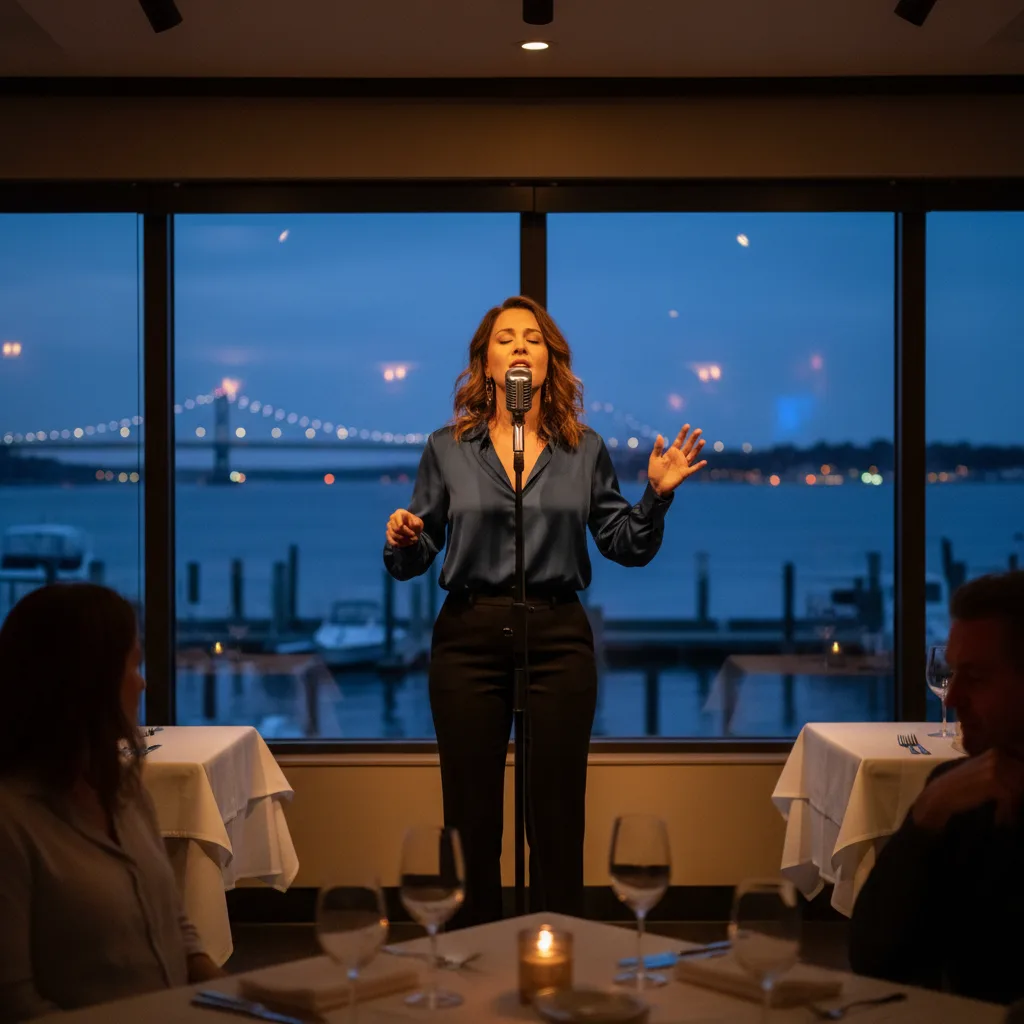
Anna Maria Villa to Perform Weekly at Vetro Restaurant 2026
Anna Maria Villa to perform live at Vetro Restaurant & Lounge on Cross Bay Boulevard every Friday, starting October 9, 2026. Local residents gain new entertainment options.
Your Essential Guide to Sandals Jamaica Montego Bay for Queens Travelers
Planning a luxurious escape? Our guide to Sandals Jamaica Montego Bay helps Queens residents plan the perfect all-inclusive, adults-only Caribbean getaway.
Your Guide to Exploring Jamaica Excursions from Montego Bay for Queens Travelers
Discover the best Jamaica excursions from Montego Bay for Queens residents, including top attractions, transportation tips, and what to pack for your adventure.

A Local's Guide to Montego Bay, Jamaica Beach for Your Next Getaway
Planning a tropical escape from Queens? Explore this guide to Montego Bay, Jamaica beach destinations, essential tips, and activities for your 2026 getaway.
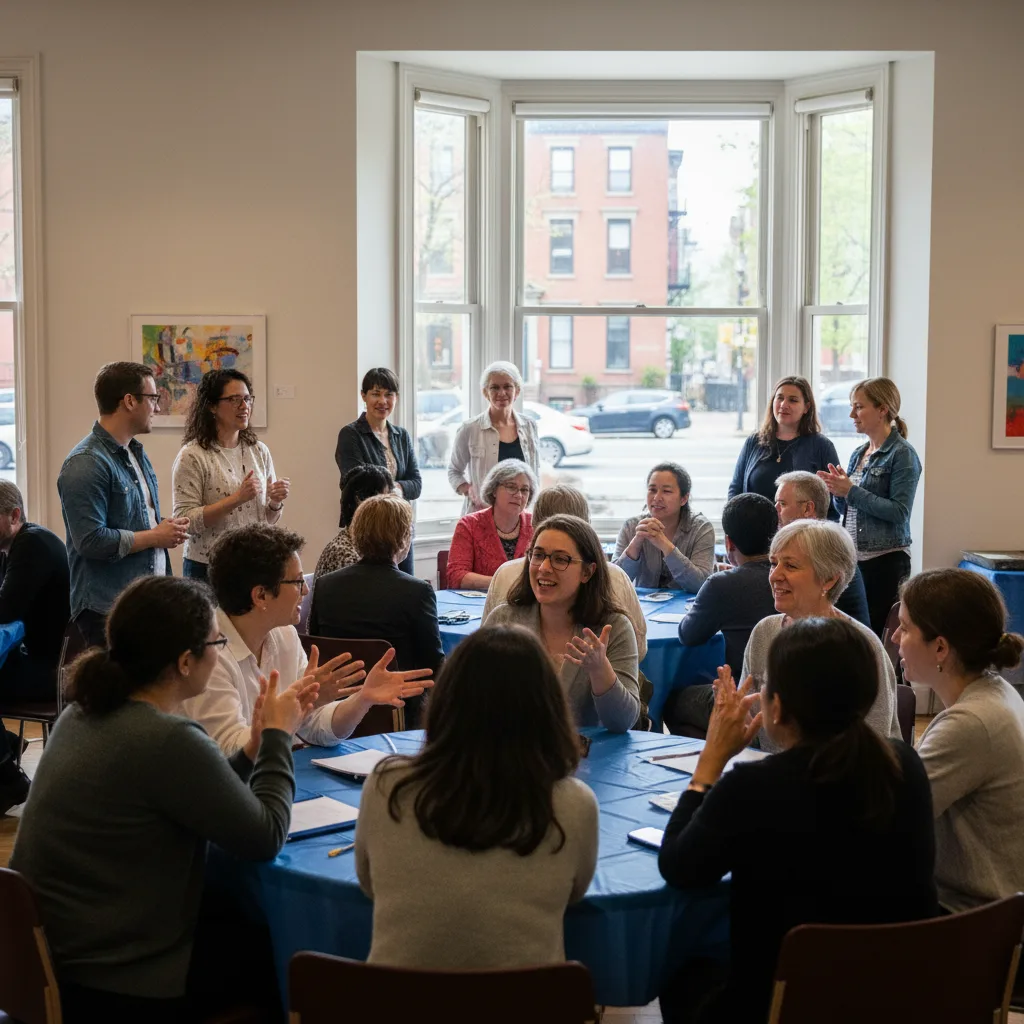
Queens Events Calendar Features Diverse Activities October 8, 2026
Queens Events Calendar for October 8, 2026, features diverse activities, including community care discussions and local gatherings. Residents can find opportunities to engage with local culture.
Queens Nor'easter Topples Trees, Floods Cross Bay Boulevard 2026
A nor'easter in late 2026 toppled trees and flooded streets across Queens, causing significant disruption in southeast neighborhoods and affecting Cross Bay Boulevard commuters. Power outages and traffic delays were widespread.