


Emergency Dispatch Systems: A Look at NYC's Role in Protecting Cross Bay Boulevard

In any urban landscape, the efficiency and responsiveness of emergency dispatch systems are paramount to public safety. While communities across the nation, from small towns like Columbia, Missouri, to vast metropolises, rely on these critical communication hubs for fire and rescue services, New York City's system, particularly for areas like Cross Bay Boulevard in Queens, operates on an unparalleled scale, demanding continuous optimization and preparedness.
Emergency dispatch centers serve as the nerve center for all fire and rescue operations, receiving calls, coordinating resources, and deploying units with precision. They are responsible for understanding the severity of an incident, identifying the exact location, and dispatching the appropriate personnel and equipment—be it from the Fire Department of New York (FDNY), EMS, or other emergency responders. The ability to quickly and accurately process incoming information can mean the difference between life and death, influencing response times and the overall outcome of an emergency situation.
FDNY's Advanced Dispatch System Serving Queens
The FDNY's 911 dispatch system is one of the most sophisticated in the world, designed to manage an immense volume of calls across its five boroughs, including the diverse neighborhoods of Queens such as those along Cross Bay Boulevard. This system integrates advanced mapping technologies, real-time resource tracking, and communication protocols to ensure that firefighters and paramedics are dispatched to incidents with optimal efficiency. The scale of operation in a city like New York requires a robust infrastructure capable of handling hundreds of thousands of emergency calls annually, filtering non-emergencies, and prioritizing critical situations.
For residents and businesses situated along Cross Bay Boulevard, this means access to a highly trained and technologically supported emergency response network. The dispatchers are not just call-takers; they are trained professionals who provide critical pre-arrival instructions, coordinate multi-agency responses, and manage the flow of information during rapidly evolving incidents. This complex ballet of communication and logistics is fundamental to urban safety and resilience.
Community Preparedness and the Role of Timely Information
While the dispatch system is the backbone of emergency response, community preparedness plays a crucial complementary role. Residents along Cross Bay Boulevard are encouraged to be familiar with how to correctly report emergencies, providing clear and concise information to dispatchers. Knowing your exact address, the nature of the emergency, and any immediate dangers can significantly aid the dispatch process and improve response times.
Furthermore, general awareness campaigns by the FDNY often highlight the appropriate use of 911, emphasizing that it should be reserved for genuine emergencies to avoid overloading the system and potentially delaying response to critical incidents. This collective responsibility ensures that the intricate dispatch system can function effectively, ultimately protecting lives and property within Queens and its vital corridors like Cross Bay Boulevard.
Key Points:
- Emergency dispatch systems are vital for coordinating fire and rescue services in urban areas.
- NYC's FDNY operates a highly advanced 911 dispatch system, essential for Queens neighborhoods including Cross Bay Boulevard.
- The system uses technology for rapid call processing, resource tracking, and unit deployment.
- Trained dispatchers provide crucial support and coordination during emergencies.
- Community preparedness and responsible 911 usage are key to enhancing emergency response effectiveness.
Written by
Newstrix
Cross Bay News
Related Articles
More in Emergency & Fire →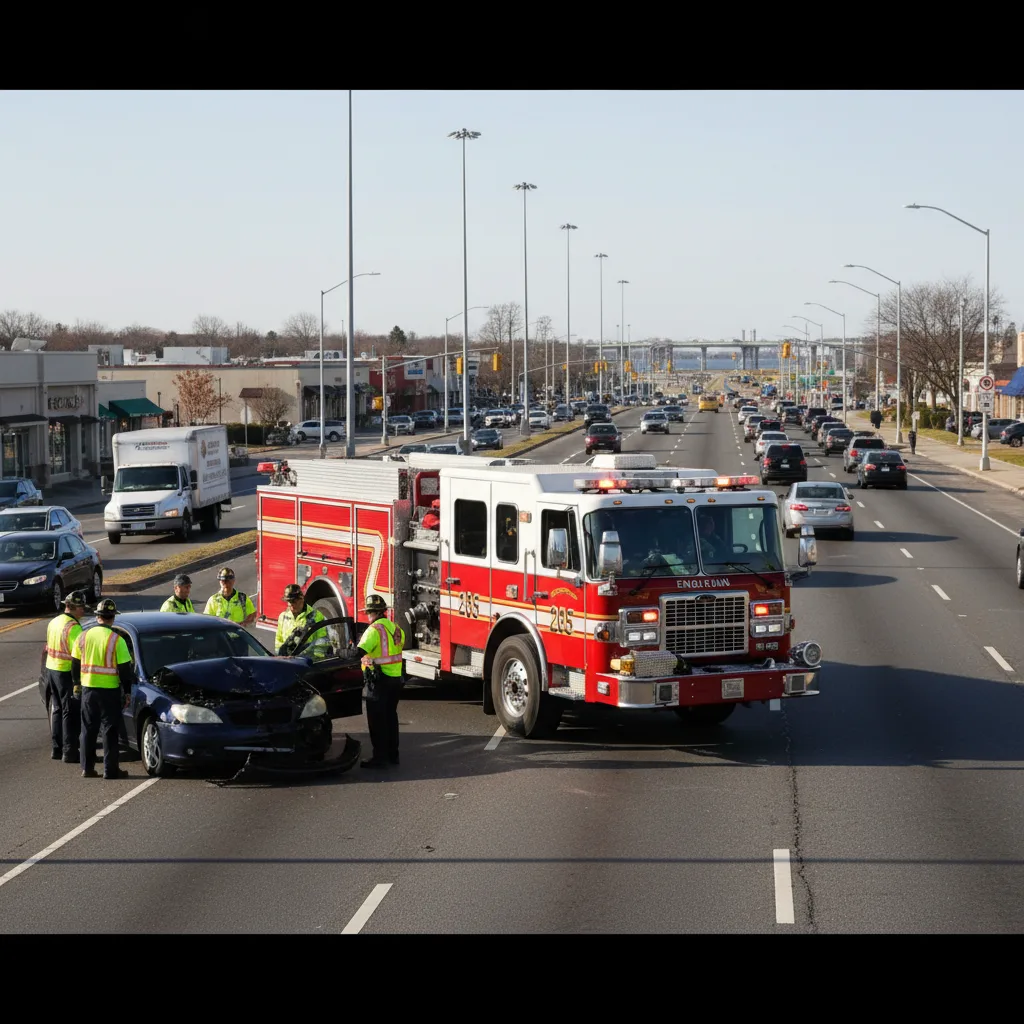
Cross Bay Boulevard Collision Traps Occupants in Ozone Park
A 911 caller reported people trapped after a car crash at 137-20 Cross Bay Boulevard in Ozone Park, Queens, prompting emergency response.
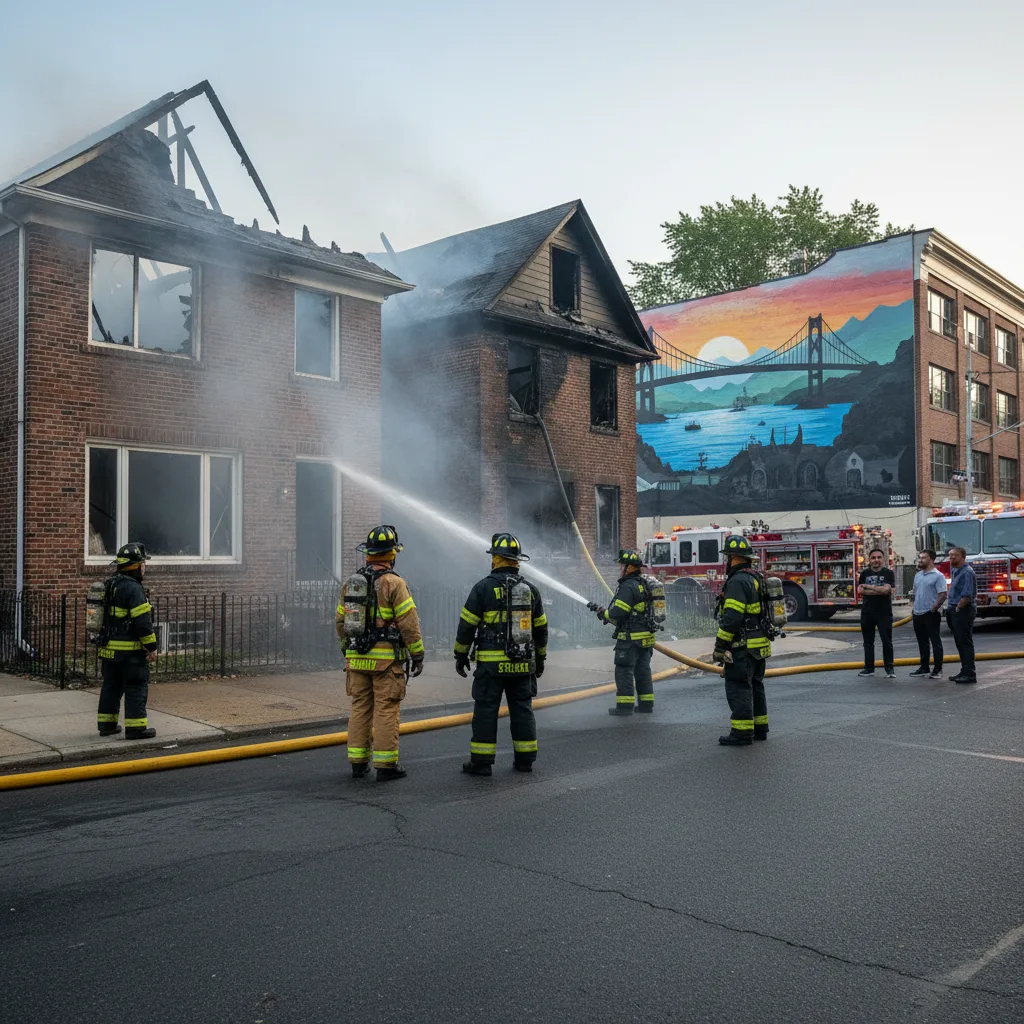
Three Firefighters Injured in Ozone Park House Blaze
Three people, including two firefighters, were injured after a fire tore through two homes in Ozone Park early Thursday.
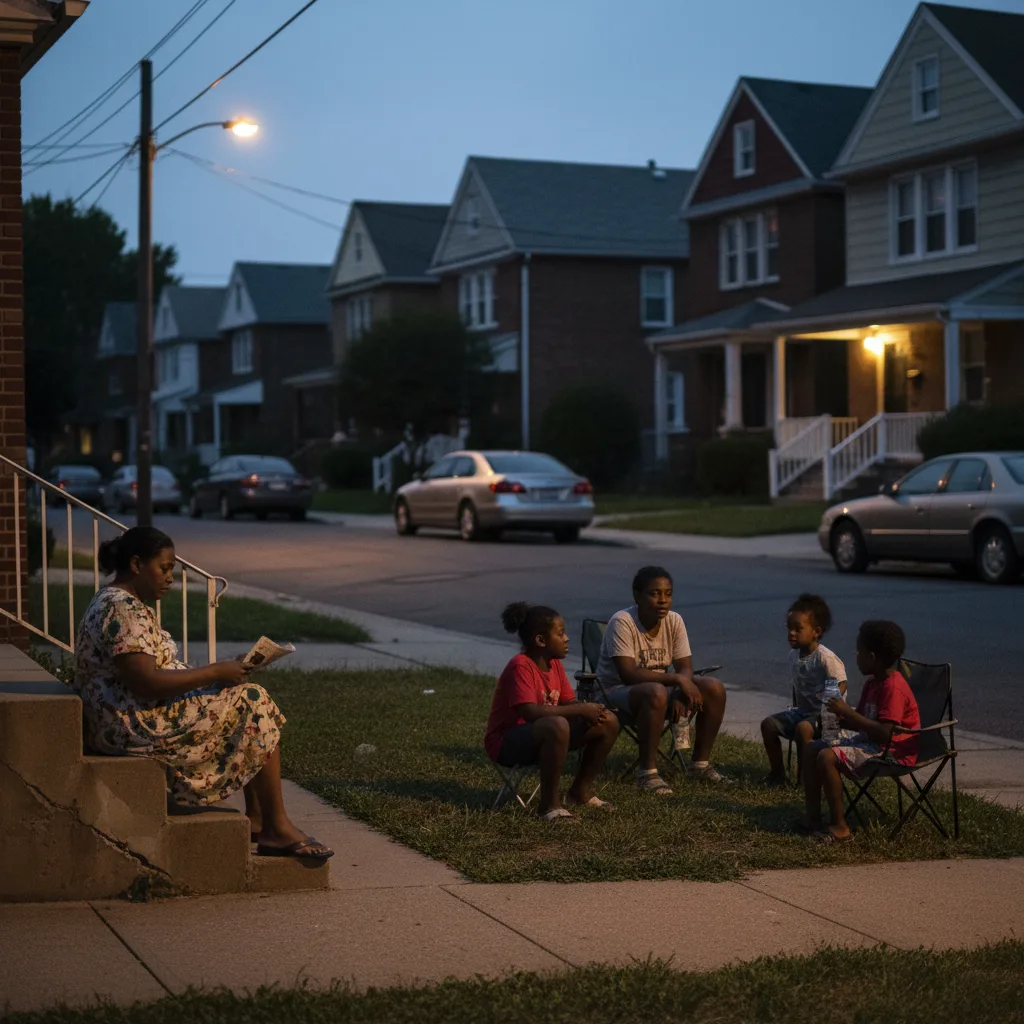
Southeast Queens Residents Face Lingering Heat Wave Power Outages
Southeast Queens residents face lingering power outages amid a heat wave, impacting thousands along Cross Bay Boulevard. Urgent restoration is ongoing.
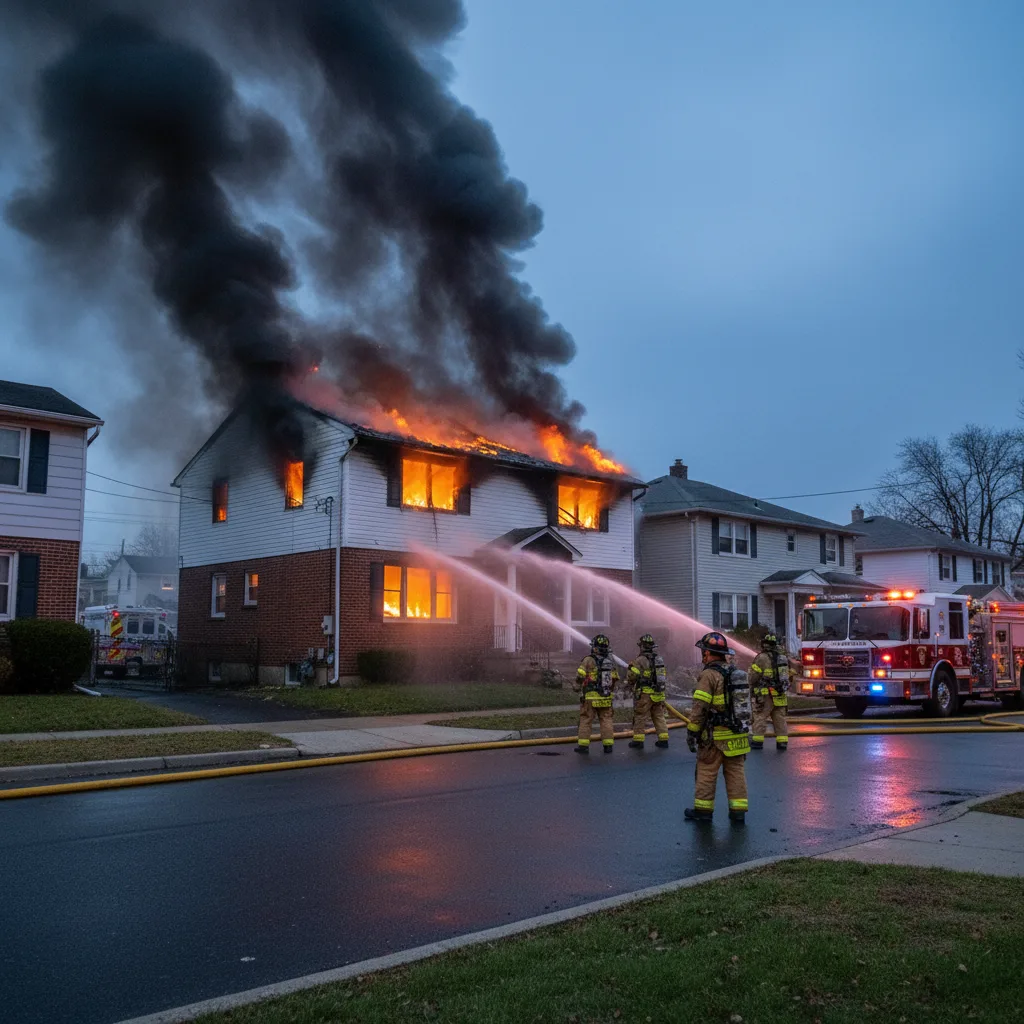
FDNY Battles Two-Alarm Blaze on 110th Avenue, Injuring Three
Two firefighters and one civilian were injured in a two-alarm blaze at a South Ozone Park home early Thursday. This fire highlights local emergency response challenges.

Howard Beach Firefighters Injured in Apartment Blaze Thursday
Two FDNY firefighters sustained minor injuries while battling an apartment fire in Howard Beach, Queens, on Thursday, according to WABC.
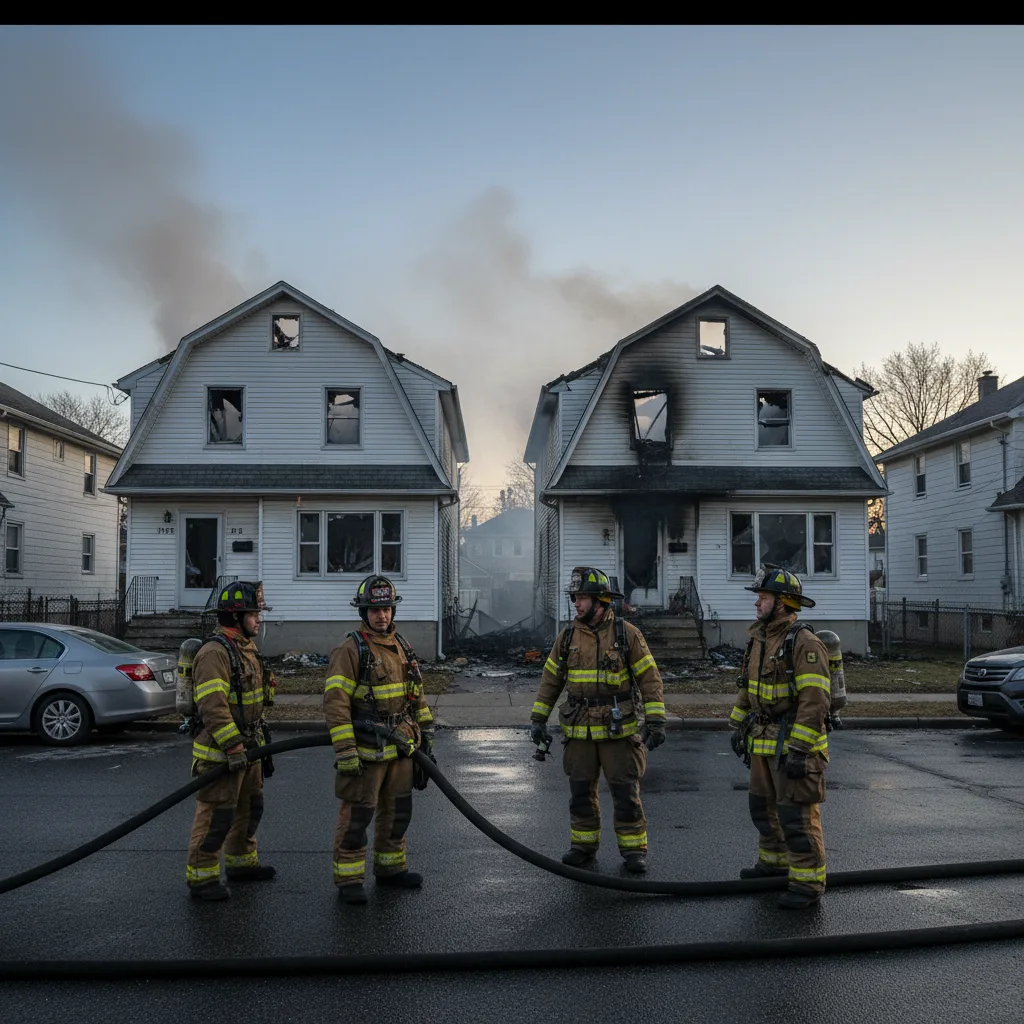
Ozone Park Blaze Injures Three, Engulfs Two Homes on 110th Street
A fierce blaze tore through two homes on 110th Street in Ozone Park early Thursday, injuring three, including two firefighters. The cause is under investigation, emphasizing local fire safety.