


Global Energy Crisis: Cross Bay Boulevard Residents Face Soaring Bills

NEW YORK — A deepening global energy crisis, triggered by Iran's blockade of the Strait of Hormuz and retaliatory strikes on fossil fuel infrastructure, has left Queens residents along Cross Bay Boulevard bracing for skyrocketing heating and electricity bills. The escalating conflict has caused oil prices to surge, directly impacting household budgets and local businesses throughout the borough.
Families are openly discussing strategies for rationing energy and postponing essential home repairs due to the anticipated rise in costs. The profound instability in global energy markets is creating significant financial anxiety within the community. This crisis highlights the interconnectedness of international events and local economic realities.
Strait of Hormuz Blockade and Price Surge
Iran's recent blockade of the Strait of Hormuz, a critical choke point for global oil shipments, has sent shockwaves through international energy markets. This move, coupled with retaliatory strikes on key fossil fuel facilities—including Saudi oil refineries and Qatar's helium exports—has severely disrupted supply chains. The resulting scarcity has driven crude oil prices to unprecedented levels.
Analysts predict oil prices could reach $150-$200 per barrel if the conflict continues, a figure that would dwarf previous peaks. Treasury Secretary Scott Bessant announced plans to remove U.S. sanctions on Iranian oil in an attempt to alleviate surging prices, a move that signals the severity of the crisis. These are critical moments in global economic stability. Explore more on the Global Energy Crisis.
Cross Bay Boulevard Households Brace for Impact
For residents along Cross Bay Boulevard, the immediate concern revolves around the affordability of essential utilities. Many families are already facing tough economic choices and fear that soaring heating and electricity bills will push them further into financial distress. Discussions about turning down thermostats and cutting back on energy usage are common.
"We're already careful with our spending, but higher utility bills mean we'll have to make even harder decisions," explained Carmen Rivera, a homeowner in Howard Beach. She added that her family is considering postponing much-needed home repairs to offset rising energy costs. This directly impacts household disposable income and quality of life.
Small Businesses Under Extreme Pressure
Local small business owners along Cross Bay Boulevard are reporting a noticeable decline in customer spending. Many customers are cutting back on discretionary purchases and services, prioritizing essential expenses. This shift in consumer behavior creates significant financial strain for eateries, retail shops, and service providers.
"People are just not buying as much, and they're always talking about how expensive everything is," shared David Lee, owner of a hardware store near the Joseph P. Addabbo Memorial Bridge. He worries that prolonged high energy costs will force some businesses to reduce hours or even close. The economic environment has become increasingly challenging for the backbone of the local economy.
Community Spaces Become Hubs of Concern
Community centers, libraries, and transit hubs along Cross Bay Boulevard are becoming informal gathering places where residents openly discuss their worries about affordability. Seniors, particularly those on fixed incomes, are expressing profound concern about affording heat during the colder months. Many fear being unable to meet their basic needs.
Working families, too, are questioning whether their paychecks will stretch far enough to cover rising utility bills, groceries, and transportation costs. The widespread concern underscores a collective feeling of vulnerability to global events. These informal community dialogues are vital indicators of public sentiment and economic stress.
Local Government and Aid Initiatives
In response to the growing concerns, local council members are exploring potential avenues for assistance, including advocating for increased state and federal energy assistance programs. Discussions are underway with utility providers to understand potential relief measures or payment plans for struggling residents. The local government aims to mitigate the immediate impact on its constituents.
Community organizations in the Cross Bay area are also gearing up to offer resources and advice on energy conservation. They are preparing for an anticipated increase in demand for support services as the energy crisis continues to unfold. Proactive measures are essential to assist the most vulnerable segments of the population.
Frequently Asked Questions About Energy Costs in Queens
What is causing the global energy crisis affecting Queens residents? The crisis is primarily driven by Iran's blockade of the Strait of Hormuz and retaliatory attacks on critical fossil fuel infrastructure. These geopolitical events have severely disrupted global oil and gas supplies, leading to significant price surges worldwide. The market instability is directly impacting consumer costs.
How are Cross Bay Boulevard residents specifically affected by the crisis? Residents are facing rapidly increasing heating and electricity bills, causing financial strain for households and leading to discussions about energy rationing. Many families are reconsidering essential home repairs due to fears of rising costs. Affordability is a major concern for both seniors and working families.
What impact is this having on local businesses in the area? Small businesses along Cross Bay Boulevard are experiencing reduced customer spending as residents prioritize essential expenses. This decline in patronage, combined with increased operational costs due to higher energy prices, is putting significant pressure on local establishments. Many fear long-term economic consequences.
What are community members discussing regarding affordability? Residents gathering at community spaces and transit hubs are openly sharing worries about being able to afford basic utilities, especially heating in the coming months. There is widespread concern about whether current paychecks will cover escalating costs of living. These discussions highlight a collective financial anxiety.
What steps are being taken to help residents cope with rising bills? Local council members are exploring advocacy for increased government energy assistance programs and engaging with utility companies for potential relief options. Community organizations are also preparing to offer resources and advice on energy conservation to help residents manage their bills. Support mechanisms are being put into place.
Written by
Newstrix
Cross Bay News
Related Articles
More in Local Economy & Business →Queens Residents Face Soaring Rent Hikes, Housing Scarcity Along Cross Bay
Queens residents, especially along Cross Bay Boulevard, face severe rent hikes and housing scarcity, mirroring international housing protests. Local families are struggling.
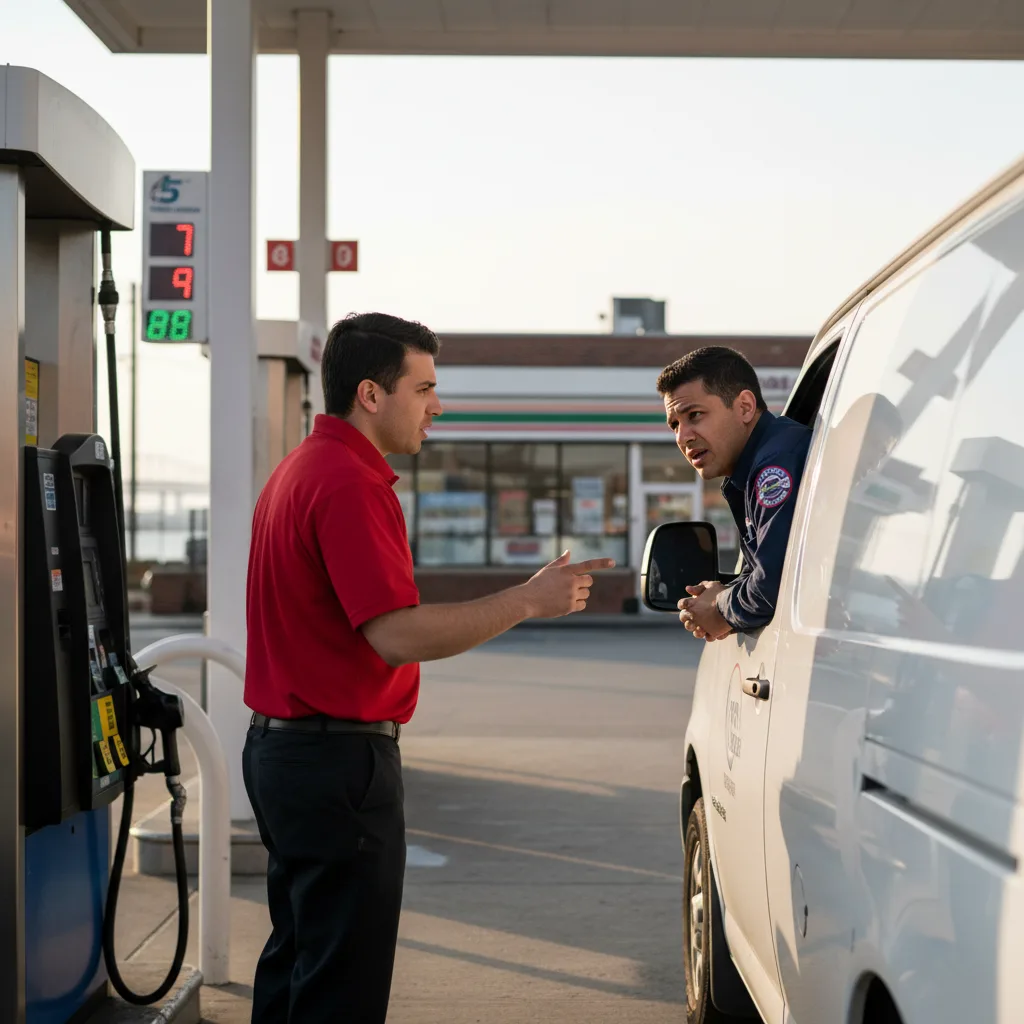
Cross Bay Boulevard Residents Anxious Over Strait of Hormuz Standoff
Cross Bay Boulevard residents are anxious as Iran's Strait of Hormuz stance threatens gas prices and local economy, affecting daily commutes and costs.
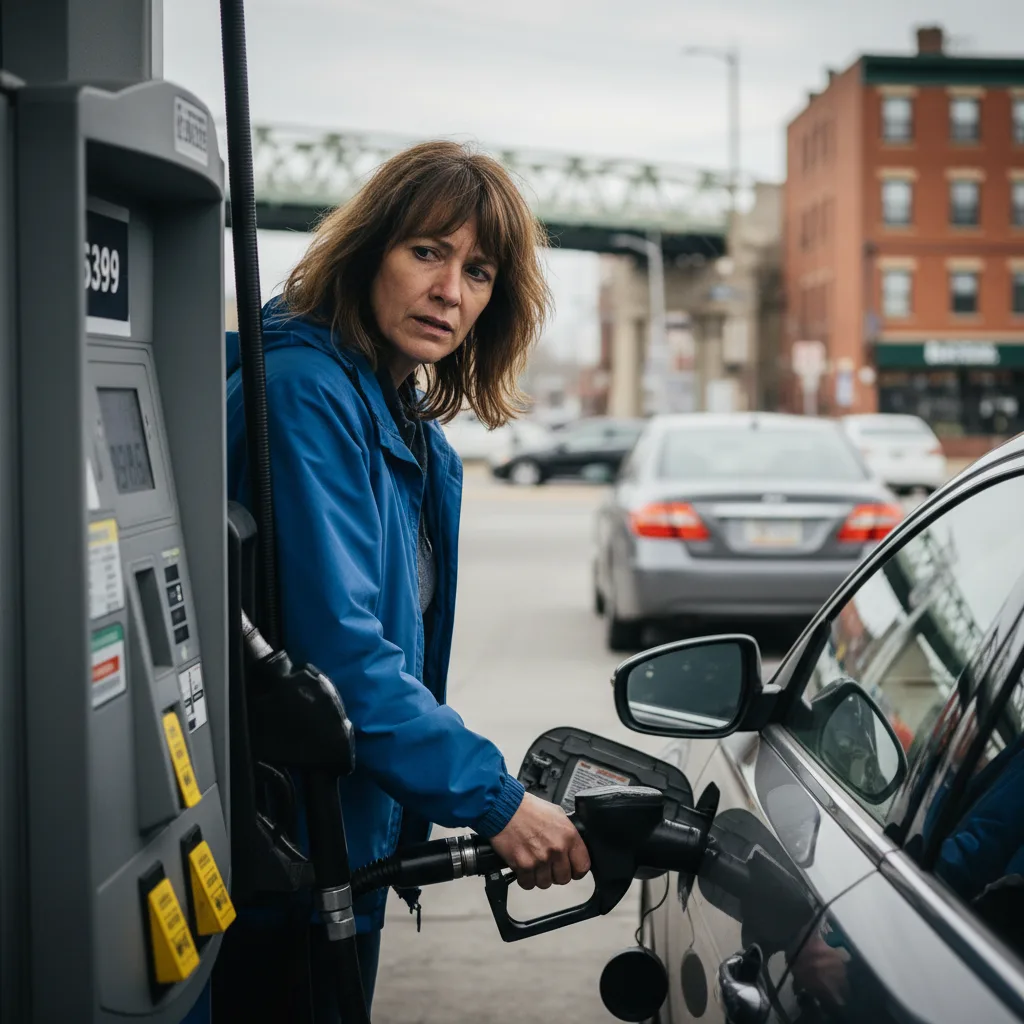
Cross Bay Boulevard Residents Concerned Over Yemen Airstrikes Impact on Economy 2026
Queens residents on Cross Bay Boulevard are concerned about rising gas prices and supply issues after Saudi airstrikes hit Yemen's capital on October 3, 2026. This impacts the local economy.
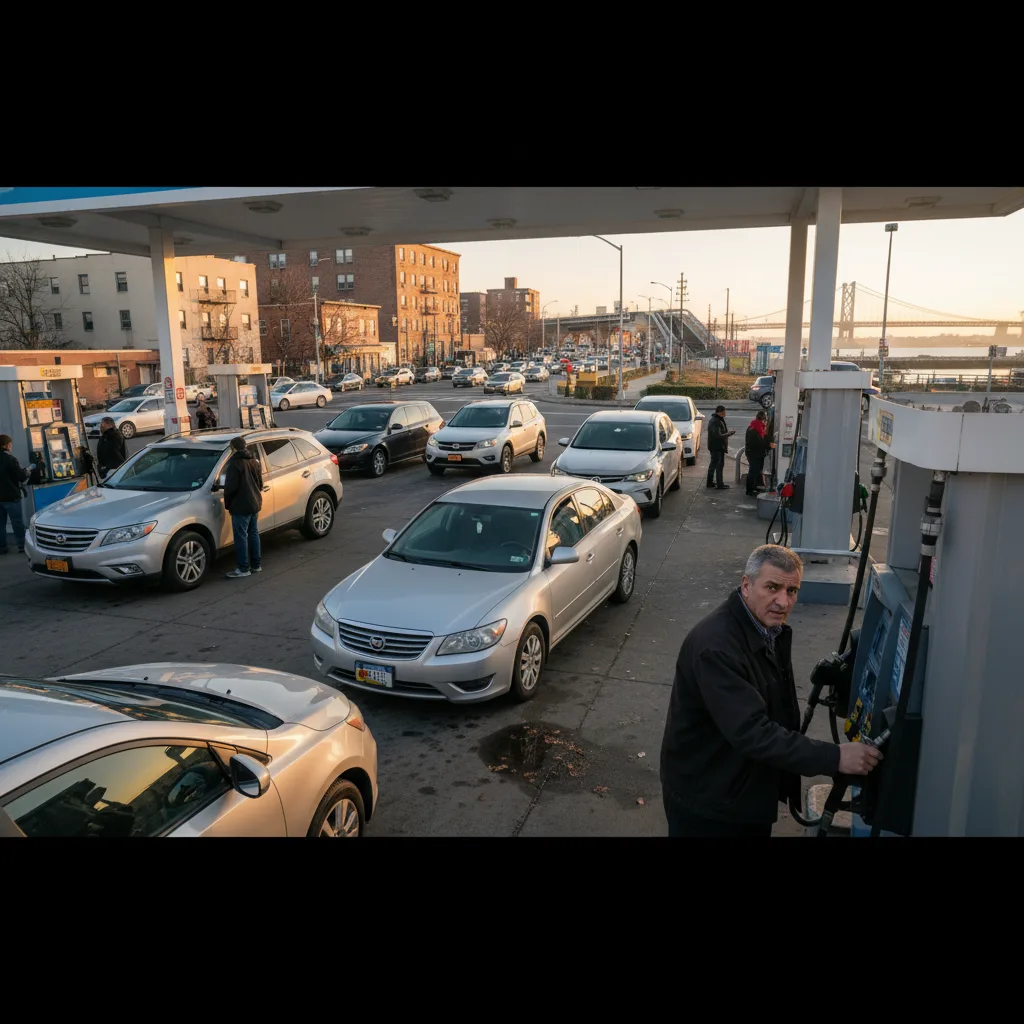
Cross Bay Residents Discuss Iran War Impact on Household Budgets
Cross Bay residents discuss the U.S.-Iran crisis impact on gas prices and household budgets, fearing a ripple effect on daily costs.

Your Essential Guide to Sandals Jamaica Montego Bay for Queens Travelers
Planning a luxurious escape? Our guide to Sandals Jamaica Montego Bay helps Queens residents plan the perfect all-inclusive, adults-only Caribbean getaway.

Your Guide to Exploring Jamaica Excursions from Montego Bay for Queens Travelers
Discover the best Jamaica excursions from Montego Bay for Queens residents, including top attractions, transportation tips, and what to pack for your adventure.