


President Trump's Strait of Hormuz Declaration Raises Global Concerns
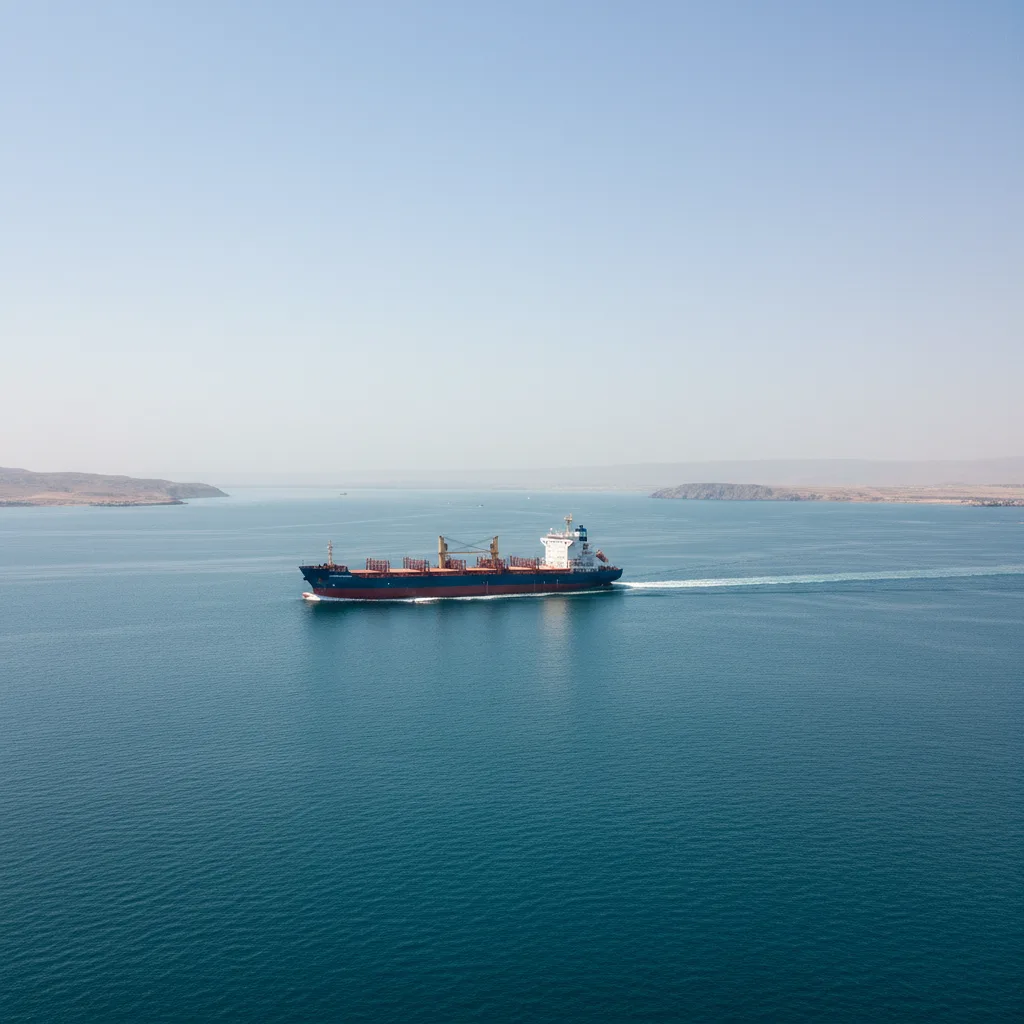
NEW YORK — President Trump's statement indicating he will declare the Strait of Hormuz U.S. territory is circulating in international coverage today, raising immediate global concern. The waterway plays a central role in global shipping and energy markets, meaning any such move would have significant geopolitical consequences. This claim is prompting discussions within the Government & Politics sphere about international law and maritime freedom, resonating with communities like those along Cross Bay Boulevard due to potential economic impacts.
Geopolitical Tensions Escalate Over Vital Waterway
The declaration attributed to President Trump regarding the Strait of Hormuz has ignited a firestorm of geopolitical debate and concern. International media outlets, including Anadolu Agency, are widely reporting on the statement, underscoring the potential for significant diplomatic and military ramifications. The Strait is a narrow passage crucial for the global transport of oil and gas, connecting the Persian Gulf to the open ocean.
Any change in its status would challenge international maritime law and likely provoke strong reactions from various nations, especially those bordering the Strait. Observers in Government & Politics are scrutinizing the implications for global trade, energy prices, and regional stability. This move could redefine international alliances and spark new conflicts, making it a focal point of global affairs.
Economic Repercussions for Energy Markets
The Strait of Hormuz is recognized as one of the world's most critical choke points for oil shipments. A declaration of U.S. territory would invariably impact the stability of global energy markets. Such a move could lead to disruptions in oil supply, triggering significant fluctuations in crude oil prices and subsequently affecting gasoline prices worldwide. For residents along Cross Bay Boulevard, this could translate directly into higher costs at the pump, a perennial concern for commuters and businesses.
Energy analysts are already modeling various scenarios, assessing the potential for market volatility and its broader economic consequences. The uncertainty surrounding the Strait’s future under such a declaration would likely prompt speculative trading and could deter shipping, further exacerbating economic pressures. This directly links global political decisions to local economic realities, a familiar dynamic for Queens communities.
International Law and Maritime Freedom Debates
President Trump's asserted declaration also re-ignites long-standing debates about international law, sovereignty, and the principle of freedom of navigation. The Strait of Hormuz is currently considered international waters, with a clear framework governing transit. A unilateral claim of territorial ownership by the U.S. would be a direct challenge to this established legal order. Legal scholars and international relations experts are weighing in, emphasizing the precedents such a move could set for other strategic waterways globally.
Such a decision could lead to condemnation from the United Nations and other international bodies, further isolating the U.S. on the global stage. Nations reliant on the Strait for trade would likely view this as an infringement on their economic interests and sovereignty. The move poses complex questions for international diplomacy and global cooperation, impacting the stability of international relations and alliances, a topic often discussed in local Government & Politics forums.
Cross Bay Boulevard Residents Ponder Global Impact
While there is no verified reporting detailing specific quotes or immediate street-level reactions from Cross Bay Boulevard residents, a statement of this magnitude from President Trump would likely surface in everyday conversations as a concern about gas prices and potential global conflict. The proximity to major transit routes and the reliance on fuel for daily life often make global energy politics a local talking point in Queens. Residents in Howard Beach and Ozone Park are particularly attuned to such developments that might affect their daily commutes or cost of living.
The potential for increased tension in a critical global region often leads to discussions about national security and the broader implications for the U.S. role in the world. Locals might discuss these developments at community centers or during informal gatherings, pondering how international events might translate into changes in their daily lives. The impact of such a declaration, while distant, holds a strong economic relevance for this New York community. Morning Briefing from Anadolu Agency on global developments provides additional context.
Frequently Asked Questions
How would declaring the Strait of Hormuz U.S. territory affect global oil prices? Declaring the Strait of Hormuz U.S. territory could significantly disrupt global oil prices by creating uncertainty and potentially restricting the free flow of oil. This uncertainty might lead to a spike in crude oil prices due to speculation and concerns about supply shortages. Higher crude prices would directly impact gasoline costs, potentially causing an increase at local pumps along Cross Bay Boulevard and across Queens.
What are the main geopolitical consequences of such a declaration? The main geopolitical consequences of such a declaration would include widespread international condemnation, challenges to established maritime law, and increased tensions with nations bordering the Strait of Hormuz. It could provoke strong diplomatic and potentially military responses from various countries, leading to a significant destabilization of an already sensitive region and reshaping global alliances.
Written by
Newstrix
Cross Bay News
Related Articles
More in Government & Politics →
DA Katz Urges Parole Board to Keep Eddie Byrne Killer Behind Bars 2026
Queens DA Melinda Katz urges the state parole board to keep the killer of rookie cop Eddie Byrne behind bars for his 1988 assassination in South Jamaica. Justice remains a priority.

Brazil's Presidential Election Draws Concern from Queens Latin American Community
Brazil's polarized presidential election deeply concerns Queens' Latin American community, debating its impact on family abroad and regional stability.
Your Essential Guide to Sandals Jamaica Montego Bay for Queens Travelers
Planning a luxurious escape? Our guide to Sandals Jamaica Montego Bay helps Queens residents plan the perfect all-inclusive, adults-only Caribbean getaway.
Your Guide to Exploring Jamaica Excursions from Montego Bay for Queens Travelers
Discover the best Jamaica excursions from Montego Bay for Queens residents, including top attractions, transportation tips, and what to pack for your adventure.

A Local's Guide to Montego Bay, Jamaica Beach for Your Next Getaway
Planning a tropical escape from Queens? Explore this guide to Montego Bay, Jamaica beach destinations, essential tips, and activities for your 2026 getaway.

Queens Events Calendar Features Diverse Activities October 8, 2026
Queens Events Calendar for October 8, 2026, features diverse activities, including community care discussions and local gatherings. Residents can find opportunities to engage with local culture.