


Hormuz Crisis Sparks Fuel Price Concerns, Debate on Cross Bay Boulevard

NEW YORK — Global tensions surrounding the Strait of Hormuz and President Trump's ongoing conflict with Iran are sending ripples of concern through communities along Cross Bay Boulevard in Queens. As international allies rebuff calls for assistance in the conflict, local residents are increasingly worried about potential spikes in gas prices and broader economic disruptions. The war, now in its third week, has prompted discussions in local diners and community board meetings.
President Trump publicly criticized NATO allies, Japan, Korea, and Australia for their refusal to join efforts to secure the vital Strait of Hormuz. This public rebuke occurred two weeks after the United States initiated military action against Iran. One unnamed ally reportedly stated, "It's not our war," highlighting the deepening diplomatic chasm, as detailed in recent reports.
Local Discourse at Cross Bay Boulevard Diners
The geopolitical drama has become a prominent topic of conversation at local establishments like the Cross Bay Diner. Residents gathered over coffee and breakfast, debating the implications of Trump’s ally backlash. Many Trump supporters defended the President, asserting that "NATO owes us after years of freeloading," reflecting sentiments heard frequently in the neighborhood.
Conversely, others expressed deep apprehension about the potential for escalating gas prices. Drivers along Cross Bay Boulevard, already accustomed to fluctuating fuel costs, are now eyeing the pumps with renewed worry. The consensus in many street conversations is that "This war's coming home to our pumps," impacting household budgets and daily commutes.
Community Boards Discuss Emergency Fuel Stockpiles
The specter of economic instability has prompted proactive discussions at community board meetings across Queens. Specifically, boards are deliberating on the feasibility and necessity of emergency fuel stockpiles. These discussions reflect a desire to mitigate the impact of potential Hormuz disruptions on New York City's energy supply.
Local families, fearing that the crisis could hit NYC hardest, have also begun stocking up on essentials at local bodegas. The collective anxiety underscores the direct link residents perceive between global events and their immediate economic well-being. Public forums have seen increased attendance as people seek answers and reassurances.
Historical Precedent: Geopolitical Crises and Local Economies
This isn't the first time global events have cast a shadow over local economies in New York. Past geopolitical crises involving key oil-producing regions have historically led to significant energy price hikes and supply chain issues. The city's reliance on global trade and transportation makes it particularly vulnerable to such disruptions.
Understanding this historical context informs current community efforts to prepare and adapt. Policymakers are looking at strategies implemented during previous energy crises to guide their current planning. The ongoing situation highlights the interconnectedness of global politics and everyday local life, as explored in discussions on foreign policy impact.
Presidential Struggle for an Exit Strategy
President Trump's administration appears to be struggling to formulate a clear exit strategy from the escalating conflict with Iran. The lack of allied support further complicates diplomatic and military options. This prolonged uncertainty in Washington only serves to amplify economic anxieties in communities like Cross Bay, adding to the general sense of unease.
The crisis risks not only global market disruptions but also significant refugee flows, further straining international resources. These broader humanitarian concerns also resonate with the diverse population of Queens. Local aid organizations are beginning to assess their capacity to respond if such a scenario unfolds.
Proactive Measures and Local Resilience
Despite the concerns, the communities around Cross Bay Boulevard are demonstrating characteristic New York resilience. While some fear the worst, many are focusing on community-led initiatives and informed preparation. Local government officials are working to reassure residents and provide accurate information about the situation.
Efforts to support local businesses through potential economic downturns are also being discussed. The collective spirit of the community is one of cautious optimism, coupled with a pragmatic approach to safeguarding local interests. Residents are urged to follow official city guidance regarding preparedness.
Frequently Asked Questions About the Hormuz Crisis's Local Impact
How might the Strait of Hormuz crisis specifically affect gas prices in Cross Bay Boulevard in 2026? Disruptions to shipping in the Strait of Hormuz, a critical oil transit chokepoint, could lead to reduced global oil supply. This reduction would likely drive up wholesale oil prices, which would then be passed on to consumers at gas stations along Cross Bay Boulevard and across NYC.
What measures are local community boards taking regarding fuel supply? Community boards in Queens, including those serving the Cross Bay area, are exploring options for emergency fuel reserves and discussing strategies to support local businesses and residents if energy supplies are significantly impacted. These are proactive discussions aimed at preparedness.
Where can Cross Bay residents find reliable information about the conflict and its economic effects? Residents should rely on official news sources, government advisories, and reputable economic analyses. Local news outlets and city emergency management channels will provide updates on local impacts and any specific guidance for New Yorkers.
Written by
Newstrix
Cross Bay News
Related Articles
More in Local Economy & Business →
Queens Residents Face Soaring Rent Hikes, Housing Scarcity Along Cross Bay
Queens residents, especially along Cross Bay Boulevard, face severe rent hikes and housing scarcity, mirroring international housing protests. Local families are struggling.
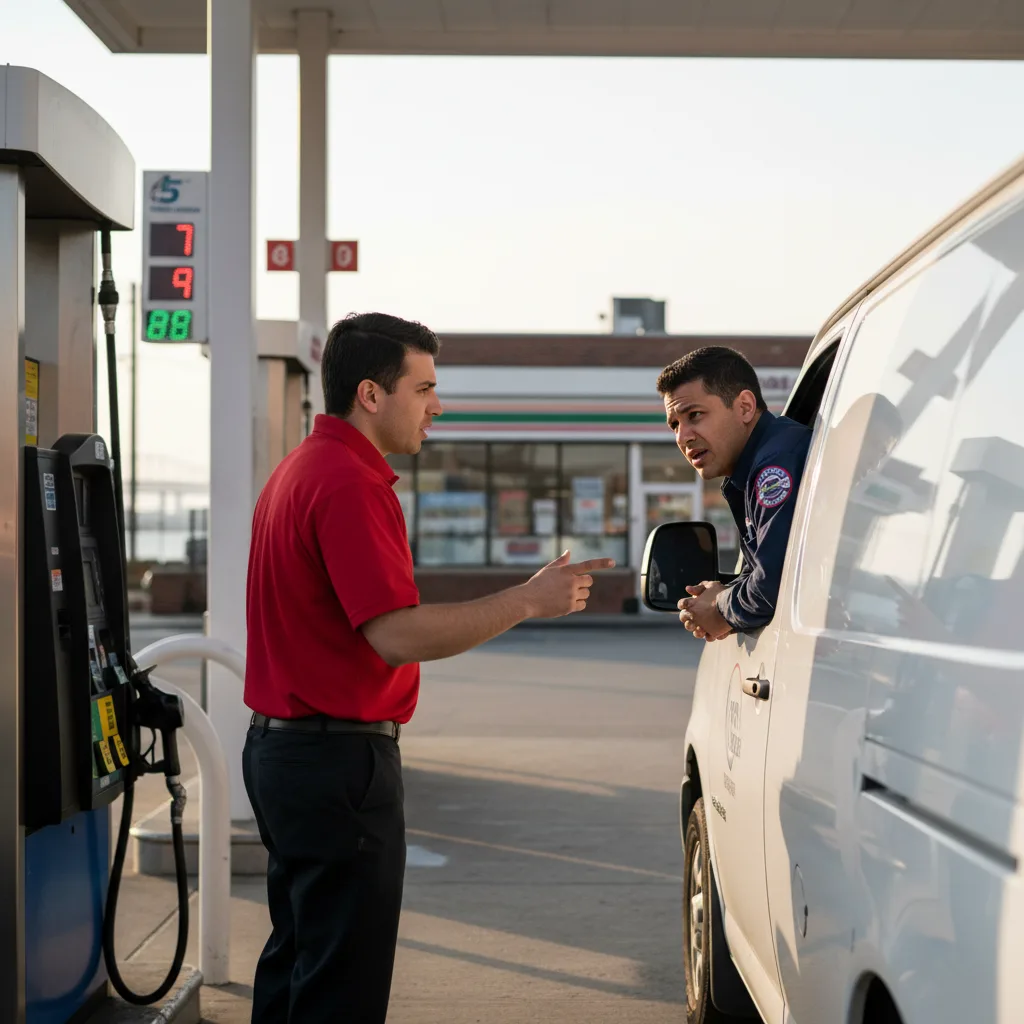
Cross Bay Boulevard Residents Anxious Over Strait of Hormuz Standoff
Cross Bay Boulevard residents are anxious as Iran's Strait of Hormuz stance threatens gas prices and local economy, affecting daily commutes and costs.
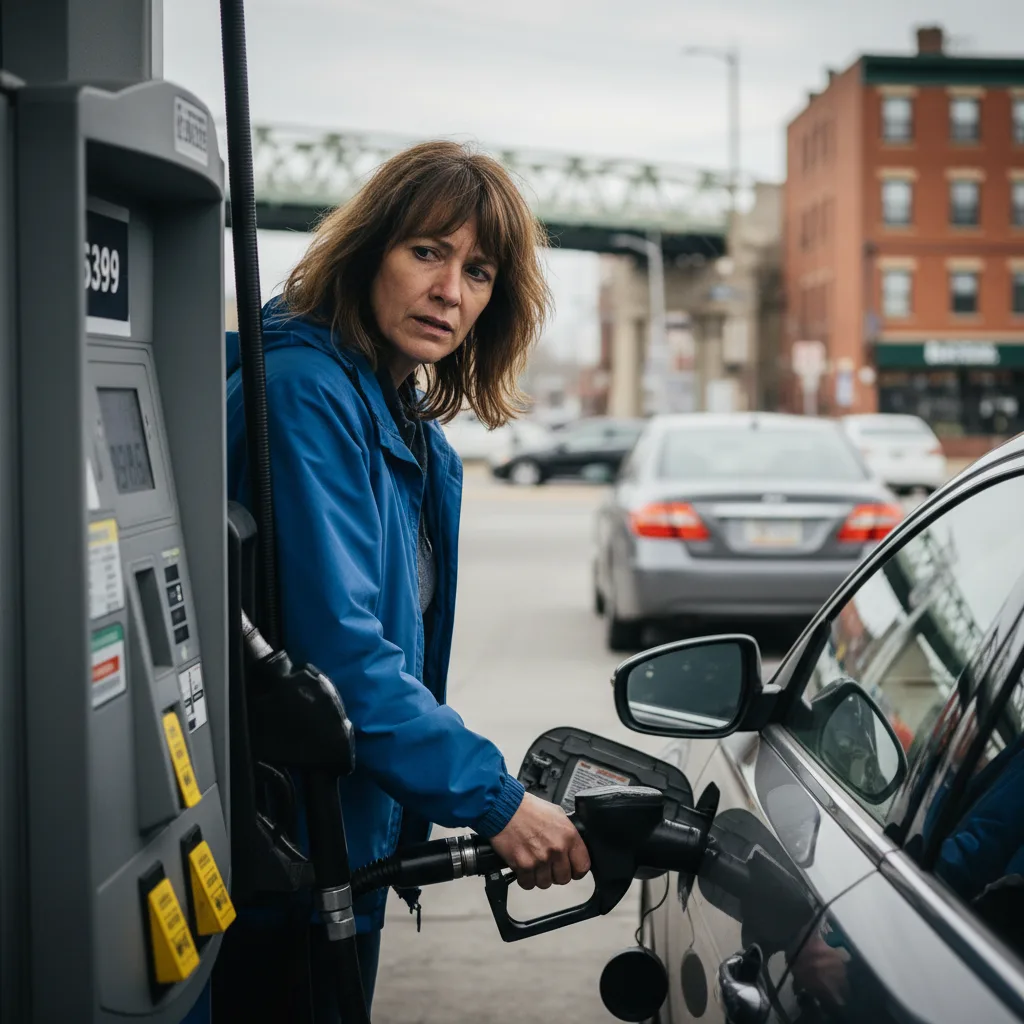
Cross Bay Boulevard Residents Concerned Over Yemen Airstrikes Impact on Economy 2026
Queens residents on Cross Bay Boulevard are concerned about rising gas prices and supply issues after Saudi airstrikes hit Yemen's capital on October 3, 2026. This impacts the local economy.
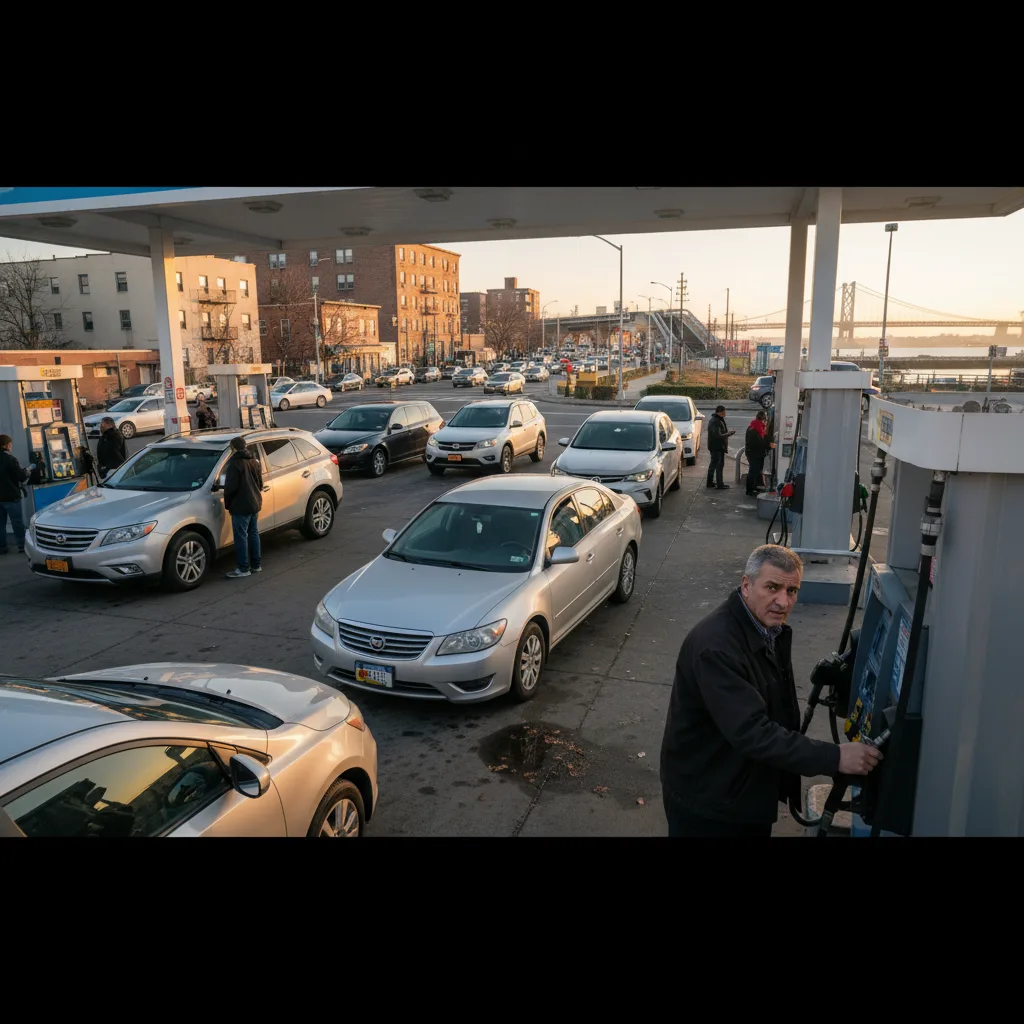
Cross Bay Residents Discuss Iran War Impact on Household Budgets
Cross Bay residents discuss the U.S.-Iran crisis impact on gas prices and household budgets, fearing a ripple effect on daily costs.

Your Essential Guide to Sandals Jamaica Montego Bay for Queens Travelers
Planning a luxurious escape? Our guide to Sandals Jamaica Montego Bay helps Queens residents plan the perfect all-inclusive, adults-only Caribbean getaway.
Your Guide to Exploring Jamaica Excursions from Montego Bay for Queens Travelers
Discover the best Jamaica excursions from Montego Bay for Queens residents, including top attractions, transportation tips, and what to pack for your adventure.