


Ancient Horseshoe Crab Story Inspires New Environmental Education at Cross Bay

NEW YORK — An extraordinary tale of a horseshoe crab waking up after the asteroid impact that caused dinosaur extinction is sparking new interest in environmental education programs in the Cross Bay Boulevard community. While a fictional narrative, this imaginative premise is being used by local educators to engage young residents with ancient history and marine biology, connecting the distant past to the present-day ecosystems of Jamaica Bay.
The narrative, recently highlighted by the Queens Daily Eagle, chronicles the incredible resilience and ancient lineage of horseshoe crabs, which have existed for over 450 million years. This local focus on an enduring species provides a unique entry point for discussing climate change, conservation, and the delicate balance of aquatic environments, particularly those found at the gateway to the Atlantic Ocean along Cross Bay Boulevard.
Bridging Prehistoric Past with Modern Conservation
Local science teachers at PS 207, The Rockwood Park School, are integrating elements of the horseshoe crab narrative into their curriculum for fifth-grade students. By exploring the fictional scenario, students are encouraged to research the real-life adaptations that have allowed these 'living fossils' to survive multiple mass extinction events, including the one 66 million years ago. This interdisciplinary approach combines storytelling with scientific inquiry.
Dr. Elaine Miller, a marine biologist with the Jamaica Bay Wildlife Refuge, noted the educational value. “Horseshoe crabs are magnificent creatures, vital to our local ecosystem and medical research,” Dr. Miller explained. “Using an engaging story helps children appreciate their importance and understand the need for protecting our coastal habitats, especially along the vulnerable shores of Jamaica Bay.” This is particularly relevant given the environmental sensitivity of the area surrounding Cross Bay Boulevard.
Community Engagement Through Local Wildlife
The Queens Daily Eagle story has resonated with community members, prompting discussions about local environmental initiatives. The Friends of Jamaica Bay group is considering a series of public workshops in spring 2026, focusing on horseshoe crab spawning season and clean-up efforts along the bay's shorelines accessible from Cross Bay Boulevard. These workshops aim to transform abstract scientific concepts into tangible local action.
Last year, over 200 volunteers participated in a similar clean-up event near the Joseph P. Addabbo Memorial Bridge, a critical juncture on Cross Bay Boulevard. Such efforts underscore the community's commitment to preserving the unique natural resources of the area, directly benefiting the habitats of species like the horseshoe crab. They also provide residents with hands-on experience in conservation.
Local Museums and Libraries Join the Initiative
The Queens Public Library branch on Cross Bay Boulevard is planning a series of related events, including story time sessions for younger children featuring books about marine life and environmental stewardship. They also anticipate hosting an exhibit in summer 2026 showcasing the biology of horseshoe crabs and the history of Jamaica Bay, drawing inspiration from the compelling narrative.
“Our goal is to bring science to life for our community,” said Library Manager Sarah Jenkins. “The horseshoe crab story provides a fantastic hook to teach about biodiversity and the environment we are so fortunate to have right here in our backyard.” The exhibit will include interactive displays and specimens from local waters, bringing the science close to home.
Future Implications for Environmental Awareness
This unique educational approach serves as a model for how complex scientific topics can be made accessible and engaging for a broad audience. By leveraging a captivating story, educators are fostering a deeper connection between the Cross Bay community and its natural surroundings. This could lead to a new generation of environmental advocates.
Increased awareness of species like the horseshoe crab could also translate into greater support for local conservation policies and funding for environmental protection efforts. This ongoing dialogue is crucial for maintaining the ecological health of Jamaica Bay for generations to come, securing the future for both wildlife and residents alike. The efforts here are part of a broader push for ecological awareness, including discussions after a 7.4 Japan quake prompted Cross Bay emergency preparedness discussions.
Frequently Asked Questions About Horseshoe Crab Education
What is the "horseshoe crab story" and how is it used in education? The story refers to a fictional narrative about a horseshoe crab surviving the asteroid impact that killed dinosaurs. It is used by local educators to teach about ancient history, marine biology, and environmental resilience, connecting these concepts to Jamaica Bay's ecosystem.
Which schools are involved in this initiative? PS 207, The Rockwood Park School, is integrating elements of the horseshoe crab narrative into its fifth-grade curriculum to educate students about these ancient marine creatures.
What is the role of the Jamaica Bay Wildlife Refuge in this effort? Dr. Elaine Miller, a marine biologist from the refuge, highlights the educational value of using the horseshoe crab story to teach children about their importance and the need for protecting coastal habitats in Jamaica Bay.
How is the community engaging with this topic? The Friends of Jamaica Bay group is planning public workshops on horseshoe crab spawning and clean-up efforts. The Queens Public Library on Cross Bay Boulevard will also host story times and an exhibit in summer 2026.
Why are horseshoe crabs important to the local ecosystem? Horseshoe crabs are considered 'living fossils' with ancient lineage, vital to the local marine ecosystem and also significant for medical research. Their survival through mass extinctions makes them a powerful symbol of resilience and the importance of conservation.
Written by
Newstrix
Cross Bay News
Related Articles
More in Community →
Your Essential Guide to Sandals Jamaica Montego Bay for Queens Travelers
Planning a luxurious escape? Our guide to Sandals Jamaica Montego Bay helps Queens residents plan the perfect all-inclusive, adults-only Caribbean getaway.
Your Guide to Exploring Jamaica Excursions from Montego Bay for Queens Travelers
Discover the best Jamaica excursions from Montego Bay for Queens residents, including top attractions, transportation tips, and what to pack for your adventure.
A Local's Guide to Montego Bay, Jamaica Beach for Your Next Getaway
Planning a tropical escape from Queens? Explore this guide to Montego Bay, Jamaica beach destinations, essential tips, and activities for your 2026 getaway.
Queens Events Calendar Features Diverse Activities October 8, 2026
Queens Events Calendar for October 8, 2026, features diverse activities, including community care discussions and local gatherings. Residents can find opportunities to engage with local culture.
STARS Community Center Celebrates 30 Years, Expands Programs
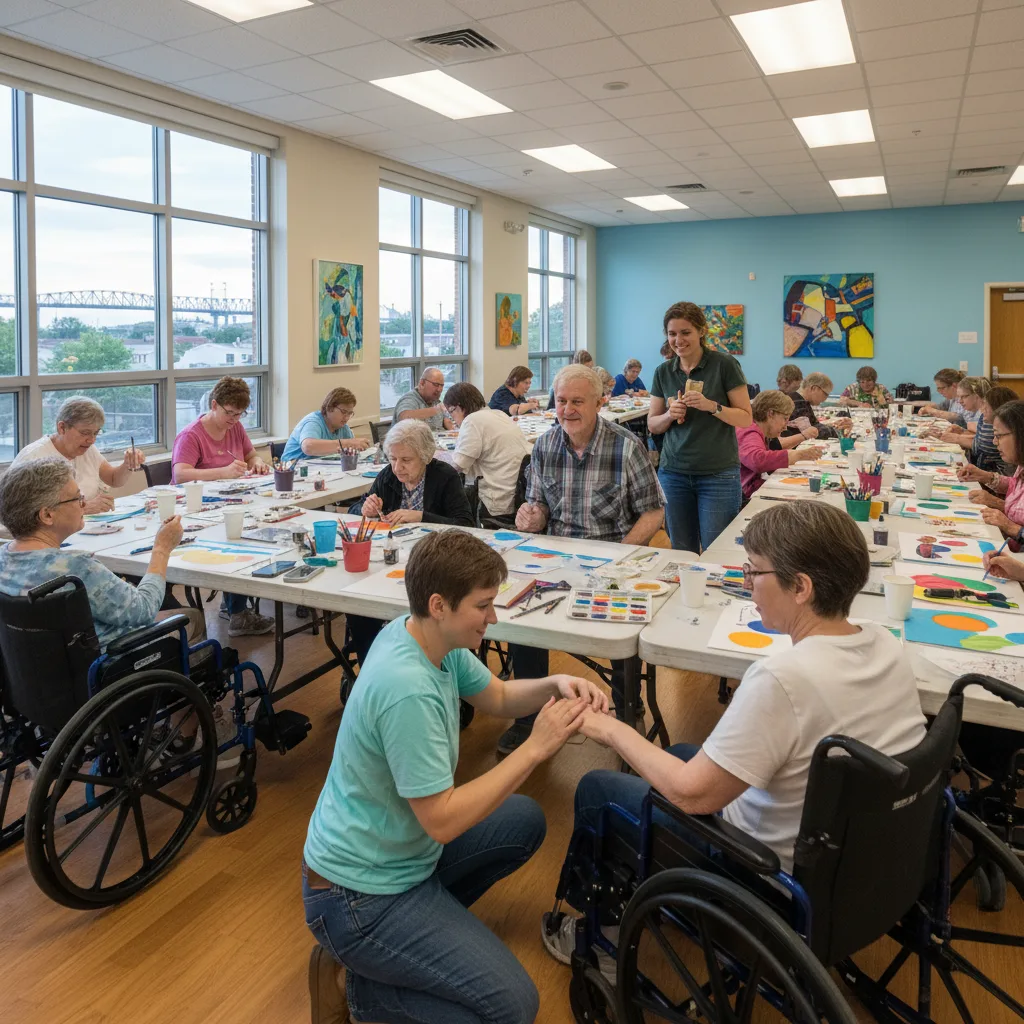
STARS Community Center in Howard Beach celebrates 30 years and announces expanded fall/winter programming. The center supports individuals with special needs.

Queens Residents Monitor Spanish Housing Protests Amid Local Rent Concerns
Queens residents relate to Spanish housing protests, citing rent hikes and scarcity along Cross Bay Boulevard as local concerns.