


Horseshoe Crab Exhibit Explores Ancient History, Ecology on Cross Bay Boulevard 2026

NEW YORK — An innovative educational exhibit, "Ancient Mariners: The Horseshoe Crab's Enduring Legacy," opened this week at the Jamaica Bay Wildlife Refuge Visitor Center, located just off Cross Bay Boulevard. The display delves into the remarkable 450-million-year history of the horseshoe crab, highlighting its survival through major extinction events, including the one that wiped out the dinosaurs. This local exhibit offers a unique blend of paleontology and contemporary ecology.
Dr. Eleanor Vance, a marine biologist and curator of the exhibit, underscored the species' biological resilience. "These creatures are living fossils, having weathered countless environmental shifts and global catastrophes, providing invaluable insights into evolutionary adaptation," Vance stated during the exhibit's preview. The interactive displays track the horseshoe crab's lineage from the Ordovician period to its current status, making complex scientific concepts accessible to visitors of all ages.
A Tale of Survival: From Asteroid Impact to Queens Shores
The exhibit's central narrative imaginatively follows a horseshoe crab that navigates the aftermath of the asteroid impact responsible for the dinosaurs' extinction approximately 66 million years ago. This engaging storytelling method brings to life the incredible adaptability of the species. The scientific accuracy is maintained through detailed fossil records and comparative anatomy.
Visitors learn how horseshoe crabs, despite their ancient origins, continue to play a crucial role in coastal ecosystems, particularly in Jamaica Bay. Their annual spawning rituals are a vital food source for migratory shorebirds, and their unique blue blood is indispensable to modern medicine, used in testing the sterility of vaccines and medical devices. The exhibit details these scientific contributions and their economic importance, connecting ancient history to present-day necessities.
Local Ecological Significance and Conservation Efforts
The waters of Jamaica Bay, adjacent to Cross Bay Boulevard, are a significant habitat for horseshoe crabs, especially during their spring spawning season. The exhibit prominently features local conservation efforts underway to protect these populations from habitat loss and overharvesting. Volunteers from local environmental groups regularly monitor spawning sites and educate the public.
Sarah Chen, director of the Jamaica Bay-Rockaway Parks Conservancy, emphasized the importance of local stewardship. "Our goal is to foster a deeper appreciation for these fascinating creatures and inspire actionable conservation," Chen told attendees, noting that the refuge's location makes it a prime educational resource for Queens residents. "Every year, hundreds of thousands of horseshoe crabs arrive on our beaches, including areas directly accessible from Cross Bay Boulevard, making it a critical local phenomenon to observe and protect." More information on the local ecology can be found through the Queens Daily Eagle's news archives.
Interactive Displays and Educational Programs
The "Ancient Mariners" exhibit boasts several interactive elements, including a virtual reality experience that immerses visitors in the ancient seas alongside early marine life. A touch tank allows controlled interaction with live horseshoe crabs, providing a hands-on learning opportunity. These engaging features cater to a wide demographic, from curious children to seasoned science enthusiasts.
Throughout the year, the Visitor Center will host educational workshops and guided nature walks focused on the horseshoe crab. These programs will cover topics such as identification, life cycle, and the process of tagging for scientific research. School groups from across Queens are expected to participate, leveraging the refuge as a living classroom, directly benefitting from the facility's accessible location near Cross Bay Boulevard.
The Horseshoe Crab's Medicinal Value
Beyond their ecological role, horseshoe crabs hold immense value in the biomedical field. Their copper-based blue blood contains Limulus Amebocyte Lysate (LAL), an extract used worldwide to detect bacterial endotoxins in medical products. This unique biological property makes them a cornerstone of modern pharmaceutical safety. The exhibit features a dedicated section explaining this critical scientific application.
The commercial harvesting of horseshoe crabs for LAL production is a tightly regulated industry, with strict protocols in place to ensure the sustainability of the species. Scientists work to minimize mortality rates during blood extraction and release animals back into their natural habitats. This delicate balance between scientific need and conservation is a key discussion point within the exhibit, encouraging thoughtful consideration of resource management.
Frequently Asked Questions About the Horseshoe Crab Exhibit
Where is the "Ancient Mariners" exhibit located? The "Ancient Mariners: The Horseshoe Crab's Enduring Legacy" exhibit is housed at the Jamaica Bay Wildlife Refuge Visitor Center, which is conveniently located directly off Cross Bay Boulevard in Queens, providing easy access for local residents and visitors alike. It's a key natural landmark for the area.
What makes the horseshoe crab so unique? The horseshoe crab is considered a "living fossil" due to its remarkably unchanged appearance over 450 million years, surviving multiple mass extinction events. Its unique blue blood also plays a critical role in modern medicine for detecting bacterial toxins, highlighting its extraordinary biological significance to science.
Are there live horseshoe crabs at the exhibit? Yes, the exhibit features a supervised touch tank where visitors can have a hands-on experience with live horseshoe crabs, allowing for a closer, interactive understanding of these ancient creatures. Educational staff are always present to guide interactions and answer questions about the animals.
How does this exhibit relate to the local Queens environment? The exhibit emphasizes the significant role horseshoe crabs play in the local Jamaica Bay ecosystem, particularly during their spawning season. It connects global evolutionary history to the specific conservation efforts being undertaken right here in Queens, making the science regionally relevant for Cross Bay Boulevard communities.
What are the exhibit's operating hours and admission fees? The Jamaica Bay Wildlife Refuge Visitor Center, including the horseshoe crab exhibit, is open during standard park operating hours, which typically vary seasonally. Admission to the visitor center and its exhibits is generally free, though specific event programs may have associated fees. Visitors should check the National Park Service website for current hours and program schedules before planning a visit.
Written by
Newstrix
Cross Bay News
Related Articles
More in Community →
Your Essential Guide to Sandals Jamaica Montego Bay for Queens Travelers
Planning a luxurious escape? Our guide to Sandals Jamaica Montego Bay helps Queens residents plan the perfect all-inclusive, adults-only Caribbean getaway.
Your Guide to Exploring Jamaica Excursions from Montego Bay for Queens Travelers
Discover the best Jamaica excursions from Montego Bay for Queens residents, including top attractions, transportation tips, and what to pack for your adventure.
A Local's Guide to Montego Bay, Jamaica Beach for Your Next Getaway
Planning a tropical escape from Queens? Explore this guide to Montego Bay, Jamaica beach destinations, essential tips, and activities for your 2026 getaway.
Queens Events Calendar Features Diverse Activities October 8, 2026
Queens Events Calendar for October 8, 2026, features diverse activities, including community care discussions and local gatherings. Residents can find opportunities to engage with local culture.
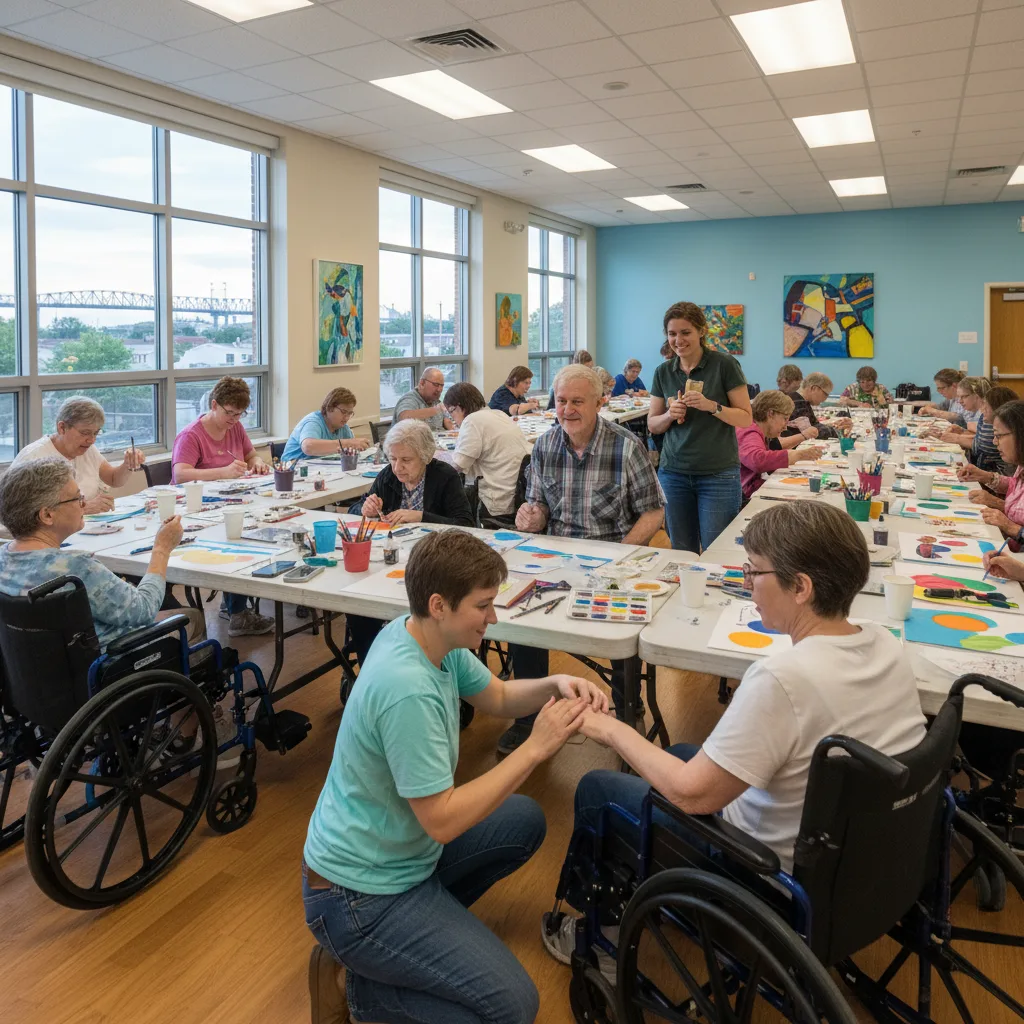
STARS Community Center Celebrates 30 Years, Expands Programs
STARS Community Center in Howard Beach celebrates 30 years and announces expanded fall/winter programming. The center supports individuals with special needs.

Queens Residents Monitor Spanish Housing Protests Amid Local Rent Concerns
Queens residents relate to Spanish housing protests, citing rent hikes and scarcity along Cross Bay Boulevard as local concerns.