


House Vote Failure Spurs Queens Economic Anxiety, War Concerns

NEW YORK — The recent failure of a House resolution aimed at limiting U.S. military action involving Iran has ignited significant apprehension among residents and business owners along Cross Bay Boulevard in Queens. Many fear the repercussions of prolonged international conflict could lead to a tangible economic squeeze and personal anguish for families in Howard Beach and nearby neighborhoods.
The resolution’s third defeat in Congress, reported by CBS News, leaves the White House with broad discretion over military engagement. This legislative inaction casts a long shadow over local discussions, shifting the focus from procedural debates to the very real possibility of an expensive, drawn-out war.
Howard Beach Families Worry About Deployment
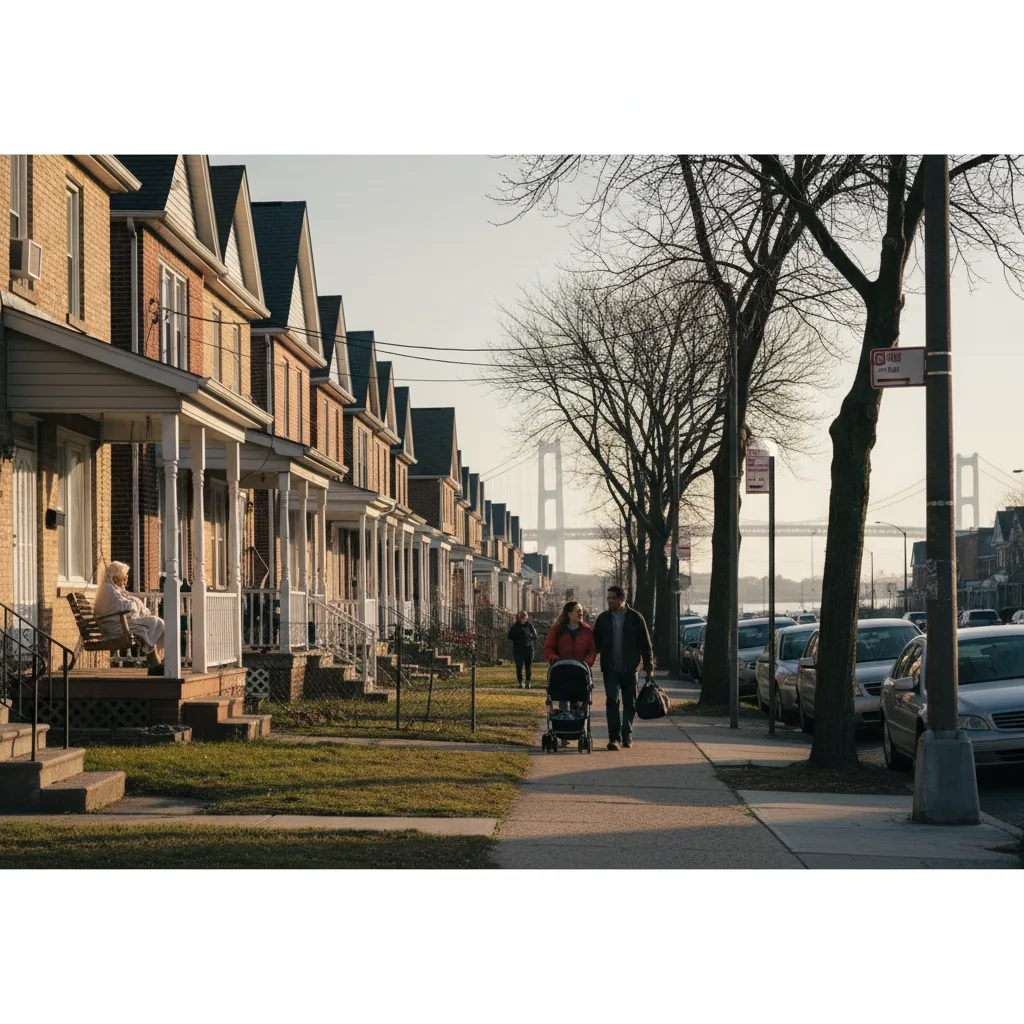
For many families in Howard Beach, the talk of potential military action is far from abstract. Concerns immediately turn to loved ones serving in the armed forces, with conversations often occurring at the counter of popular spots like Lenny's Clam Bar or the benches at Charles Park.
Eleanor Rodriguez, a longtime Howard Beach resident whose nephew serves in the Navy, expressed her fears. “Every time Washington talks about war, I worry about my nephew,” Rodriguez told reporters. “It’s not just an abstract idea when it’s your family on the line overseas, possibly in harm’s way.”
The specter of increased deployments looms large, creating a palpable sense of unease within the tight-knit community. This sentiment underscores a broader skepticism toward Washington's foreign policy decisions.
Rising Gas Prices and Local Economy Impacts
One of the most immediate and tangible worries for Cross Bay Boulevard residents is the potential for another spike in gasoline prices. A significant portion of the local workforce commutes by car, and higher fuel costs directly impact household budgets and small business operations.
“We saw what happened during the last oil crises, gas prices shot up to nearly five dollars a gallon, and that was a real hit,” said Michael Lombardi, owner of Lombardi's Automotive Repair on Cross Bay Boulevard, referencing historical trends. “Any escalation in the Middle East, and we’re going to feel it at the pumps here in Queens.”
Lombardi predicts that a sustained rise in fuel expenses would not only affect his business's operational costs but also dampen consumer spending across the borough. The fear is that the ripple effects of global instability will quickly manifest as increased prices at local grocery stores and diminished discretionary income for families.
Skepticism Towards Washington’s Stance
Local conversations frequently highlight a deep-seated skepticism about the motivations and transparency of Washington’s foreign policy. Many residents feel disconnected from the decision-making process, viewing it as distant and potentially detrimental to their daily lives.
“It always seems like they’re making decisions without thinking about how it affects us, the regular people,” commented Angela Perillo, a retiree walking near the Ozone Park Library. “Another war just means more taxes, more worries, and less money for things we actually need right here in our community.”
This sentiment is particularly strong among those who remember past conflicts and their economic aftermath. They question the financial burden and human cost of military interventions, especially when resources could be directed to local infrastructure or public services.
Historical Context of War Powers Debates
The debate over war powers is a long-standing constitutional struggle, with Congress and the Executive Branch frequently clashing over the authority to commit troops to combat. The War Powers Resolution of 1973 was enacted to limit presidential power, requiring congressional approval for extended military engagements.
However, successive administrations have often interpreted these limits broadly, leading to ongoing contention. This recent vote reflects persistent divisions within the legislative body itself, making decisive action on such critical foreign policy matters increasingly difficult, according to political analysts observing the vote in 2026.
The ongoing legislative deadlock means that critical decisions about military engagement remain in a state of flux, prompting concern among constituents. These decisions hold significant weight for a community like Cross Bay, which prides itself on its strong ties to both military service and economic resilience.
Community Leaders Call for Clarity and Local Action
Local elected officials and community leaders are urging greater transparency from federal authorities. They also advocate for stronger support systems for military families and economic protections for small businesses that would bear the brunt of any downturn.
Council Member Joann Ariola, whose district includes parts of Cross Bay Boulevard, emphasized the need for clear communication from the federal government. “Our community deserves to understand the full implications of these decisions,” Ariola stated in a public address on March 14, 2026. “We need to know what plans are in place to support our families and local businesses should the situation escalate.”
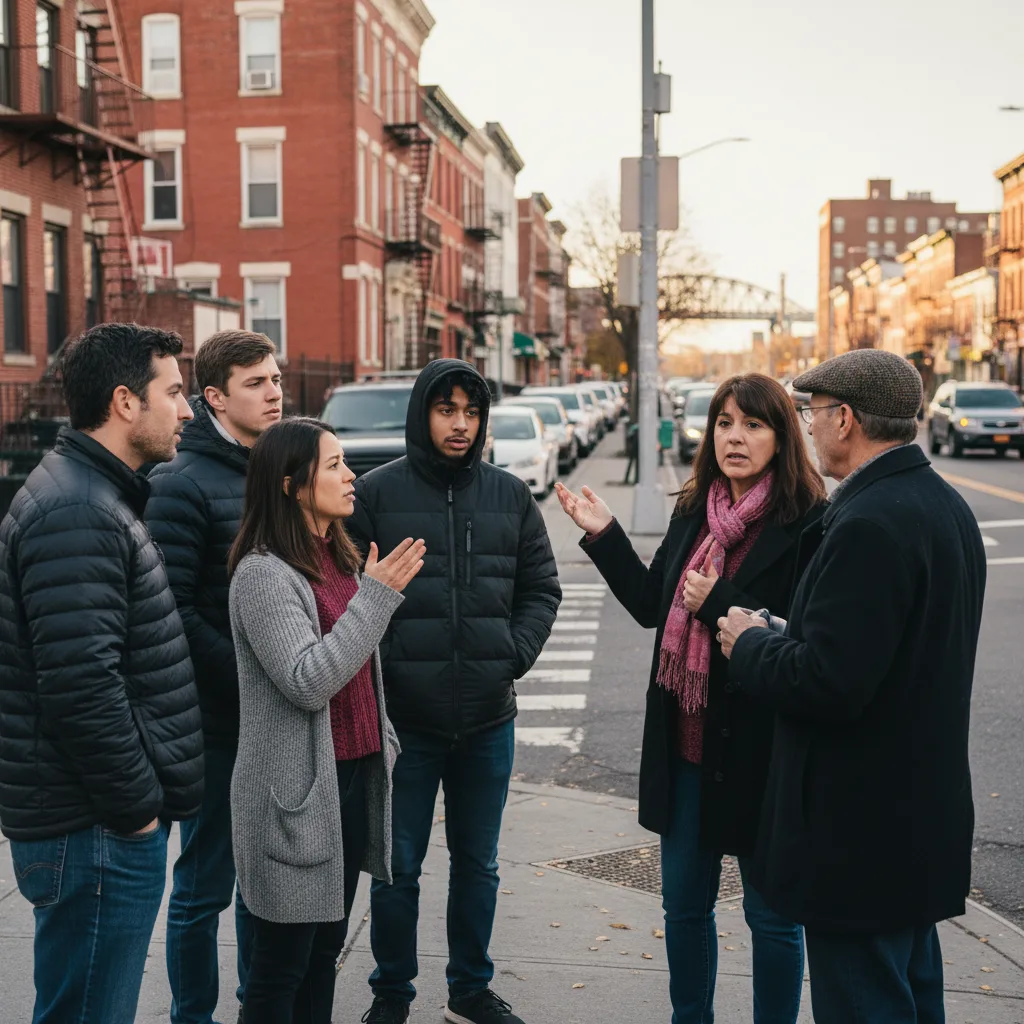
Efforts are underway to organize local forums and discussions where residents can voice their concerns directly. These initiatives aim to provide a platform for dialogue and collective action, fostering a sense of agency in the face of daunting global events.
Looking Ahead: Monitoring Global Tensions and Local Impact
As global tensions persist, residents of Cross Bay Boulevard remain watchful, balancing their daily routines with an underlying concern for international developments. The community understands that events thousands of miles away can have a profound and immediate effect on their lives.
Monitoring global news from sources like CBS News World Coverage has become a regular practice for many seeking to understand potential impacts. The ongoing discussions highlight the interconnectedness of international politics and local economic well-being, especially concerning issues like gasoline prices and trade.
The challenge for policymakers, both local and federal, will be to address these deep-seated anxieties with concrete assurances and proactive measures. The conversation on Cross Bay Boulevard is a clear indicator that the human cost of foreign policy is always measured in local terms.
Frequently Asked Questions About Cross Bay Boulevard's Concerns
Q: How could the Iran situation specifically affect Queens residents?
A: Queens residents, particularly those in areas like Howard Beach, face potential impacts through rising gas prices, which affect daily commutes and living costs. Also, families with members serving in the military worry about increased deployments to the Middle East, leading to emotional stress and practical challenges. The ripple effect on the local economy through decreased consumer spending is also a concern.
Q: What are local businesses on Cross Bay Boulevard most concerned about?
A: Businesses along Cross Bay Boulevard are primarily concerned about increased operational costs due to potential fuel price spikes. They also anticipate a decrease in customer traffic and spending if economic uncertainty grows, which would directly impact their bottom line. The broader economic stability of the region is a key consideration for their future planning.
Q: Where can residents find more information or support regarding these issues?
A: Residents are encouraged to stay informed by following reputable news sources and local government announcements. Community organizations and veterans' services offer support for military families, and local chambers of commerce can provide resources for small businesses. Participating in local town halls or community meetings also offers an avenue for residents to voice their concerns and seek collective solutions.
Written by
Newstrix
Cross Bay News
Related Articles
More in National & World →
Police Fire Tear Gas as Protests Spread Across France 2026
Police fired tear gas as tens of thousands rallied across France on Oct 6, 2026, protesting for education reforms. High schools were blockaded.
Cross Bay Boulevard Residents React to Ukraine Drone Attack on Moscow
Cross Bay Boulevard residents voice concerns as Ukraine launches a major drone attack on Moscow, signaling conflict escalation and raising local anxieties.
56-Year-Old Exporter Granted Bail in St James Parish Court 2026
A 56-year-old exporter was granted $600,000 bail in St James Parish Court, Montego Bay, on Oct 6, 2026, after his attorney challenged the charges.
French Student Protests Spread, Prompting Global Concern
French student protests are spreading nationwide, sparking global concern and discussions among international observers and Cross Bay Boulevard residents.
Cross Bay Boulevard Residents Anxious Over Escalating Global Tensions 2026
Cross Bay Boulevard residents express anxiety as North Korea missile tests and stalled Iran talks escalate global tensions. Concerns arise about local economic impacts.
Kyiv Northern Bridge Strike Prompts Safety Discussions Among Cross Bay Residents 2026
Cross Bay Boulevard residents, especially those with ties to Ukraine, are discussing civilian safety and transportation disruptions after a Russian strike hit Kyiv's Northern Bridge on October 3, 2026. This impacts Queens communities.