


IEA Warns Oil Depletion; Cross Bay Fishermen Face Rising Fuel Costs

NEW YORK — The International Energy Agency (IEA) has issued a stark warning that the ongoing war with Iran is draining global oil reserves at an unprecedented pace, further exacerbating supply disruptions from the Strait of Hormuz closure. This critical report, released on May 15, 2026, predicts a prolonged period of high gasoline prices and potential shortages worldwide. The economic anxiety from this global crisis is keenly felt in Queens, particularly by fishermen along Cross Bay Boulevard, who are facing skyrocketing bait and boat fuel prices, forcing some to dock their rigs.
Queens residents along the Rockaway Beach boardwalk are buzzing with concern about the IEA's dire oil warning. "It's killing us out here," lamented veteran fisherman Frank Salerno, standing near the marina at the foot of Cross Bay Boulevard. "My fuel costs for a single outing used to be $100; now it's closer to $150, and bait prices have gone up 20%. I can’t afford to take my boat out as often as I need to, and some guys are just giving up." His frustration reflects the immediate financial crunch impacting local livelihoods, directly linking the global conflict to the daily struggles of workers in coastal Queens.
Record Depletion and Global Supply Shocks
The IEA report, titled "Global Oil Market Outlook: War's Unprecedented Impact," highlighted that global oil reserves are being depleted at a "record rate"—estimated at 1.5 million barrels per day above sustainable levels. The closure of the Strait of Hormuz by Iran, a critical chokepoint for roughly 20% of the world’s oil supply, is a primary driver of this crisis. This geopolitical tension, stemming from the ongoing conflict, directly translates to inflationary pressures on a global scale. The agency forecasts that without a swift resolution, oil prices could reach an all-time high by year-end 2026.
Experts suggest that the rapid depletion is due to increased military demand and reduced output from conflict-affected regions. "The market is incredibly volatile, and the supply chain is under immense stress," stated Dr. Elena Petrova, an energy economist at NYU Stern School of Business. "Every barrel counts, and when a major shipping lane like Hormuz is compromised, the ripple effects are immediate and severe, impacting everything from transport to manufacturing costs." This economic strain is palpable in local markets.
Local Businesses and Consumer Impact
The soaring oil prices are not just affecting fishermen. Local pizzeria owners on Cross Bay Boulevard, for example, have started posting signs announcing 10% menu hikes, attributing them to increased delivery costs. "Our flour, cheese, and tomatoes still arrive by truck," explained Anthony Martino, owner of Martino's Pizza. "When diesel prices jump by 30%, we have no choice but to pass some of that onto our customers. We hate to do it, but we can't absorb all the costs." This direct impact illustrates the far-reaching consequences of the global energy crisis.
In the Cross Bay News WhatsApp chats, families are actively swapping tips on utilizing public transit from the A train stops to mitigate commuting costs. Many residents are rethinking their travel habits and seeking ways to conserve energy, from carpooling to walking more often. The community is adapting, but the underlying anxiety about prolonged shortages and economic instability persists, creating an uneasy atmosphere across the bay-side neighborhoods of Queens.
Community Debates and Calls for Resolution
Street corner debates near the Cross Bay Veterans Memorial are heated, with many veterans calling for quick war resolutions to ease the economic squeeze on working families. They emphasize the human cost of prolonged conflict, both overseas and at home. "We understand the need for national security, but this war is hitting working-class families hard," said James O'Malley, a retired Marine and Howard Beach resident. "Our leaders need to find a diplomatic solution before our economy completely crumbles."
These local conversations reflect the broader national discourse on foreign policy and its domestic implications. The IEA's warning has amplified concerns, making the connection between geopolitical events and everyday life undeniable. The community is urging their elected officials to prioritize stability and economic relief. This crisis is also being discussed in tandem with other critical community issues, including the Iran conflict Pentagon costs and the ongoing Queens fatal fire charges, all contributing to a complex local landscape.
Frequently Asked Questions (FAQ)
What warning did the IEA issue? The International Energy Agency (IEA) warned that the Iran war is causing global oil reserves to deplete at a record rate, exacerbated by the Strait of Hormuz closure, leading to high prices and potential shortages.
How are Cross Bay Boulevard fishermen affected? Fishermen along Cross Bay Boulevard are facing significantly increased bait and boat fuel prices, with some reporting 20% jumps in costs, making it financially unviable to take their boats out as frequently.
What are other local economic impacts? Local pizzeria owners on Cross Bay Boulevard are implementing 10% menu hikes due to increased delivery costs, and families are seeking public transit alternatives and carpooling to save on fuel.
What is the estimated rate of oil depletion? The IEA report indicates that global oil reserves are being depleted at an estimated rate of 1.5 million barrels per day above sustainable levels.
What is the community's sentiment regarding the conflict? Queens residents, particularly veterans near the Cross Bay Veterans Memorial, are calling for quick war resolutions to alleviate the economic burden on working families, emphasizing the local impact of global events.
Written by
Newstrix
Cross Bay News
Related Articles
More in Local Economy & Business →Queens Residents Face Soaring Rent Hikes, Housing Scarcity Along Cross Bay
Queens residents, especially along Cross Bay Boulevard, face severe rent hikes and housing scarcity, mirroring international housing protests. Local families are struggling.
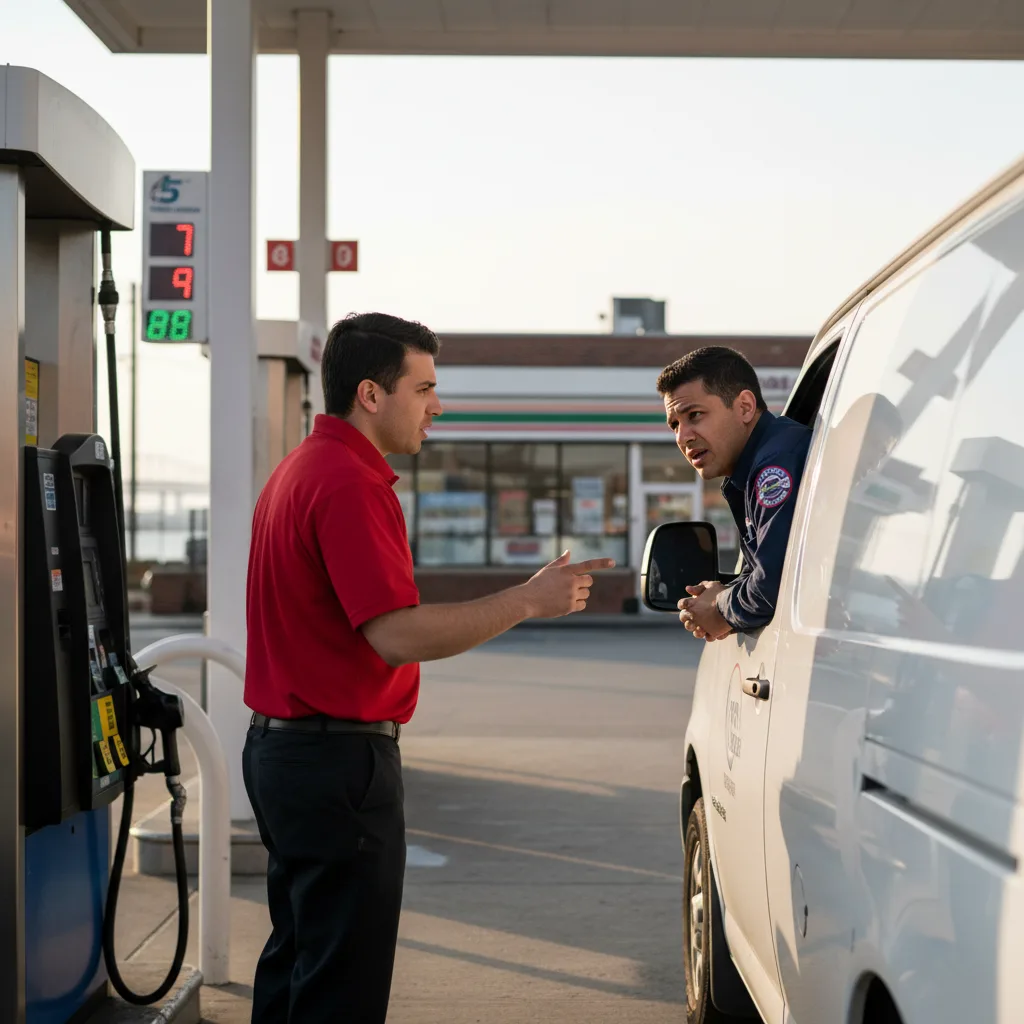
Cross Bay Boulevard Residents Anxious Over Strait of Hormuz Standoff
Cross Bay Boulevard residents are anxious as Iran's Strait of Hormuz stance threatens gas prices and local economy, affecting daily commutes and costs.
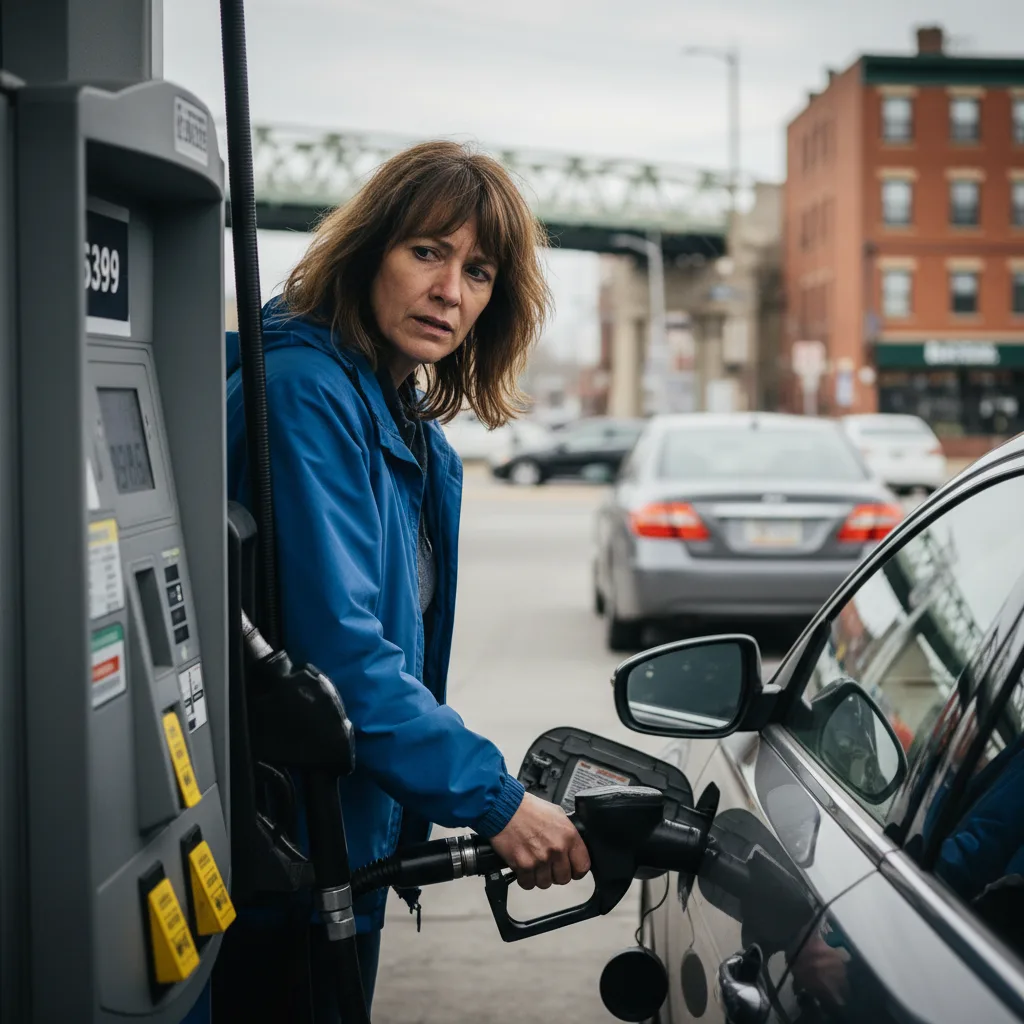
Cross Bay Boulevard Residents Concerned Over Yemen Airstrikes Impact on Economy 2026
Queens residents on Cross Bay Boulevard are concerned about rising gas prices and supply issues after Saudi airstrikes hit Yemen's capital on October 3, 2026. This impacts the local economy.
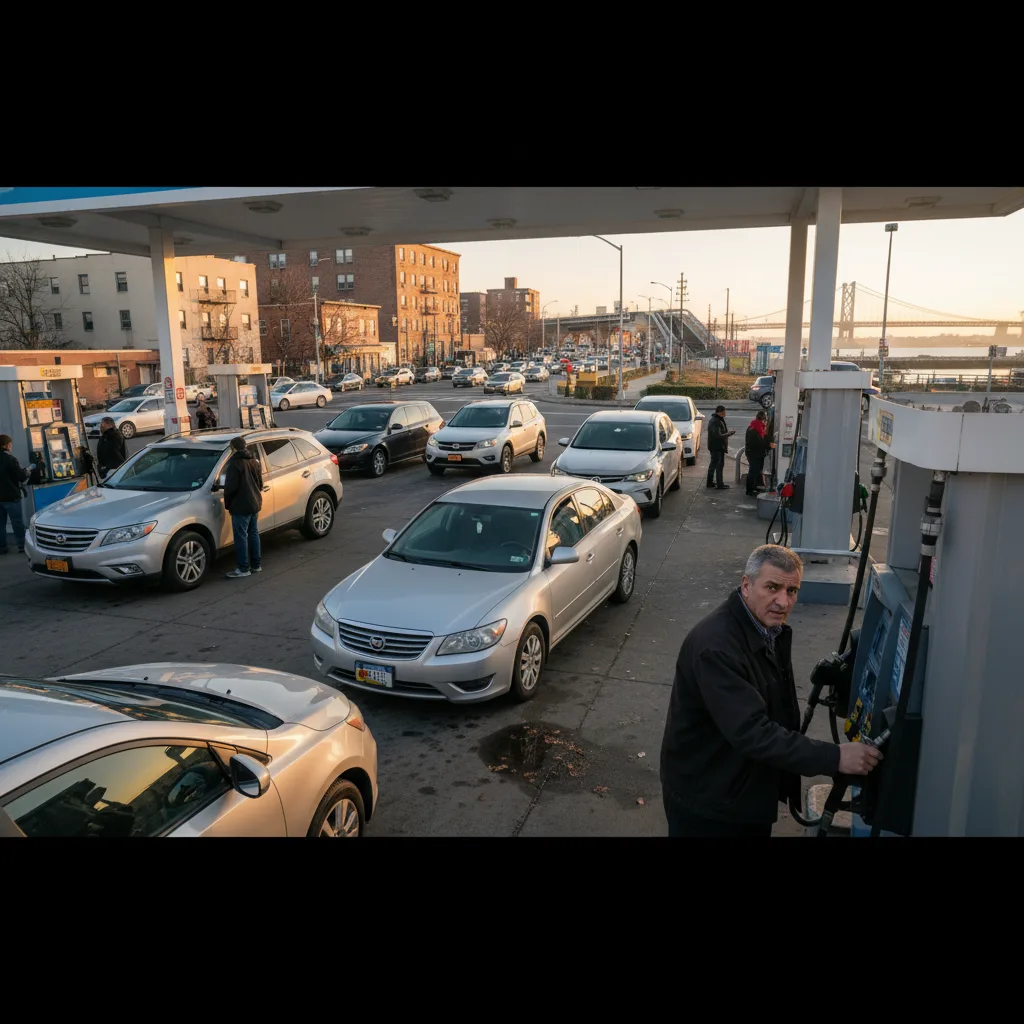
Cross Bay Residents Discuss Iran War Impact on Household Budgets
Cross Bay residents discuss the U.S.-Iran crisis impact on gas prices and household budgets, fearing a ripple effect on daily costs.

Your Essential Guide to Sandals Jamaica Montego Bay for Queens Travelers
Planning a luxurious escape? Our guide to Sandals Jamaica Montego Bay helps Queens residents plan the perfect all-inclusive, adults-only Caribbean getaway.
Your Guide to Exploring Jamaica Excursions from Montego Bay for Queens Travelers
Discover the best Jamaica excursions from Montego Bay for Queens residents, including top attractions, transportation tips, and what to pack for your adventure.