


Pentagon: Iran War Costs $29B; Cross Bay Gas Hits $5 per Gallon

NEW YORK — The cost of the U.S. war with Iran has dramatically escalated to $29 billion, according to recent Pentagon testimony on Capitol Hill, triggering a sharp 5.4% surge in U.S. gasoline prices. This financial burden, coupled with a critical shutdown of the Strait of Hormuz, is directly impacting Queens residents along Cross Bay Boulevard, who are now grappling with gas prices soaring to $5 per gallon. The global conflict, initially sparked by a bombing campaign against Iran by President Trump, has depleted U.S. weapons stockpiles, which officials estimate will take years to replenish.
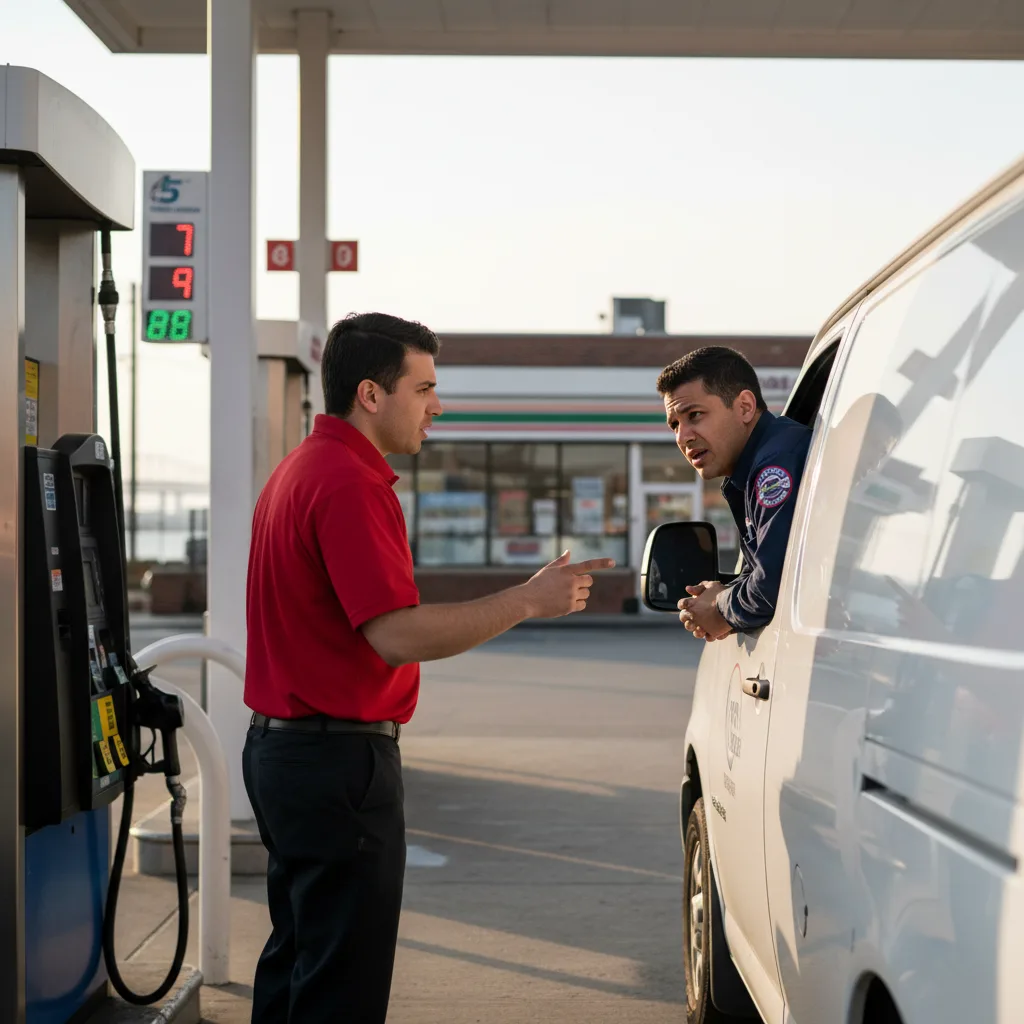
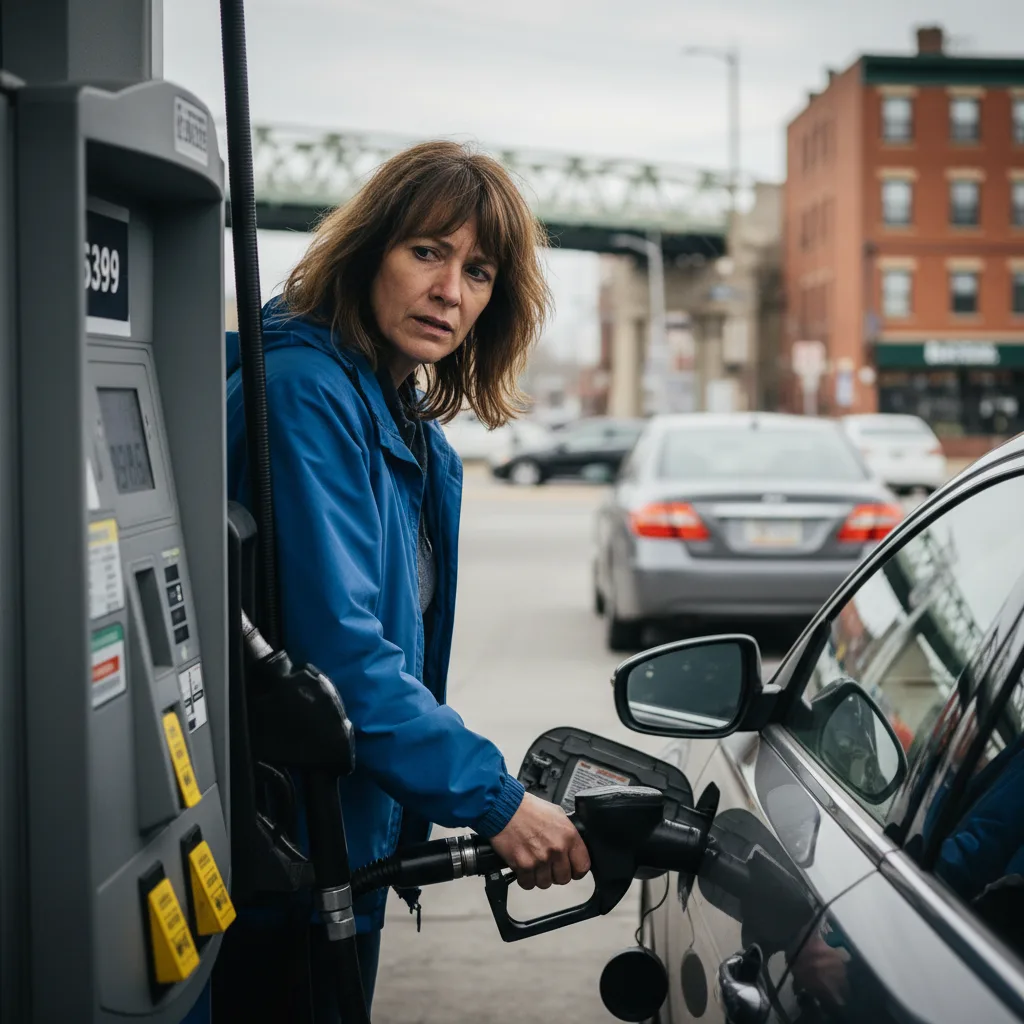
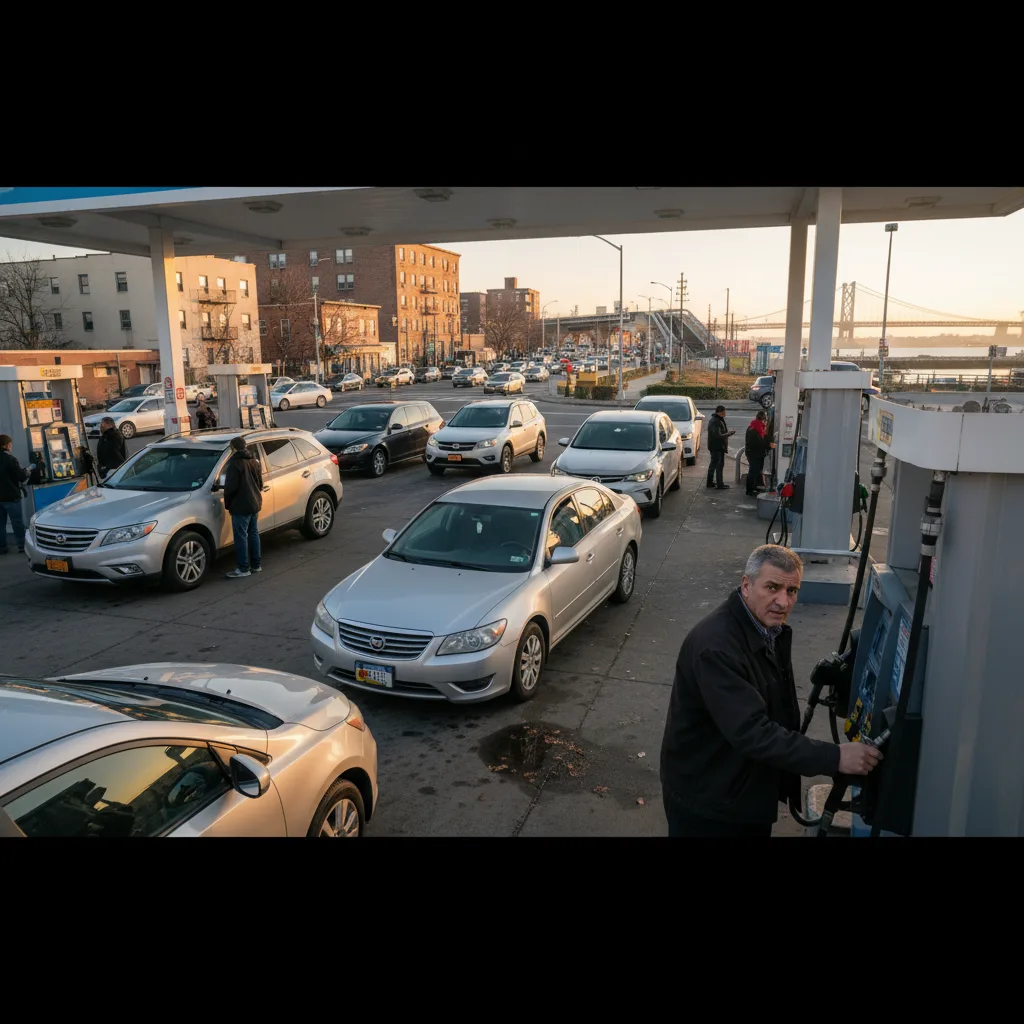
On Cross Bay Boulevard, the immediate financial strain is evident at local gas stations like the Mobil on Rockaway Boulevard, where lines of frustrated drivers stretch blocks long. "I'm spending almost $75 to fill up my tank now, compared to $50 just a few weeks ago," fumed cab driver Tony Moretti, gesturing at his fuel gauge. "This isn't just about my commute to JFK; it's about feeding my family. The Pentagon needs to figure out these costs before they bankrupt us all." His remarks, made while waiting at the pump on May 10, 2026, highlighted the direct connection between global events and local pocketbooks. The global oil shortages and broader economic fallout from the conflict are dominating conversations across the city.
Soaring Fuel Costs and Local Economy
The 5.4% spike in gasoline prices represents a significant blow to the budgets of many Queens households and businesses. Delivery drivers, local tradespeople, and commuters relying on vehicles for work face increased operational costs, which inevitably translate to higher prices for goods and services across the board. Small businesses along Cross Bay Boulevard, from pizzerias to laundromats, are already considering price adjustments to offset their own fuel expenses.
Local bodega owners, such as Manny Rodriguez of Cross Bay Variety, report customers stocking up on canned goods and other staples. "People are worried about shortages and future price hikes," Rodriguez observed. "They're tightening their belts, and I'm seeing fewer impulse buys. This war isn't just overseas; it's affecting every single purchase right here in my store." His concerns reflect a broader economic anxiety gripping the community.
Community Response and Adaptive Strategies
The Cross Bay News Facebook group has become a hub for residents to vent their frustrations and seek solutions. The group is flooded with posts from cabbies and delivery drivers organizing carpool meetups at Seaside Park to cut fuel costs. These impromptu gatherings often occur near the park's main entrance on Cross Bay Boulevard, showcasing community solidarity in the face of economic hardship.
Community board members held an emergency Zoom meeting last night, urging folks to consider biking the boulevard paths as an alternative to driving. The meeting also explored options for increasing public transit use and advocating for relief measures from city and state governments. The local impact of the conflict is making residents question the stability of their daily lives and the broader implications of global policy.
Pentagon Testimony and Dwindling Resources
The Pentagon's controller testified that the U.S. war with Iran has now cost $29 billion, marking a $4 billion increase in just two weeks. This surge in expenditure is attributed to the intense military operations and the unexpected depletion of weapons stockpiles. The controller warned that it would take years to replenish these crucial resources, signaling a prolonged and costly engagement. The Strait of Hormuz closure, a direct retaliation for U.S. military actions, has further constrained global oil supplies, exacerbating price volatility.
This testimony, delivered to congressional committees, underscores the immense financial and logistical challenges of sustained military action. The broader global community is paying close attention, as the conflict could lead to a severe and prolonged energy crisis. The ripple effects are already felt on the streets of New York, from the traffic snarls on the Rockaway Boulevard interchange to the price hikes at the local gas station on Cross Bay Boulevard.
Political Divides and Future Outlook
The escalating costs and economic fallout from the Iran conflict are intensifying political divides within the U.S. and internationally. Critics of the military action point to the immediate economic burden on everyday citizens, while proponents argue for the necessity of national security measures. The debate over foreign policy has become intrinsically linked to domestic economic stability, a connection keenly felt by Queens residents.
As the situation unfolds, residents along Cross Bay Boulevard are anxiously watching the news, hoping for a resolution that will stabilize gas prices and ease their financial burdens. This economic pressure is also fueling conversations around broader community issues, such as the persistence of illegal street takeovers on Cross Bay Boulevard and the implications of the Senate's rejection of Iran war limits, further illustrating the interconnectedness of local and global affairs.
Frequently Asked Questions (FAQ)
What is the current cost of the Iran war according to the Pentagon? The Pentagon's controller testified that the U.S. war with Iran has cost $29 billion, an increase of $4 billion in two weeks.
How has this impacted gas prices in Queens? Gasoline prices have surged by 5.4% nationwide, causing prices along Cross Bay Boulevard in Queens to reach $5 per gallon, significantly impacting local residents and businesses.
Why are gas prices rising so quickly? The price surge is attributed to the conflict's cost, depleted U.S. weapons stockpiles, and the shutdown of the Strait of Hormuz by Iran, which has constrained global oil supplies.
How are Cross Bay Boulevard residents coping with higher gas prices? Residents are organizing carpool meetups at Seaside Park, and community board members are suggesting biking the boulevard paths as alternatives to driving. Local businesses are also seeing shifts in consumer behavior.
What other economic effects are visible locally? Local bodega owners report customers stocking up on canned goods due to fears of shortages and future price hikes, while delivery drivers face increased operational costs.
Written by
Newstrix
Cross Bay News
Related Articles
More in Local Economy & Business →Queens Residents Face Soaring Rent Hikes, Housing Scarcity Along Cross Bay
Queens residents, especially along Cross Bay Boulevard, face severe rent hikes and housing scarcity, mirroring international housing protests. Local families are struggling.
Cross Bay Boulevard Residents Anxious Over Strait of Hormuz Standoff
Cross Bay Boulevard residents are anxious as Iran's Strait of Hormuz stance threatens gas prices and local economy, affecting daily commutes and costs.
Cross Bay Boulevard Residents Concerned Over Yemen Airstrikes Impact on Economy 2026
Queens residents on Cross Bay Boulevard are concerned about rising gas prices and supply issues after Saudi airstrikes hit Yemen's capital on October 3, 2026. This impacts the local economy.
Cross Bay Residents Discuss Iran War Impact on Household Budgets
Cross Bay residents discuss the U.S.-Iran crisis impact on gas prices and household budgets, fearing a ripple effect on daily costs.

Your Essential Guide to Sandals Jamaica Montego Bay for Queens Travelers
Planning a luxurious escape? Our guide to Sandals Jamaica Montego Bay helps Queens residents plan the perfect all-inclusive, adults-only Caribbean getaway.
Your Guide to Exploring Jamaica Excursions from Montego Bay for Queens Travelers
Discover the best Jamaica excursions from Montego Bay for Queens residents, including top attractions, transportation tips, and what to pack for your adventure.