


Iran Rejects Trump Peace Plan: Cross Bay Boulevard Braces for Economic Impact

NEW YORK — The flat rejection of President Trump's 15-point ceasefire proposal by Iran has significantly escalated Middle East tensions, prompting widespread concern among Cross Bay Boulevard residents and Queens community members. The intensifying conflict is casting a long shadow over local economics, particularly regarding gas prices and the broader stability of global oil supply chains.
Tehran's insistence that no negotiations are taking place, coupled with threats to close additional global trade routes, has triggered anxieties across Queens. Local business owners are actively discussing how potential disruptions, especially the closure of vital shipping lanes like the Strait of Hormuz, could drastically increase fuel and shipping costs, directly impacting their livelihoods and consumer prices.
Global Tensions Reverberate in Local Communities
The deepening geopolitical crisis in the Middle East, characterized by ongoing military exchanges between Iran and its adversaries, is no longer a distant concern for residents of Cross Bay Boulevard. The threat of Iran closing global oil routes, which control a significant portion of the world's oil supply, has immediate and tangible implications for daily life in Queens.
Conversations at local bodegas, transit hubs, and family dinner tables now frequently revolve around the potential for higher gas prices and general inflation. This direct correlation between international events and local household budgets highlights the interconnectedness of the global economy with specific neighborhoods in New York City. The anxiety is palpable among commuters and small business owners alike.
Gas Prices and Oil Supply Disruptions
Analysts predict that sustained conflict in the Middle East, particularly involving critical maritime chokepoints, could send crude oil prices soaring on international markets. Such an increase would almost immediately translate to higher prices at the pump for drivers in Queens, many of whom commute long distances for work. Gas stations along Cross Bay Boulevard are already seeing nervous glances at price boards.
Local delivery services, taxi companies, and construction firms, which rely heavily on affordable fuel, anticipate substantial increases in operational costs. These increased expenses are likely to be passed on to consumers in the form of higher prices for goods and services, exacerbating existing inflationary pressures. The specter of global oil supply disruptions is a significant concern for the region's economy. Further insights into the global situation can be found in this YouTube news report.
Local Business Owners Express Concerns
For small business owners along Cross Bay Boulevard, the geopolitical instability presents a formidable challenge. Many depend on a steady flow of goods transported via global shipping lanes, making them vulnerable to rising shipping costs. "Every dollar increase in fuel trickles down to us, and eventually to our customers," explained Maria Rodriguez, owner of a local diner.
Owners of retail shops are also worried about the cost of importing goods and maintaining competitive prices. They fear that prolonged instability could lead to a reduction in consumer spending, as residents prioritize essential needs over discretionary purchases. The local business community is actively seeking strategies to mitigate these potential economic headwinds and protect their bottom lines.
Community Discussions on Escalation and Diplomacy
Throughout the Cross Bay Boulevard community, there are animated discussions about whether the conflict will further escalate or if a diplomatic resolution might still be possible. Many residents express concern about what a broader regional war could mean for American military involvement, drawing parallels to past conflicts and their profound societal impacts.
Local advocacy groups and religious leaders are calling for peaceful resolutions and urging international actors to prioritize diplomacy over military confrontation. The hope is that cooler heads will prevail, preventing a wider conflict that could have devastating human and economic consequences, both globally and locally in Queens. The uncertainty surrounding future developments is a constant source of worry.
Preparing for Potential Economic Fallout
In anticipation of potential economic fallout, some Cross Bay Boulevard residents are already beginning to adjust their spending habits and explore ways to conserve energy. Public transit usage might increase if gas prices become prohibitive for car owners. Local government officials are also monitoring the situation closely, considering potential relief measures if conditions worsen.
Discussions about encouraging local sourcing and supporting neighborhood businesses are gaining traction as a way to build resilience against global economic shocks. The community is demonstrating a proactive approach, albeit with a sense of apprehension, in preparing for what could be a challenging economic period. The YouTube report on Iran's rejection provides essential background on these global tensions.
Frequently Asked Questions About the Economic Impact
Residents frequently ask how quickly potential increases in global oil prices would translate to higher gas prices in Queens. Experts indicate that the local impact can be felt almost immediately, often within days or weeks, depending on existing fuel inventories and market speculation. Commuters are advised to monitor fuel prices closely.
Many small business owners are curious about what resources might be available to help them cope with rising operational costs. Local Chambers of Commerce and city agencies are preparing to offer guidance on supply chain management and potential financial assistance programs if the situation significantly deteriorates. They aim to provide support and strategic advice.
Concerns about the long-term stability of the local economy due to global events are also common. While Queens has a resilient economy, sustained international crises can pose significant challenges. Community leaders emphasize the importance of supporting local businesses and maintaining strong community ties to weather potential economic storms, fostering a collective sense of resilience.
Written by
Newstrix
Cross Bay News
Related Articles
More in Local Economy & Business →
Queens Residents Face Soaring Rent Hikes, Housing Scarcity Along Cross Bay
Queens residents, especially along Cross Bay Boulevard, face severe rent hikes and housing scarcity, mirroring international housing protests. Local families are struggling.
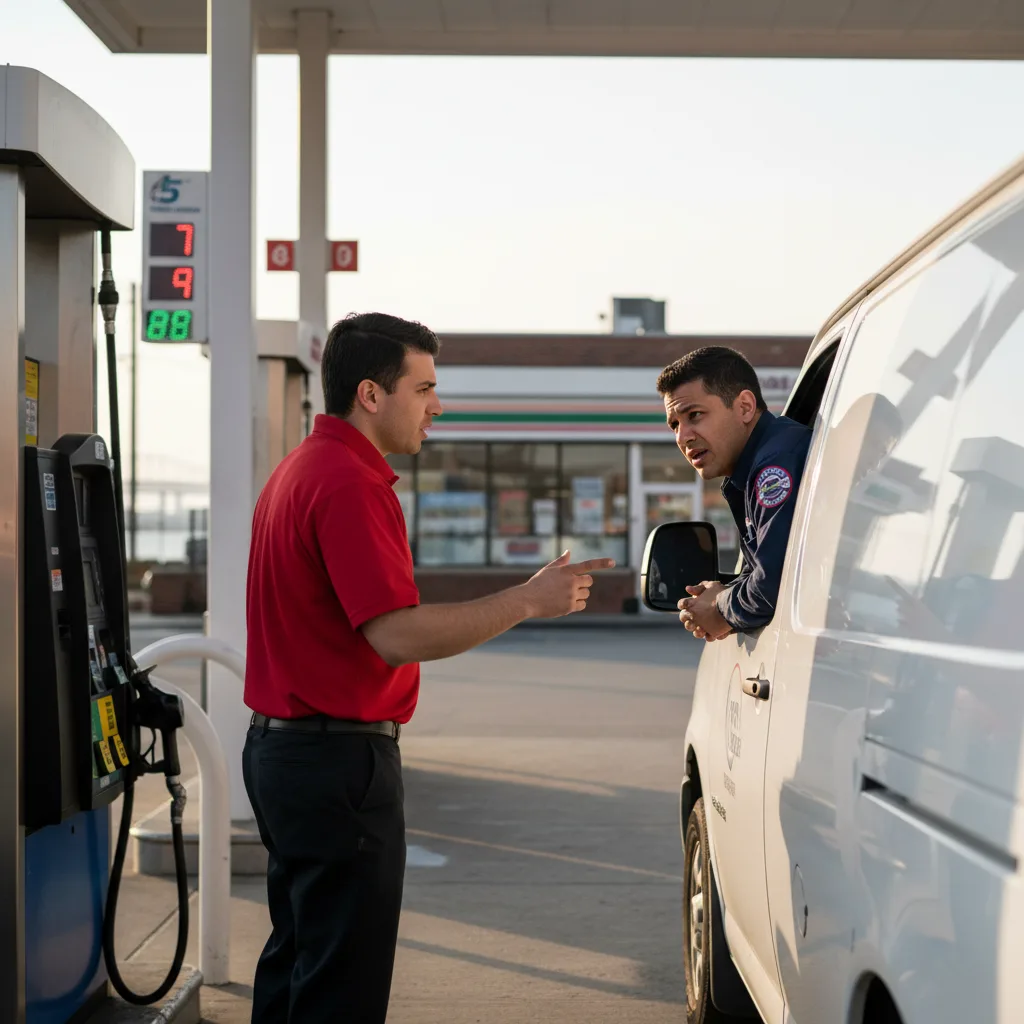
Cross Bay Boulevard Residents Anxious Over Strait of Hormuz Standoff
Cross Bay Boulevard residents are anxious as Iran's Strait of Hormuz stance threatens gas prices and local economy, affecting daily commutes and costs.

Cross Bay Boulevard Residents Concerned Over Yemen Airstrikes Impact on Economy 2026
Queens residents on Cross Bay Boulevard are concerned about rising gas prices and supply issues after Saudi airstrikes hit Yemen's capital on October 3, 2026. This impacts the local economy.
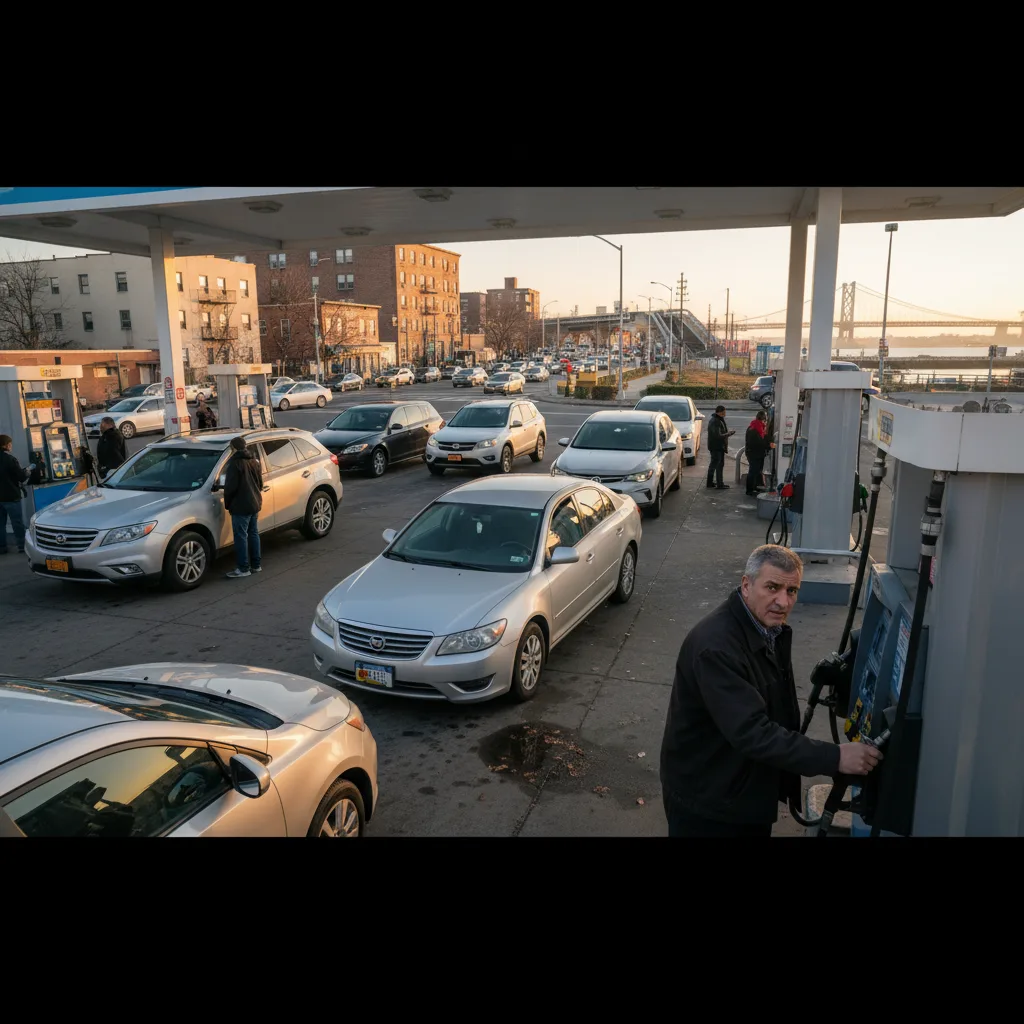
Cross Bay Residents Discuss Iran War Impact on Household Budgets
Cross Bay residents discuss the U.S.-Iran crisis impact on gas prices and household budgets, fearing a ripple effect on daily costs.

Your Essential Guide to Sandals Jamaica Montego Bay for Queens Travelers
Planning a luxurious escape? Our guide to Sandals Jamaica Montego Bay helps Queens residents plan the perfect all-inclusive, adults-only Caribbean getaway.
Your Guide to Exploring Jamaica Excursions from Montego Bay for Queens Travelers
Discover the best Jamaica excursions from Montego Bay for Queens residents, including top attractions, transportation tips, and what to pack for your adventure.