


South Queens Marinas Adjust Operations Amid Maritime Security Deal
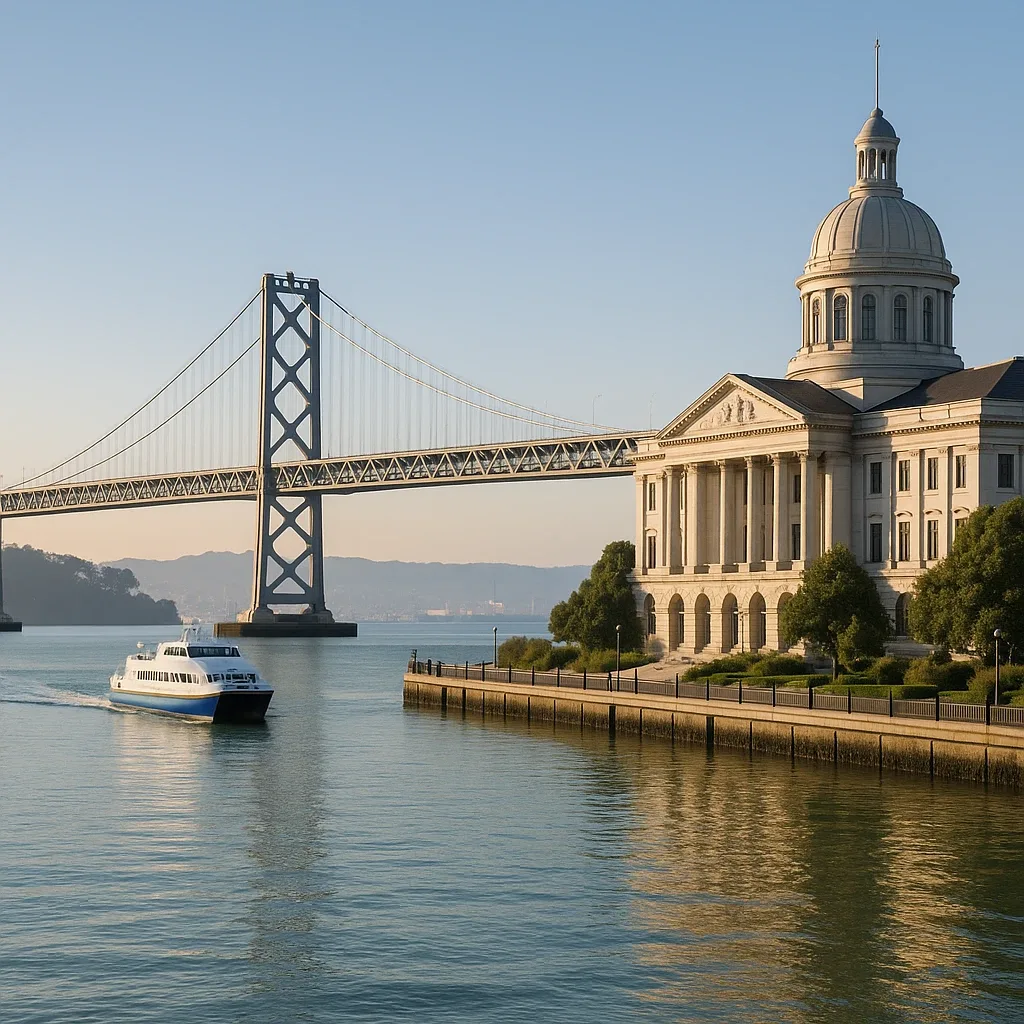
NEW YORK — South Queens commercial marina operators experienced a sudden wave of business planning shifts Tuesday following reports of a finalized maritime security treaty, ABC News reported. The diplomatic breakthrough between the United States and international partners has immediate implications for local fuel prices and commercial shipping routes.
Diplomatic Progress Stabilizes Global Marine Fuel Markets
The announcement of the maritime security accord has already led to a stabilizing trend in commercial fuel markets, which directly affects the operating costs of South Queens boating basins. Marina owners along the Jamaica Bay waterfront are adjusting their winter maintenance and slip rental pricing structures in anticipation of more predictable energy costs.
According to maritime trade logs, global marine diesel prices dropped by 4.2 percent within hours of the treaty announcement. Local operators hope this trend will translate into lower pump prices for recreational boaters by the start of the spring season.
Yacht Club Commodore Outlines Local Operations Impact
"Any global agreement that stabilizes energy markets directly impacts how we price our fuel and dockage fees here in Queens," said Frank Russo, commodore of the South Queens Yacht Club. "Our members rely on stable diesel and premium gasoline prices, and this international agreement provides much-needed predictability for our seasonal planning."
Local captains are watching the developments closely, as prior fuel volatility had threatened to limit summer recreational charters. Security coordinators at the Howard Beach yacht basin have also noted a reduction in maritime insurance premiums following the diplomatic resolution.
Recreational Boaters Benefit From Lower Operating Costs
Local yacht owners are preparing their vessels for early spring launches, encouraged by the positive economic outlook. Many have scheduled structural upgrades and engine refits that were previously deferred due to high operational overhead.
This shift in maritime commerce comes amid ongoing discussions regarding energy infrastructure, including the impact of military planning on gas prices Queens residents have experienced at local pumps. Boaters and commuters alike are hopeful that the diplomatic progress will sustain long-term retail fuel relief.
Coast Guard Station Rockaway Maintains Local Security Protocols
Despite the international diplomatic agreement, the United States Coast Guard Station Rockaway continues to maintain its routine safety patrols across Jamaica Bay. Officers are focused on enforcing local speed zones and ensuring that commercial vessels adhere to environmental regulations.
For more detailed international reporting on the diplomatic negotiations and treaty details, readers can view the ABC News global security update which covers the broader geopolitical context of the accord. Maritime experts emphasize that local harbor security remains closely linked to global trade stability.
Jamaica Bay Yacht Owners Prepare for Spring Launch Season
Local boatyards along Cross Bay Boulevard are reporting a steady increase in service bookings as owners prepare their craft. Operators are optimistic that stable fuel costs will drive record turnout for the upcoming fishing and sailing tournaments.
As captains finalize their plans for the jamaica bay yacht season, the local economic outlook appears increasingly favorable. Civic groups are planning a waterfront festival to celebrate the reopening of the public boat launches in late April.
Frequently Asked Questions
How will the global maritime security deal affect local jamaica bay yacht fuel prices?
The diplomatic agreement has stabilized global oil markets, leading to an immediate reduction in marine fuel wholesale costs. South Queens marina operators expect these savings to be passed on to recreational boaters at the pump, lowering the overall cost of running a jamaica bay yacht.
Are there any new safety regulations for vessels operating in Jamaica Bay this season?
While the international treaty stabilizes commercial shipping, local safety regulations remain unchanged. The Coast Guard continues to enforce standard safety gear requirements and wake limits to protect the fragile salt marshes along the main jamaica bay yacht channels.
Written by
Newstrix
Cross Bay News
Related Articles
More in Local Economy & Business →
Queens Residents Face Soaring Rent Hikes, Housing Scarcity Along Cross Bay
Queens residents, especially along Cross Bay Boulevard, face severe rent hikes and housing scarcity, mirroring international housing protests. Local families are struggling.
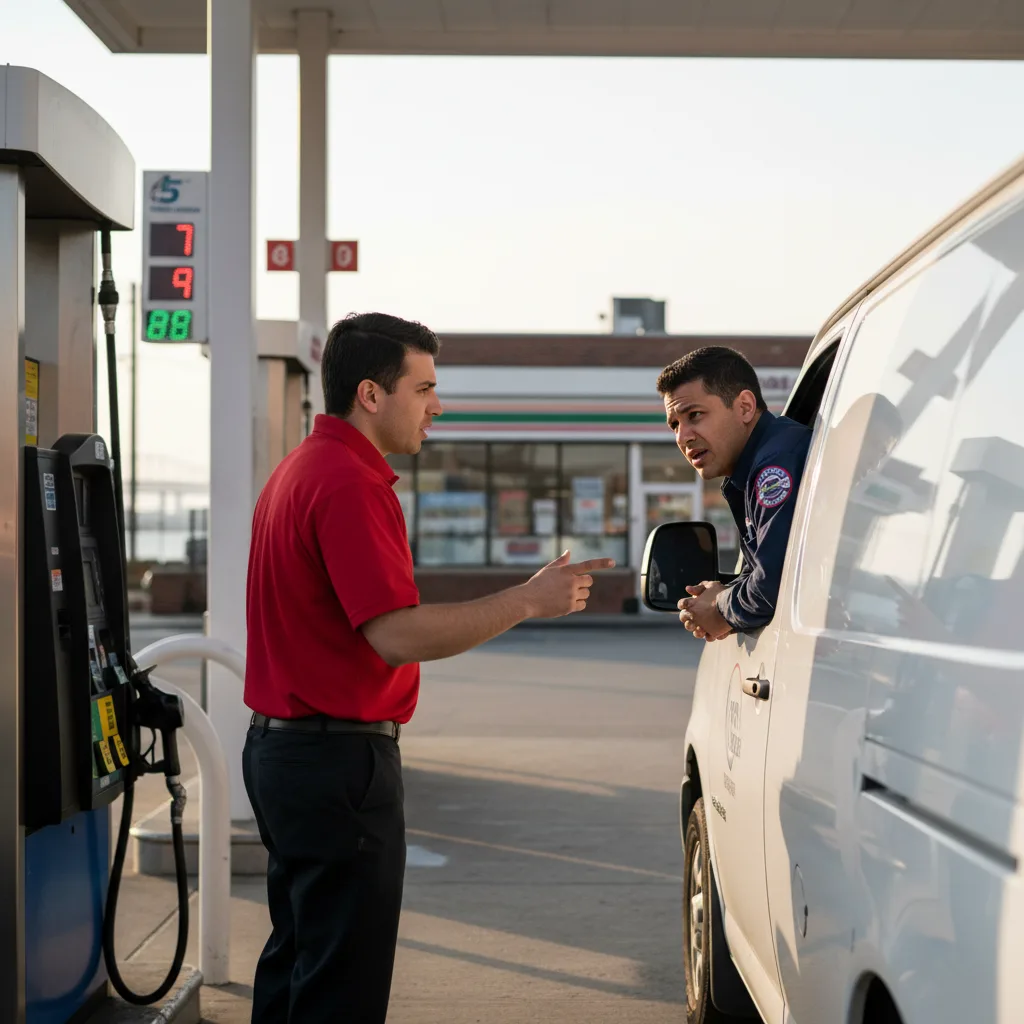
Cross Bay Boulevard Residents Anxious Over Strait of Hormuz Standoff
Cross Bay Boulevard residents are anxious as Iran's Strait of Hormuz stance threatens gas prices and local economy, affecting daily commutes and costs.

Cross Bay Boulevard Residents Concerned Over Yemen Airstrikes Impact on Economy 2026
Queens residents on Cross Bay Boulevard are concerned about rising gas prices and supply issues after Saudi airstrikes hit Yemen's capital on October 3, 2026. This impacts the local economy.
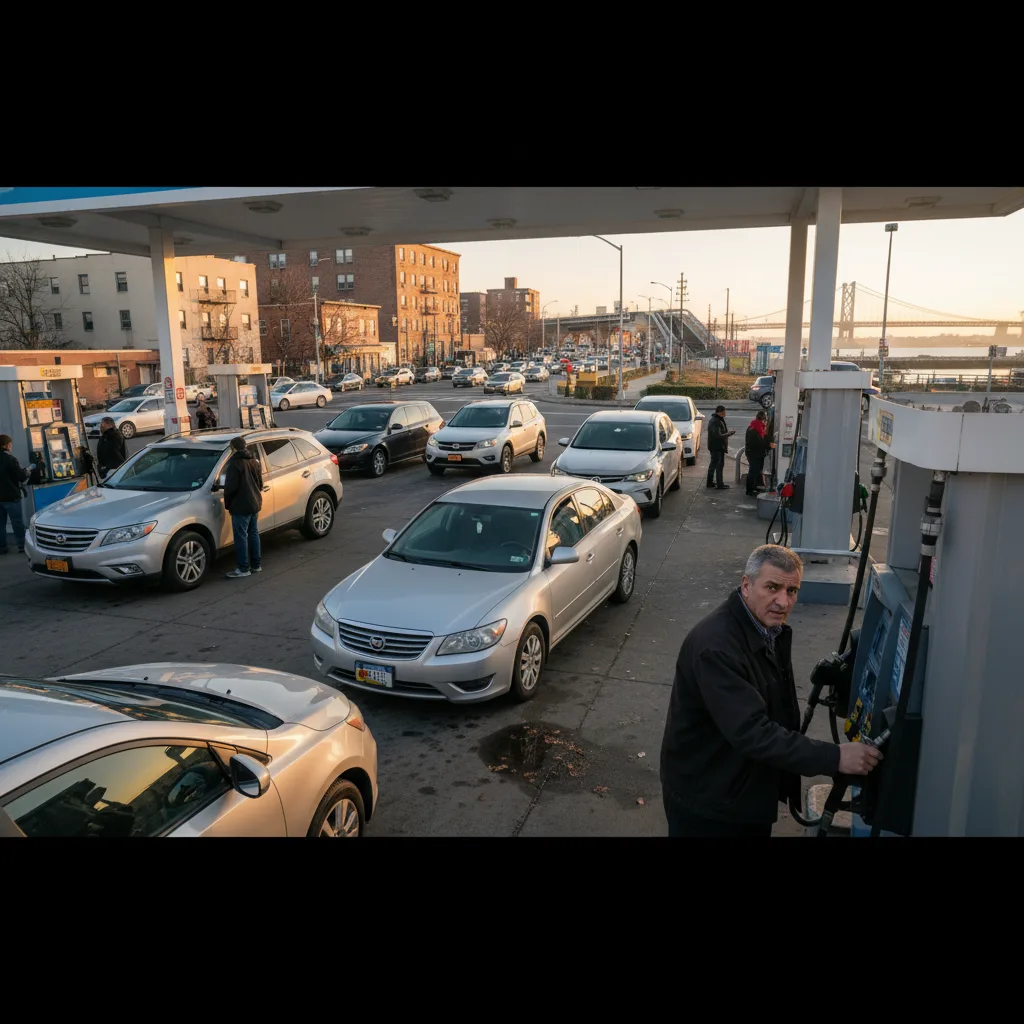
Cross Bay Residents Discuss Iran War Impact on Household Budgets
Cross Bay residents discuss the U.S.-Iran crisis impact on gas prices and household budgets, fearing a ripple effect on daily costs.

Your Essential Guide to Sandals Jamaica Montego Bay for Queens Travelers
Planning a luxurious escape? Our guide to Sandals Jamaica Montego Bay helps Queens residents plan the perfect all-inclusive, adults-only Caribbean getaway.
Your Guide to Exploring Jamaica Excursions from Montego Bay for Queens Travelers
Discover the best Jamaica excursions from Montego Bay for Queens residents, including top attractions, transportation tips, and what to pack for your adventure.