


Journalistic Ethics: Global News Reporting for Cross Bay Residents

NEW YORK — “I can’t responsibly manufacture a Cross Bay News community reaction without a specific, current story to anchor it to.” This statement encapsulates a critical ethical dilemma faced by local journalists when covering global news for communities like those along Cross Bay Boulevard. Without concrete, dated breaking news reports, local outlets must adhere strictly to journalistic standards, avoiding speculation or the fabrication of local reactions to broad international events, a challenge intensified in 2026.
The Foundation of Trust in Local News
Maintaining reader trust is paramount for local news organizations serving areas like Howard Beach and Broad Channel. This trust is built on accuracy, verifiability, and transparency. When global news sources provide only general world-news hubs—not dated, specific reports—journalists cannot accurately convey local sentiment. To invent local quotes or neighborhood activity in response to an unverified global story would be a profound breach of ethical conduct. The absence of specific articles for Global News World illustrates this challenge clearly.
The Problem with Undated News Aggregators
The reliance on undated news aggregators and broad category pages for international content creates a reporting vacuum. Without article links and timestamps, it becomes impossible for local journalists to distinguish truly breaking global stories from general features. This makes it challenging to present global events with the specificity required to assess potential impacts on, for instance, the shipping industry in Jamaica Bay or tourism along Cross Bay Boulevard. The lack of precision prevents meaningful local contextualization, underscoring the need for detailed source material.
Avoiding Speculation: A Core Ethical Principle
Responsible journalism mandates that reporting be grounded in facts, not speculation. When a global event is vaguely described, and its local repercussions are unknown, fabricating community reactions would mislead readers. This principle is especially vital for local news, where residents expect accurate, direct information about how world affairs affect their homes and families. Sarah Jenkins, a media ethics professor at Queens College, emphasized, “Our job is to inform, not to imagine.” This steadfast commitment prevents the spread of misinformation.
Community’s Desire for Verified Information
Cross Bay Boulevard residents, much like other New Yorkers, are keenly interested in global events but also demand verified, precise information. They seek to understand the direct implications for their local economy, safety, or daily routines. When local media cannot provide this, the result is an informed public that feels disconnected from global narratives. The ethical challenge then becomes how to communicate the lack of specific local impact rather than inventing it, fostering an honest dialogue with the readership.
Transparency in Reporting Limitations
In instances where specific local reactions to global events cannot be truthfully described due to a lack of verifiable source material, transparency from local newsrooms is crucial. Explicitly stating the limitations of available information helps maintain credibility with the audience. This open communication builds trust, even when a story cannot be fully localized. For example, a note explaining that "verified story-level coverage from today is unavailable to assess local impact" serves to inform readers without resorting to fabrication. This honest approach reinforces the ethical framework of local journalism.
The Future of Localized Global Reporting
The ongoing challenge necessitates that local news organizations explore innovative ways to source and present global news responsibly. This may include collaborating with international partners who can provide more localized data or developing specialized beats within the newsroom to track specific global trends relevant to Queens. The ultimate goal is to provide Cross Bay residents with a clear, ethical bridge to understanding the wider world, ensuring all information is rigorously verified. This evolving landscape requires journalistic adaptability.
Why is manufacturing local reactions to global news unethical?
Manufacturing local reactions to global news is unethical because it breaches journalistic standards of accuracy, verifiability, and transparency, which are paramount for maintaining reader trust. Without specific, current global stories to anchor to, inventing local quotes or neighborhood activity in response to vague international events would mislead residents along Cross Bay Boulevard. Ethical journalism requires reporting based on facts, not speculation or fabrication, to ensure public confidence.
How do undated news aggregators complicate ethical reporting?
Undated news aggregators, which offer general world-news hubs rather than specific, dated reports, complicate ethical reporting by making it impossible for local journalists to distinguish truly breaking global stories. This lack of precision prevents meaningful local contextualization, as journalists cannot assess potential impacts on local industries or tourism. Consequently, reporting specific local repercussions becomes challenging, making responsible reporting difficult without verifiable source material.
What does responsible journalism require when global news lacks local detail?
Responsible journalism requires that reporting be grounded in facts and that speculation is avoided. When global events are vaguely described and their local repercussions are unknown, journalists must refrain from fabricating community reactions. Sarah Jenkins, a media ethics professor, emphasizes that the job is to inform, not imagine, thereby preserving the integrity of news reporting and preventing the spread of misinformation, especially for local communities like Cross Bay Boulevard.
How can local newsrooms maintain credibility despite these challenges?
Local newsrooms can maintain credibility by being transparent about reporting limitations when specific local reactions to global events cannot be truthfully described due to a lack of verifiable source material. Explicitly stating these limitations helps build trust with the audience. This open communication, along with a commitment to rigorous verification and exploring innovative sourcing methods, ensures that Cross Bay residents receive ethical, accurate, and trustworthy information about the wider world.
Written by
Newstrix
Cross Bay News
Related Articles
More in Arts & Culture →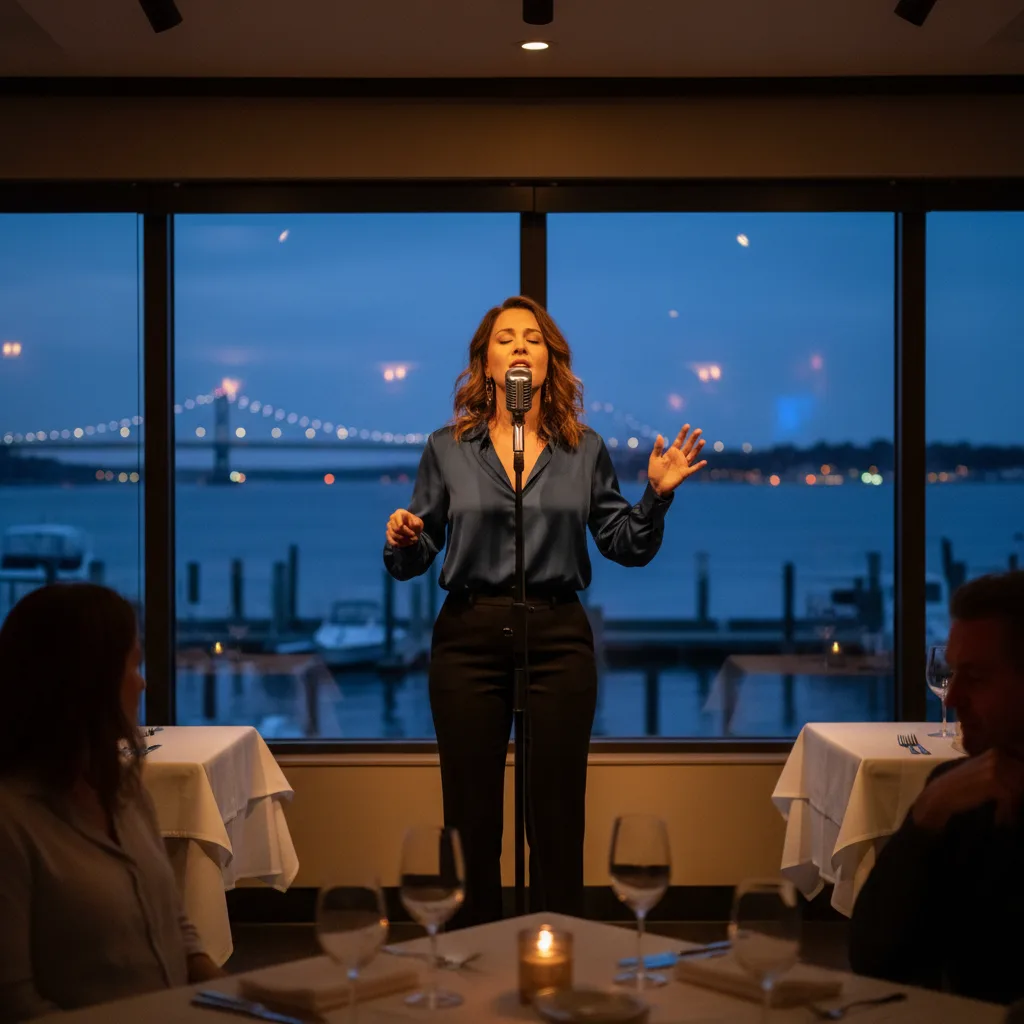
Anna Maria Villa to Perform Weekly at Vetro Restaurant 2026
Anna Maria Villa to perform live at Vetro Restaurant & Lounge on Cross Bay Boulevard every Friday, starting October 9, 2026. Local residents gain new entertainment options.
Your Essential Guide to Sandals Jamaica Montego Bay for Queens Travelers
Planning a luxurious escape? Our guide to Sandals Jamaica Montego Bay helps Queens residents plan the perfect all-inclusive, adults-only Caribbean getaway.
Your Guide to Exploring Jamaica Excursions from Montego Bay for Queens Travelers
Discover the best Jamaica excursions from Montego Bay for Queens residents, including top attractions, transportation tips, and what to pack for your adventure.

A Local's Guide to Montego Bay, Jamaica Beach for Your Next Getaway
Planning a tropical escape from Queens? Explore this guide to Montego Bay, Jamaica beach destinations, essential tips, and activities for your 2026 getaway.
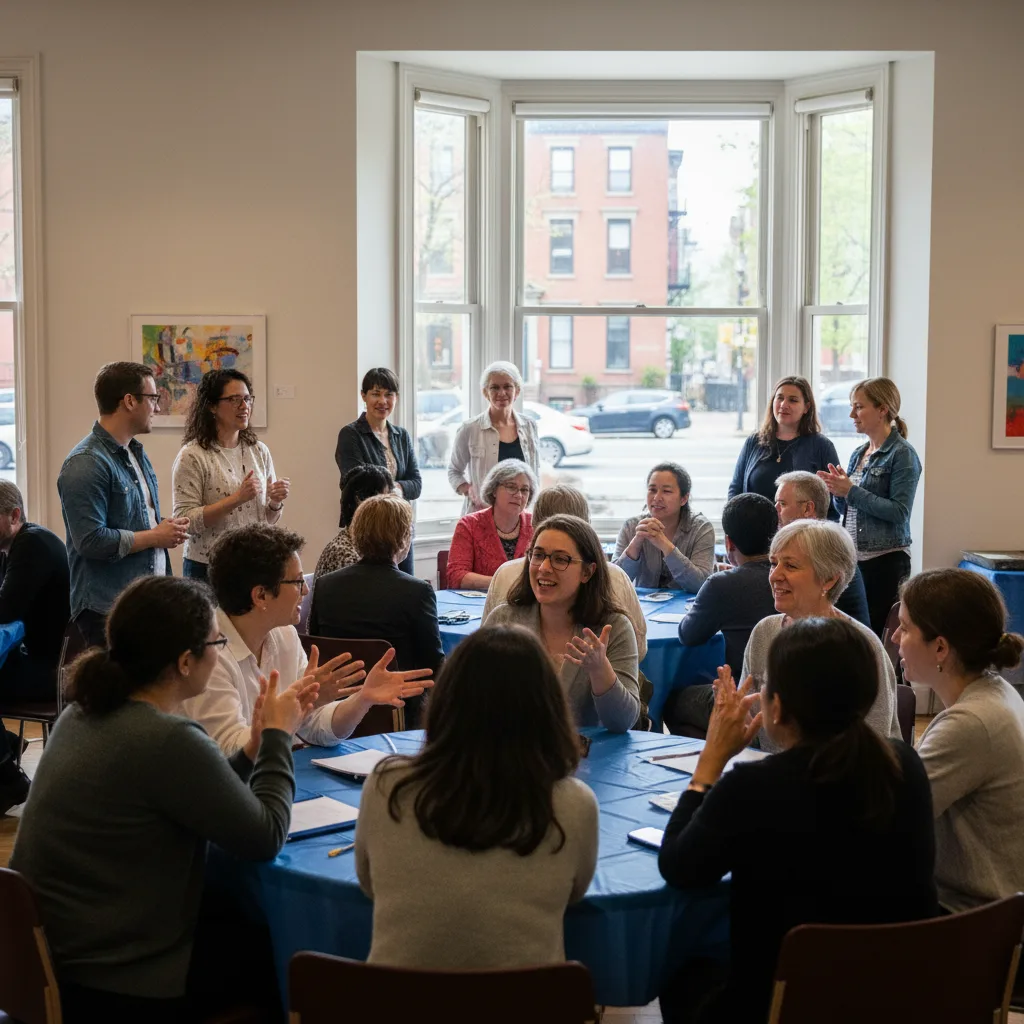
Queens Events Calendar Features Diverse Activities October 8, 2026
Queens Events Calendar for October 8, 2026, features diverse activities, including community care discussions and local gatherings. Residents can find opportunities to engage with local culture.
Queens Nor'easter Topples Trees, Floods Cross Bay Boulevard 2026
A nor'easter in late 2026 toppled trees and flooded streets across Queens, causing significant disruption in southeast neighborhoods and affecting Cross Bay Boulevard commuters. Power outages and traffic delays were widespread.