


Local Reporting Gaps: Cross Bay Boulevard's Untapped Stories Aired

NEW YORK — The vitality of any local community is often reflected in the depth and breadth of its news coverage. For Cross Bay Boulevard in Queens, a crucial artery connecting vibrant neighborhoods, the absence of consistently reported, specific local stories can leave residents uninformed and their narratives untold.
This reporting gap extends beyond major incidents, encompassing the everyday issues that shape life along this historic thoroughfare—from infrastructure projects and local business developments to community events and zoning changes. Without dedicated journalistic efforts, these vital elements of local experience often remain unaddressed.
The Unseen Impact of Underreported Local Issues
When local news becomes sparse, residents might miss critical information that directly affects their quality of life. For instance, planned roadwork near the Jamaica Bay Wildlife Refuge entrance or changes to public transportation routes on Cross Bay Boulevard could go unnoticed until they become an inconvenience.
“The daily grind of local life, the small victories, and the looming challenges—these are the stories that truly matter to people,” observed Councilwoman Jennifer Chen, who represents parts of Queens. “If local media isn't there to cover them, residents can feel disconnected from their own surroundings and the decisions being made on their behalf.”
This lack of granular detail can affect property values, local business success, and even community cohesion. For example, a new small business opening near the Bell Boulevard intersection might not get the local publicity it needs to thrive, impacting local commerce.
What Constitutes Essential Local News for Cross Bay Boulevard?
For a community like Cross Bay Boulevard, essential local news spans a wide array of topics. This includes updates on the condition of the boulevard itself, which serves as a critical transportation corridor and commercial hub. News about infrastructure maintenance, traffic patterns, and environmental initiatives affecting Jamaica Bay are all highly relevant.
Stories on local schools, community centers, and religious institutions are also vital, reflecting the social fabric of neighborhoods like Ozone Park and Broad Channel. Furthermore, reporting on local crime trends, public safety initiatives, and zoning board decisions directly impacts residents’ security and future development plans for their homes and businesses.
Local businesses, from the family-run diners to emerging boutiques, are the economic lifeblood of the boulevard. Their stories of innovation, struggle, and contribution are often overlooked when reporting resources are stretched thin. These are the kinds of specific, verifiable stories that dedicated Queens local businesses would eagerly consume.
Challenges in Maintaining Comprehensive Local Coverage
Local news organizations face significant financial and logistical hurdles in providing comprehensive coverage for every street and neighborhood. Declining advertising revenues and the shift towards digital media have impacted newsroom sizes and the ability to deploy reporters to cover diverse beats effectively.
The sheer geographical expanse of Queens, coupled with its immense diversity, also makes blanket coverage challenging. Reporters must not only be present but also culturally attuned to the specific nuances of each community along Cross Bay Boulevard, from the southern tip in the Rockaways to the northern stretches near Lindenwood.
Without consistent journalistic presence, information vacuums can emerge, sometimes filled by misinformation or fragmented communication. This can impede community progress and informed civic participation. For instance, the detailed planning for the upcoming Cross Bay Bridge toll increase would require extensive local reporting to ensure residents are fully aware and can provide input.
The Role of Dedicated Local Journalists and News Platforms
To bridge these local reporting gaps, there is an increasing demand for dedicated local journalists who can embed themselves within communities like Cross Bay Boulevard. These reporters develop expertise in specific local issues, build trust with residents, and become authorities on the pulse of the neighborhood.
Platforms like crossbayNews aim to fill these voids by focusing exclusively on the specific needs and interests of the Queens communities served by the boulevard. By prioritizing local stories, from small business features to municipal council decisions, these outlets can provide the relevant, actionable information residents crave.
Investing in local journalism means investing in the informed citizenry and the democratic process. It ensures that the unique character and pressing concerns of Cross Bay Boulevard receive the attention they deserve, fostering a more connected and engaged community.
Frequently Asked Questions About Local Reporting Gaps
What are "reporting gaps" in local news for Cross Bay Boulevard? Reporting gaps refer to the absence of consistent and specific news coverage on daily issues affecting Cross Bay Boulevard, including infrastructure, local businesses, community events, zoning changes, and public safety.
Why is it important to cover everyday local issues, not just major events? Everyday local issues directly impact residents' quality of life, property values, and community cohesion. Covering these ensures residents are informed about developments that shape their daily lives and allows them to participate in civic processes.
What kind of local news is most relevant to Cross Bay Boulevard residents? Highly relevant news includes updates on the boulevard's infrastructure, traffic, local business spotlights, community organization activities, school news, public safety reports, and decisions from local governmental bodies like zoning boards.
What factors contribute to challenges in comprehensive local news coverage? Challenges often stem from financial constraints impacting newsroom staffing, the vast geographical and cultural diversity of areas like Queens, and the prioritization of breaking news over slower-paced community reporting.
How do reporting gaps affect community engagement and residents? Reporting gaps can leave residents uninformed, feeling disconnected from their community and decision-making processes. It can also lead to a lack of accountability for local officials and a diminished sense of local identity and shared concerns.
Written by
Newstrix
Cross Bay News
Related Articles
More in Development & Infrastructure →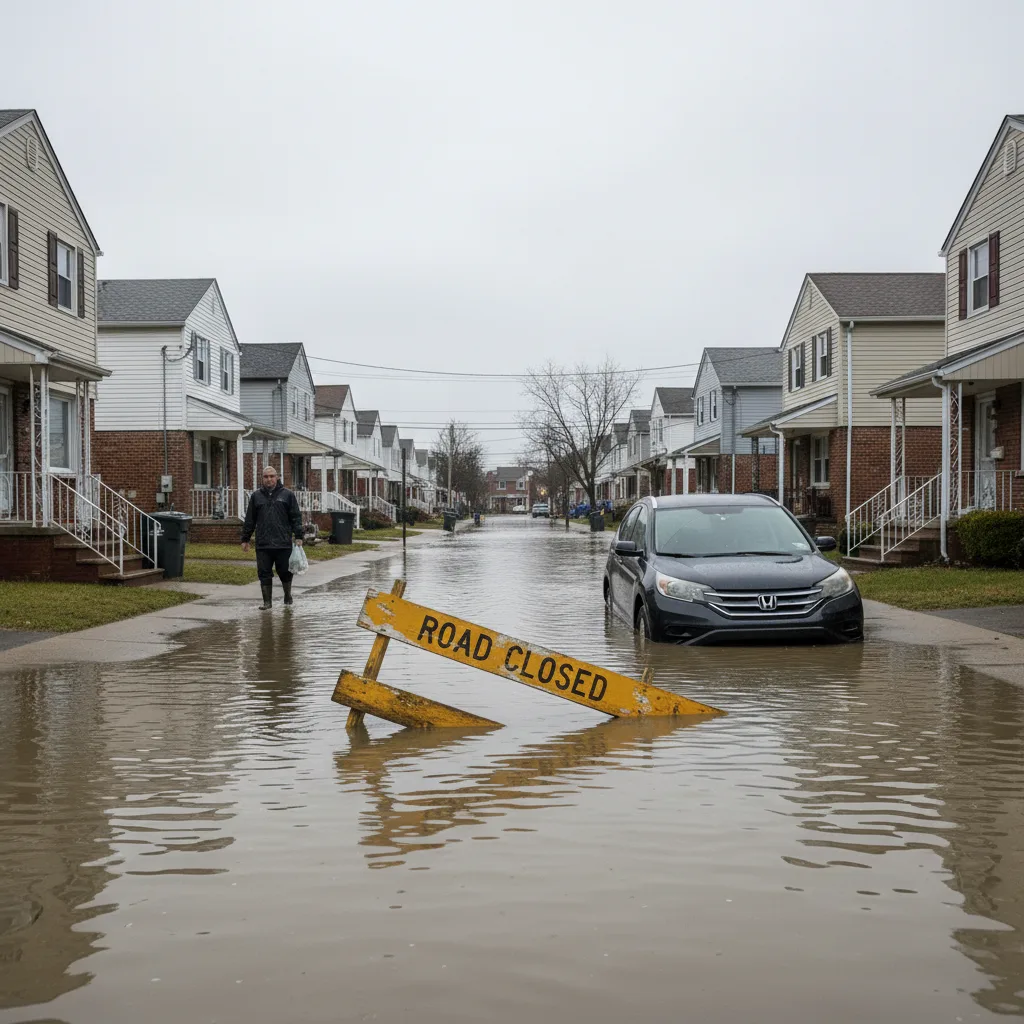
CM Ariola Urges Major Infrastructure Overhaul After Queens Floods
CM Ariola calls for major infrastructure overhaul in south Queens after weekend storm wreaks havoc. Residents face continued coastal flooding threats.
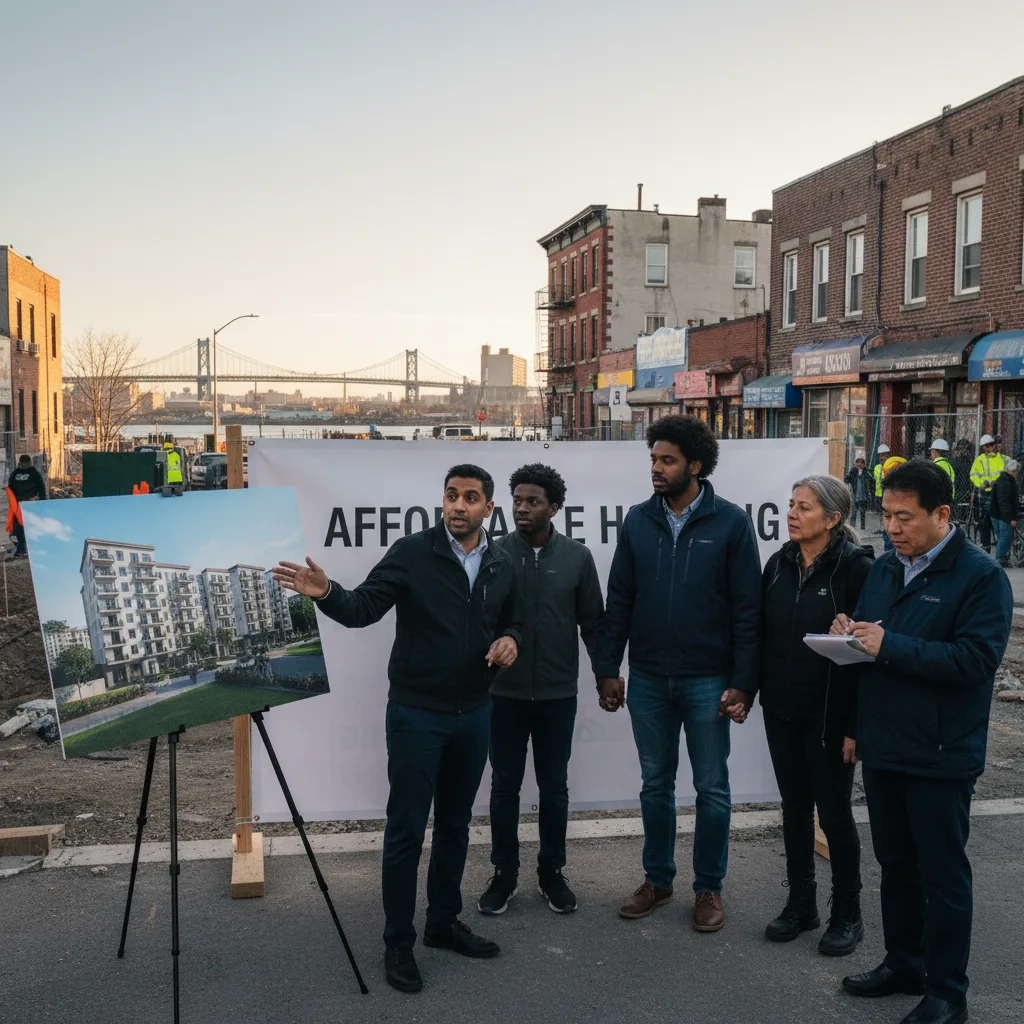
Mamdani Fast-Tracks 12 Districts for Affordable Housing, 5 in Queens
Council Member Mamdani fast-tracked 12 districts, including five in Queens, for affordable housing to address the ongoing crisis. This initiative impacts local neighborhoods like Howard Beach and Ozone Park, prompting calls for infrastructure upgrades to support growth.
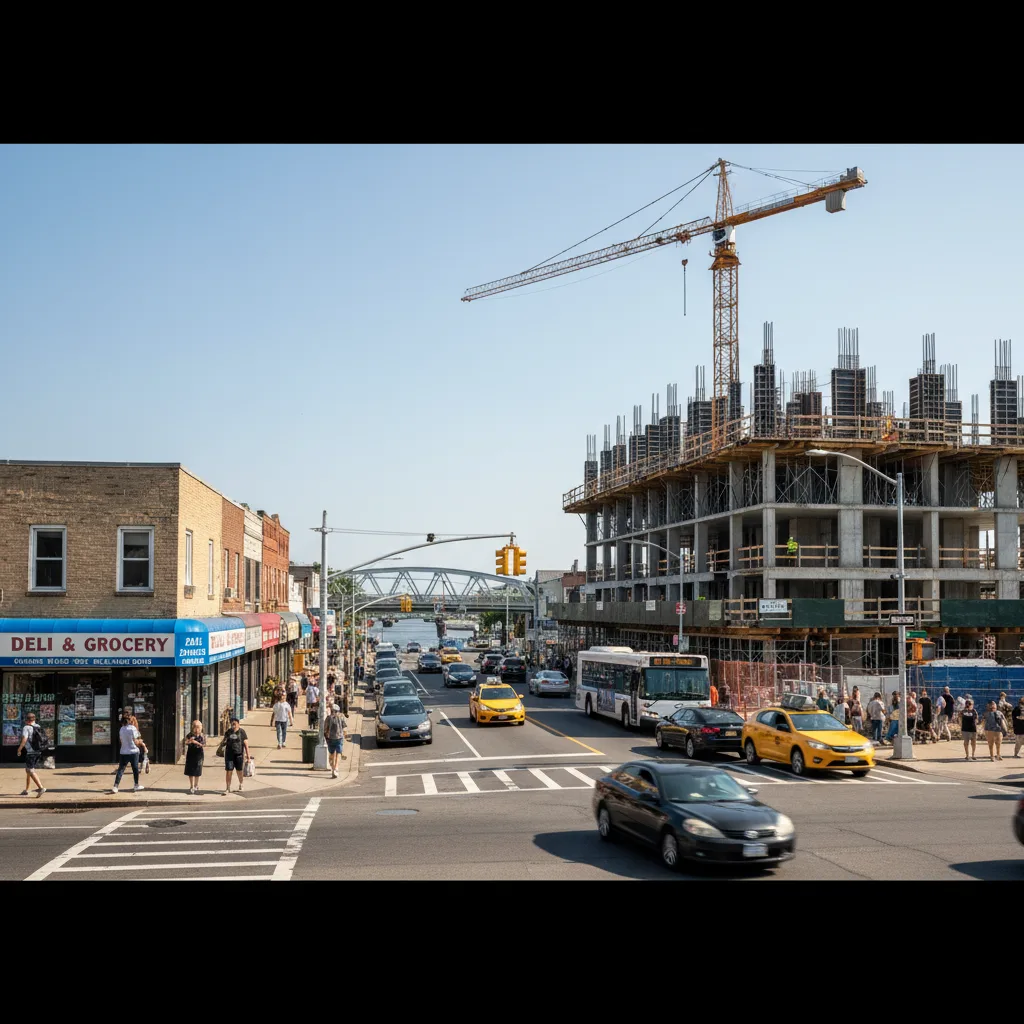
City Hall Accelerates Housing Development in Howard Beach, South Ozone Park
City Hall is fast-tracking housing development in Queens' Howard Beach and South Ozone Park to address affordability, affecting Cross Bay Boulevard communities.
Howard Beach Community Meetings Address Flooding and Infrastructure 2026
Howard Beach community meetings on October 2, 2026, addressed local flooding and ongoing infrastructure issues relevant to South Queens. Residents seek solutions for these pressing concerns.
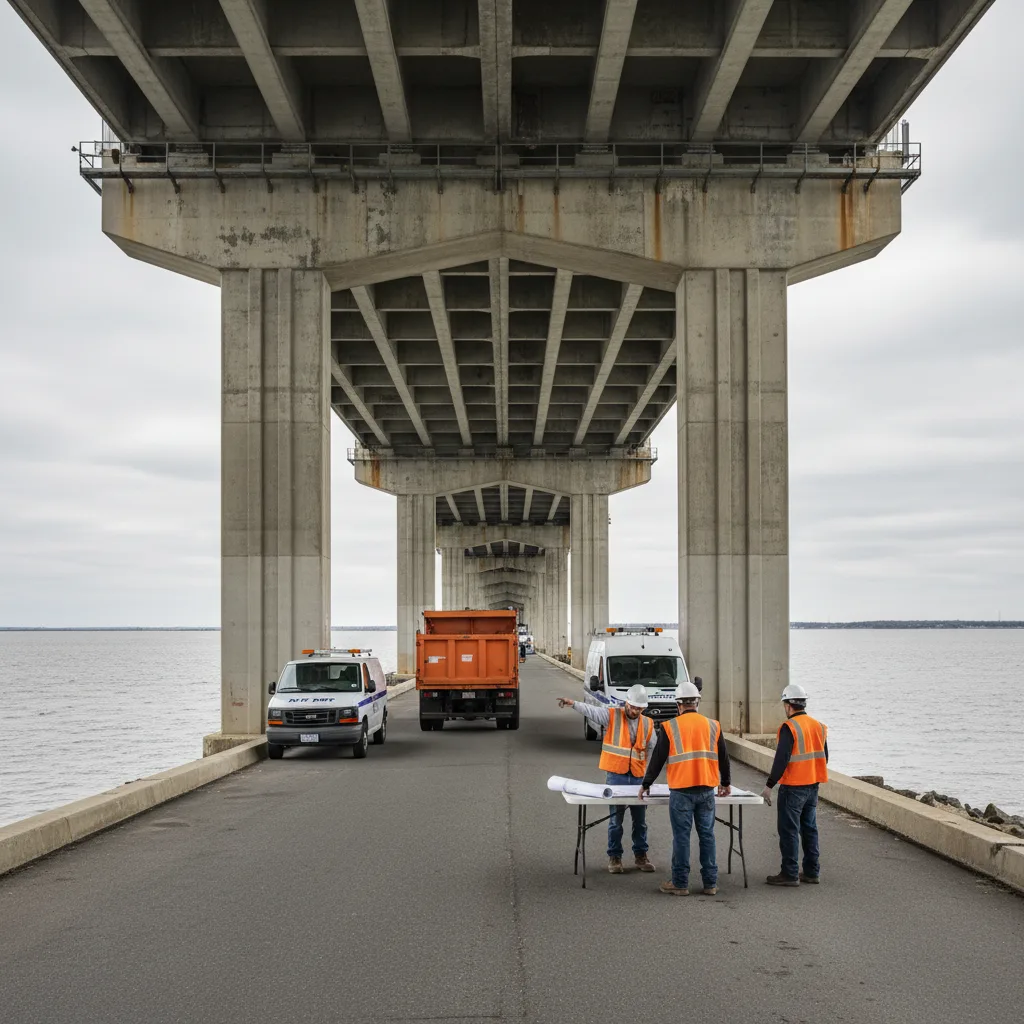
NYC DOT Approves Permit for Cross Bay Boulevard Bridge Repairs 2026
NYC DOT approved permits for Cross Bay Boulevard bridge repairs on October 3, 2026, addressing vital infrastructure needs in South Queens. Residents face traffic impacts; stay informed for commute changes.
City Hall Targets Queens Board 10 for Fast-Tracked Housing Development
City Hall fast-tracks housing development in Queens' Community Board 10, including South Ozone Park and Howard Beach, to boost affordable options.