


Lynette Hooker Case Becomes Murder Inquiry; Cross Bay Residents Discuss Safety

NEW YORK — The disappearance of Lynette Hooker in the Bahamas has taken a grim turn, with investigators now treating the case as a possible murder, according to reports from CBS News. This significant shift in the inquiry, driven by new digital forensic evidence, has prompted discussions among Cross Bay Boulevard residents about personal safety and the rapid evolution of missing persons cases into criminal investigations.
Initially considered a missing person case, the investigation reportedly undercuts the account provided by Brian Hooker, Lynette’s husband. The developments have captivated a national audience and sparked local conversations about the complexities of such high-stakes legal situations.
Digital Evidence Pivots Investigation
Sources close to the investigation indicate that advanced digital forensic analysis revealed inconsistencies in previously held information. This new evidence was crucial in reclassifying the case from a disappearance to a suspected homicide.
Investigators are now reportedly focusing on the timeline of events and communications leading up to Lynette Hooker’s disappearance. The specifics of the digital findings have not been publicly detailed, but they were sufficient to warrant a complete re-evaluation of the case.
Local Conversations on Safety and Relationships
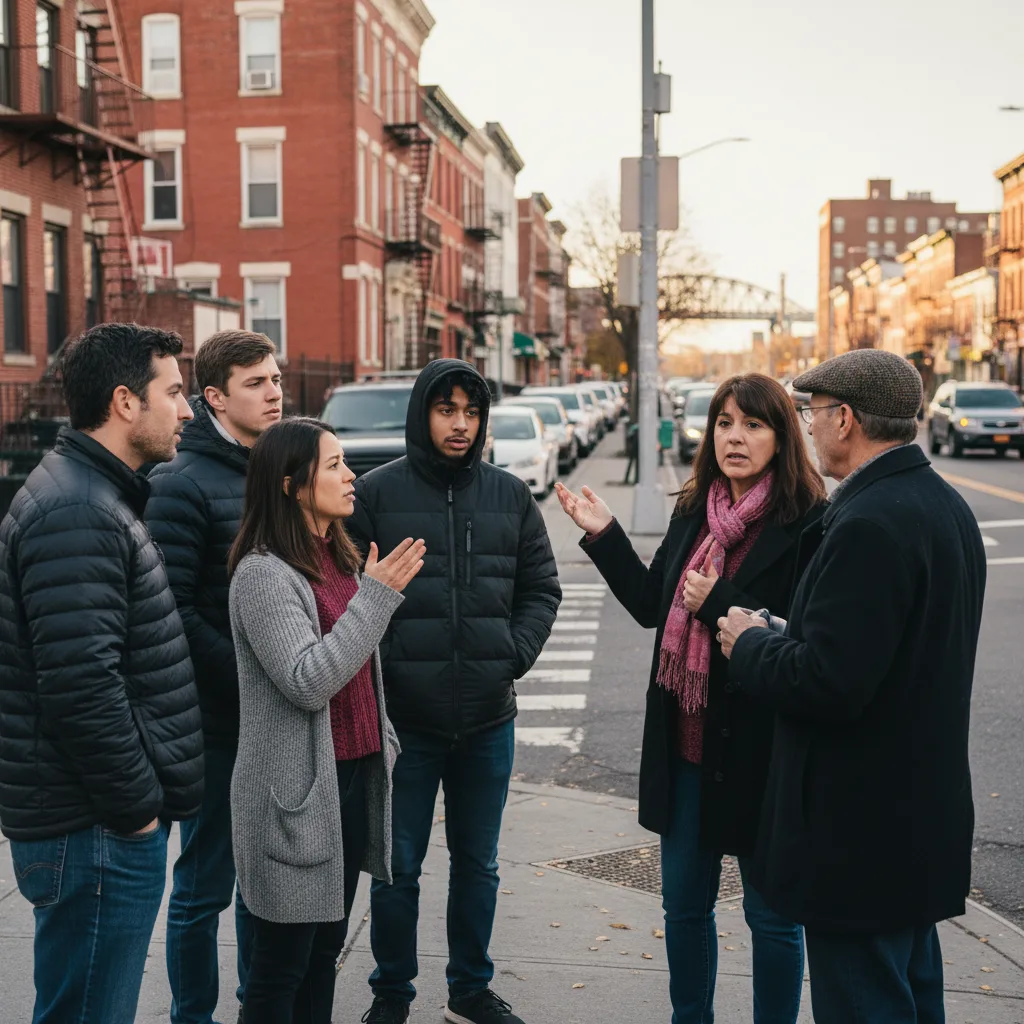
While the events unfolded thousands of miles away, the dramatic shift in the Lynette Hooker case has resonated with residents along Cross Bay Boulevard. Many are discussing the vulnerability of individuals, the nature of domestic situations, and the increasing role of technology in solving crimes.
“It’s a chilling reminder that you never truly know what’s happening behind closed doors, even with people you think you know,” remarked Eleanor Vance, a retired social worker from Broad Channel, during a conversation at a local diner. She added that such cases often spark a re-evaluation of personal safety precautions.
The Role of Media and Public Attention
Cases like Lynette Hooker’s often garner significant media attention, particularly when they involve mysterious circumstances and rapid developments. The shift to a murder inquiry ensures continued national and international coverage, influencing public perception.
For communities like those along Cross Bay Boulevard, these stories often serve as discussion points about broader societal issues, including the effectiveness of legal systems and the impact of sudden tragedies on families, as seen in CBS News global reporting.
Implications for Missing Persons Cases
The Hooker case highlights the evolving nature of missing persons investigations, particularly how technological advancements can dramatically alter their course. Digital footprints, even subtle ones, are increasingly vital in providing clues and challenging initial narratives.
Legal experts suggest that such high-profile cases might influence future police training and investigative protocols, placing a greater emphasis on early digital forensics in complex disappearances. This reflects a broader trend in law enforcement towards tech-driven solutions.
Frequently Asked Questions About Missing Persons Cases
What is the latest development in the Lynette Hooker case? Investigators in the Bahamas are now treating Lynette Hooker’s disappearance as a possible murder, based on new digital forensic evidence. This marks a significant escalation from its initial classification as a missing persons case.
Why is this case relevant to Cross Bay Boulevard residents? Although geographically distant, the dramatic progression of the Hooker case from disappearance to suspected murder prompts discussions among Cross Bay residents about personal safety, relationship violence, and how quickly such investigations can intensify. It serves as a stark reminder about unforeseen dangers, sparking discussions in local gathering spots like the cafes along Cross Bay Boulevard.
What role did digital forensic evidence play? New digital forensic evidence reportedly undermined Brian Hooker’s initial account of events, leading investigators to reclassify the case. The specifics of this evidence have not been fully disclosed to the public.
How do such cases influence community discussions about safety? Cases like this often lead to increased community dialogue about the importance of vigilance, personal security, and recognizing signs of distress in others. They can also highlight the emotional toll of uncertainty on families and the broader community.
Where can I find more information about the investigation? Updates on the Lynette Hooker investigation are being reported by major news outlets globally, including CBS News. Local discussions and community responses related to safety can sometimes be found on local forums or at Queens community board meetings.
Written by
Newstrix
Cross Bay News
Related Articles
More in National & World →
Police Fire Tear Gas as Protests Spread Across France 2026
Police fired tear gas as tens of thousands rallied across France on Oct 6, 2026, protesting for education reforms. High schools were blockaded.
Cross Bay Boulevard Residents React to Ukraine Drone Attack on Moscow
Cross Bay Boulevard residents voice concerns as Ukraine launches a major drone attack on Moscow, signaling conflict escalation and raising local anxieties.
56-Year-Old Exporter Granted Bail in St James Parish Court 2026
A 56-year-old exporter was granted $600,000 bail in St James Parish Court, Montego Bay, on Oct 6, 2026, after his attorney challenged the charges.
French Student Protests Spread, Prompting Global Concern
French student protests are spreading nationwide, sparking global concern and discussions among international observers and Cross Bay Boulevard residents.
Cross Bay Boulevard Residents Anxious Over Escalating Global Tensions 2026
Cross Bay Boulevard residents express anxiety as North Korea missile tests and stalled Iran talks escalate global tensions. Concerns arise about local economic impacts.
Kyiv Northern Bridge Strike Prompts Safety Discussions Among Cross Bay Residents 2026
Cross Bay Boulevard residents, especially those with ties to Ukraine, are discussing civilian safety and transportation disruptions after a Russian strike hit Kyiv's Northern Bridge on October 3, 2026. This impacts Queens communities.