


Nicaragua Election Abolishment Fuels Anxiety Among Cross Bay Boulevard Immigrants
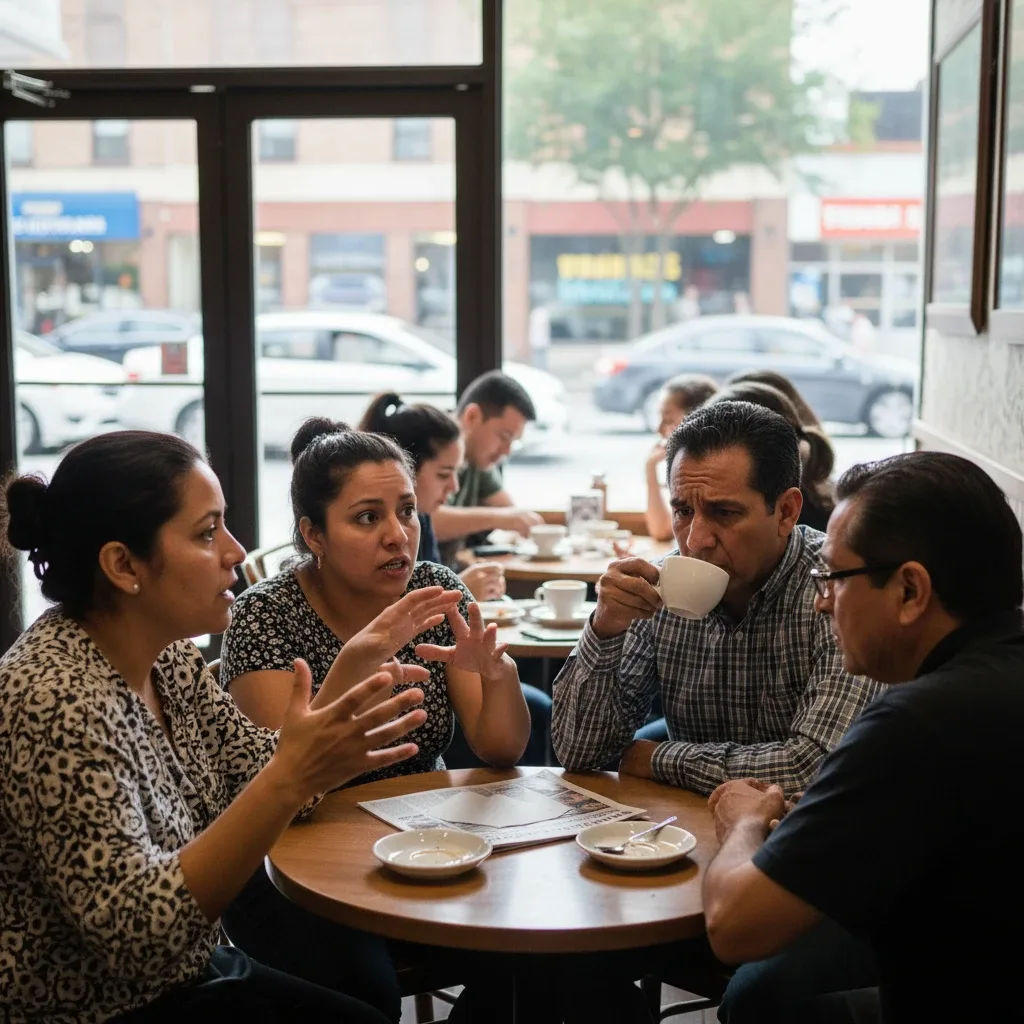
NEW YORK — Nicaraguan President Daniel Ortega's recent declaration that his nation will no longer hold elections has sparked profound frustration and anxiety among immigrant communities in Cross Bay Boulevard, Queens. Many residents, particularly those with ties to Nicaragua, gathered in local cafes on Tuesday, expressing deep concern over the move, which eliminates democratic competition and solidifies Ortega's authoritarian grip. The news casts doubt on a presidential vote expected next year, drawing immediate international condemnation, as reported by 10things.news.
Immigrant Communities Discuss Ortega's Abolition of Elections
In impromptu discussions at cafes along Cross Bay Boulevard, immigrant communities from Latin America, especially those with Nicaraguan ties, are sharing stories of family members now unable to return home due to the country's collapsing democratic institutions. This emotional impact is particularly acute for those who fled political instability in their homelands, only to witness further erosion of democratic processes from afar. The community feels a strong connection to events abroad, often seeing parallels to their own past struggles.
“Another democracy is being crushed,” remarked a patron at a cafe on Rockaway Boulevard, reflecting a sentiment of despair and helplessness. For many, the ability to vote represents a fundamental human right, and its abolishment signifies a step backward for freedom and governance in the region. This development hits close to home for many who understand the fragility of democratic systems.
Queens Activists Plan Rally Against Ortega's Authoritarianism
Queer and Latino community groups in Queens are quickly organizing a rally set to take place at Cross Bay Plaza next week to condemn President Ortega's authoritarian move. Organizers are vocal in their stance, stating, "We stand with the people of Nicaragua who can no longer vote." This collective action underscores the vibrant political engagement within Queens' diverse immigrant populations, even in response to international events. The rally aims to draw attention to the plight of Nicaraguan citizens and to advocate for democratic principles.
This community response highlights the strong bonds and shared political consciousness among various immigrant groups in Queens. The rally is expected to bring together individuals from different backgrounds, united by a common concern for human rights and democratic governance. Organizers are working to ensure a peaceful yet impactful demonstration, sending a clear message against authoritarianism. These events also resonate with broader discussions about Cross Bay Boulevard development and zoning proposals that often touch upon community voice and political power.
International Condemnation and Regional Stability Concerns
Nicaragua's announcement has drawn swift and widespread international condemnation. Global bodies and human rights organizations have voiced alarm over the blatant disregard for democratic principles, warning that the move could further destabilize Central America. This international outcry aligns with the local concerns expressed by Cross Bay Boulevard residents, underscoring the universal value placed on free and fair elections. The potential for increased migration and humanitarian challenges in the region remains a significant worry for many.
The abolishment of elections by President Ortega and his wife, Rosario Murillo, solidifies their authoritarian control, eliminating any meaningful opposition. This shift away from democratic norms has broader implications for regional stability, potentially influencing political dynamics in neighboring countries. The international community is grappling with how to respond effectively to this erosion of democracy, and local communities are watching closely for the outcomes.
Historical Context of Political Instability in Latin America
For many residents in Cross Bay Boulevard, Ortega's latest move evokes a painful history of political instability, authoritarian regimes, and civil conflict across Latin America. Generations of immigrants have sought refuge in the United States from similar situations, making the current events in Nicaragua particularly resonant. This historical context informs the community's passionate response, driving their calls for international intervention and support for democratic movements.
The feeling of witnessing history repeat itself adds a layer of sorrow to the frustration. Many older community members recall periods of suppression and human rights abuses, and they fear for the safety and future of their compatriots still living under the increasingly oppressive regime. Their experiences provide a crucial perspective on the severity of Ortega's actions and the potential long-term consequences.
Frequently Asked Questions
How does Nicaragua's decision to abolish elections affect its citizens and the region? Nicaragua's decision effectively solidifies President Ortega's authoritarian rule, eliminating democratic processes and threatening the rights of its citizens, who will no longer have a say in their governance. This move destabilizes the region, potentially leading to increased political unrest, human rights abuses, and further emigration as people seek refuge from the oppressive regime, impacting communities like those along Cross Bay Boulevard in Queens.
What role can international communities and local advocacy groups play in response? International communities are expected to continue condemning Ortega's actions and explore diplomatic or economic pressures to promote democracy and human rights. Locally, advocacy groups in Queens, such as those organizing a rally at Cross Bay Plaza, can raise awareness, provide support to affected immigrant communities, and advocate for policy changes that protect and support those impacted by authoritarian regimes, keeping the focus on the plight of Nicaraguans.
Written by
Newstrix
Cross Bay News
Related Articles
More in Government & Politics →
DA Katz Urges Parole Board to Keep Eddie Byrne Killer Behind Bars 2026
Queens DA Melinda Katz urges the state parole board to keep the killer of rookie cop Eddie Byrne behind bars for his 1988 assassination in South Jamaica. Justice remains a priority.
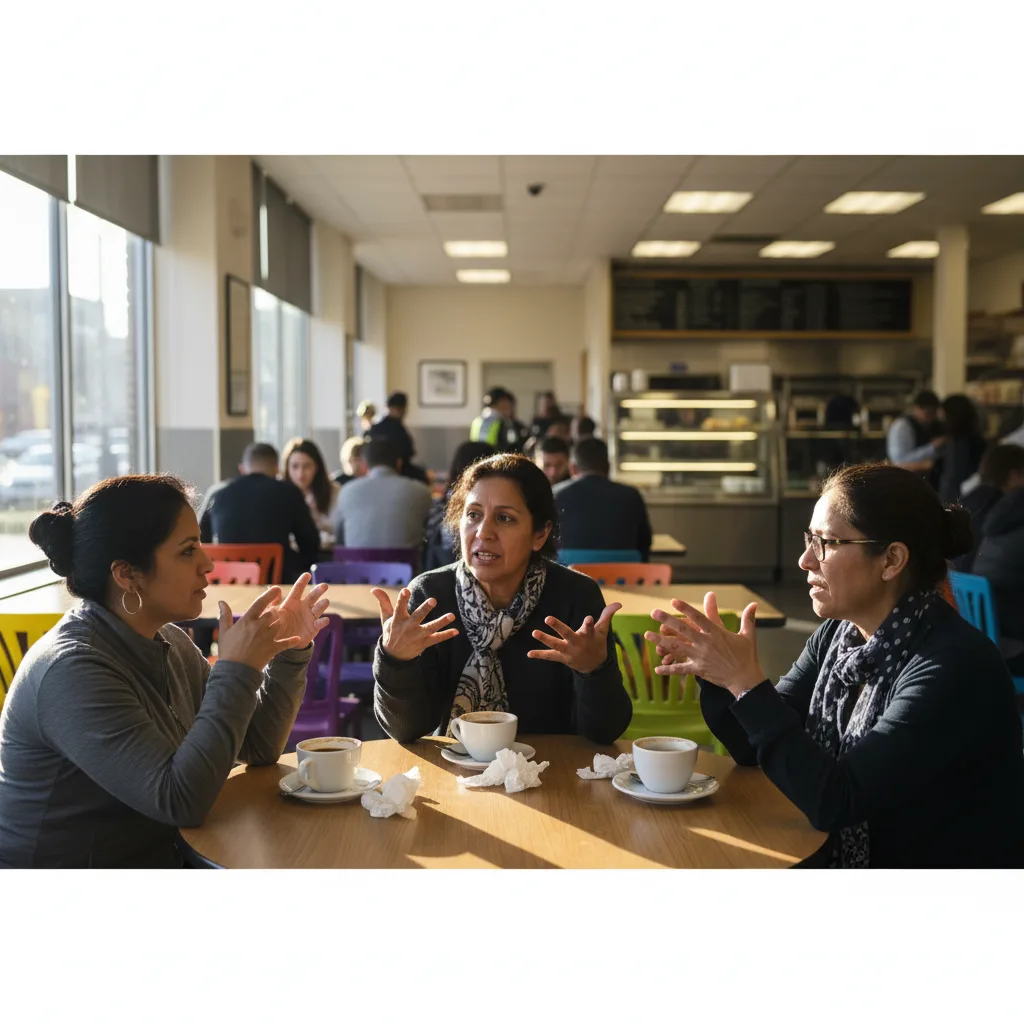
Brazil's Presidential Election Draws Concern from Queens Latin American Community
Brazil's polarized presidential election deeply concerns Queens' Latin American community, debating its impact on family abroad and regional stability.
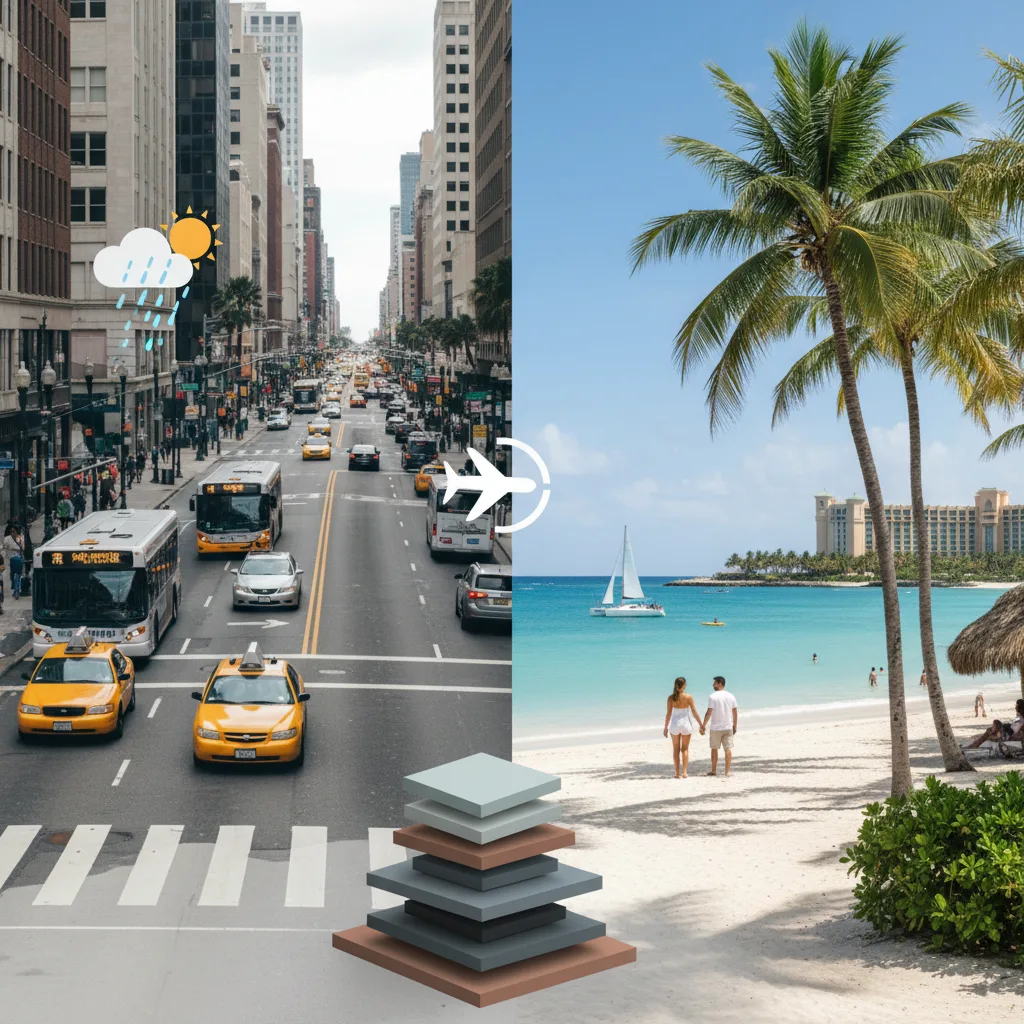
Your Essential Guide to Sandals Jamaica Montego Bay for Queens Travelers
Planning a luxurious escape? Our guide to Sandals Jamaica Montego Bay helps Queens residents plan the perfect all-inclusive, adults-only Caribbean getaway.
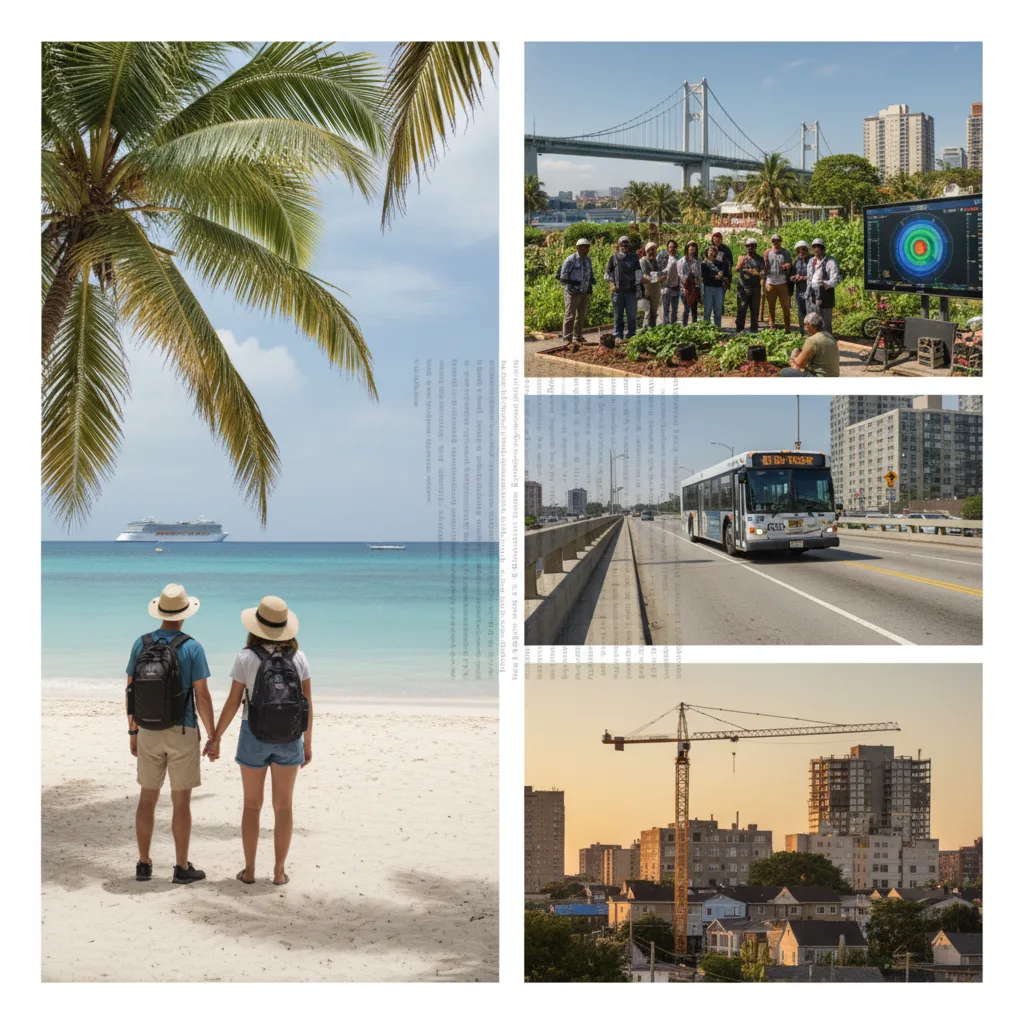
Your Guide to Exploring Jamaica Excursions from Montego Bay for Queens Travelers
Discover the best Jamaica excursions from Montego Bay for Queens residents, including top attractions, transportation tips, and what to pack for your adventure.
A Local's Guide to Montego Bay, Jamaica Beach for Your Next Getaway
Planning a tropical escape from Queens? Explore this guide to Montego Bay, Jamaica beach destinations, essential tips, and activities for your 2026 getaway.
Queens Events Calendar Features Diverse Activities October 8, 2026
Queens Events Calendar for October 8, 2026, features diverse activities, including community care discussions and local gatherings. Residents can find opportunities to engage with local culture.