


NYC Department of Education Admits 48,000 Students With Disabilities Lack Support

NEW YORK — The New York City Department of Education (DOE) has admitted that 48,000 students with disabilities are not receiving the help they need, according to DNAinfo. This significant shortfall is largely attributed to a shortage of bilingual therapists, exacerbating challenges for families across Queens and the wider city in securing mandated services for their children.
DOE Acknowledges Critical Shortfall for Students with Disabilities
The admission by the DOE highlights a systemic failure to provide mandated support services to tens of thousands of students with disabilities. These services are legally required under federal and state laws to ensure that all students have access to appropriate education. The widespread lack of services impacts critical areas such as speech therapy, occupational therapy, and counseling.
The shortage affects families across all boroughs, including the diverse communities of Queens. Many parents struggle to navigate the complex system, often feeling unheard or unassisted. This revelation underscores the urgent need for the DOE to address its staffing crisis and improve the delivery of essential resources for its most vulnerable students.
Bilingual Therapist Shortage Exacerbates Service Gap in Queens
A primary factor contributing to the service gap is a severe shortage of bilingual therapists. New York City’s public school system serves a vast population of students from diverse linguistic backgrounds, and many require services in languages other than English. The lack of therapists fluent in these languages creates a significant barrier to effective intervention.
In Queens, one of the most linguistically diverse counties in the world, the impact of this shortage is particularly acute. Families who speak Spanish, Mandarin, Bengali, and other languages often find it difficult to access therapists who can effectively communicate with their children. This linguistic barrier can hinder diagnosis, therapy progress, and parental involvement, deepening the educational disparities for students with disabilities.
Impact on Families and Educational Outcomes
The failure to provide mandated services has profound consequences for students with disabilities and their families. Children may experience developmental delays, academic struggles, and social-emotional challenges that could be mitigated with timely and appropriate support. Parents often face immense stress and financial burdens attempting to secure private services or advocate tirelessly for their children within the school system.
The long-term educational outcomes for these 48,000 students are at risk. Without adequate therapy and support, students may not reach their full potential, impacting their ability to succeed in school and later in life. This issue directly challenges the DOE's mission to provide equitable educational opportunities for all students.
Calls for Urgent Action and Increased Resources for DOE
Advocates for students with disabilities and their families are calling for urgent action from the DOE and city officials. Solutions proposed include aggressive recruitment campaigns for bilingual therapists, incentives for professionals to work in underserved areas, and streamlined processes for hiring and retaining staff. Increased funding for special education services is also a critical demand.
Community organizations and parent groups are mobilizing to demand accountability and tangible improvements from the education department. They emphasize that every day without mandated services is a lost opportunity for these students. The city must prioritize filling these critical roles to uphold its commitment to inclusive education.
Navigating Special Education Services in Queens
For families in Queens navigating the complexities of special education services, resources are often available through community organizations and parent advocacy groups. These groups can provide guidance on understanding rights, advocating for services, and connecting with support networks. However, systemic change within the DOE is ultimately required to resolve the widespread service gap.
The challenges faced by these students underscore the importance of robust community support systems. Information on local neighborhood developments, like those found in Queens news by neighborhood, often includes updates on educational resources and advocacy efforts. Addressing this crisis demands a collaborative effort from the city, schools, and the community.
Frequently Asked Questions
What rights do parents of students with disabilities have in NYC public schools?
Parents of students with disabilities in NYC public schools have significant rights under the Individuals with Disabilities Education Act (IDEA) and state law. These include the right to a free appropriate public education (FAPE), participation in the development of their child's Individualized Education Program (IEP), due process if they disagree with school decisions, and access to all relevant educational records. They can also request independent educational evaluations.
How can families advocate for their child's unmet special education needs?
Families can advocate for their child's unmet special education needs by documenting all requests and communications with the school, attending all IEP meetings, and clearly articulating their child's needs. If services are still not provided, parents can file a formal complaint with the DOE, request a mediation, or initiate a due process hearing. Connecting with parent advocacy groups can also provide valuable support and guidance throughout this process.
Written by
Newstrix
Cross Bay News
Related Articles
More in Community →Bushwick Daily Reports News from Queens Neighborhoods 2026
Bushwick Daily expands its coverage to include news from various Queens neighborhoods on November 3, 2026, offering local updates from Ridgewood, Flushing, and more.
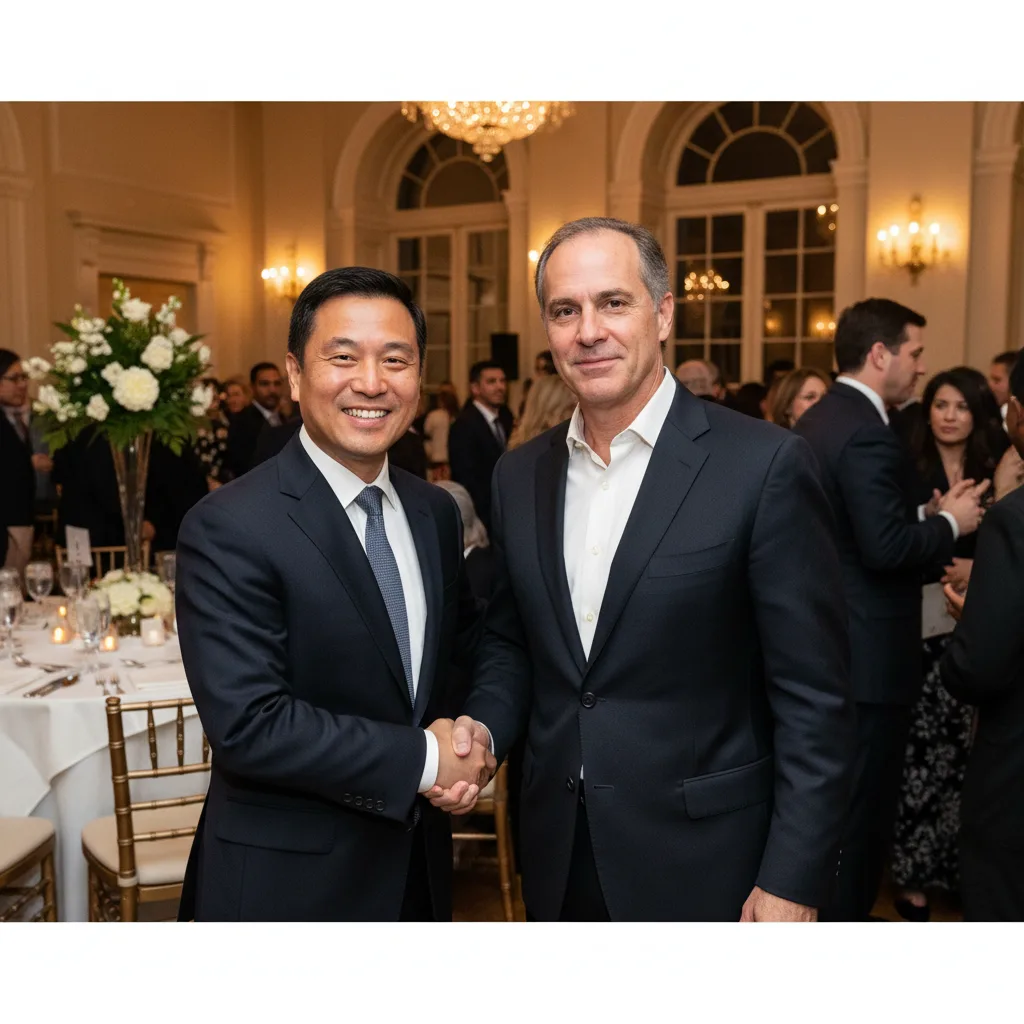
Council Member Wong Attends Associazione Culturale Italiana Gala 2026
NYC Council Member Phil Wong attended the Associazione Culturale Italiana di New York’s 15th annual gala on November 2, 2026, highlighting cultural ties.
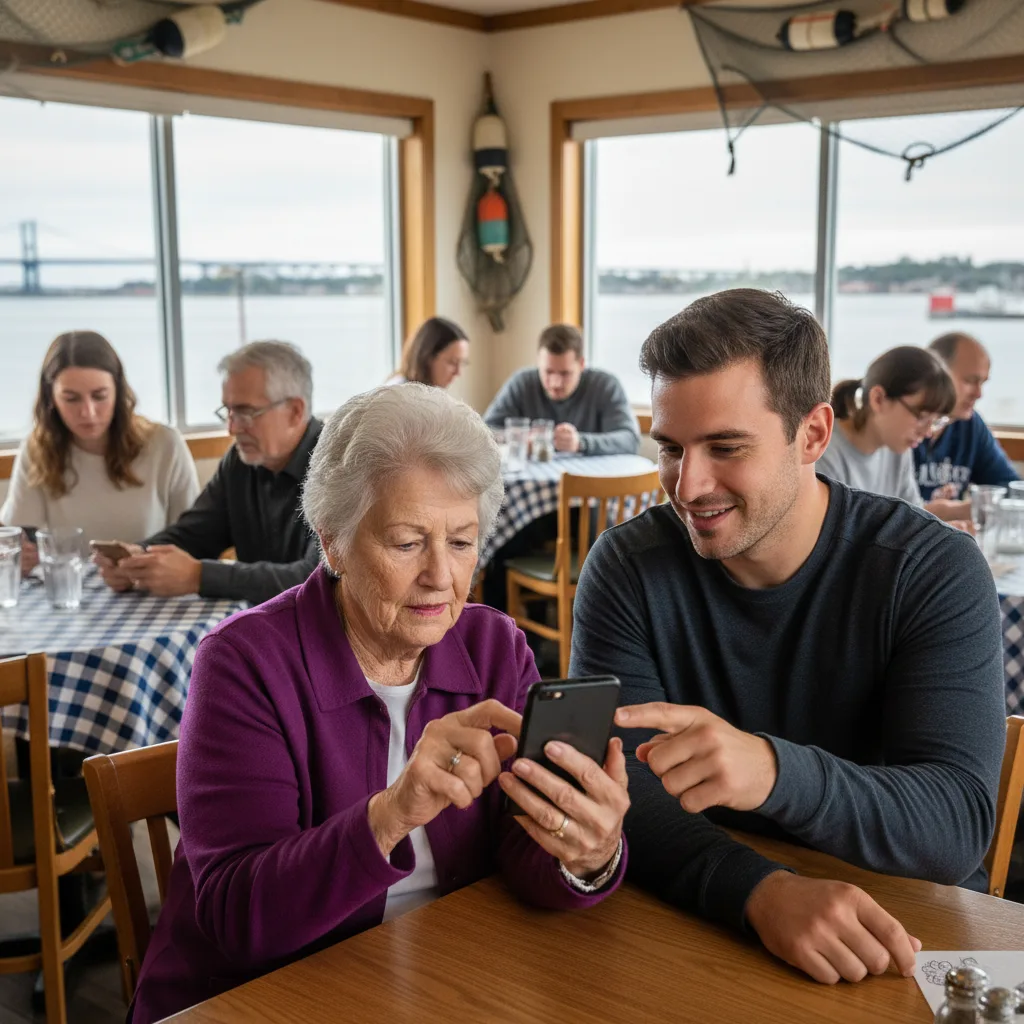
Seniors Receive Free Cell Phone Tutoring at Lenny's Clam Bar
Howard Beach seniors received free cell phone tutoring at Lenny's Clam Bar on November 2, 2026, helping bridge the digital divide. This community service event empowered older residents.
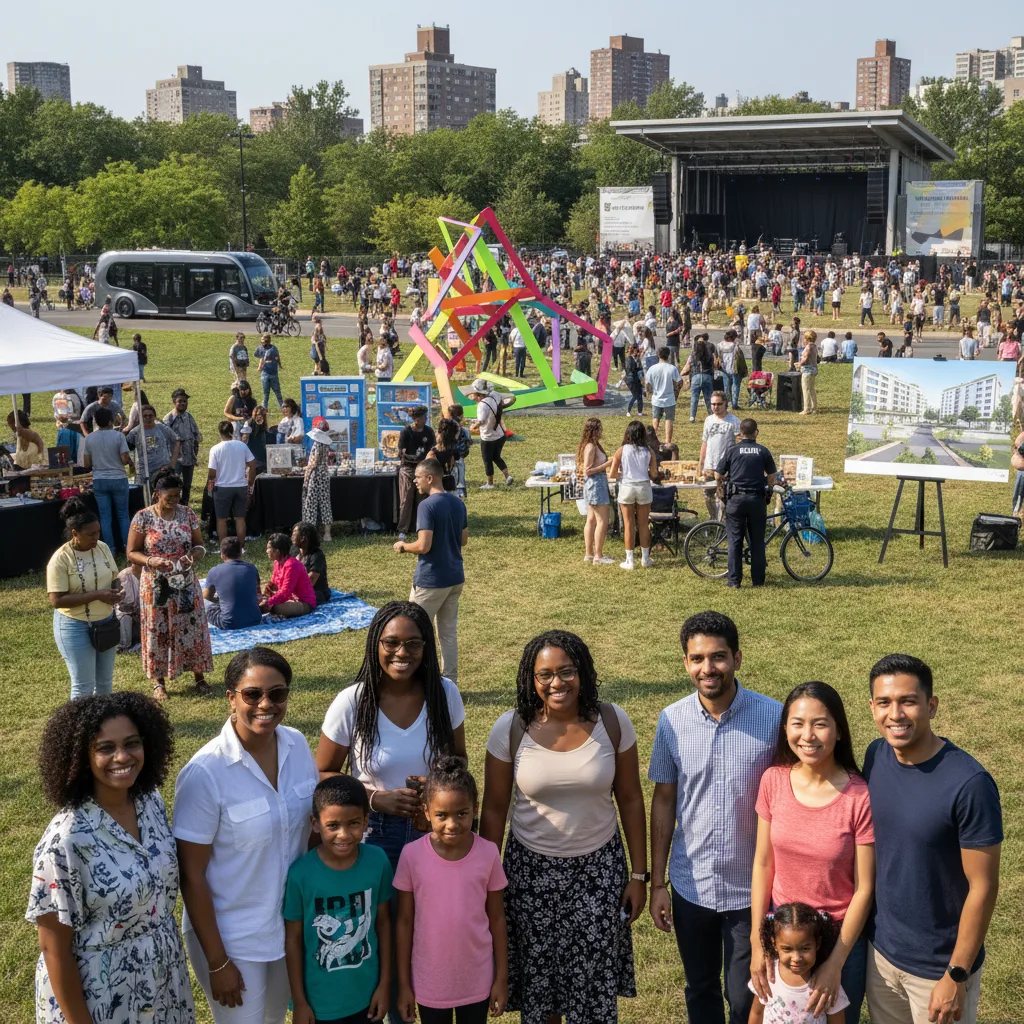
Your Guide to Roy Wilkins Park Events 2026 for South Queens Residents
Discover how to find and enjoy Roy Wilkins Park events 2026. This guide helps South Queens residents access cultural festivals, concerts, and community activities.
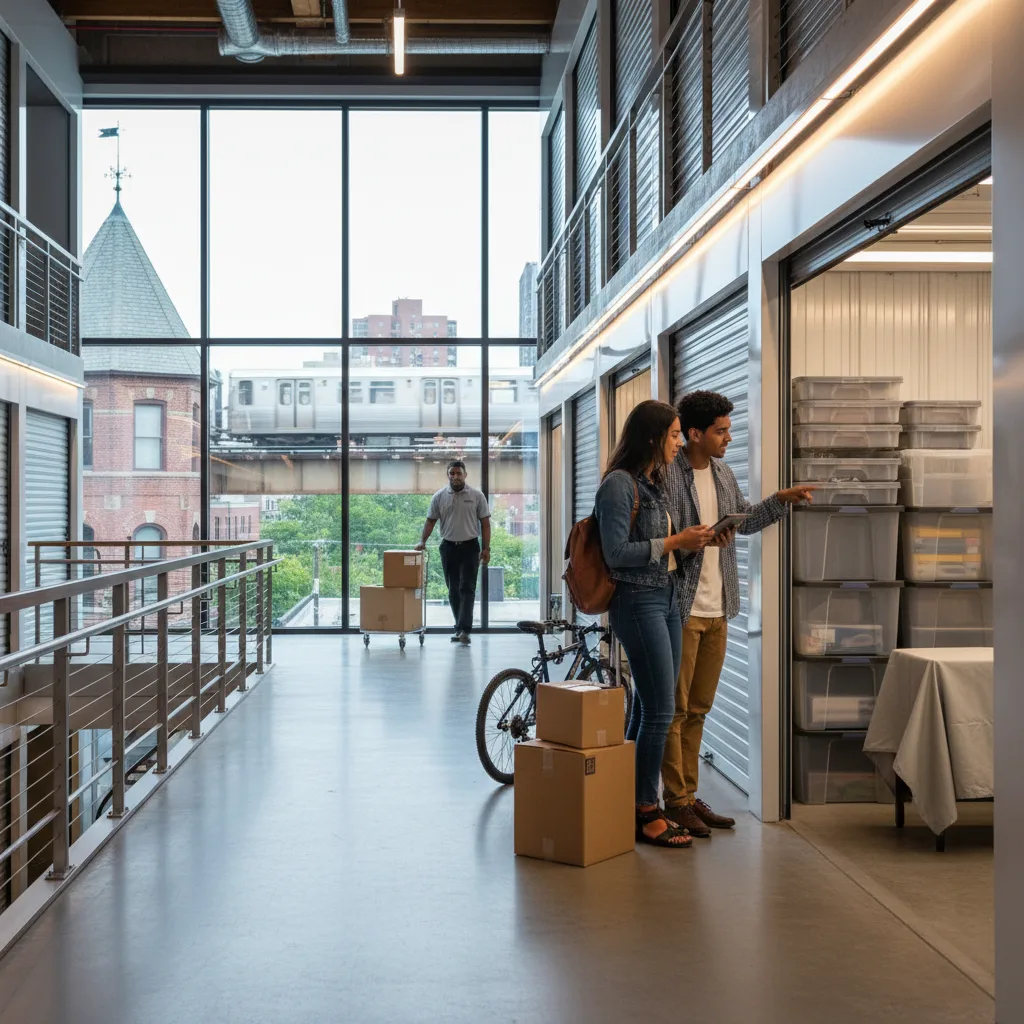
Your Guide to Finding Storage in Ozone Park, Queens: Solutions for Every Need 2026
Find the perfect storage in Ozone Park, Queens, with this guide. Explore unit types, key factors, and tips for securing safe, convenient storage solutions.

Your Guide to Understanding Far Rockaway News Today for Queens Residents 2026
Stay informed on Far Rockaway news today with our guide for Queens residents. Learn where to find reliable updates, key topics, and how to engage with local developments.