


NYC Department of Emergency Management Warns Cross Bay of Severe Storms
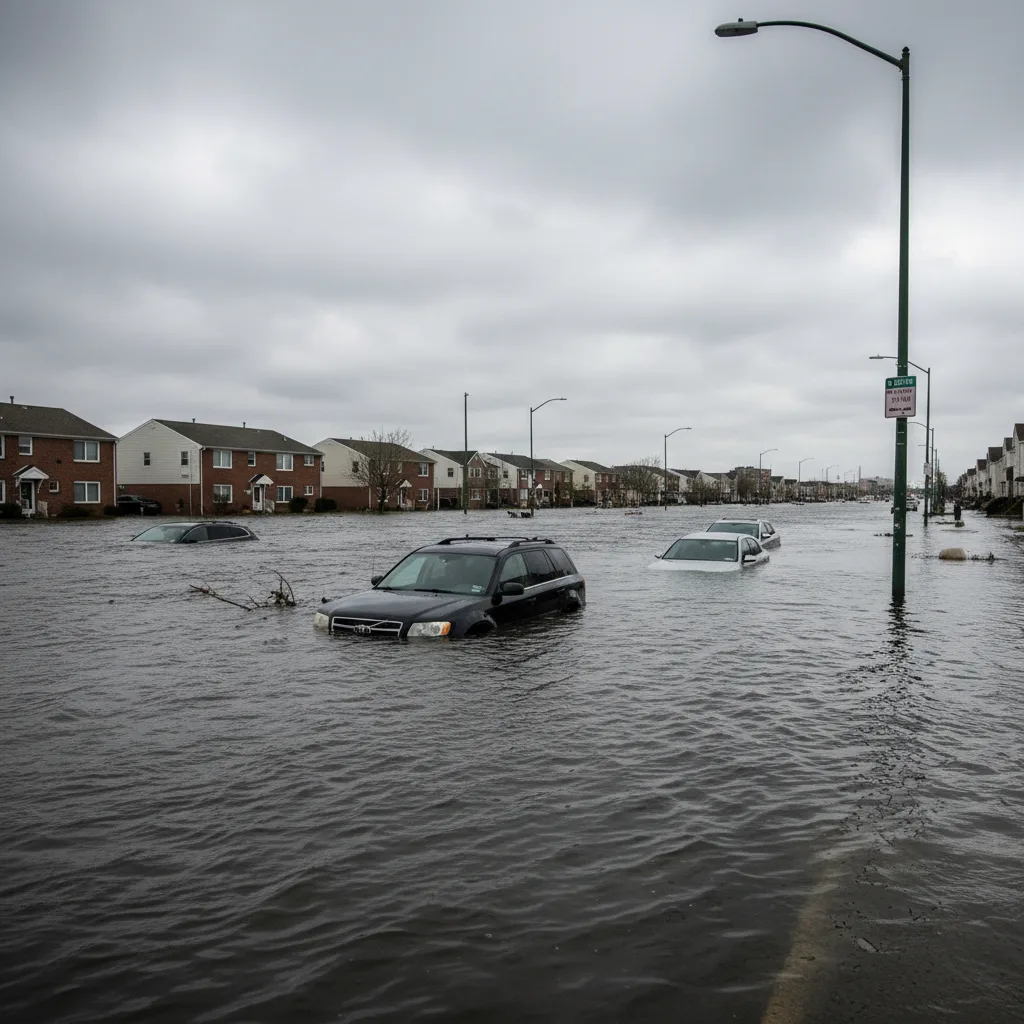
NEW YORK — The New York City Department of Emergency Management (NYCEM) issued a severe weather advisory Thursday night, August 21, 2026, after intense thunderstorms caused widespread flooding, property damage, and significant travel disruptions across all five boroughs. This alert followed reports of flash floods inundating streets and subways, prompting immediate emergency responses across the city.
Widespread Flooding Hits Cross Bay Boulevard and Queens
Cross Bay Boulevard residents, particularly those in low-lying areas of Howard Beach and Ozone Park, experienced significant flooding as heavy rains overwhelmed drainage systems. NY1.com reported numerous instances of submerged vehicles and impassable streets across the city. The storm's rapid onset left many commuters stranded and neighborhoods grappling with unexpected water damage.
Water levels rose quickly in areas known for drainage issues, such as sections along Cross Bay Boulevard near the water. Local businesses found themselves deploying sandbags and temporary barriers to protect storefronts, a common sight during severe weather events in the area. The storm also caused significant power outages, adding to the evening's challenges for many residents.
Transportation Grinds to a Halt Across Queens
The storm severely impacted public transportation, with subway lines experiencing extensive delays and service suspensions due to flooded tracks and stations. Commuters faced prolonged waits and reroutes, further exacerbating the evening rush, as documented by NY1.com. Buses were also affected, struggling to navigate flooded roadways, leading to significant disruption across Queens.
Major roadways, including sections of the Belt Parkway and local streets leading to the Rockaways, became hazardous. Motorists reported navigating through deep standing water, and emergency services responded to calls for stranded vehicles. This gridlock further compounded the travel chaos, impacting essential workers and residents trying to get home.
Emergency Response and Initial Damage Assessments
Emergency crews, including the FDNY and NYPD, were deployed throughout Thursday evening to address calls for help, including pump-outs from flooded basements and rescues from stalled cars. The city’s 311 service experienced a surge in calls reporting water main breaks and fallen tree branches. Initial damage assessments began Friday morning, focusing on critical infrastructure and residential areas.
Local officials urged residents to report damage through official channels to ensure timely response and accurate assessment of the storm's full impact. The Department of Environmental Protection (DEP) is expected to conduct further inspections of the city's drainage infrastructure in the coming days.
Community Resilience in the Face of Severe Weather
Cross Bay Boulevard communities, accustomed to coastal weather challenges, quickly mobilized to assist neighbors. Residents shared real-time updates on local social media groups, warning others about impassable streets and offering help. This community spirit is often a hallmark of how residents respond to adverse weather, a pattern that also emerged during Hurricane Henri's impact on Howard Beach.
Despite the immediate aftermath, there's a collective understanding that such severe weather events are becoming more frequent. The city continues to explore long-term infrastructure improvements to better withstand climate change impacts. These ongoing efforts are critical for the long-term resilience of vulnerable neighborhoods.
Future Preparations and Infrastructure Concerns
The frequency of severe weather events highlights ongoing concerns about the city’s aging infrastructure and its capacity to handle increasing rainfall. City officials have emphasized the need for continued investment in storm drains and flood mitigation projects. Residents are encouraged to prepare emergency kits and stay informed through official city alerts.
The Department of Buildings advised property owners to inspect their roofs and gutters for any damage, and to ensure proper drainage to prevent future flooding. The city also plans to host community workshops on flood preparedness in the coming months, offering practical advice and resources to help residents safeguard their homes and properties.
Frequently Asked Questions
What should residents do if their homes or basements were flooded?
Residents whose homes or basements experienced flooding should immediately contact their insurance providers to report damages and begin the claims process. It is also advised to document the damage with photos or videos and to report significant issues to NYC's 311 service to ensure city agencies are aware and can assist with recovery efforts.
Where can I get real-time updates on future weather alerts in Queens?
For real-time updates on weather alerts and emergency information in Queens, residents should sign up for Notify NYC, the city's official source for emergency notifications. Additionally, local news outlets like NY1.com often provide continuous coverage and detailed forecasts specific to the five boroughs. Staying informed through these official channels is crucial for safety and preparedness.
Written by
Newstrix
Cross Bay News
Related Articles
More in Emergency & Fire →
Howard Beach Residents Endure Severe Flooding from Nor'easter
Howard Beach residents faced severe flooding this week, resorting to kayaks in inundated streets after a powerful nor'easter on October 7, 2026. The storm brought heavy rain, strong winds, and unusually high tides.

Jamaica Pawn Shop Fire Under Investigation After Early Morning Blaze
A fire tore through a pawn shop in Jamaica, Queens, early Monday, October 5, 2026. The blaze prompted a large emergency response and is under investigation, disrupting local traffic.
Nor'easter Flooding Traps Howard Beach Residents in Kayaks
Howard Beach residents used kayaks on flooded streets after a nor'easter; heavy rain and high tides impacted the Cross Bay Boulevard area.

Your Essential Guide to Sandals Jamaica Montego Bay for Queens Travelers
Planning a luxurious escape? Our guide to Sandals Jamaica Montego Bay helps Queens residents plan the perfect all-inclusive, adults-only Caribbean getaway.
Your Guide to Exploring Jamaica Excursions from Montego Bay for Queens Travelers
Discover the best Jamaica excursions from Montego Bay for Queens residents, including top attractions, transportation tips, and what to pack for your adventure.

A Local's Guide to Montego Bay, Jamaica Beach for Your Next Getaway
Planning a tropical escape from Queens? Explore this guide to Montego Bay, Jamaica beach destinations, essential tips, and activities for your 2026 getaway.