


Queens Eyes Further Funding for Cross Bay Resilience Efforts
NEW YORK — With current coastal resilience projects gaining momentum, Queens officials are already strategizing for the next phases of funding to secure Cross Bay Boulevard's long-term protection. An estimated $200 million will be sought for initiatives stretching from the Rockaways to the northern reaches of Jamaica Bay. This significant financial commitment aims to build upon the successes of 2026's accelerated efforts.
Data from the New York City Planning Department indicates that properties along Cross Bay Boulevard face a 25% increased risk of severe flooding by 2050, necessitating continuous investment. This projection underscores the urgency behind proactive fiscal planning. The city's resilience budget has been a key discussion point in recent Community Board 14 meetings.
Securing Multi-Year Federal Commitments
City Council representatives and borough presidents are actively lobbying federal agencies for multi-year funding commitments beyond current allocations. Key targets include the U.S. Army Corps of Engineers and the Department of Housing and Urban Development's (HUD) Community Development Block Grant – Disaster Recovery (CDBG-DR) program. These federal partnerships are crucial for sustained progress.
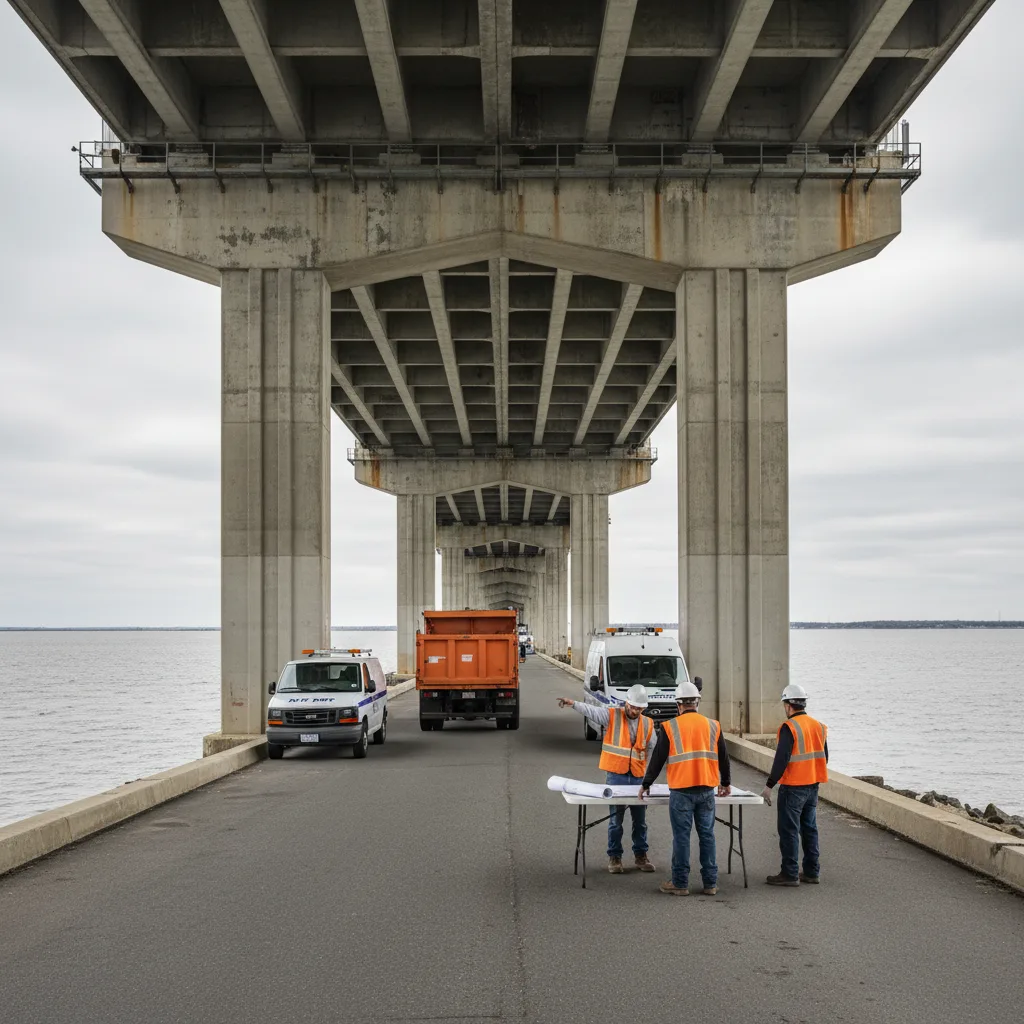
"We cannot afford to treat resilience as a one-time investment; it must be an ongoing commitment," stated Queens Borough President Donovan Richards Jr. at a recent press conference held near the Joseph P. Addabbo Memorial Bridge. He emphasized the need for stable federal partnerships, highlighting that the federal government remains a critical partner in safeguarding communities like Broad Channel.
State-Level Grant Opportunities Explored
Alongside federal pursuits, the city is also exploring various state-level grant opportunities and bond acts for environmental protection. The New York State Department of Environmental Conservation (NYSDEC) offers programs specifically designed for coastal communities. These grants often require matching funds, which the city is prepared to allocate from its capital budget.
New York State Assemblymember Stacey Pheffer Amato has been a vocal advocate for increased state funding for the region. "Our constituents along Cross Bay Boulevard deserve comprehensive protection, and that requires consistent financial backing from Albany," Pheffer Amato told constituents at a town hall meeting in Howard Beach. She outlined several legislative proposals aimed at streamlining grant access for coastal projects.
Private-Public Partnerships and Innovative Financing
Beyond traditional government channels, city planners are investigating innovative financing mechanisms, including public-private partnerships. These models could leverage private sector investment for infrastructure development. Green bonds and environmental impact bonds are also on the table, offering alternative funding streams to expand the scope of resilience work.
Discussions have begun with several large financial institutions and environmental funds interested in supporting sustainable urban infrastructure. While still in preliminary stages, these partnerships could significantly augment the city's capacity to fund large-scale projects. They could also introduce specialized expertise in green infrastructure design and implementation.
Long-Term Community Planning and Benefits
The future phases of resilience work are not solely focused on physical infrastructure but also on community preparedness and economic revitalization. Planned initiatives include educational programs for residents on flood safety and emergency response. Small business grants for climate adaptation are also being considered for establishments along Cross Bay Boulevard.
"The goal is to create a more resilient ecosystem, both environmentally and economically, for everyone living and working in these areas," explained Dr. Rodriguez from NYCDEP, whose agency is overseeing the long-term planning. The comprehensive approach aims to ensure that resilience efforts benefit the community holistically. Residents can learn more about current progress by reading our article on Cross Bay Boulevard Sees Accelerated Coastal Resilience Projects.
Projected Project Timeline and Challenges
City officials project that securing the next round of significant funding could take 18 to 24 months, with construction on subsequent phases potentially commencing in late 2028. This extended timeline presents challenges, particularly given the ongoing threats posed by climate change. Maintaining public engagement and political will over this period is critical.
One anticipated hurdle involves land acquisition for certain nature-based solutions, which may require negotiations with private landowners. Ensuring equitable solutions that respect property rights while furthering public safety remains a delicate balance. City lawyers are already preparing for these complex discussions, aiming for fair and swift resolutions.
Frequently Asked Questions on Future Resilience Funding
What are the primary sources of future funding being targeted? Future funding efforts are primarily focused on securing multi-year commitments from federal programs, such as those administered by the U.S. Army Corps of Engineers and HUD. Additionally, state-level environmental grants and bond acts are being pursued to supplement federal contributions. Innovative financing through public-private partnerships is also under active consideration by city planners.
How will future resilience projects impact local residents and businesses? Beyond physical flood protection, future projects aim to enhance community preparedness through educational programs and offer economic support via small business climate adaptation grants. The goal is to foster a more resilient local economy and improve the quality of life for residents along Cross Bay Boulevard. Disruptions during construction will be managed with community input.
What is the projected timeline for the next phases of resilience construction? Officials anticipate that securing the necessary funding for the next major phases could take up to two years, with construction potentially beginning in late 2028. This timeline is subject to legislative approvals and the successful acquisition of various grants and financial commitments. Regular public updates will be provided as planning progresses.
Written by
Newstrix
Cross Bay News
Related Articles
More in Development & Infrastructure →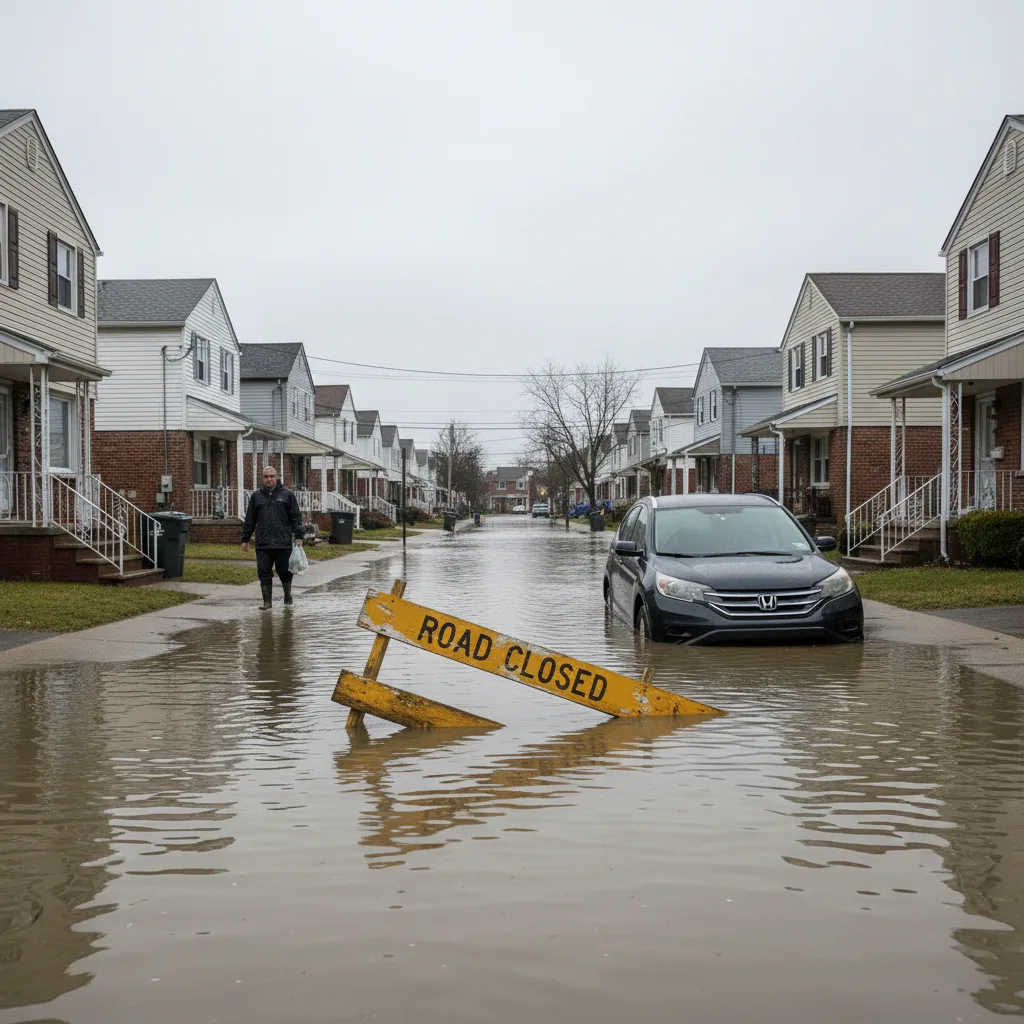
CM Ariola Urges Major Infrastructure Overhaul After Queens Floods
CM Ariola calls for major infrastructure overhaul in south Queens after weekend storm wreaks havoc. Residents face continued coastal flooding threats.
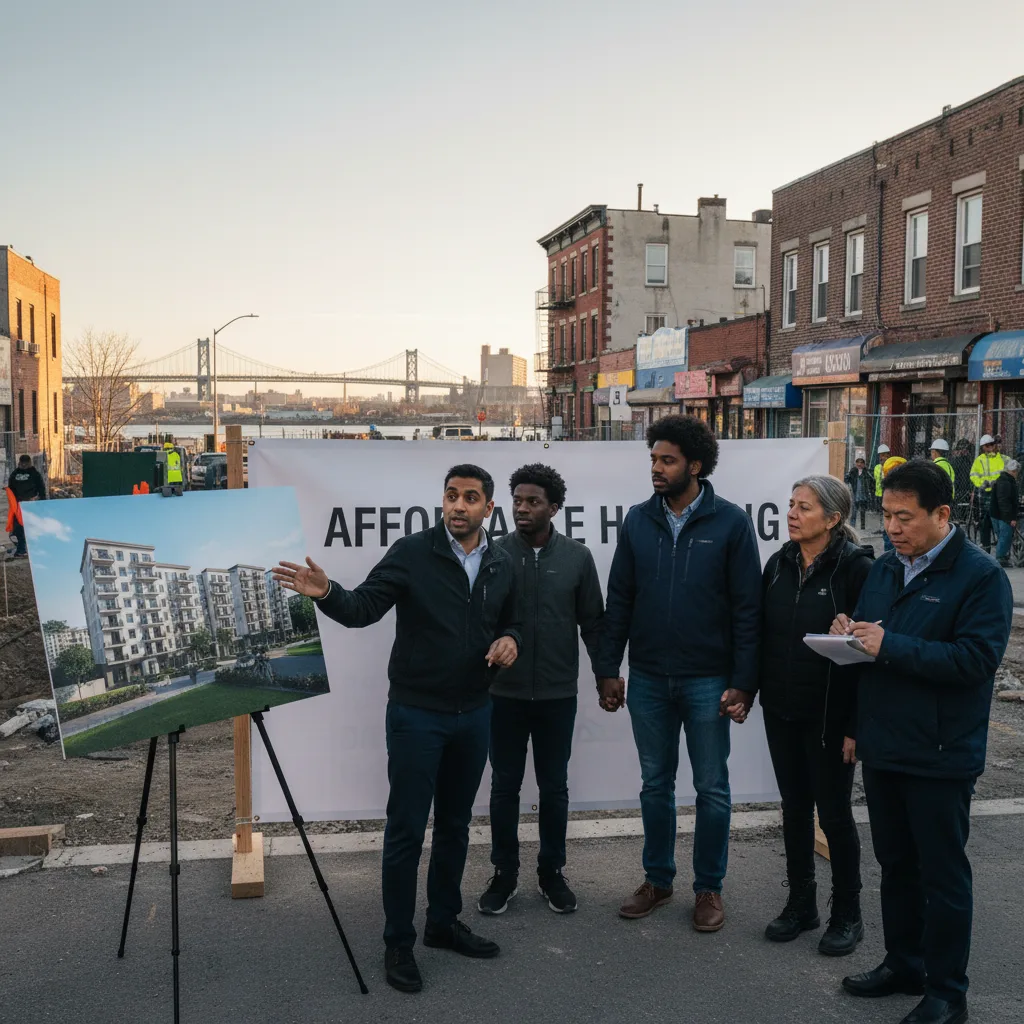
Mamdani Fast-Tracks 12 Districts for Affordable Housing, 5 in Queens
Council Member Mamdani fast-tracked 12 districts, including five in Queens, for affordable housing to address the ongoing crisis. This initiative impacts local neighborhoods like Howard Beach and Ozone Park, prompting calls for infrastructure upgrades to support growth.
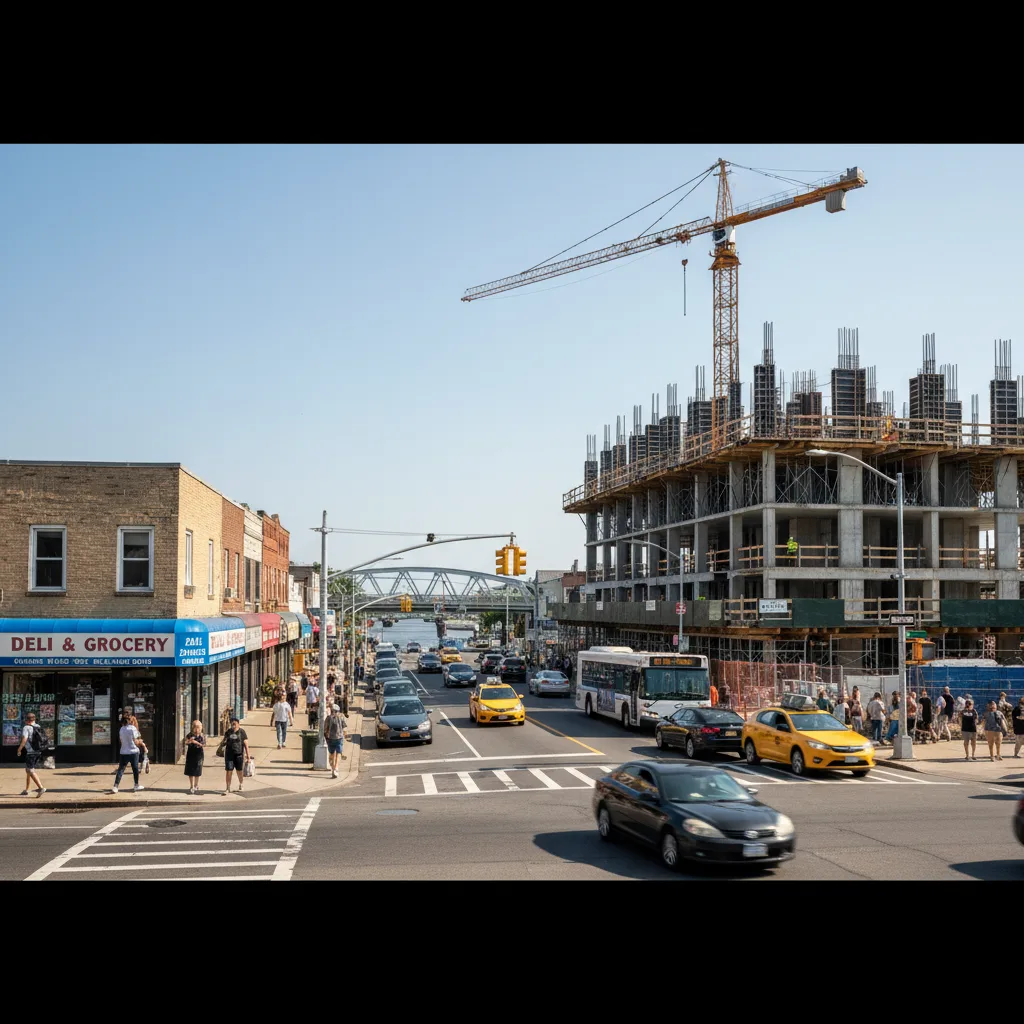
City Hall Accelerates Housing Development in Howard Beach, South Ozone Park
City Hall is fast-tracking housing development in Queens' Howard Beach and South Ozone Park to address affordability, affecting Cross Bay Boulevard communities.
Howard Beach Community Meetings Address Flooding and Infrastructure 2026
Howard Beach community meetings on October 2, 2026, addressed local flooding and ongoing infrastructure issues relevant to South Queens. Residents seek solutions for these pressing concerns.
NYC DOT Approves Permit for Cross Bay Boulevard Bridge Repairs 2026
NYC DOT approved permits for Cross Bay Boulevard bridge repairs on October 3, 2026, addressing vital infrastructure needs in South Queens. Residents face traffic impacts; stay informed for commute changes.
City Hall Targets Queens Board 10 for Fast-Tracked Housing Development
City Hall fast-tracks housing development in Queens' Community Board 10, including South Ozone Park and Howard Beach, to boost affordable options.