


Iran Rejects U.S. Peace Negotiation Offer Over Strait of Hormuz
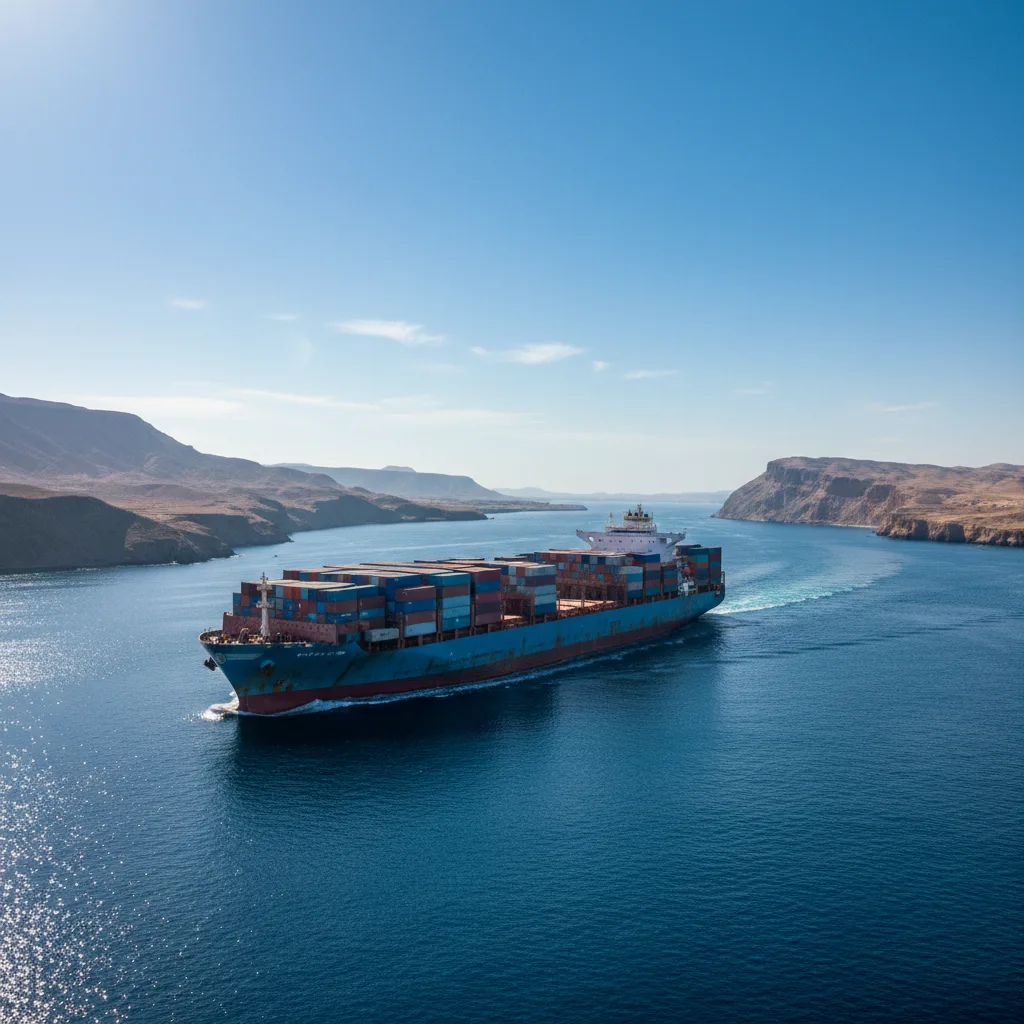
NEW YORK — Iran’s security chief said the U.S. response failed to meet conditions for restarting peace negotiations, including demands involving the Strait of Hormuz, according to SBS News. The dispute is drawing international attention due to the threat of prolonged tensions around the strategically vital shipping route.
Iran Cites Insufficient U.S. Response for Peace Talks
Iran's security chief announced that the latest U.S. response to their demands did not meet the necessary conditions to resume peace negotiations. This statement indicates a continued stalemate in diplomatic efforts between the two nations, prolonging a period of heightened tensions. Key sticking points reportedly involve Iran's demands concerning the Strait of Hormuz, a critical waterway for global oil shipments.
The rejection underscores the complex nature of the negotiations and the deep-seated mistrust that persists. Both sides have laid out specific preconditions for returning to the negotiating table, and Iran's current stance suggests a significant gap remains. The international community is closely watching developments, recognizing the potential for broader regional instability.
Strait of Hormuz at Center of Dispute
The Strait of Hormuz, a narrow sea lane connecting the Persian Gulf to the open ocean, remains a central flashpoint in the ongoing dispute. Iran has consistently asserted its sovereignty and interests in the strait, which is crucial for global energy markets. Demands related to its usage, security, and Iran's role in the region are paramount for Tehran in any peace talks.
International concern stems from the strait's strategic importance; disruptions there could severely impact global oil supplies and prices. The unresolved issues around this waterway continue to fuel anxieties about maritime security and potential military confrontations. Both sides' posturing regarding the strait highlights its geopolitical significance.
International Attention on Prolonged Tensions
The prolonged stalemate and the focus on the Strait of Hormuz are drawing significant international attention. World powers are keen to de-escalate tensions and find a diplomatic resolution to avoid any actions that could jeopardize global trade or regional stability. Various international bodies and mediators have been involved in attempts to bridge the divide.
The implications extend beyond the immediate region, affecting global economic forecasts and international relations. The inability to restart negotiations suggests a difficult path forward, requiring sustained diplomatic efforts from all parties involved. The situation remains fluid, with potential for escalation or de-escalation depending on future actions.
No Verified Local Reaction from Cross Bay Boulevard
No verified reporting has emerged detailing specific reactions from Cross Bay News or Queens residents along Cross Bay Boulevard regarding Iran's rejection of U.S. peace negotiation terms. While international events can have ripple effects, direct local commentary, community discussions, or business impacts in Queens related to this specific geopolitical development have not been documented. Local news typically focuses on immediate community concerns.
Without specific reporting, any claims about local conversations, businesses discussing implications, or community board responses to the Iran-U.S. negotiations would be speculative. Cross Bay Boulevard communities tend to prioritize local governance, infrastructure, public safety, and economic developments that directly affect their daily lives. The primary focus of local coverage remains within the Queens borough.
Historical Context of Iran-U.S. Relations
The current stalemate is rooted in a long and complex history of strained relations between Iran and the United States. Decades of geopolitical maneuvering, sanctions, and differing regional ambitions have created deep divisions. Past attempts at negotiation have often faced similar hurdles, with each side demanding concessions before fully committing to dialogue.
Understanding this historical context is crucial for interpreting the current impasse. The Strait of Hormuz has been a flashpoint on multiple occasions, underscoring its enduring significance in the relationship. Any future progress will likely require addressing these historical grievances and finding common ground on key security and economic interests.
Frequently Asked Questions
What are Iran's primary demands regarding the Strait of Hormuz in negotiations?
Iran's primary demands regarding the Strait of Hormuz typically involve ensuring its security, recognizing Iran's sovereign rights, and potentially seeking guarantees against foreign military presence or interference in the waterway. These demands aim to protect its national interests and regional influence.
How does the Strait of Hormuz impact global oil markets?
The Strait of Hormuz is a crucial chokepoint for global oil transit, with a significant portion of the world's seaborne oil passing through it daily. Any disruption or threat to shipping in the strait can cause oil prices to spike and create significant instability in international energy markets.
What role do international mediators play in de-escalating tensions between the U.S. and Iran?
International mediators, such as the UN, European Union, or individual countries, often play a crucial role in facilitating communication, proposing frameworks for negotiation, and offering diplomatic channels to de-escalate tensions between the U.S. and Iran. Their efforts aim to find common ground and avoid conflict.
Written by
Cross Bay News Staff
Cross Bay News
Related Articles
More in National & World →
Bomb Threats Target European Airports and Flights, Prompting Evacuations
Bomb threats hit flights, airports, and broadcasters in five European countries on November 7, 2026, causing evacuations and disruptions, and raising global concern.
Kyiv Missile Strikes Injure Five, Disrupt Bridge Traffic and Utilities
Missile strikes hit Kyiv on November 6, 2026, injuring five and disrupting vital services, just days before Ukraine's peace talks. Global concern rises.
Queens Deed Theft Law Sees First Conviction
The Queens news archive for November 2026 highlights the first conviction under the state's deed theft law, marking a significant milestone in combating property fraud.

Howard Beach Residents Endure Historic Winter Storm Impacts
Howard Beach residents faced significant local challenges due to a historic winter storm across New York, bringing substantial snowfall and hazardous conditions.
Queens District Attorney Katz Discusses Homicides, Guns, and Scooters
Queens District Attorney Melinda Katz discussed homicides, guns, and scooters at a Community Board 10 meeting in Howard Beach.

DA Katz Urges Aggressive Scooter Enforcement in Howard Beach
Queens District Attorney Melinda Katz urged aggressive enforcement against illegal scooters and mopeds during a November 5 appearance before Community Board 10 in Howard Beach.