


Queens Leaders Address Youth Violence Amid Global Protests on Stabbing Death

NEW YORK — The recent surge of youth violence and subsequent public unrest observed in global headlines, such as the UK government's condemnation of protest violence related to a teen's stabbing death, resonates deeply within Queens communities. While geographically distant, the underlying concerns about youth safety, policing, and community cohesion are profoundly local.
Leaders in neighborhoods along Cross Bay Boulevard, spanning from Howard Beach to Ozone Park, are actively reassessing and reinforcing local programs designed to curb youth violence. They recognize that proactive measures are crucial to prevent similar tragic events and maintain community peace.
Local Impact of Youth Violence Concerns
The specter of youth violence, though manifesting differently, remains a consistent concern for families and educators across Queens. Schools and community centers in the Cross Bay area, including those near Spring Creek Park, grapple with challenges like gang recruitment and inter-group conflicts among teenagers.
Deputy Inspector Kevin Chung, commanding officer of the NYPD 106th Precinct, which covers much of the Cross Bay Boulevard corridor, emphasized the importance of community partnerships. "Our focus is always on prevention and early intervention," Chung told a gathering at the Lindenwood Community Center last week. "We are committed to engaging our youth and building trust, not just reacting to incidents."
In 2025, the 106th Precinct recorded a 12% increase in misdemeanor assaults involving individuals under 18 compared to the previous year. This data, presented at a recent Community Board 10 meeting, highlights the ongoing need for targeted interventions.
Community Programs Offer Pathways to Opportunity
Several local organizations are working to provide constructive alternatives for young people. The Cross Bay Youth Development Center, located just off Cross Bay Boulevard near 157th Avenue, offers after-school programs, mentorship, and vocational training for over 300 teenagers annually.
Director Angela Messina highlighted the center's success in reducing truancy and minor offenses among its participants. "We see every young person as having immense potential," Messina explained. "By offering them skills, support, and a sense of belonging, we can steer them away from negative influences and toward positive futures."
Funding for these vital programs often comes from a mix of city grants and local donations. In 2026, the City Council allocated an additional $1.5 million to youth engagement initiatives across Queens, a direct response to community advocacy and emerging data on youth challenges.
Policing Strategies and Community Trust
The balance between maintaining public order and fostering community trust is a delicate one, often amplified during moments of social unrest, even those occurring abroad. In Queens, the NYPD has been implementing various community policing strategies to strengthen relationships with residents, particularly young people.
Officers are frequently seen at local events, school functions, and participating in youth sports leagues, initiatives aimed at breaking down barriers. Sergeant David Morales, head of the 106th Precinct's Community Affairs Unit, confirmed that their approach prioritizes engagement over enforcement where appropriate.
These efforts are critical in a diverse borough like Queens, where perceptions of law enforcement can vary widely. The aim is to ensure that residents feel protected and heard, preventing the escalation of grievances into larger confrontations.
Addressing the Root Causes of Youth Discontent
Local leaders acknowledge that addressing youth violence requires more than just policing and after-school programs. It involves tackling systemic issues such as poverty, lack of educational opportunities, and mental health challenges.
Queens Borough President Donovan Richards Jr.'s office has initiated a task force to explore these root causes, bringing together educators, social workers, and community activists. Their preliminary report, expected in late 2026, will outline policy recommendations for long-term solutions.
Cross Bay Boulevard residents, particularly those who have witnessed the positive impact of local interventions, remain hopeful. They continue to advocate for sustained investment in youth services, seeing it as an investment in the future well-being of their entire community. For a broader perspective on global responses to youth-related protests, see ABC News international reporting.
Frequently Asked Questions About Youth Violence in Cross Bay Communities
What are the primary factors contributing to youth violence concerns in the Cross Bay area? Factors include socioeconomic disparities, limited access to quality educational resources for some, and the influence of negative peer groups. While specific to the local context, these mirror broader urban challenges seen globally.
How is the NYPD engaging with young people in these neighborhoods? The NYPD's 106th Precinct is focusing on community policing, involving officers in local sports, school mentorship programs, and community events. This strategy aims to build trust and prevent conflicts before they escalate.
Are there specific programs for at-risk youth along Cross Bay Boulevard? Yes, organizations like the Cross Bay Youth Development Center offer critical after-school programs, vocational training, and mentorship. These initiatives provide safe spaces and positive opportunities for hundreds of local teenagers.
What role do local leaders play in addressing these issues? Local elected officials, civic associations, and community board members advocate for increased funding for youth services and support systemic changes. They also help facilitate communication between residents, law enforcement, and service providers.
How can residents support efforts to reduce youth violence? Residents can volunteer with local youth programs, mentor young people, or participate in community meetings to voice concerns and support. Financial contributions to local non-profits working with youth are also invaluable.
Written by
Newstrix
Cross Bay News
Related Articles
More in Development & Infrastructure →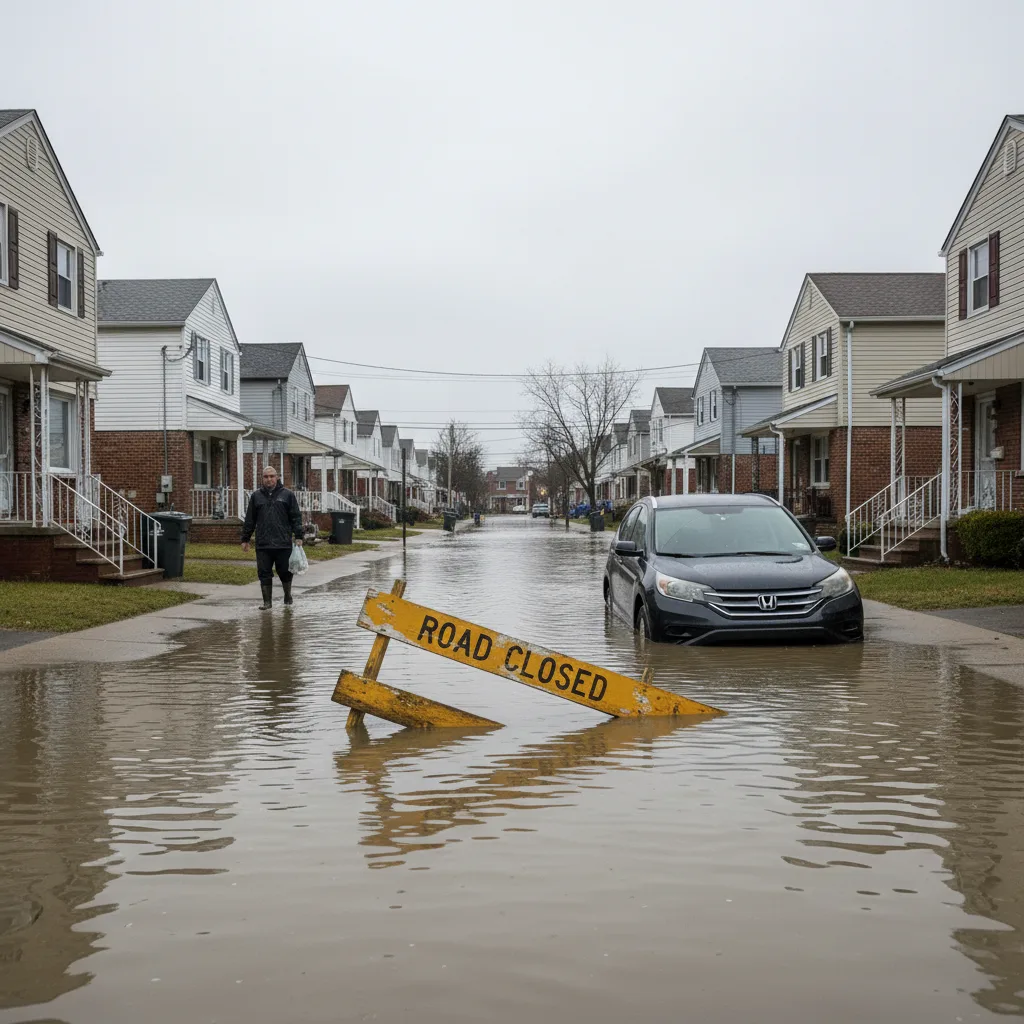
CM Ariola Urges Major Infrastructure Overhaul After Queens Floods
CM Ariola calls for major infrastructure overhaul in south Queens after weekend storm wreaks havoc. Residents face continued coastal flooding threats.
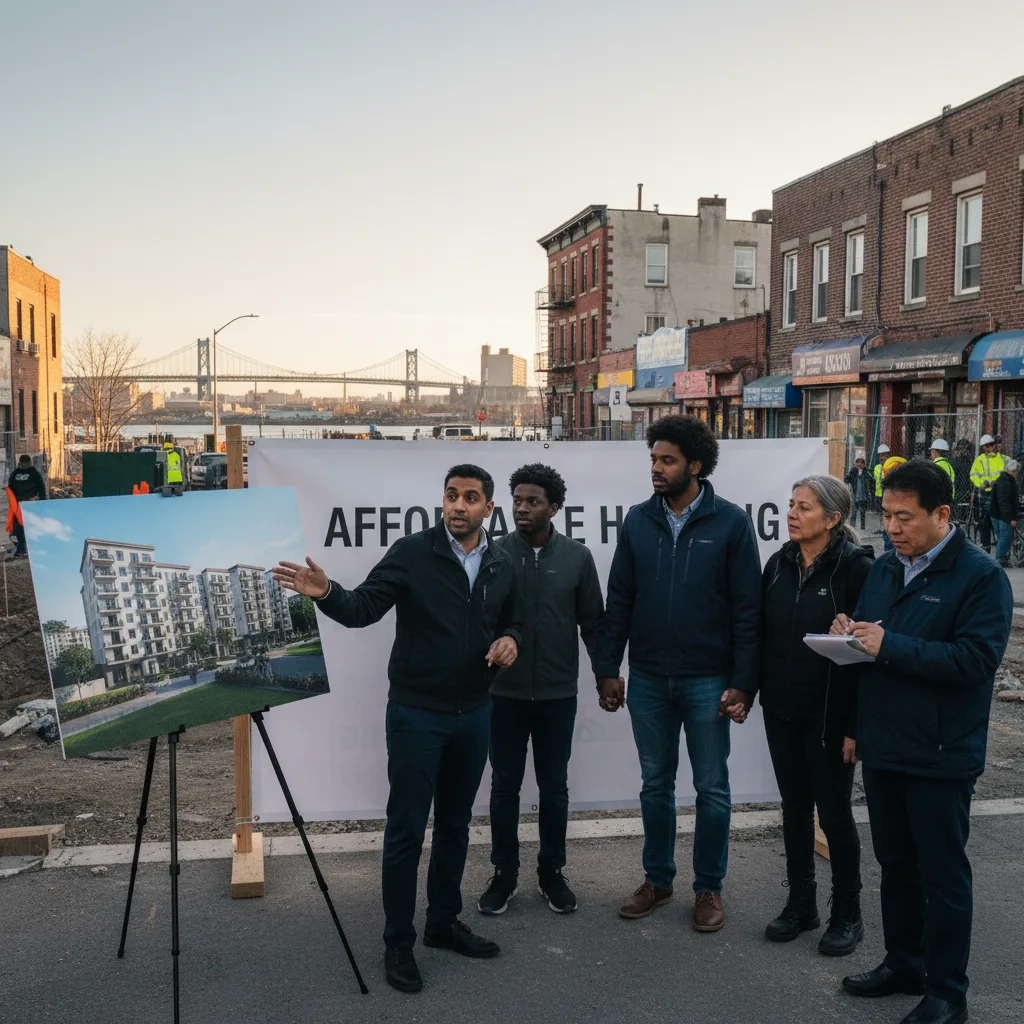
Mamdani Fast-Tracks 12 Districts for Affordable Housing, 5 in Queens
Council Member Mamdani fast-tracked 12 districts, including five in Queens, for affordable housing to address the ongoing crisis. This initiative impacts local neighborhoods like Howard Beach and Ozone Park, prompting calls for infrastructure upgrades to support growth.
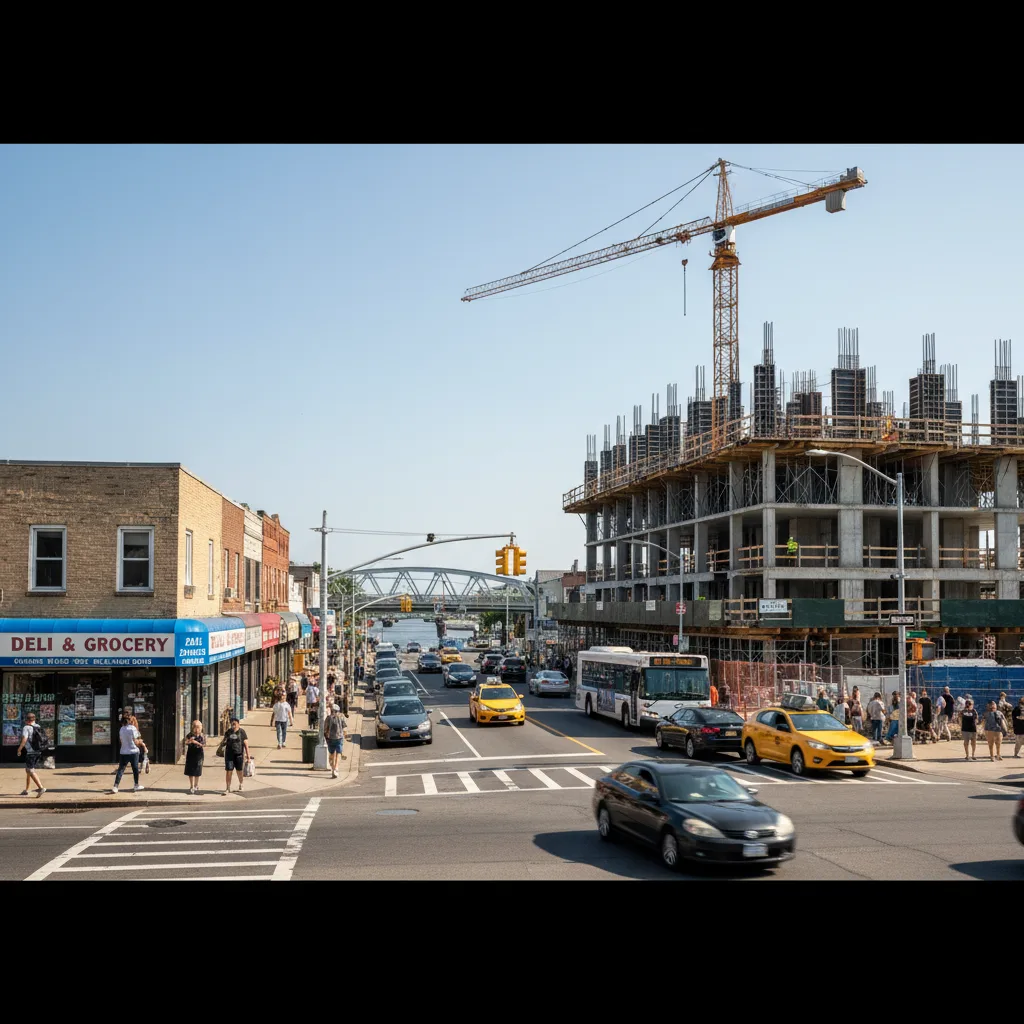
City Hall Accelerates Housing Development in Howard Beach, South Ozone Park
City Hall is fast-tracking housing development in Queens' Howard Beach and South Ozone Park to address affordability, affecting Cross Bay Boulevard communities.
Howard Beach Community Meetings Address Flooding and Infrastructure 2026
Howard Beach community meetings on October 2, 2026, addressed local flooding and ongoing infrastructure issues relevant to South Queens. Residents seek solutions for these pressing concerns.
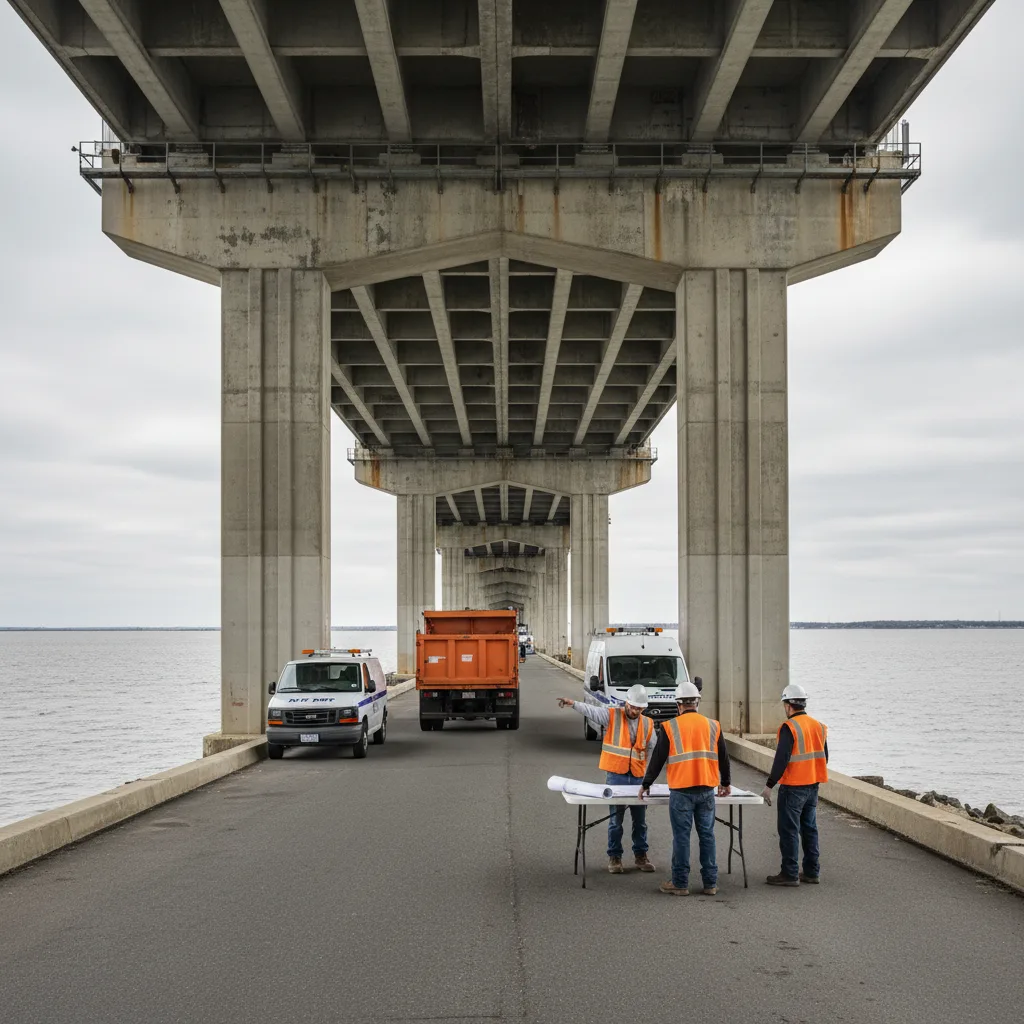
NYC DOT Approves Permit for Cross Bay Boulevard Bridge Repairs 2026
NYC DOT approved permits for Cross Bay Boulevard bridge repairs on October 3, 2026, addressing vital infrastructure needs in South Queens. Residents face traffic impacts; stay informed for commute changes.
City Hall Targets Queens Board 10 for Fast-Tracked Housing Development
City Hall fast-tracks housing development in Queens' Community Board 10, including South Ozone Park and Howard Beach, to boost affordable options.