


Queens Midtown Tunnel Explained: Your Guide to Navigating the NYC Passage 2026
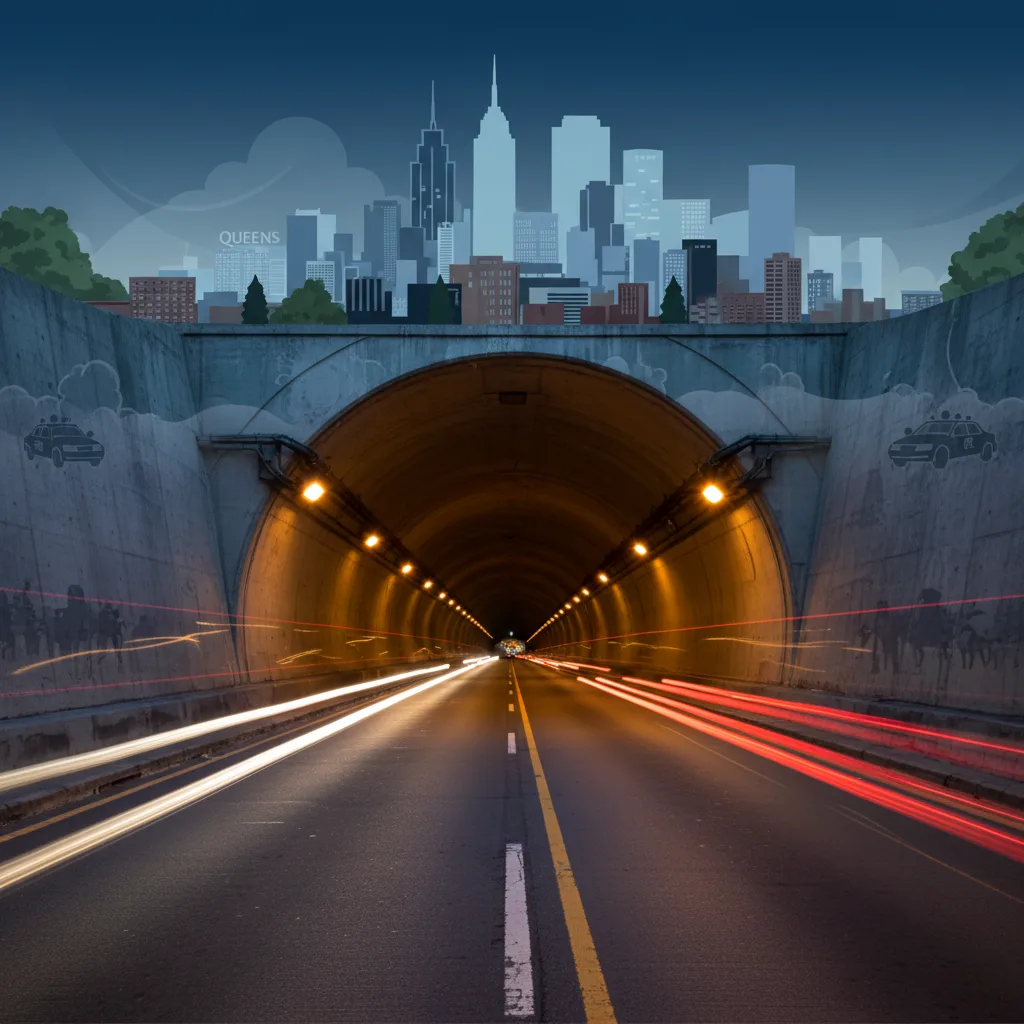
Navigating the Queens Midtown Tunnel is a frequent journey for many New Yorkers, connecting Midtown Manhattan to Long Island City in Queens. This comprehensive guide provides essential information for drivers, commuters, and visitors using this vital cross-borough artery, covering everything from tolls and access to historical context and future developments as of 2026.
Understanding the Queens Midtown Tunnel: A Historical Overview
The Queens Midtown Tunnel, officially the Hugh L. Carey Tunnel, plays a crucial role in connecting Manhattan's East Side with Queens and points east on Long Island. Opened in 1940, it was an engineering marvel of its time, designed to alleviate congestion on the bridges and provide a direct route under the East River. Today, it remains a heavily trafficked passage, essential for commerce and commuting, serving areas like Ozone Park, Howard Beach, Broad Channel, and the Rockaways as they access Manhattan. Understanding its history helps appreciate its current significance in the city's infrastructure.
The Cross Bay News Friday Briefing
Local events, schools and neighborhood news in one Friday email. Free; unsubscribe in one click.
Sent every Friday. By subscribing, you agree to our Terms of Use and Privacy Policy.
Access Points and Exits for the Queens Midtown Tunnel
Knowing the best access points and exits can significantly reduce travel time and stress. On the Manhattan side, the tunnel entrances are located on East 34th Street and East 40th Street, between First and Second Avenues. Exiting Manhattan, drivers typically emerge on the Long Island Expressway (I-495) in Long Island City, Queens, providing direct access to various neighborhoods including those in Southeast Queens. For those heading into Manhattan from Queens, the primary entrance is on I-495 in Long Island City, with exits leading to East 34th, East 35th, and East 40th Streets in Manhattan. Familiarity with these routes is key to efficient travel through the Queens Midtown Tunnel.
Navigating Tolls and Payment Options for the Queens Midtown Tunnel 2026
As of 2026, the Queens Midtown Tunnel, like other MTA-operated crossings, is entirely cashless. This means there are no toll booths to stop at, and payment is processed electronically. Drivers have several options for paying tolls:
- E-ZPass: The most convenient and cost-effective method. Vehicles with an E-ZPass tag benefit from lower toll rates compared to other payment options. E-ZPass accounts can be managed online, allowing for automatic replenishment and detailed transaction histories. New Yorkers from areas like Ozone Park and Howard Beach often utilize E-ZPass for daily commutes.
- Tolls by Mail: For vehicles without an E-ZPass, sensors capture the license plate information, and a bill is mailed to the registered owner. This method incurs a higher toll rate than E-ZPass. It's crucial to ensure your vehicle registration information is up-to-date to avoid delays or penalties.
Understanding these options helps ensure a smooth passage and avoids unexpected fees. Detailed information on current toll rates and E-ZPass registration can always be found on the official MTA website. Our guide to the bridge's resident discount has more detail.
Traffic Patterns and Peak Hours for Commuters
The Queens Midtown Tunnel experiences significant traffic fluctuations, particularly during peak commuting hours. Morning rush hour typically runs from 6:00 AM to 10:00 AM, with eastbound traffic into Manhattan being heaviest. Evening rush hour, from 3:00 PM to 7:00 PM, sees heavy westbound traffic exiting Manhattan. Weekends and holidays can also bring increased traffic, especially during popular travel times. To mitigate delays, commuters from neighborhoods such as Broad Channel and the Rockaways often consult real-time traffic apps or the MTA's service updates before beginning their journey. Planning your travel outside these peak periods can significantly reduce your commute time. While there can be unforeseen delays, checking the MTA's latest advisories is always recommended to prepare for your trip.
Safety and Regulations within the Queens Midtown Tunnel
Safety is paramount when traveling through any major tunnel, and the Queens Midtown Tunnel is no exception. Several regulations are in place to ensure the safety of all motorists:
- Speed Limit: Adhere strictly to the posted speed limit, which is typically 35 mph inside the tunnel.
- Lane Discipline: Maintain proper lane discipline and avoid unnecessary lane changes.
- Emergency Procedures: Be aware of emergency exits and instructions in case of an incident. In the event of a breakdown, pull over to the right as much as possible and turn on your hazard lights. Emergency services are regularly monitored within the tunnel.
- Prohibited Items: Certain hazardous materials, propane tanks, and over-height vehicles are prohibited. Always check MTA regulations if you are transporting unusual cargo. Understanding these rules contributes to a safer environment for everyone using the Queens Midtown Tunnel. For community updates relevant to safe transit, such as new initiatives, local residents often refer to community-focused publications, with recent examples discussing topics like a grand jury indictment for a South Ozone Park stabbing, which underscore local safety concerns that sometimes tie into larger transportation issues.
Future Developments and Maintenance of the Queens Midtown Tunnel
The MTA continually invests in the maintenance and modernization of its infrastructure, including the Queens Midtown Tunnel. These efforts ensure its structural integrity and operational efficiency for decades to come. Projects may include upgrades to ventilation systems, lighting, fire suppression, and communication technologies. While these ongoing projects are vital, they can sometimes lead to temporary lane closures or detours. Commuters from South Queens should stay informed about planned maintenance schedules through MTA announcements and traffic alerts, particularly as the city continues to evaluate and improve its transportation networks, akin to discussions around BESS facilities and their impact on local infrastructure.
Sources
Compiled by the Cross Bay News Desk from the references listed below with AI assistance. Check the official sources for current details.
- [Official] MTA Bridges and Tunnels
- [Official] New York City Department of Transportation
- [Reference] The New York Times
Frequently Asked Questions
How do I pay tolls at the Queens Midtown Tunnel in 2026?
In 2026, tolls at the Queens Midtown Tunnel are entirely cashless. You can pay using E-ZPass for discounted rates, or through Tolls by Mail, where a bill is sent to the registered owner of the vehicle based on license plate recognition. E-ZPass is the most recommended option for convenience and cost savings.
What are the peak traffic hours for the Queens Midtown Tunnel?
Peak traffic hours for the Queens Midtown Tunnel typically occur during morning commutes (6:00 AM to 10:00 AM, eastbound into Manhattan) and evening commutes (3:00 PM to 7:00 PM, westbound exiting Manhattan). Weekends and holidays can also have increased traffic. Checking real-time traffic updates is always advisable.
Are there any restrictions for vehicles using the Queens Midtown Tunnel?
Yes, there are restrictions. Vehicles carrying hazardous materials, propane tanks, or those exceeding height limits are generally prohibited. All vehicles must adhere to posted speed limits and lane discipline. Always consult the official MTA guidelines for specific regulations regarding vehicle types and cargo to ensure compliance.
What are the main access points to the Queens Midtown Tunnel from Queens?
From Queens, the primary entrance to the Queens Midtown Tunnel is located on the Long Island Expressway (I-495) in Long Island City. This entrance provides direct access for drivers heading into Midtown Manhattan. Exiting the tunnel in Queens leads directly onto the Long Island Expressway, connecting to various parts of Long Island and Queens neighborhoods.
Written by
Cross Bay News Staff
Cross Bay News
The Cross Bay News Friday Briefing
Local events, schools and neighborhood news in one Friday email. Free; unsubscribe in one click.
Sent every Friday. By subscribing, you agree to our Terms of Use and Privacy Policy.
Related Articles
More in Community →
Southeast Queens Groups Urge Hochul to Halt BESS Facilities
Southeast Queens community groups and advocates formally appealed to Governor Kathy Hochul on November 23, 2026, requesting a pause on Battery Energy Storage System facility developments.
Maspeth Community to Host Meeting on Planned Homeless Shelter
NEW YORK: City Council Member Phil Wong (D-Maspeth) announced Thursday, November 19, 2026, that a community input meeting is in the works for a controversial…
Queens Grand Jury Indicts Man for South Ozone Park Stabbing
NEW YORK: A Queens grand jury indicted Rashaun Donovan, 48, of South Jamaica, on charges including second-degree attempted murder on November 18, 2026,…
Resorts World NYC Unveils Winter Lights and Wonder Celebration
NEW YORK: Resorts World New York City (RWNYC) announced its Winter Lights and Wonder holiday celebration would begin November 16, 2026, ushering in the festive…
Cross Bay Boulevard Brightens for Southern Queens Winter Fun
NEW YORK — Flōr de Fred reported this week that decorated sections of Cross Bay Boulevard offer a premier destination for free winter activities in Southern…

Queens Families Recall Beloved Crossbay Amusement Park
NEW YORK — Hot Report Wire highlighted November 17, 2026, Queens families' fond memories of local theme parks that closed decades ago, including the notable…