


Former Kosovo President Thaçi Sentenced to 25 Years, Queens Reacts
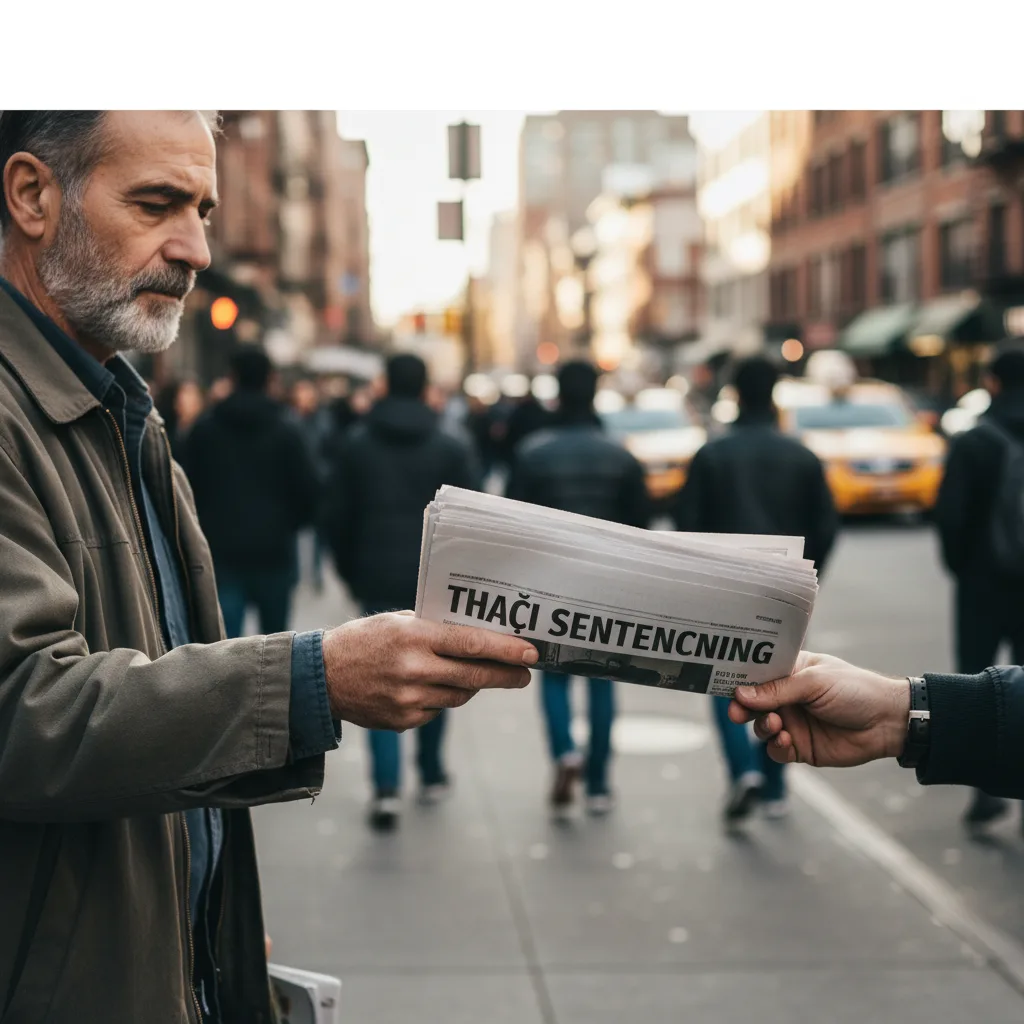
NEW YORK — Former Kosovo president Hashim Thaçi received a 25-year prison sentence today from an international court in The Hague, according to the BBC. The ruling represents one of Europe's most significant postwar accountability cases, drawing close scrutiny from the Balkans and international legal observers. Among Queens residents with Balkan ties, the reaction to the news is notably split.
Thaçi Sentencing Concludes Landmark War Crimes Trial
The verdict against Hashim Thaçi, a pivotal figure in Kosovo's independence movement, marks the culmination of a protracted legal process. The international court found him guilty of war crimes and crimes against humanity, stemming from his leadership during and after the 1998-99 Kosovo war. This judgment is seen as a powerful statement on accountability for atrocities committed during armed conflicts. The trial involved extensive testimony and evidence, spanning several years.
Thaçi, along with other co-defendants, was accused of personally overseeing a campaign of persecution against political opponents and ethnic minorities. The court's decision brings a sense of closure for some victims and their families, while for others, it rekindles painful memories of a brutal conflict. The complexity of the case reflects the intricate political and ethnic landscape of the Western Balkans. This landmark case further solidifies the role of international tribunals in pursuing justice for severe human rights violations.
Queens Balkan Communities Divided by Verdict
In Queens, particularly within communities along Cross Bay Boulevard with ties to the Balkans, the reaction to Thaçi's sentencing is mixed. Some residents view the verdict as a long-awaited triumph of justice, believing it holds a powerful figure accountable for past actions. They emphasize the importance of international law in prosecuting war crimes, regardless of a person's former political status. These residents often highlight the suffering of victims and the need for perpetrators to face consequences.
Conversely, others express frustration over the perceived politicization of the court and the lengthy process it took to reach a verdict. Many still see Thaçi as a national hero who fought for Kosovo's liberation, arguing that the trial distorts historical narratives. The decision often sparks passionate debates about national identity, historical interpretations, and trust in international institutions among different diaspora groups. These varying perspectives underscore the lasting impact of the conflict on immigrant families and their memories.
Implications for Postwar Accountability in Europe
The sentencing of a former head of state for war crimes carries significant implications for postwar accountability across Europe and globally. It reinforces the principle that no individual is above the law, even those who held the highest offices. International legal observers are closely watching the case as a precedent for future prosecutions of leaders involved in conflicts. This judgment serves as a deterrent against similar crimes, highlighting the unwavering commitment to justice.
Such high-profile cases often contribute to the ongoing evolution of international criminal law. They challenge the notion of impunity for political and military leaders. The BBC noted the ruling is particularly significant across the Balkans, where memories of the 1990s conflicts remain fresh and divisions persist. The ability of international courts to deliver justice, even decades after conflicts, reaffirms their vital role in upholding human rights.
Long Shadow of War on Immigrant Families
For many immigrant families in Queens, the Thaçi verdict serves as a poignant reminder that war crimes cases continue to shape their memories, identity, and trust in global institutions. Generations have been affected by the conflicts in the Balkans, and these legal developments often reopen old wounds. The discussions around Cross Bay Boulevard reflect the ongoing process of healing and remembrance within these communities. Many families have sought refuge in Queens after experiencing the profound trauma of war and displacement.
Community leaders are observing how these verdicts can influence intergenerational dialogue, as younger residents learn about their families' histories through these trials. The events also highlight the persistent challenges of reconciliation and peace-building in post-conflict societies. These international rulings often spark conversations about historical truth and the path forward for nations striving for stability and mutual respect. Similar conversations recently played out as Queens residents discussed Houthi attacks on a Saudi base, showing a pattern of global conflicts impacting local dialogues.
Calls for Justice Versus Historical Frustration
The split reaction among Queens residents embodies the broader complexities of transitional justice. While some see the verdict as essential for justice, others express frustration at the perceived imbalance of international courts, arguing that not all perpetrators of wartime atrocities have faced similar accountability. This dichotomy reflects deep-seated historical grievances and the desire for equitable application of justice for all victims of conflict. The pursuit of justice, while necessary, is rarely simple or universally satisfying.
The extended duration of the trial, taking years to conclude, also fuels public frustration. Critics question the efficiency and cost of such international legal proceedings. However, proponents argue that thoroughness is paramount to ensuring fair trials and legitimate outcomes in complex cases involving heads of state. The debate ultimately centers on how best to achieve justice and foster reconciliation in the aftermath of mass violence, a discussion that continues to evolve in forums worldwide and in local Queens communities.
Frequently Asked Questions
What was former Kosovo president Hashim Thaçi sentenced for?
Former Kosovo president Hashim Thaçi was sentenced to 25 years in prison by an international court in The Hague for war crimes and crimes against humanity, stemming from his leadership during and after the 1998-99 Kosovo war. The verdict marks a significant moment in postwar accountability, highlighting the pursuit of justice for atrocities committed during armed conflicts, according to the BBC.
How are Queens residents with Balkan ties reacting to this verdict?
Queens residents with Balkan ties, particularly along Cross Bay Boulevard, are reacting with mixed emotions to the Thaçi verdict, with opinions split between those who view it as a triumph of justice for victims and others who express frustration over the trial's duration and perceived political motivations. Discussions often touch on national identity, historical interpretations, and trust in international institutions.
Why is this case significant for international law and accountability?
This case is highly significant for international law and accountability because it involves the sentencing of a former head of state for war crimes, reinforcing the principle that no leader is above the law. It sets a powerful precedent for future prosecutions of high-ranking officials involved in conflicts, underscoring the international community's commitment to delivering justice and deterring similar atrocities globally.
Written by
Newstrix
Cross Bay News
Related Articles
More in Government & Politics →
Queens Residents Debate Trump's $2.8 Billion Munitions Sale to Israel
Queens residents along Cross Bay Boulevard intensely debate the Trump administration's $2.8 billion munitions sale to Israel, discussing U.S. involvement and humanitarian impact.
Houthis Launch Missile and Drone Attack on Saudi Military Base, Queens Reacts
Houthi forces attacked a Saudi military base with missiles and drones, escalating Middle East tensions. Queens residents fear wider conflict and local impact.

2025 Election: Paladino Victory Sends Ripples Through Cross Bay Boulevard
Vickie Paladino’s victory in the 2025 City Council race for District 19 is sending ripples through the Cross Bay Boulevard community in Queens.

Trump Revises Iran War Forecast, Sparks Debate on Cross Bay Blvd
President Trump revised his Iran war forecast, saying it could end before midterms, sparking debate among Cross Bay Boulevard residents on politics and gas prices.

Cross Bay Boulevard Businesses React to Middle East Diplomatic Rupture
Cross Bay Boulevard immigrant households and businesses fear diplomatic rupture between Algeria and UAE could impact community safety, travel, and remittances.

Middle East Escalation Impacts Queens Residents: Gas Anxiety Rises
Queens residents, especially along Cross Bay Boulevard, are concerned about rising gas prices as Middle East tensions escalate and diplomatic ties shift.